Source: Wikimedia Commons
Florida Red-Bellied Cooter
IntermediatePseudemys nelsoni
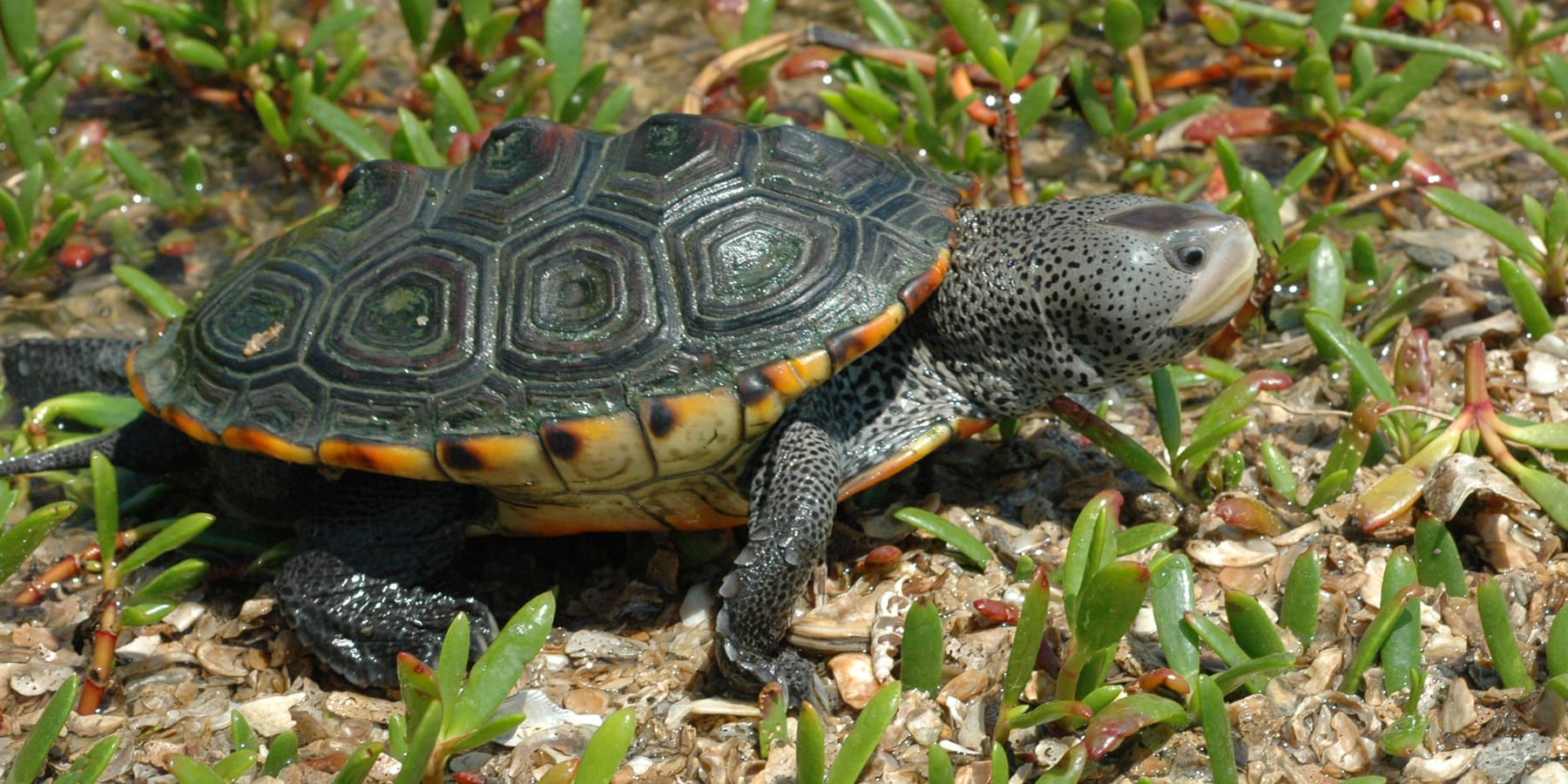
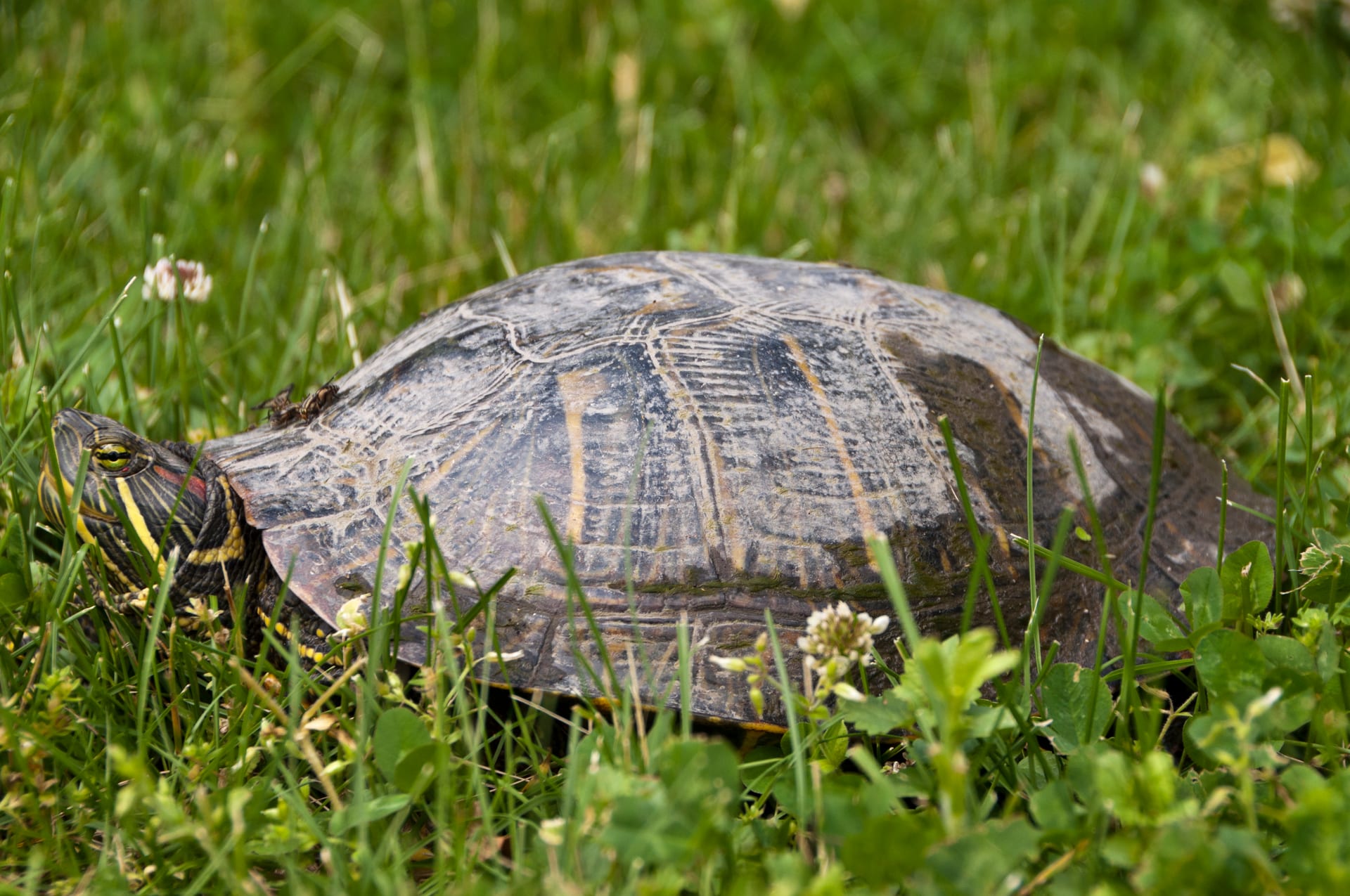
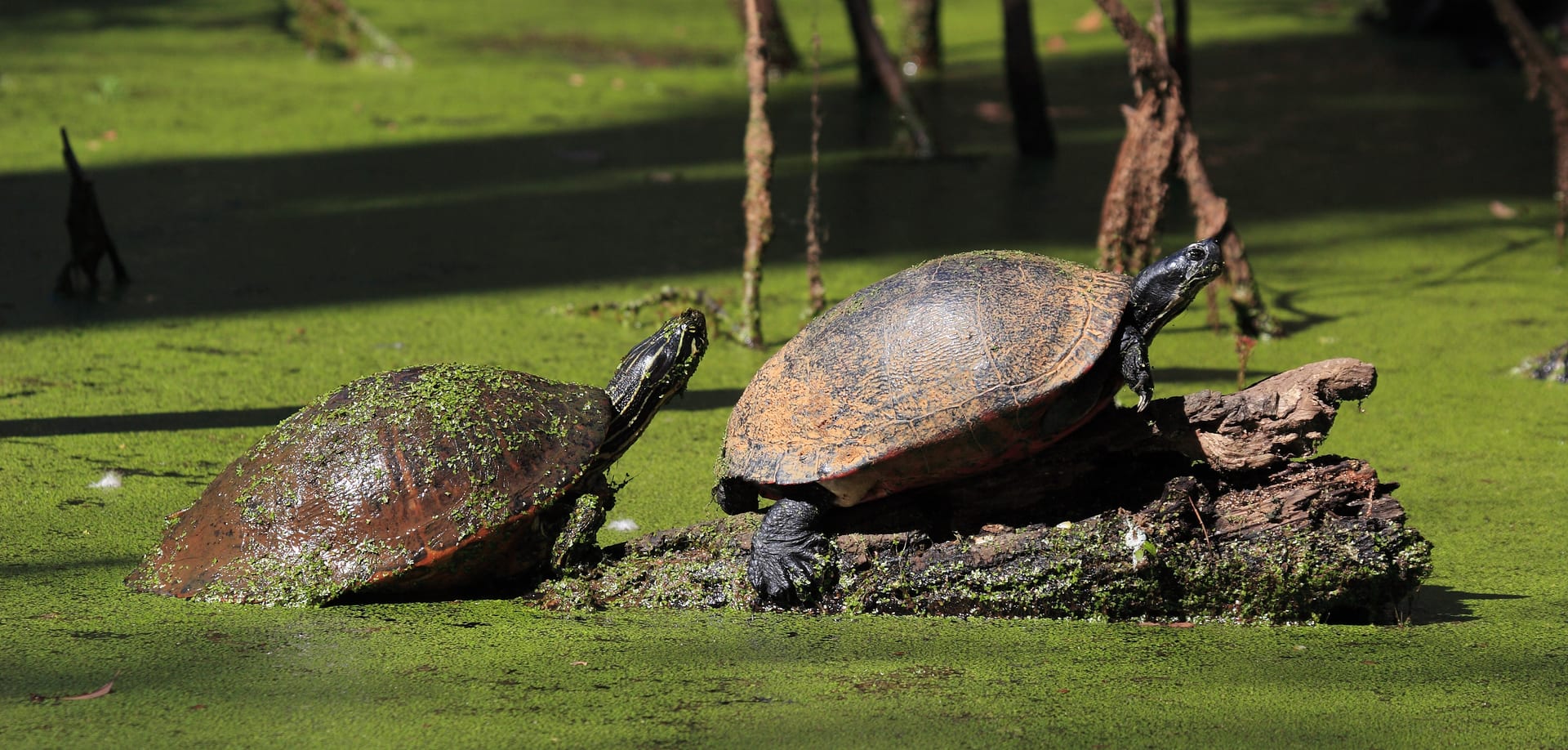
A large cooter whose plastron is a uniform reddish orange. The carapace reaches 34 cm and its domed shape is thought to make the turtle harder for the American alligator, which shares its range, to swallow.
Difficulty
Intermediate
Lifespan
Maximum recorded longevity in captivity is 26 years
Size
Carapace up to 34cm; males to about 30cm
Humidity
40〜70%
Diet
Aquatic turtle pellets, aquatic plants, algae and greens; juveniles also take insects
About
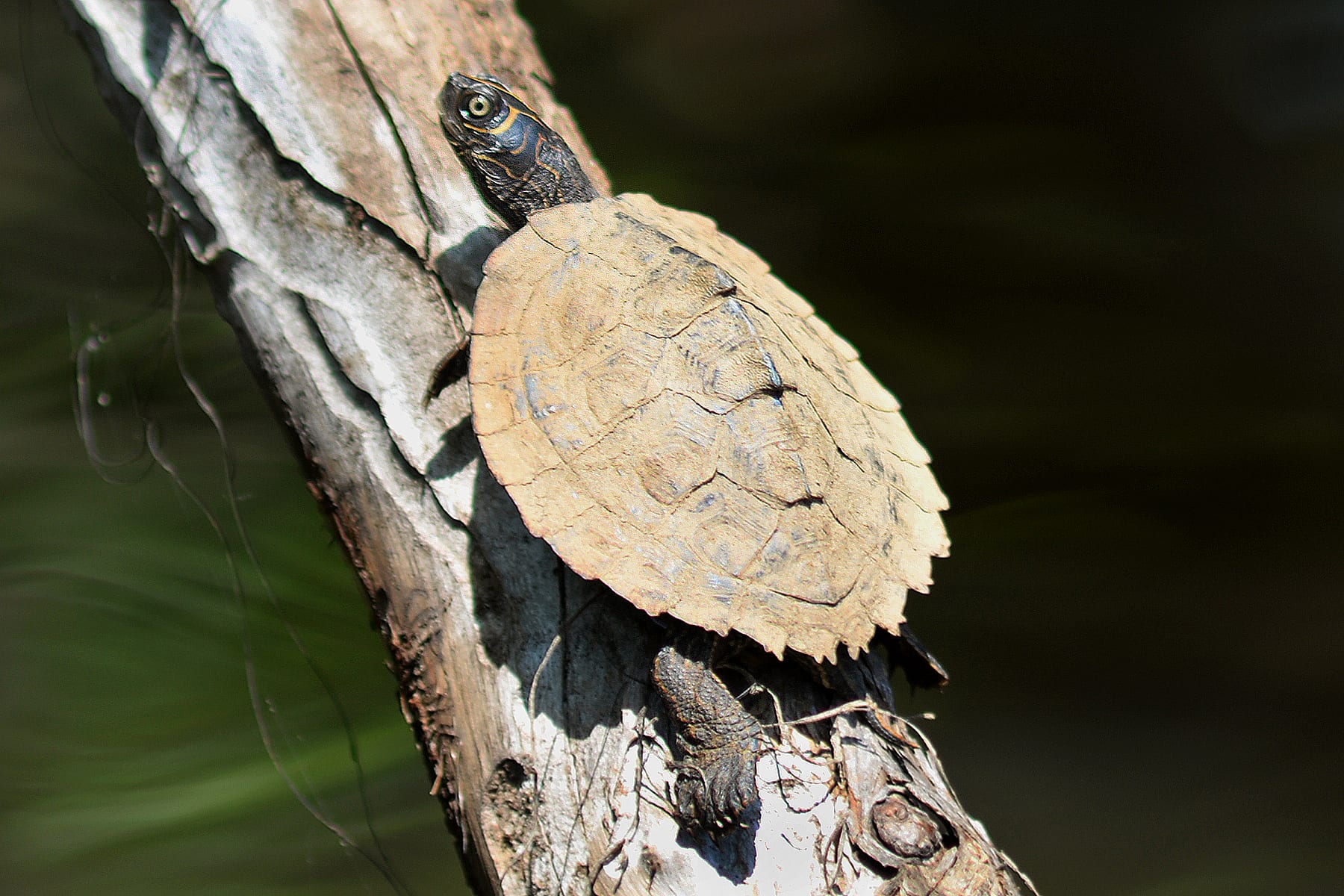
Pseudemys nelsoni is a cooter of the southeastern United States. Large, with a carapace to 34 cm, it has a domed shell that is highest at the front of the third vertebral scute. The black to dark brown carapace carries narrow yellow or orange bars, and the plastron is a uniform reddish orange that gives the turtle its English and Japanese names. Large animals of both sexes often turn melanistic and lose their markings. Adults are largely herbivorous, feeding mainly on aquatic plants such as duckweed and waterweed, together with algae. They bask readily and are commonly seen on banks and fallen logs. The species nests year round and is known for laying its eggs inside the nest mounds of the American alligator. It has been imported into Japan since the 1950s, and animals in the trade today are mostly captive bred or farmed.
Source: Wikipedia (CC BY-SA 4.0)
Lifespan of the Florida Red-Bellied Cooter
The Florida Red-Bellied Cooter lives Maximum recorded longevity in captivity is 26 years.
Size of the Florida Red-Bellied Cooter
The Florida Red-Bellied Cooter grows to Carapace up to 34cm; males to about 30cm.
Basic Info
Origin
The southeastern United States, throughout Florida and in southern Georgia, in rivers, lakes, ponds, wetlands and canals rich in aquatic plants with plenty of basking sites
Lifespan
Maximum recorded longevity in captivity is 26 years
Size
Care Specifications
PeacefulSolitaryBreeding: Moderate
Sources: Reptiles Magazine: Cooter Turtles / Wikipedia (Japanese): Florida red-bellied cooter / Wikipedia (English): Florida red-bellied cooter / Reptile Database / AnAge: The Animal Ageing and Longevity Database
References & Sources
Edited & verified by: BreederDirect editorial team
The taxonomic, regulatory, and husbandry data on this page are compiled and verified against the authoritative primary sources below.
Primary sources
- Wikipedia
- CITES Appendices (species not listed)
- Ministry of the Environment: list of invasive alien species
- Order for Enforcement of the Act on Welfare and Management of Animals (designated dangerous animals)
- Ministry of the Environment: list of alien species of concern
- Reptiles Magazine: Cooter Turtles
- Wikipedia (Japanese): Florida red-bellied cooter
- Wikipedia (English): Florida red-bellied cooter
- Reptile Database
Taxonomy & Authority
Accepted name: Pseudemys nelsoni Carr, 1938
Synonyms: Pseudemys felis Barbour, 1935, Chrysemys nelsoni (Carr, 1938), Pseudemys rubriventris nelsoni
Authority databases: Reptile Database
Nomenclature follows global taxonomic authority databases.
Regulations & Conservation Status
Not CITES-listedIUCN LC · Least Concern
Not listed in CITES appendices. Not classified as a designated animal under the Order for Enforcement of the Act on Welfare and Management of Animals, nor as a specified alien species. In Japan, the genus Cooter has been designated as an invasive species for establishment prevention (categorized as other countermeasure invasive species) under the Ecosystem Damage Prevention Invasive Species List as of 2015.
Sources: CITES Appendices (species not listed) / Ministry of the Environment: list of invasive alien species / Order for Enforcement of the Act on Welfare and Management of Animals (designated dangerous animals) / Ministry of the Environment: list of alien species of concern
Regulations may change. Always verify the latest information with the relevant authorities.
Florida Red-Bellied Cooter Listings
Loading latest listingsFind listings for this species