Source: Wikimedia Commons
Painted Turtle
BeginnerChrysemys picta
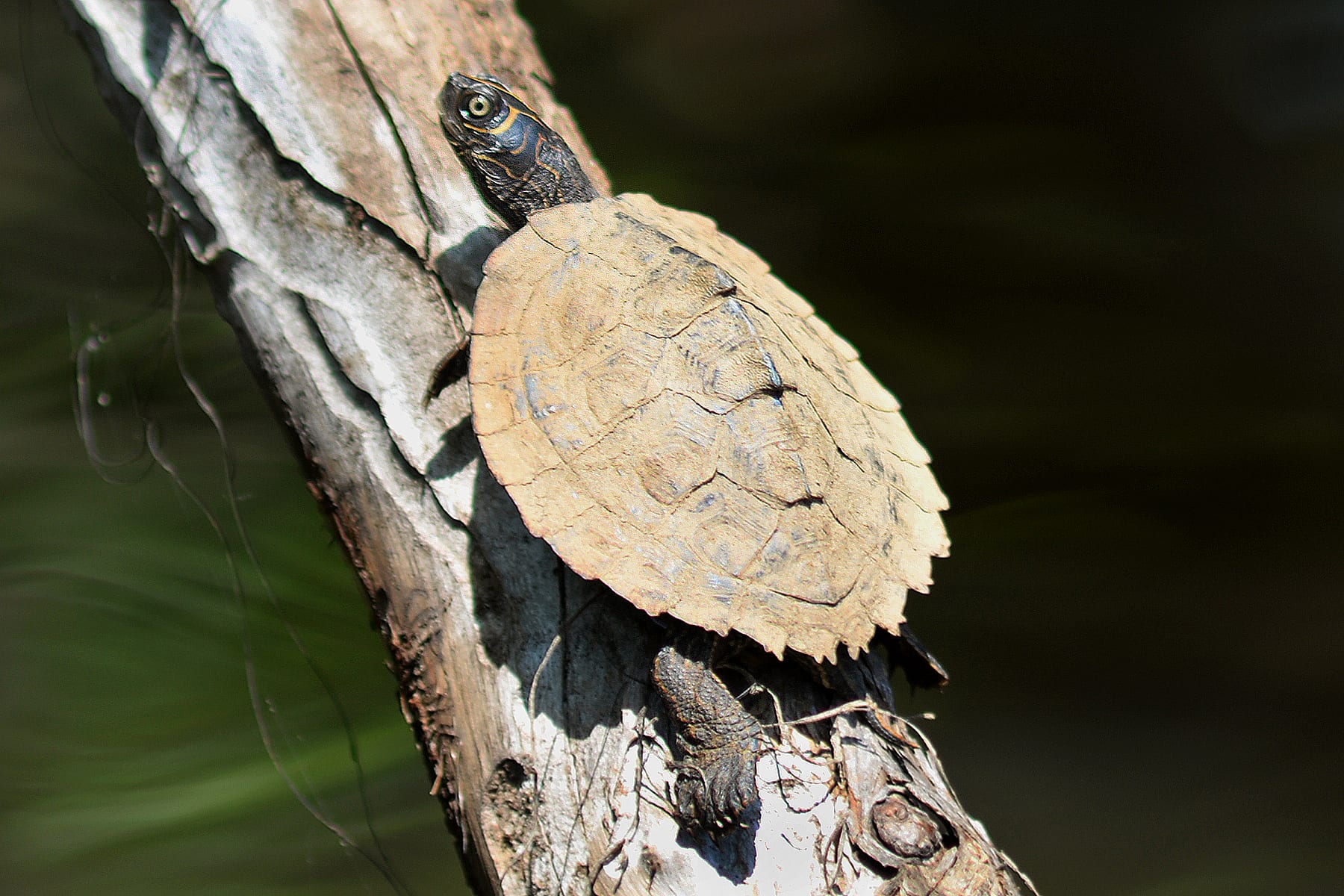
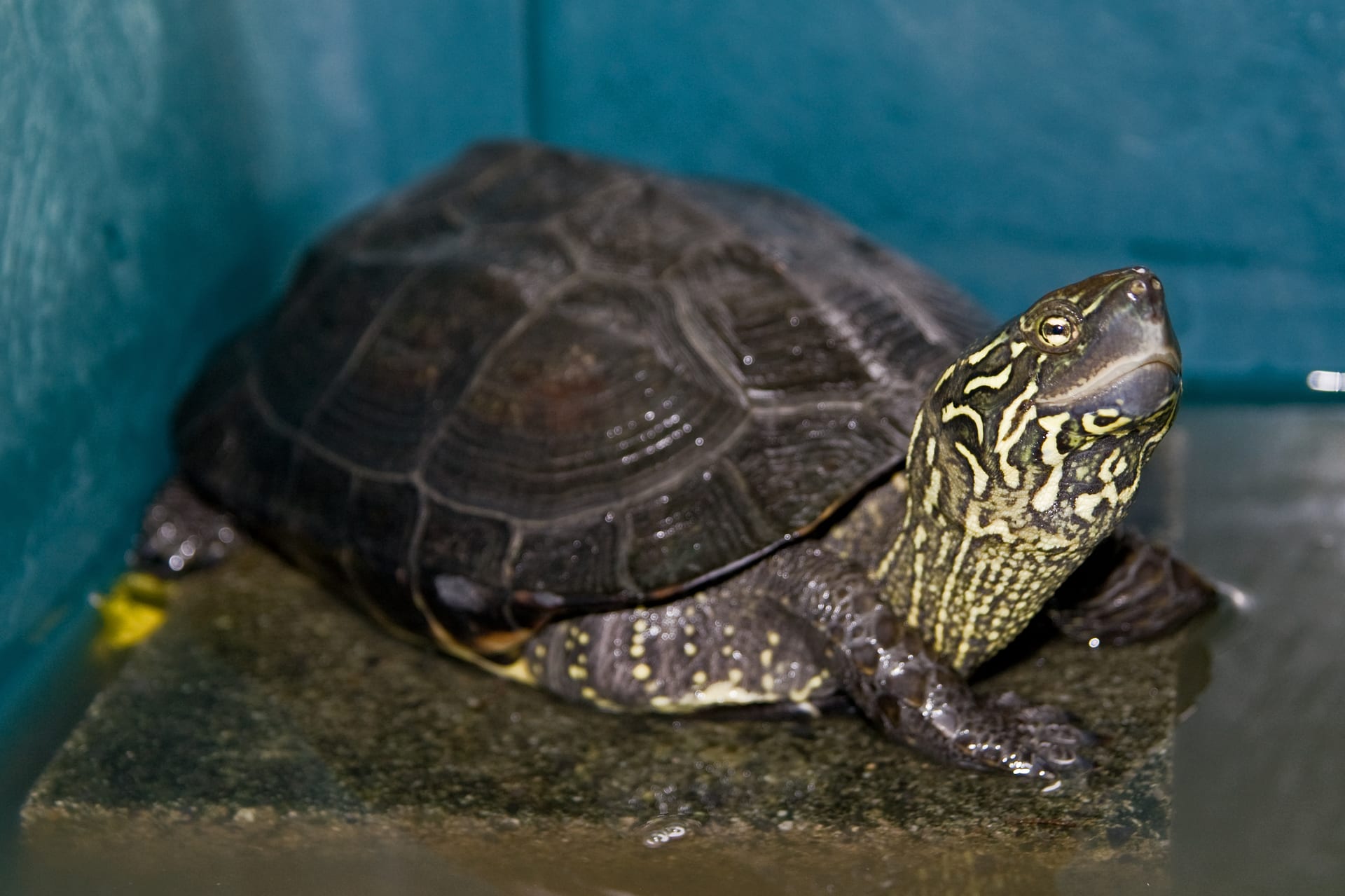
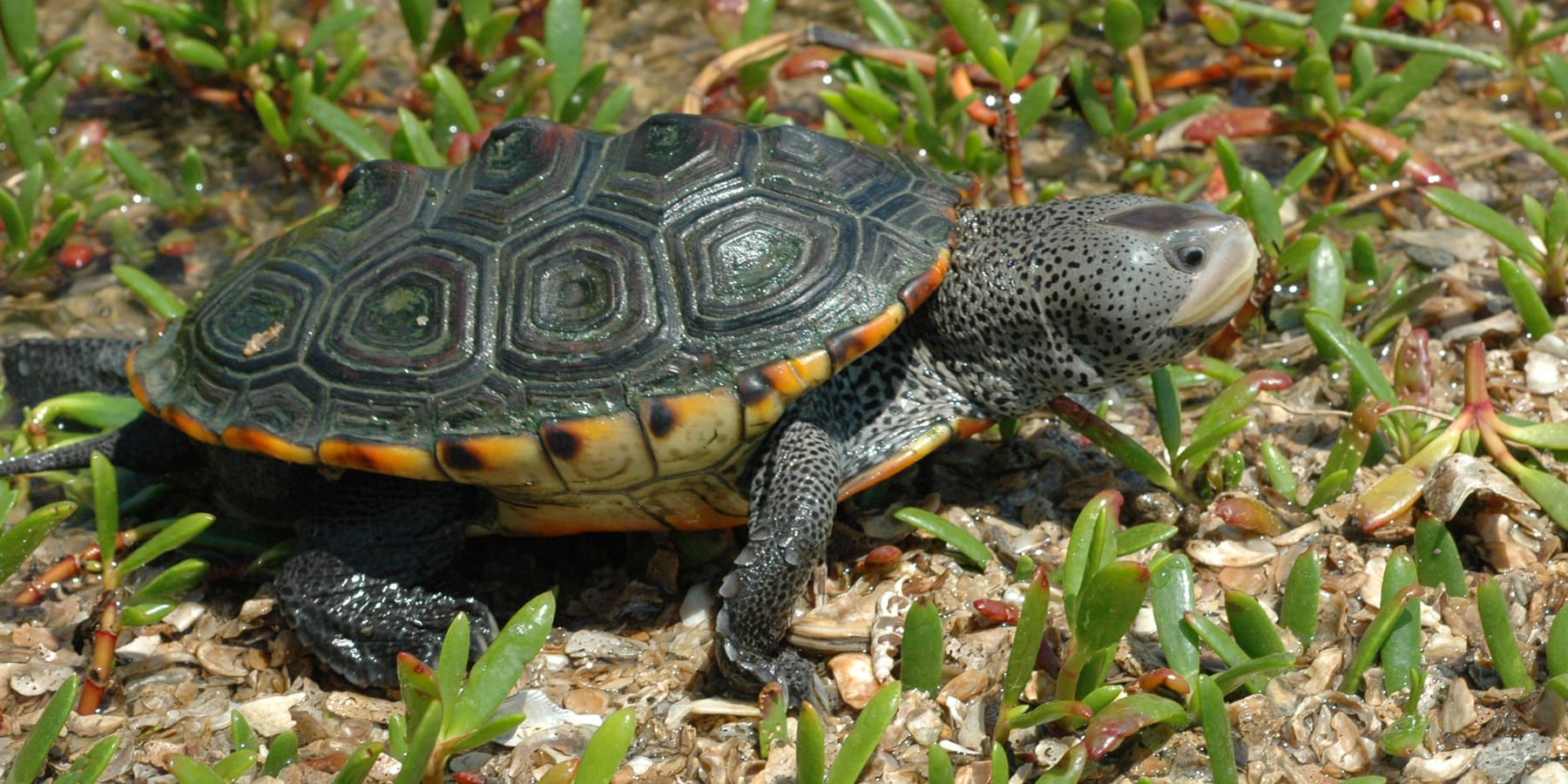
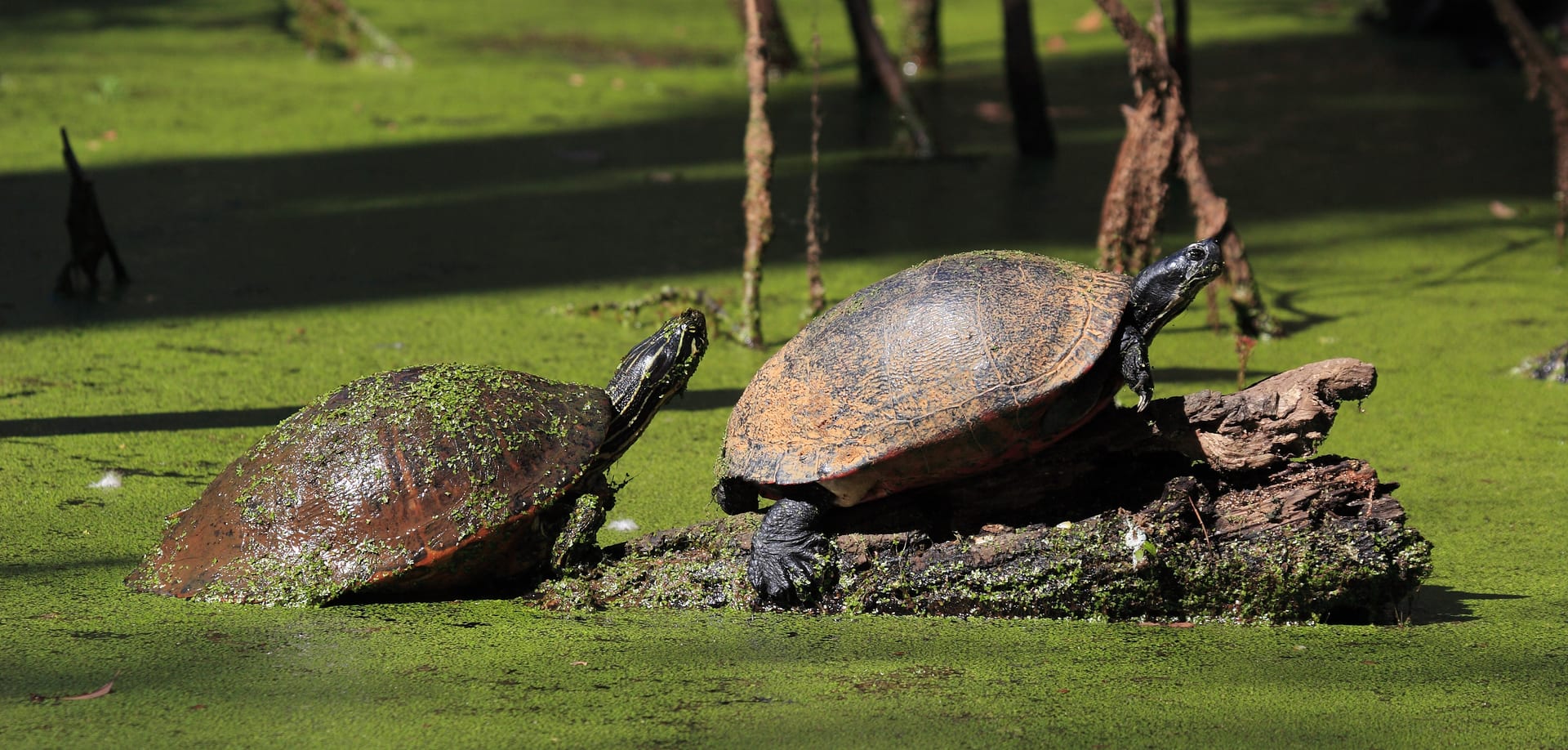
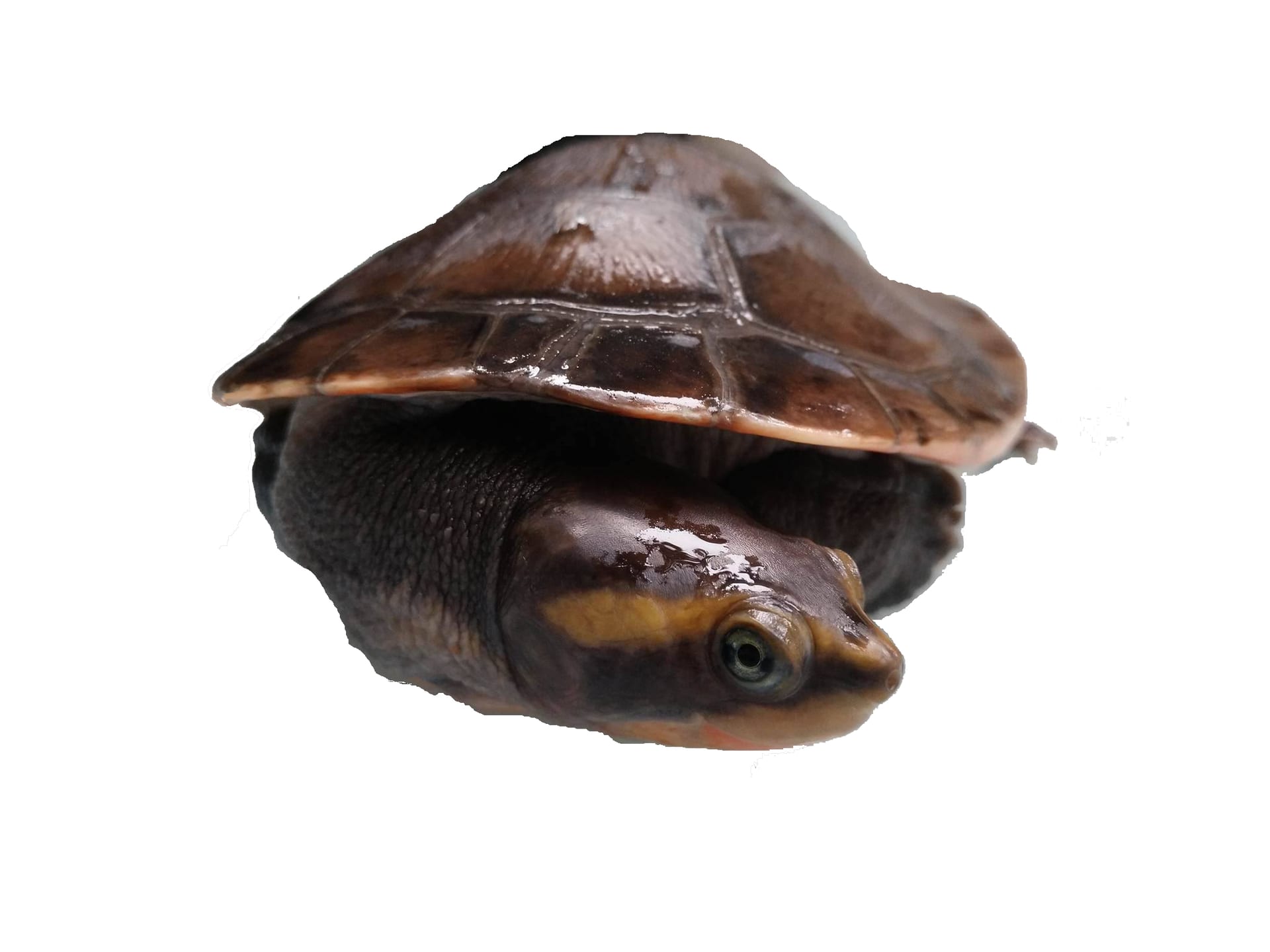
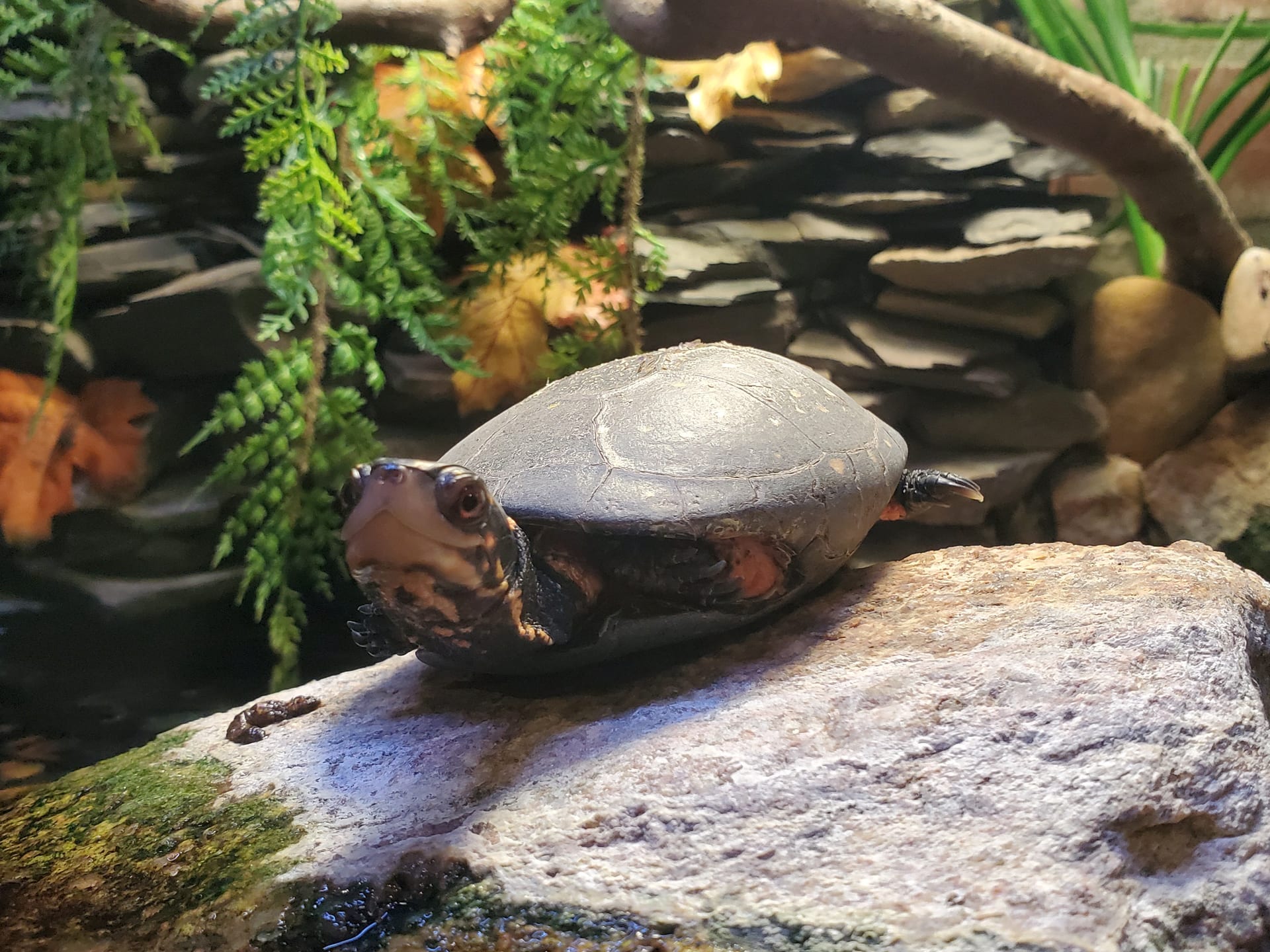
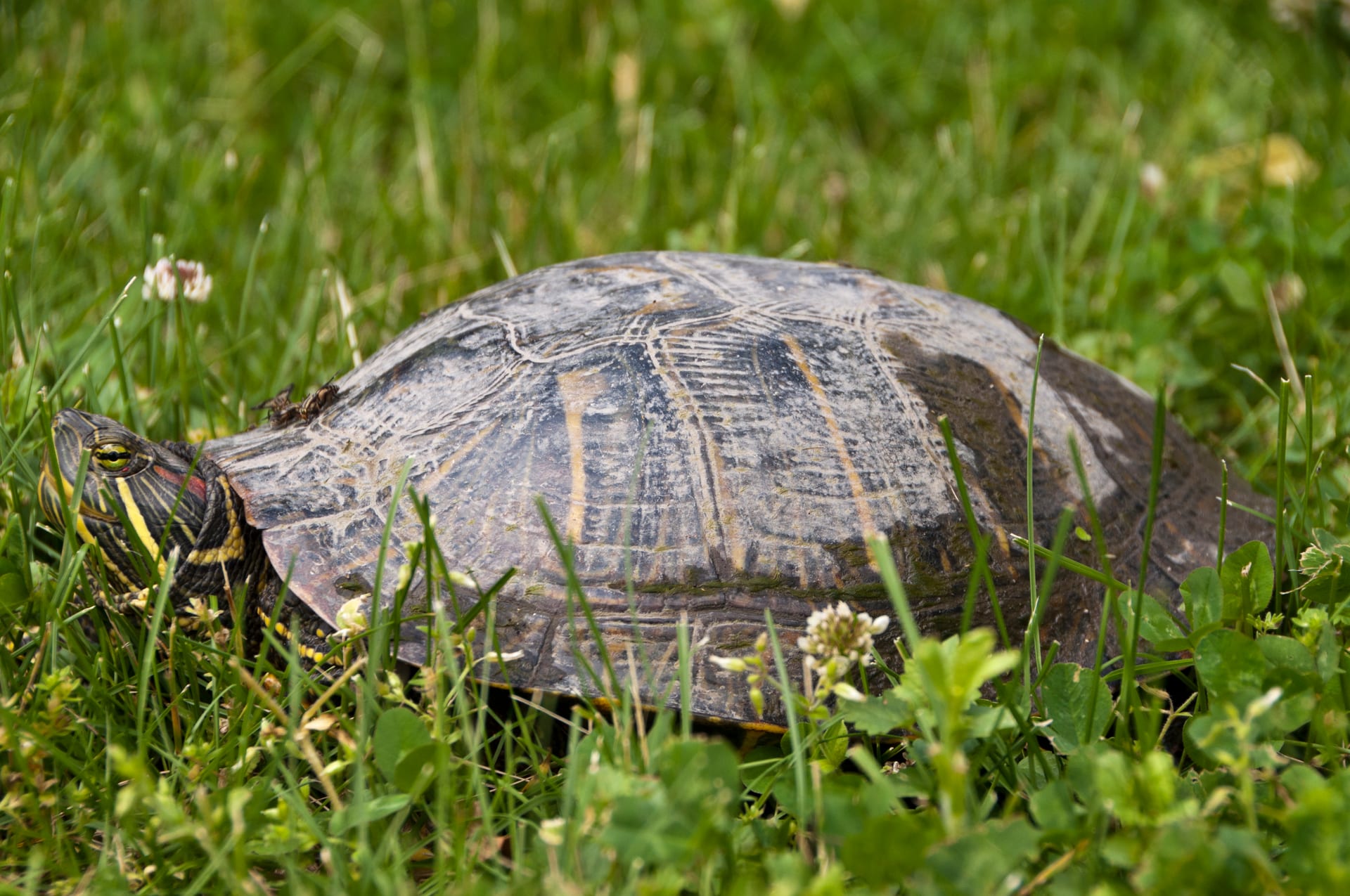
The most widespread native turtle of North America. Its black to dark green body is marked with red and yellow stripes, and the specific name picta, meaning painted, matches both its English and Japanese names. The carapace reaches 25 cm.
Difficulty
Beginner
Lifespan
Up to 40 years in captivity, with wild animals recorded at over 55 years
Size
Carapace up to 25cm, varying from 16 to 25cm by subspecies
Humidity
40〜70%
Diet
Aquatic turtle pellets, fish, insects, crustaceans, aquatic plants and algae
About
Chrysemys picta is the most widespread native turtle of North America and the sole member of its genus. The carapace is flat and smooth, without a keel or wrinkles, and the marginal scutes are not serrated. Head and limbs are black to dark green with yellow and red stripes; the specific name picta, meaning painted, matches both the English and Japanese names. Four subspecies are recognised - western, southern, midland and eastern - distinguished by the markings on carapace and plastron. Diurnal, it favours shallow still water with a slow flow and basks for hours on logs and rocks. An antifreeze-like substance in its blood lets it tolerate freezing, and it overwinters in the mud at the bottom of water bodies. Sex is determined by incubation temperature: one study produced only males at 25 C and only females at 30.5 C.
Source: Wikipedia (CC BY-SA 4.0)
Lifespan of the Painted Turtle
The Painted Turtle lives Up to 40 years in captivity, with wild animals recorded at over 55 years.
Size of the Painted Turtle
The Painted Turtle grows to Carapace up to 25cm, varying from 16 to 25cm by subspecies.
Basic Info
Origin
Southern Canada through the United States to northern Mexico, in slow rivers, lakes, ponds and marshes
Lifespan
Up to 40 years in captivity, with wild animals recorded at over 55 years
Size
Carapace up to 25cm, varying from 16 to 25cm by subspecies
Care Specifications
PeacefulSolitaryBreeding: Moderate
Sources: ReptiFiles: Painted Turtle Care Sheet / Wikipedia (Japanese): Painted turtle / Wikipedia (English): Painted turtle / Reptile Database
References & Sources
Edited & verified by: BreederDirect editorial team
The taxonomic, regulatory, and husbandry data on this page are compiled and verified against the authoritative primary sources below.
Primary sources
- Wikipedia
- CITES Appendices (species not listed)
- Ministry of the Environment: list of invasive alien species
- Order for Enforcement of the Act on Welfare and Management of Animals (designated dangerous animals)
- ReptiFiles: Painted Turtle Care Sheet
- Wikipedia (Japanese): Painted turtle
- Wikipedia (English): Painted turtle
- Reptile Database
Taxonomy & Authority
Accepted name: Chrysemys picta (Schneider, 1783)
Synonyms: Testudo picta Schneider, 1783, Emys picta (Schweigger, 1812), Chrysemys picta picta (Agassiz, 1857)
Authority databases: Reptile Database
Nomenclature follows global taxonomic authority databases.
Regulations & Conservation Status
Not CITES-listedIUCN LC · Least Concern
Not listed in the appendices of the Washington Convention. It does not fall under the specific animals listed in the Order for Enforcement of the Law Concerning the Protection and Management of Animals, nor is it designated as an invasive alien species.
Sources: CITES Appendices (species not listed) / Ministry of the Environment: list of invasive alien species / Order for Enforcement of the Act on Welfare and Management of Animals (designated dangerous animals)
Regulations may change. Always verify the latest information with the relevant authorities.
Painted Turtle Listings
Loading latest listingsFind listings for this species