Source: Wikimedia Commons
Reeves' Turtle
BeginnerMauremys reevesii
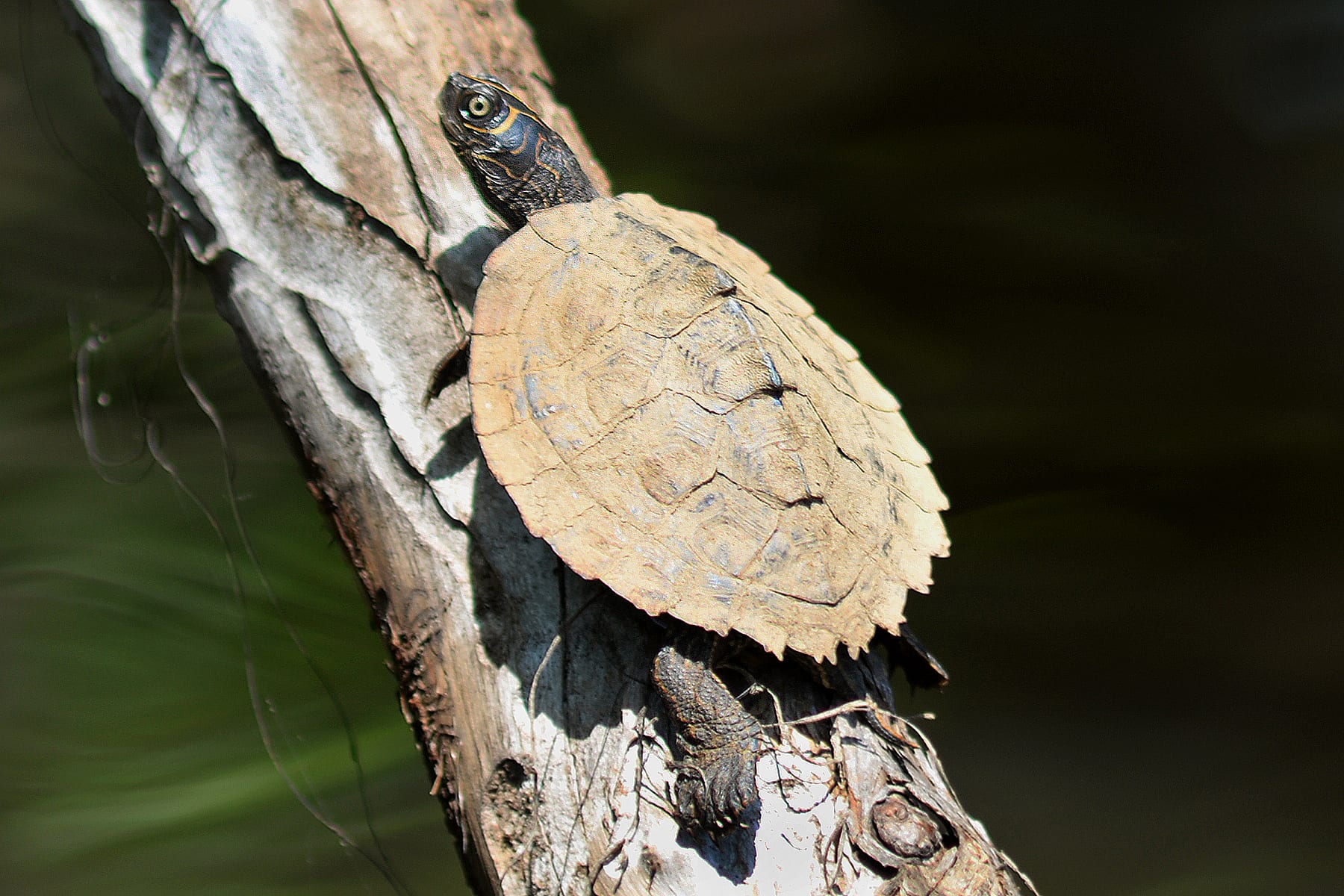
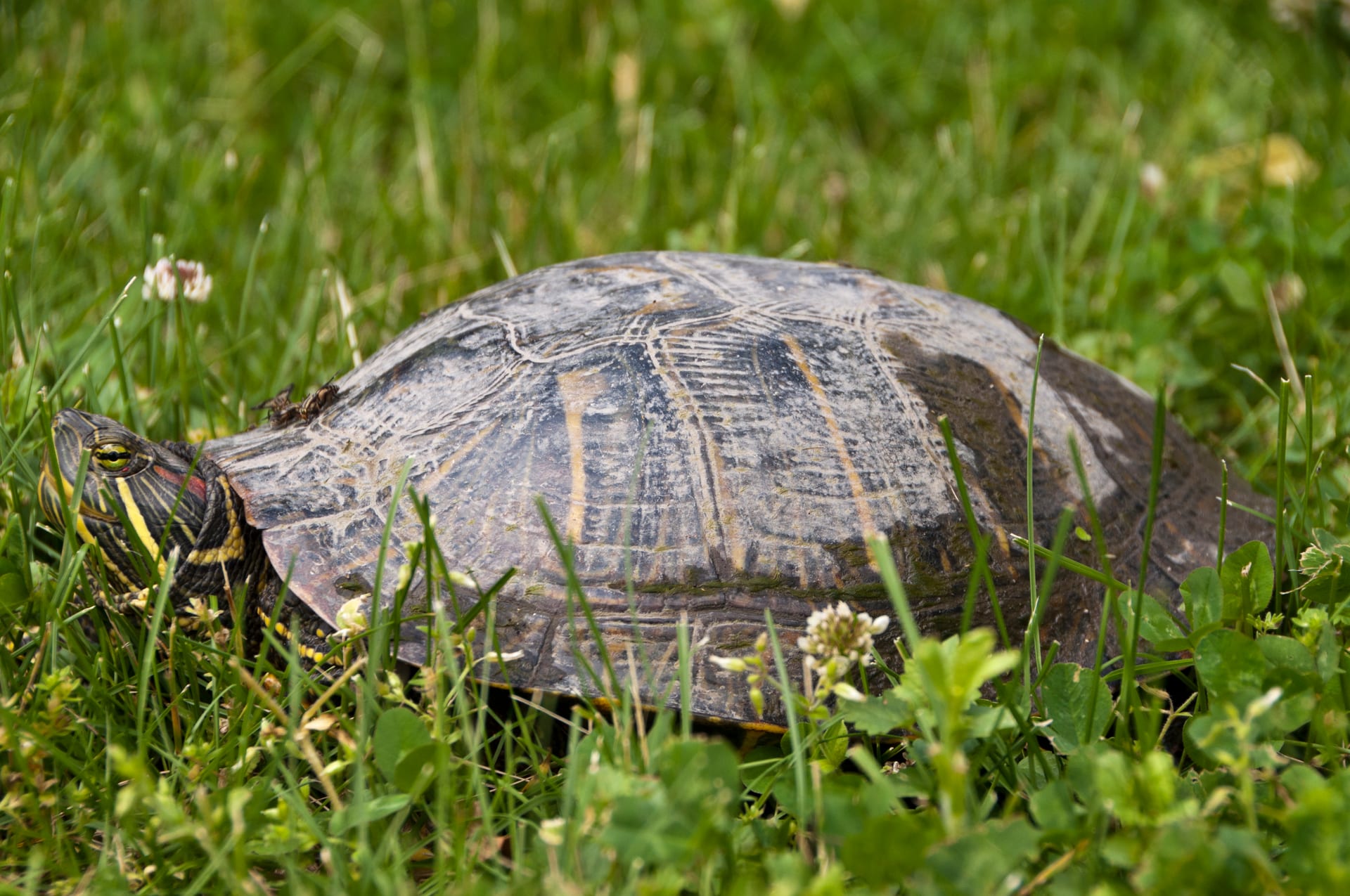
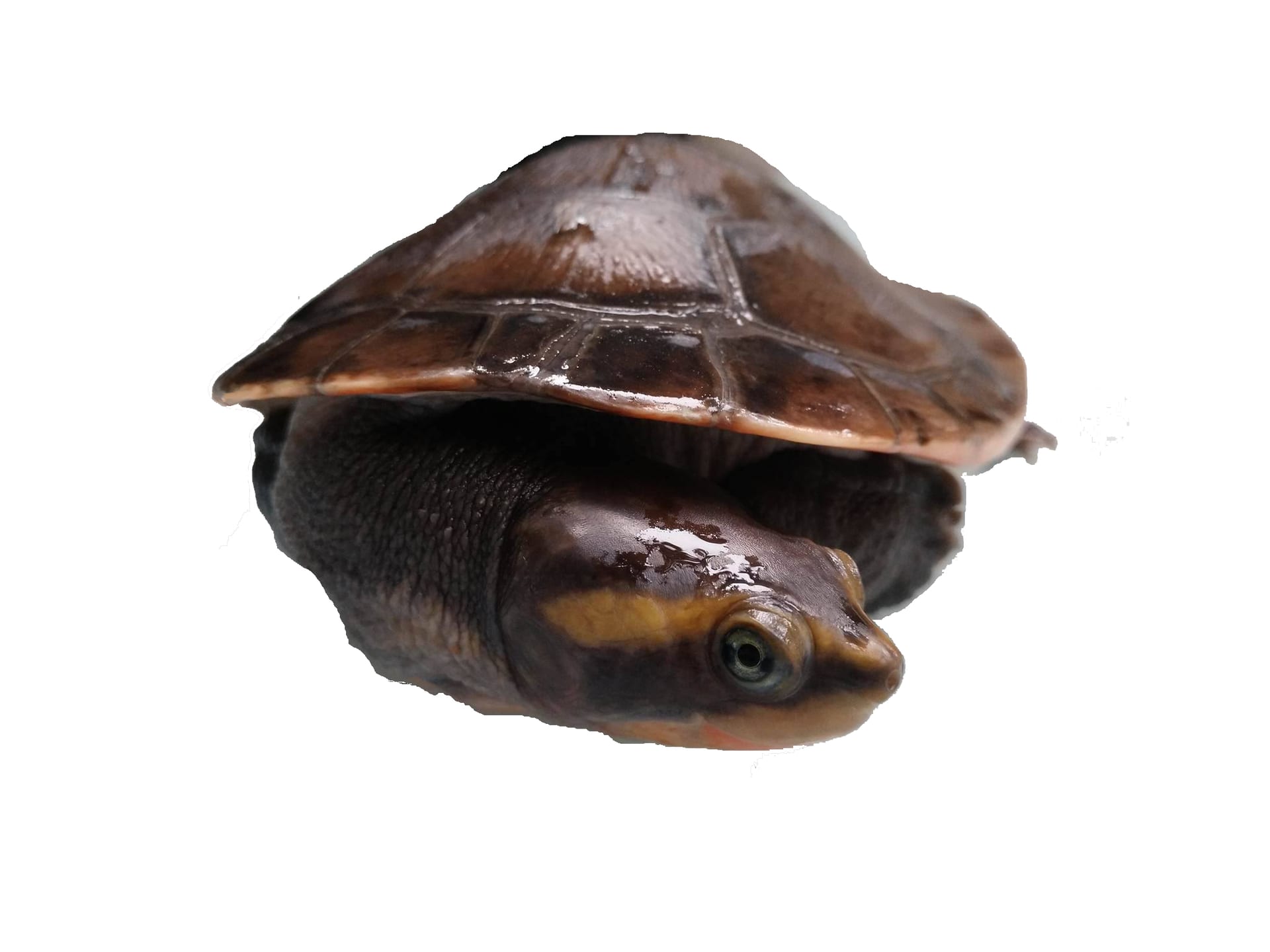
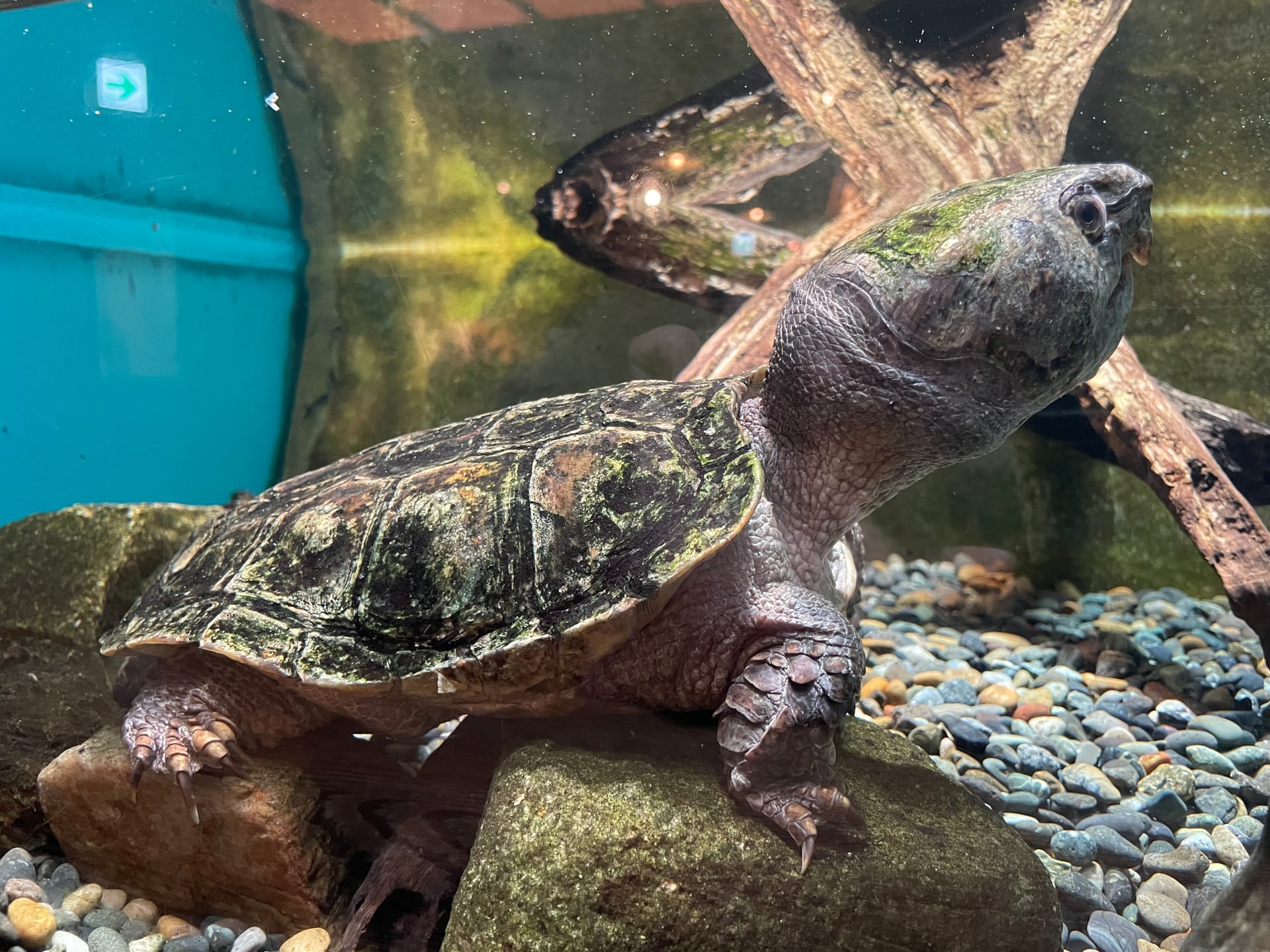
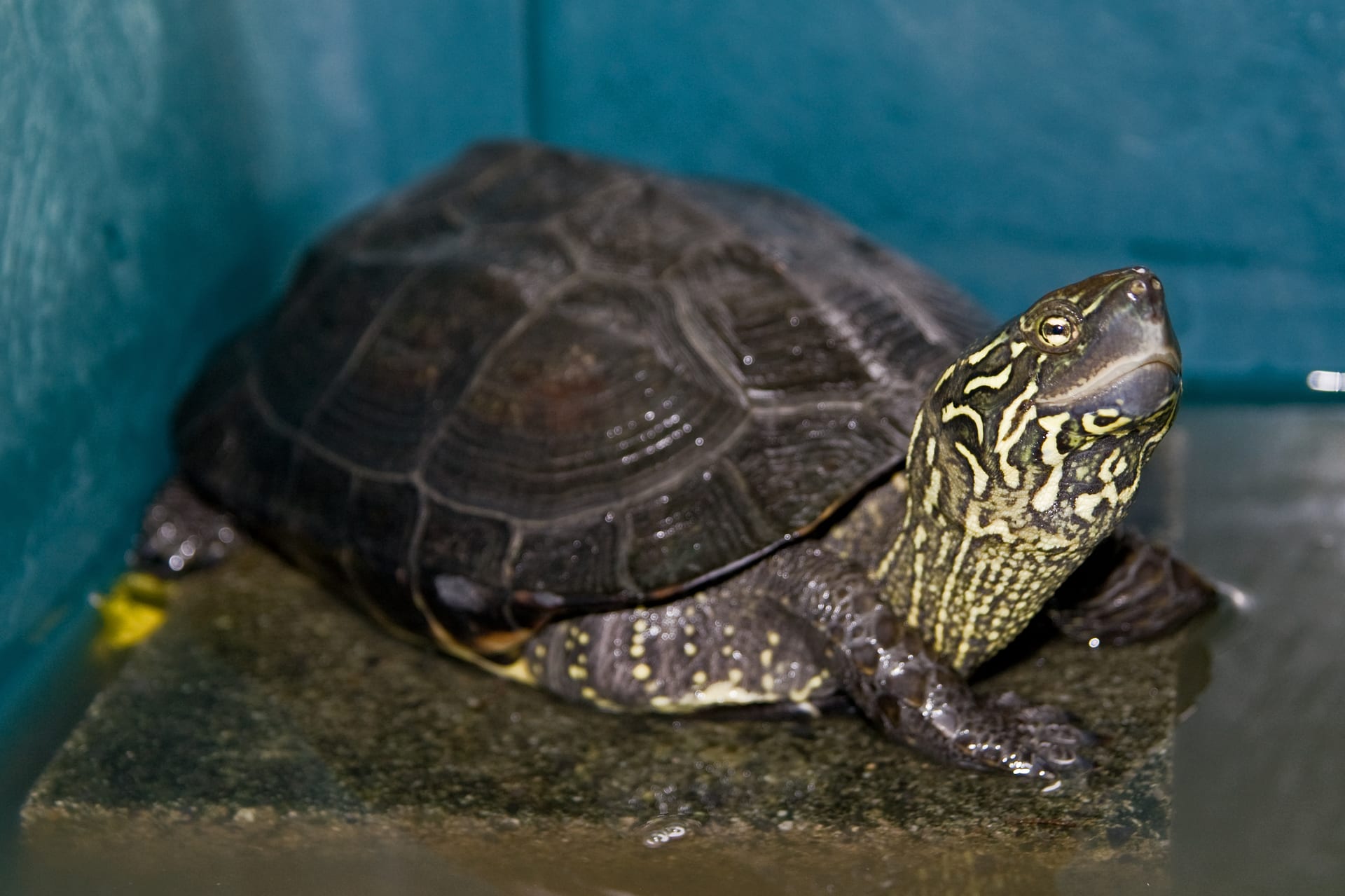
A geoemydid turtle of East Asia. Three distinct keels run along the carapace and irregular yellow to pale green streaks mark the head. The carapace reaches 30 cm, with females growing larger than males.
Difficulty
Beginner
Lifespan
10-15 years or more in captivity, with animals exceeding 20 years
Size
Carapace up to 30cm, males up to 19.9cm
Humidity
40〜70%
Diet
Prepared pellets, small fish, snails, crustaceans and greens
About
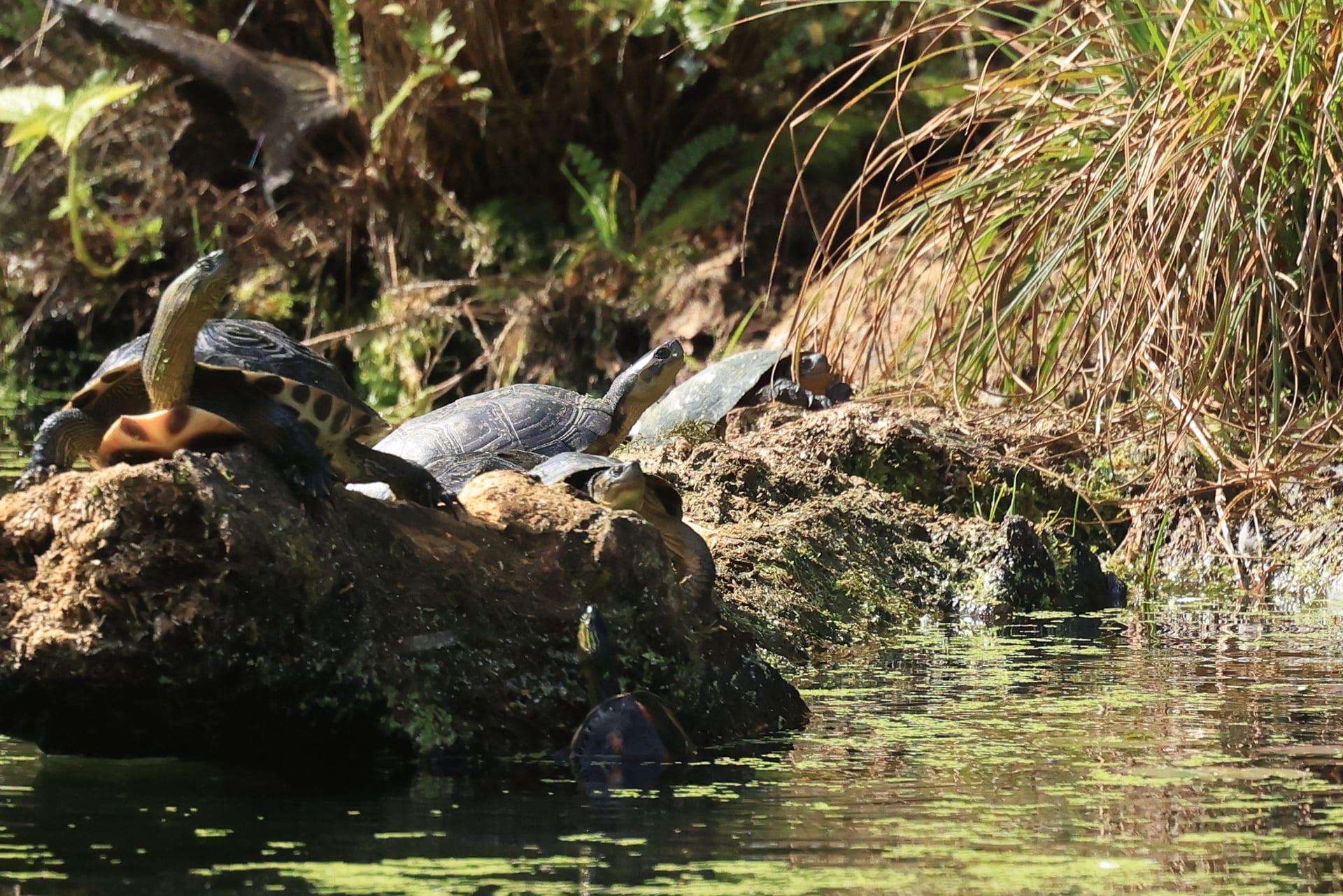
Mauremys reevesii is a geoemydid turtle of East Asia and the smallest member of its genus. The carapace is rather flat, with three keels running along the vertebral and costal scutes, the vertebral keel being the most prominent. The head is olive to dark brown with irregular yellow or pale green streaks. The carapace reaches 30 cm and females grow larger, males stopping at 19.9 cm. Adult males turn entirely melanistic, iris included, and lose their markings. It is not a strong swimmer, prefers still water with a gentle flow and basks readily. Scent glands at the base of the limbs release a foul smell when it is attacked, the origin of its Japanese name. Japanese populations have no fossil record and are thought to have been introduced from the Korean peninsula and mainland China. Hybrids with the Japanese pond turtle, known as unkyu, are fertile.
Source: Wikipedia (CC BY-SA 4.0)
Lifespan of the Reeves' Turtle
The Reeves' Turtle lives 10-15 years or more in captivity, with animals exceeding 20 years.
Size of the Reeves' Turtle
The Reeves' Turtle grows to Carapace up to 30cm, males up to 19.9cm.
Basic Info
Origin
The Republic of Korea, eastern to southeastern mainland China and Hong Kong, with introduced populations in Japan and Taiwan, in slow rivers, lakes, ponds, marshes and paddy fields
Lifespan
10-15 years or more in captivity, with animals exceeding 20 years
Size
Carapace up to 30cm, males up to 19.9cm
Care Specifications
PeacefulSolitaryBreeding: Moderate
Sources: Reptiles Magazine: Reeve's Turtle Care Sheet / Wikipedia (Japanese): Reeves' turtle / Reptile Database
References & Sources
Edited & verified by: BreederDirect editorial team
The taxonomic, regulatory, and husbandry data on this page are compiled and verified against the authoritative primary sources below.
Taxonomy & Authority
Accepted name: Mauremys reevesii (Gray, 1831)
Synonyms: Emys reevesii Gray, 1831, Chinemys reevesii (Gray, 1831), Geoclemys reevesii
Authority databases: Reptile Database
Nomenclature follows global taxonomic authority databases.
Regulations & Conservation Status
CITES Appendix III
Listed in CITES Appendix III at the request of the People's Republic of China, effective February 17, 2005 (listing country: People's Republic of China). As an Appendix III species, an international endangered species certificate is not required, though import requires a certificate issued by the exporting country. It does not qualify as a designated animal under the Animal Protection and Management Act enforcement regulations, nor is it designated as a specified alien species. It is protected in South Korea, the People's Republic of China, and Taiwan. Individuals resulting from hybridization with the yellow-margined box turtle are designated as specified alien species.
Sources: CITES Appendices / Ministry of the Environment: list of invasive alien species
Regulations may change. Always verify the latest information with the relevant authorities.
Reeves' Turtle Listings
Loading latest listingsFind listings for this species