Source: Wikimedia Commons
Chinese Fire-Bellied Newt
IntermediateCynops orientalis
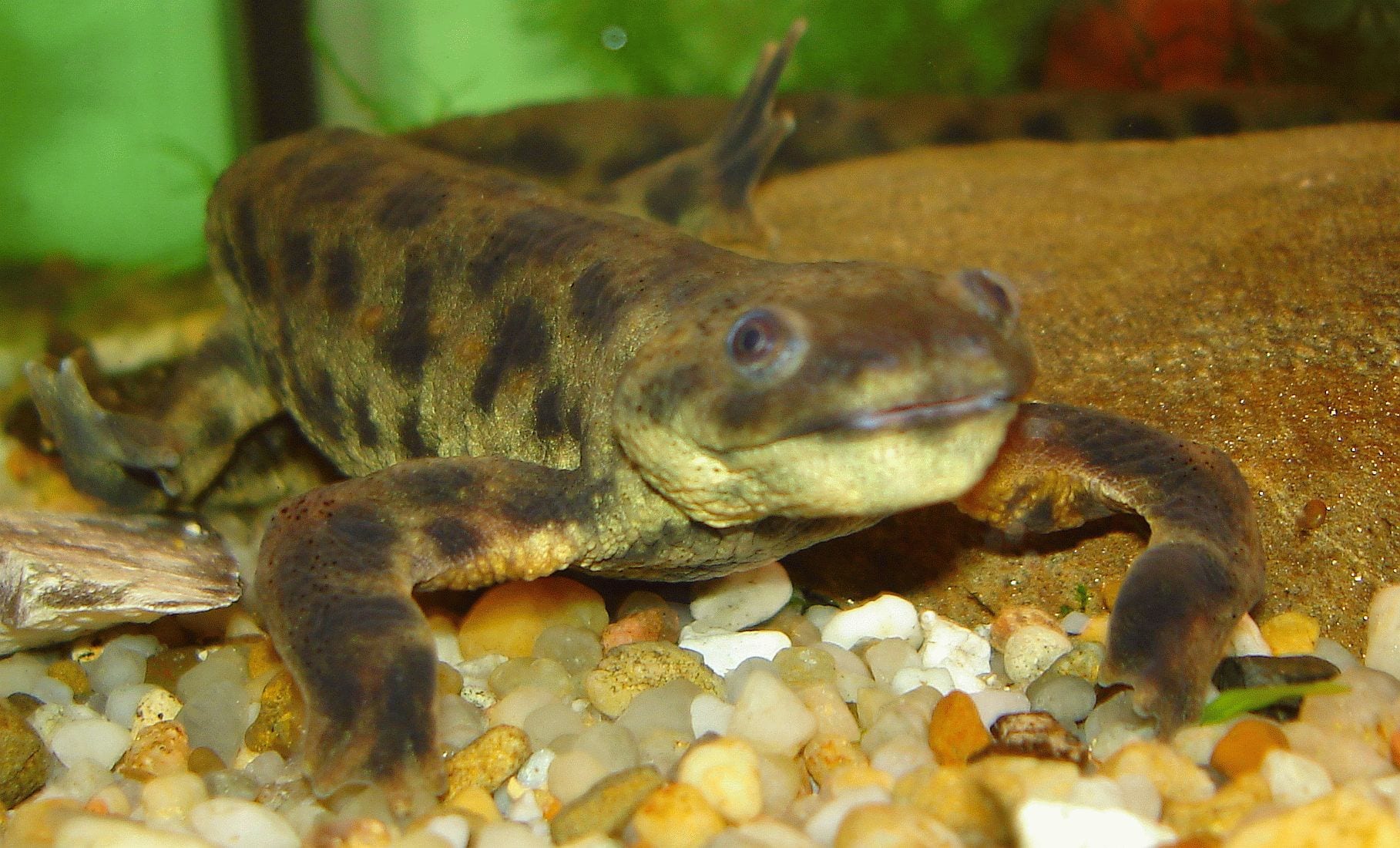
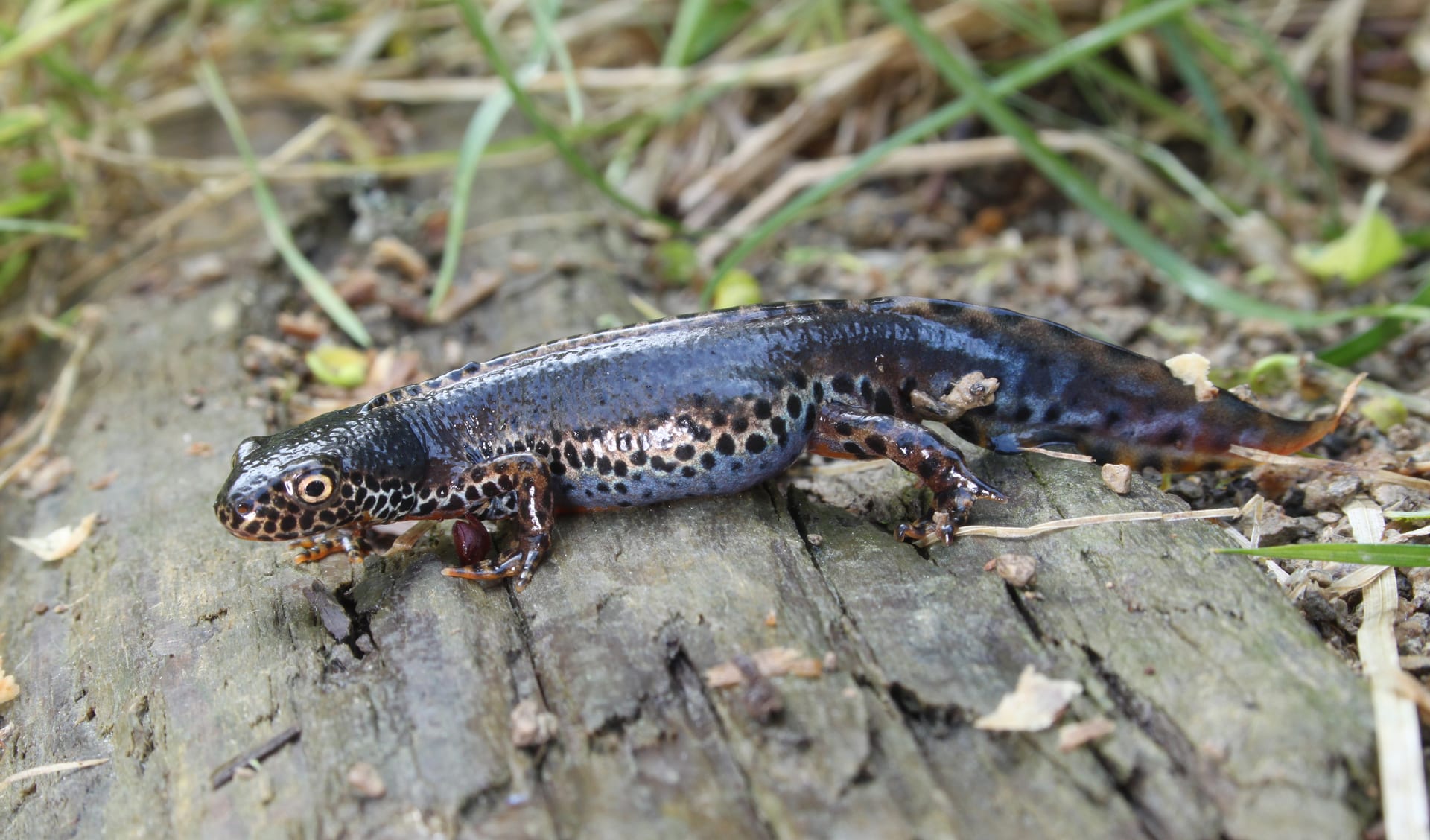
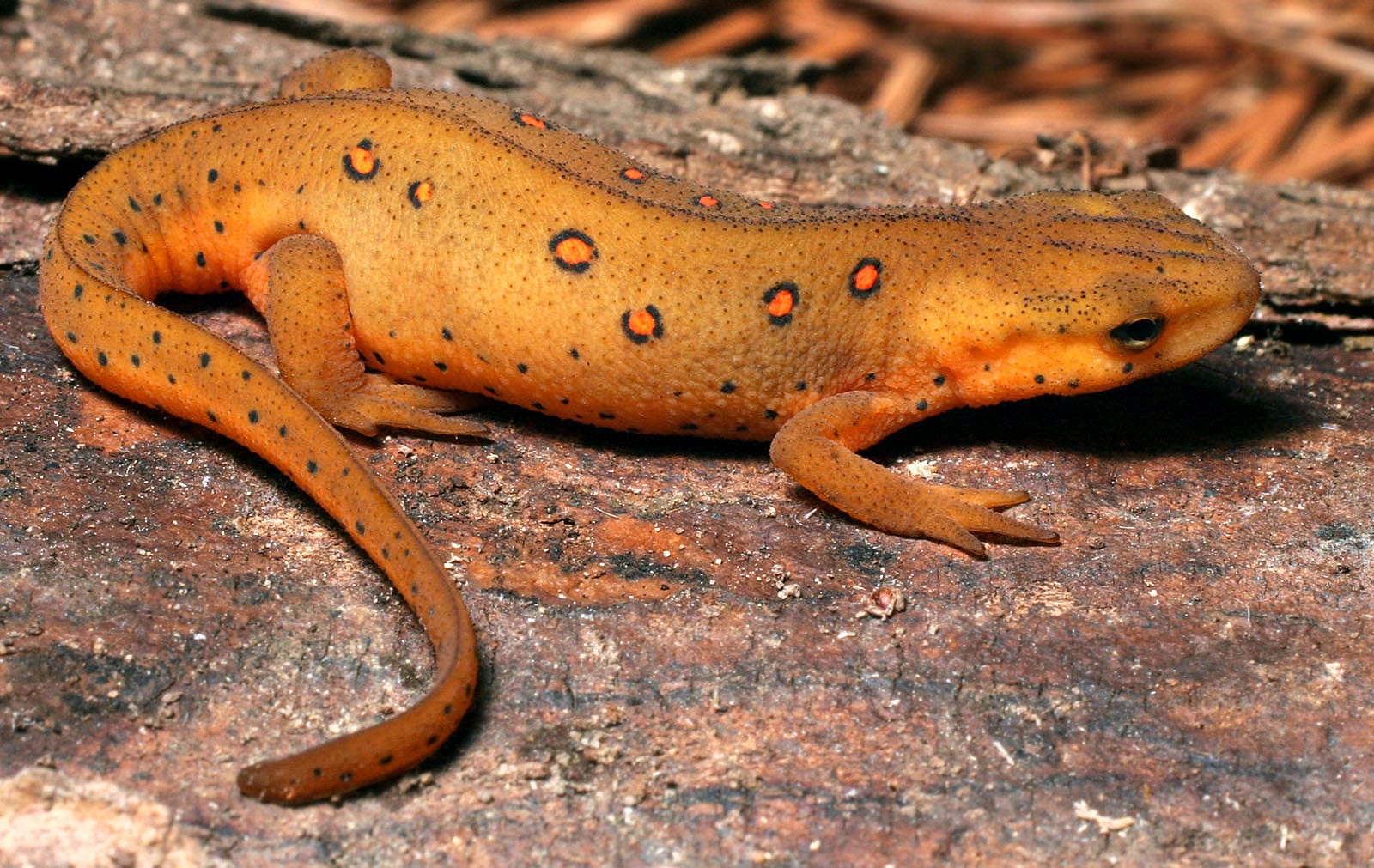
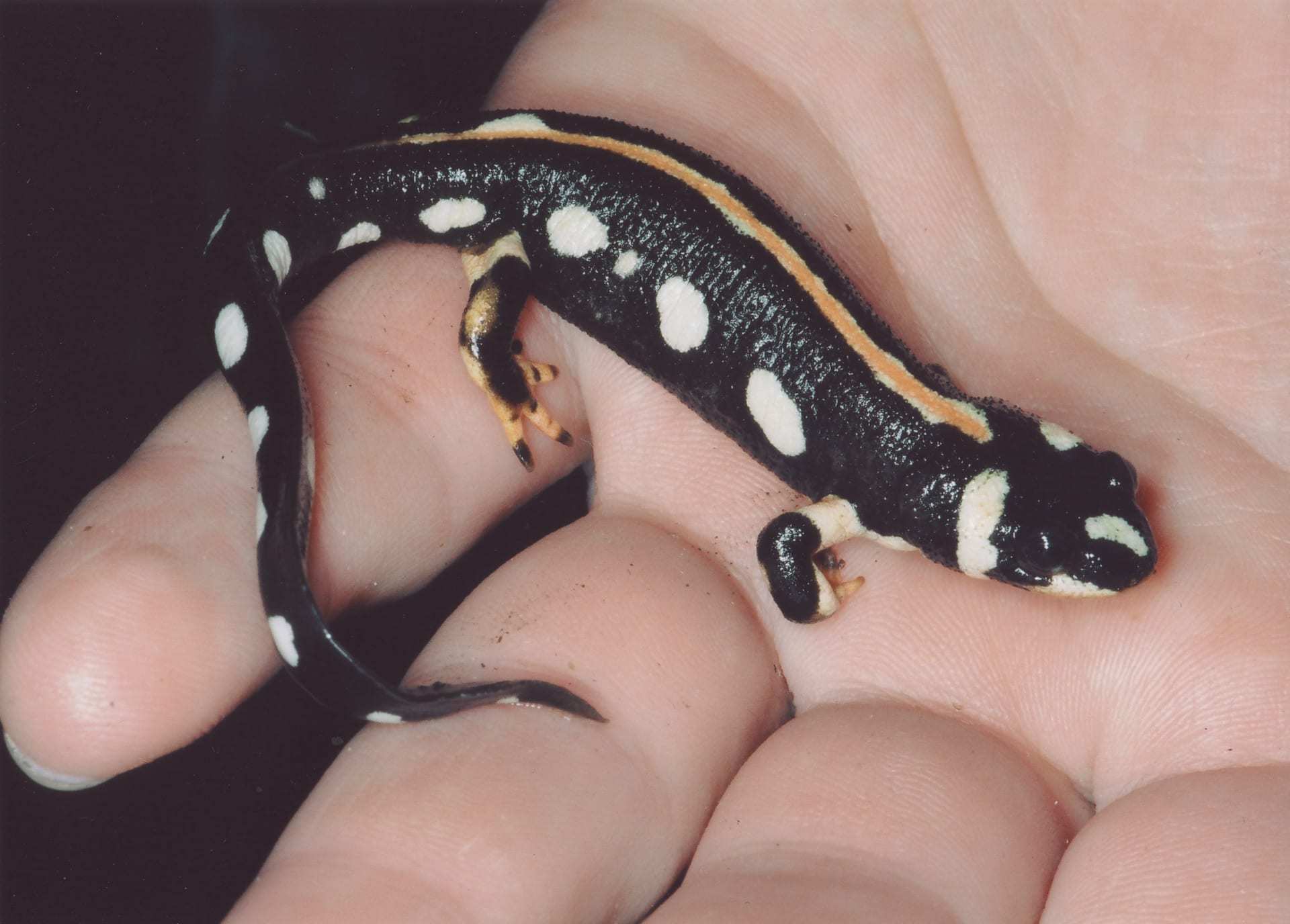
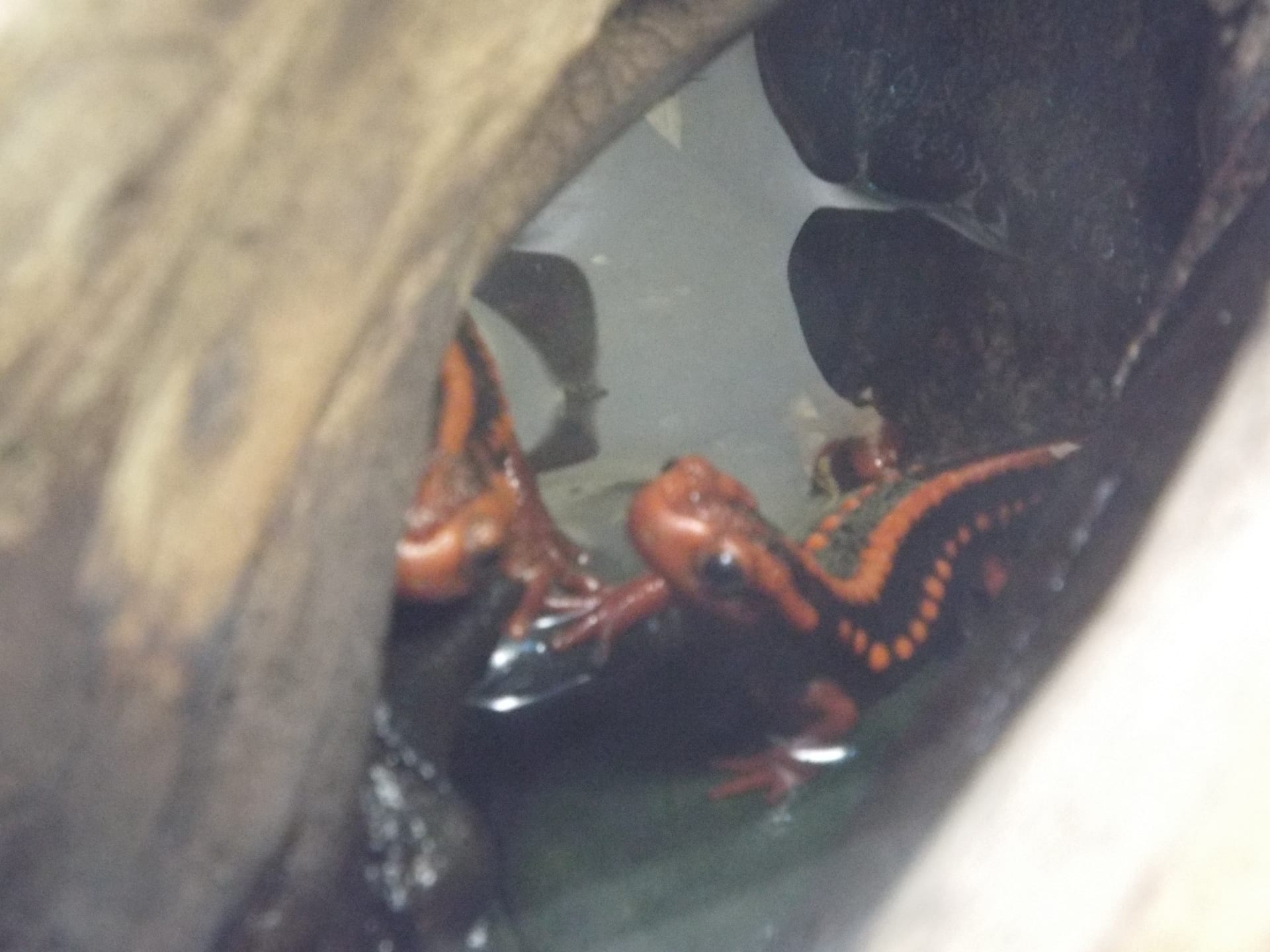
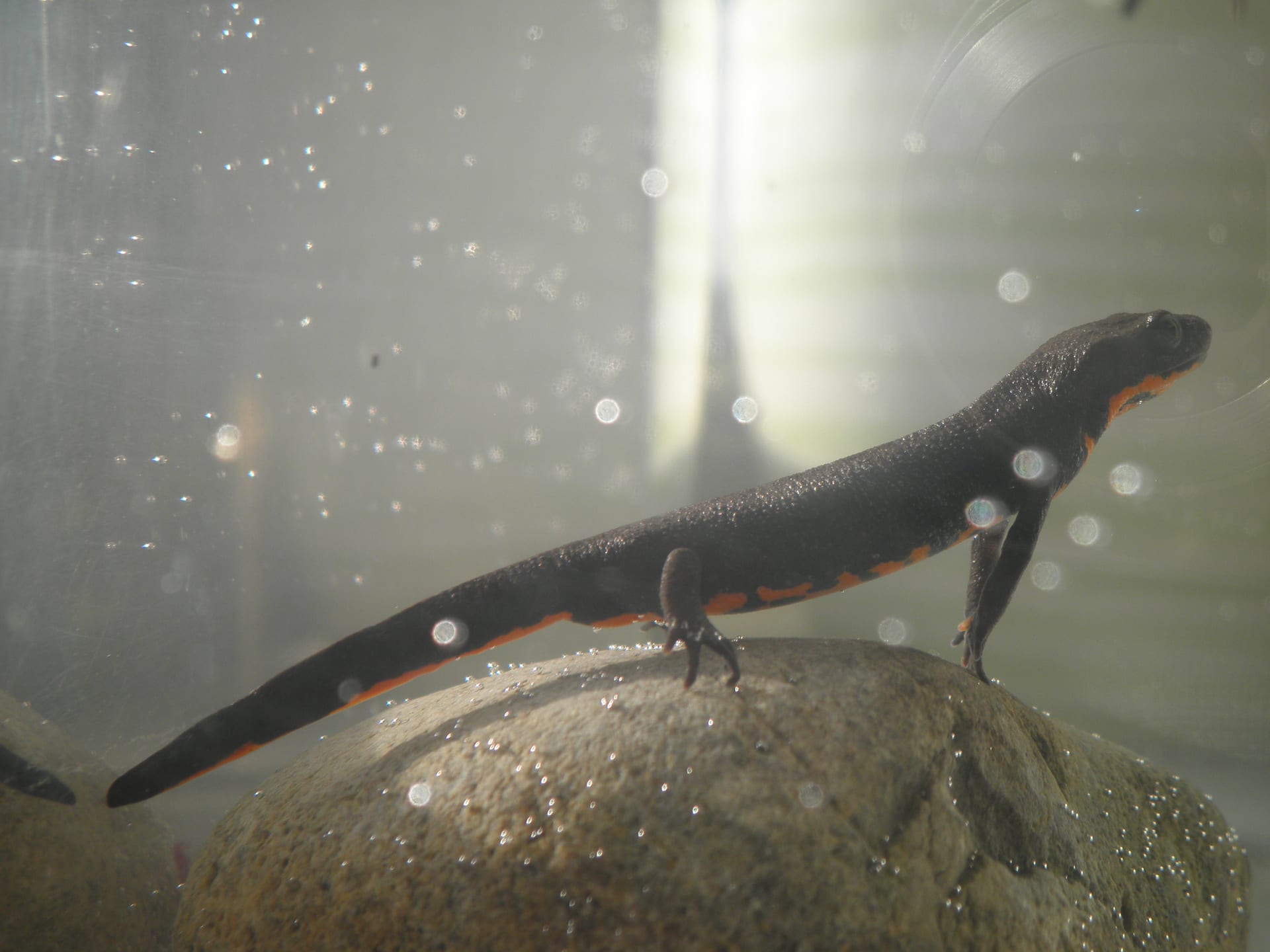
A small newt under 10 cm, endemic to east-central China. The back is black with relatively smooth skin, and the underside is aposematic red or orange. It is the most commonly traded newt in the aquarium trade but is intolerant of heat.
Difficulty
Intermediate
Temperature
14〜20℃
Lifespan
15-20 years
Size
6-10cm
Humidity
40〜70%
Diet
Frozen bloodworms, blackworms, daphnia and small live foods
About
Cynops orientalis is a small salamandrid endemic to the subtropical forests of east-central China. Total length is about 6-10 cm, with a snout-vent length of 3.7-4.6 cm in males and 4.1-5.4 cm in females. The back is dark brown to black with fine granules but relatively smooth skin and well-developed parotoid glands, while the underside from throat to mid-tail is red or orange as a warning to predators. It is often confused with the Japanese fire-bellied newt, from which it differs in its smoother skin, rounder tail and less obvious parotoids. It lives in shallow still water rich in plants, such as marshes, ponds and abandoned paddies, between 30 and 1,000 m. Keep it in a cool planted aquarium with a small land area at 14-20 C, and avoid anything above 23 C. It is the most widely traded newt, and keeping it too warm is cited as a reason captive breeding remains uncommon.
Source: Wikipedia (CC BY-SA 4.0)
Lifespan of the Chinese Fire-Bellied Newt
The Chinese Fire-Bellied Newt lives 15-20 years.
Size of the Chinese Fire-Bellied Newt
The Chinese Fire-Bellied Newt grows to 6-10cm.
Temperature & humidity for the Chinese Fire-Bellied Newt
The ideal temperature for the Chinese Fire-Bellied Newt is 14〜20℃.
Basic Info
Origin
East-central China (southern Anhui, southern Henan, eastern Hubei, Jiangxi, southern Jiangsu, Zhejiang, western Fujian)
Lifespan
Care Specifications
PeacefulGroupBreeding: Moderate
Sources: Caudata Culture: Cynops orientalis / Wikipedia (English) / Wikipedia (Japanese)
References & Sources
Edited & verified by: BreederDirect editorial team
The taxonomic, regulatory, and husbandry data on this page are compiled and verified against the authoritative primary sources below.
Taxonomy & Authority
Accepted name: Cynops orientalis (David, 1873)
Synonyms: Hypselotriton orientalis (David, 1873), Triton orientalis David, 1873, Diemictylus orientalis (David, 1873)
Authority databases: GBIF
Nomenclature follows global taxonomic authority databases.
Regulations & Conservation Status
Not CITES-listed
Sources: CITES Appendices (species not listed) / IUCN Red List
Regulations may change. Always verify the latest information with the relevant authorities.
Chinese Fire-Bellied Newt Listings
Loading latest listingsFind listings for this species