Source: Wikimedia Commons
Alpine Newt
IntermediateIchthyosaura alpestris
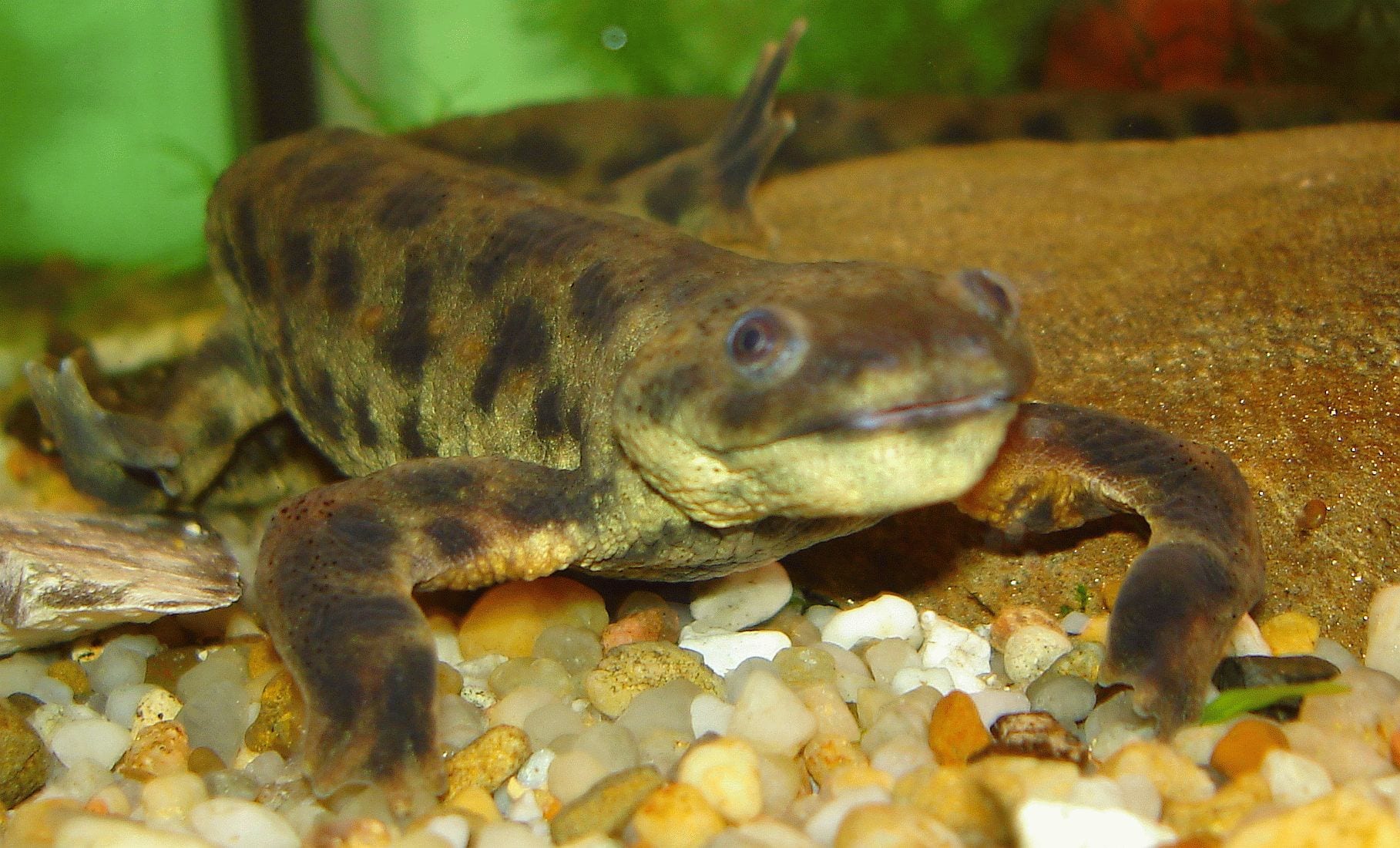
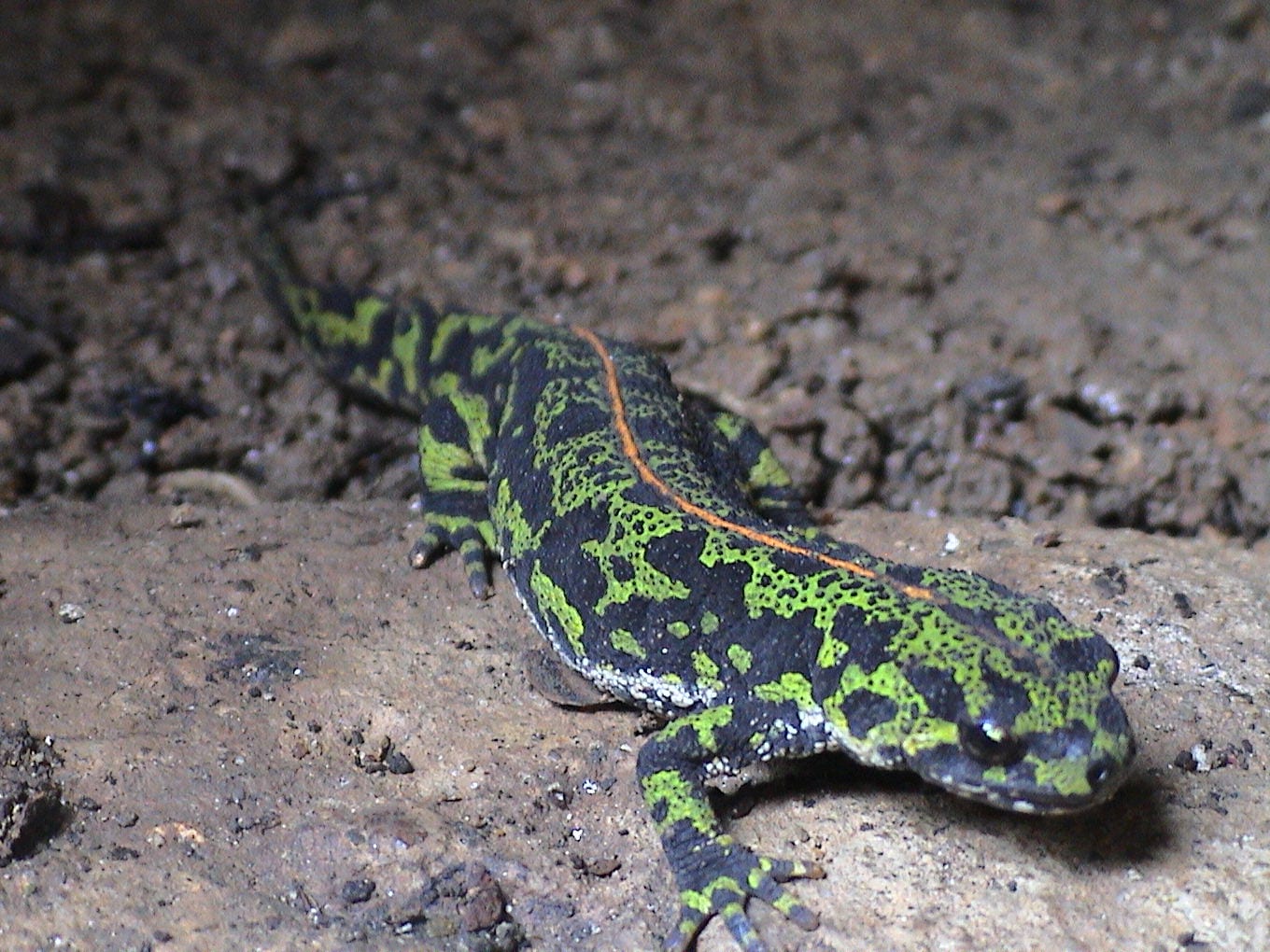
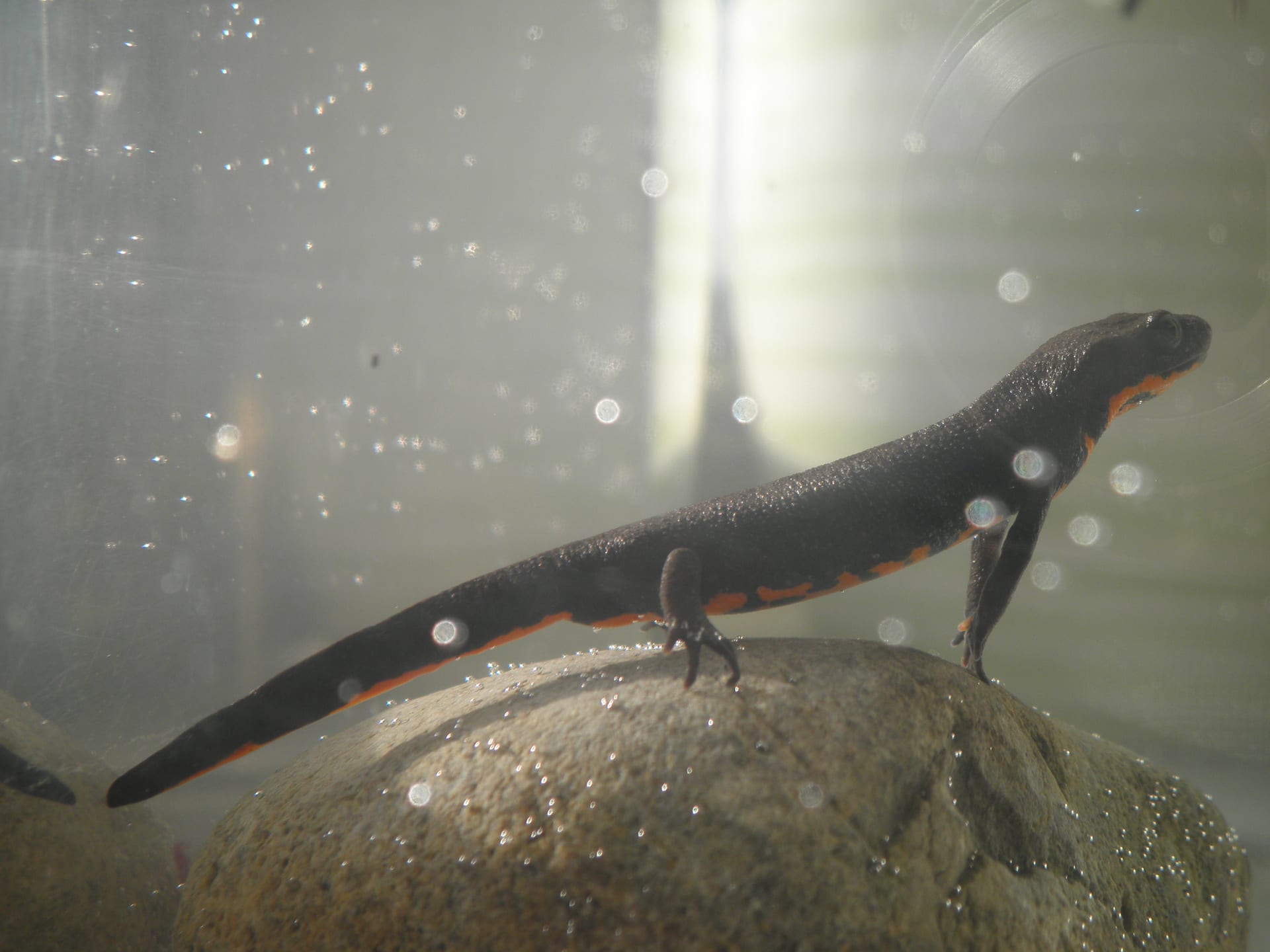
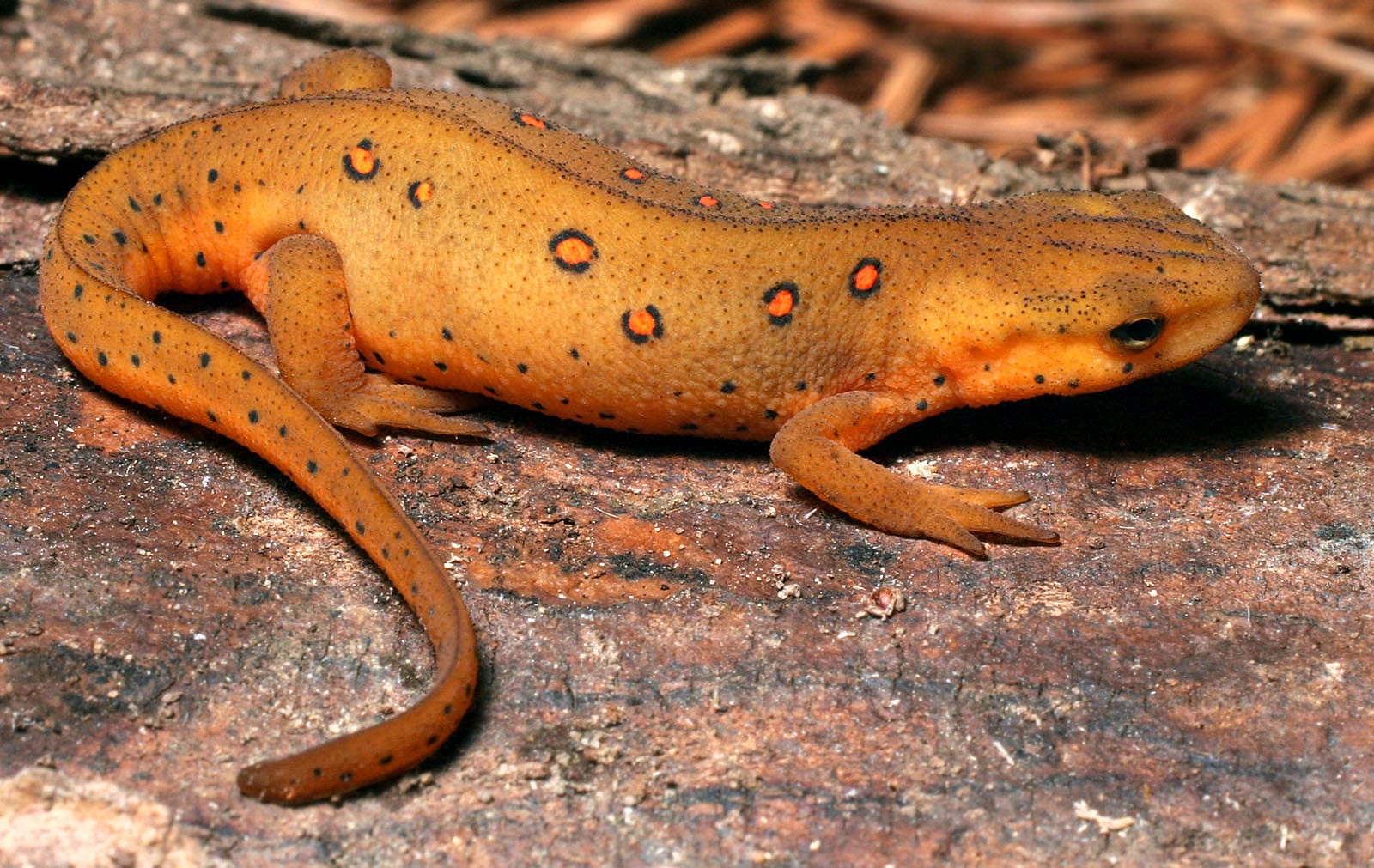
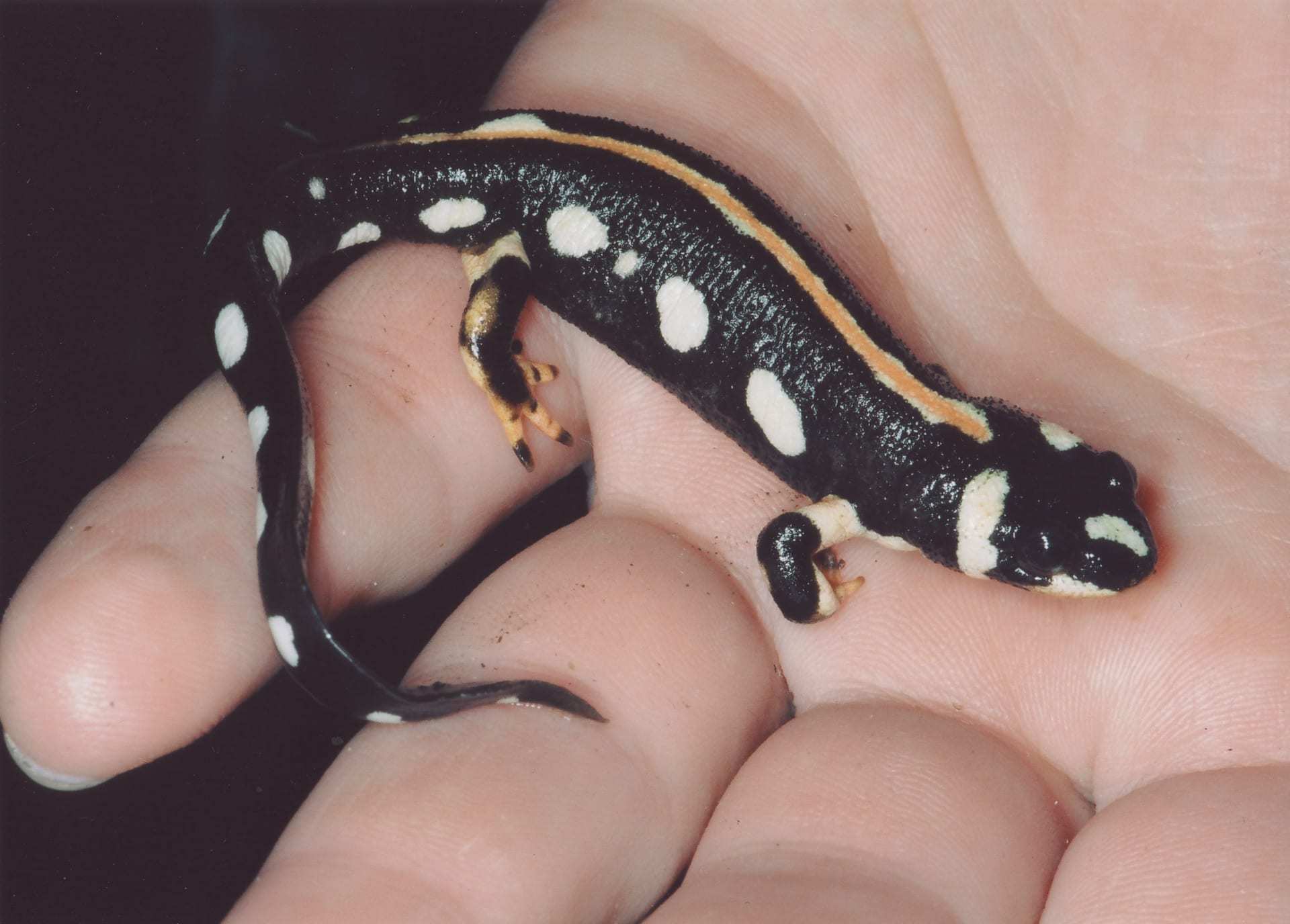
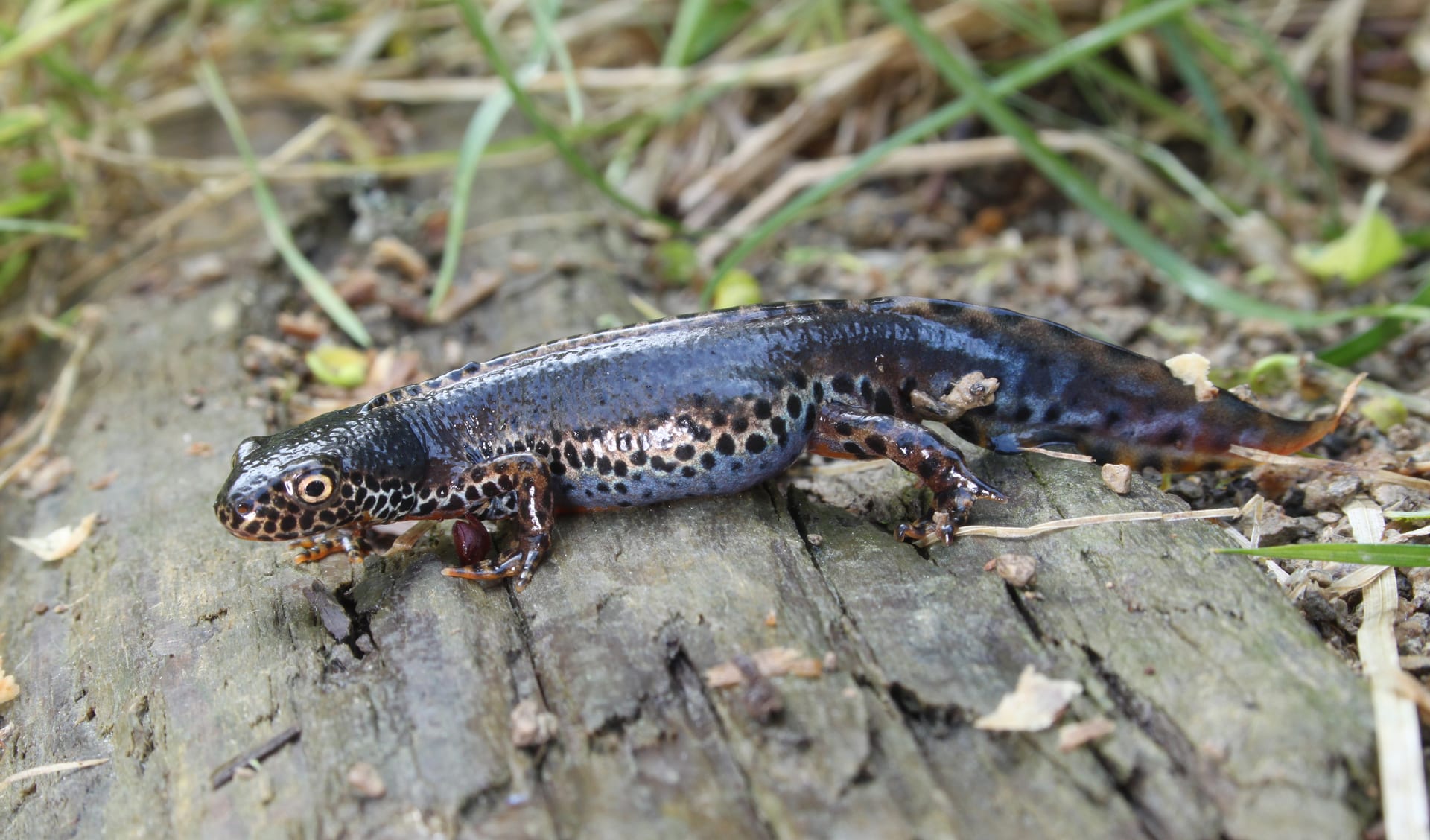
A newt widespread across continental Europe. The back and sides are dark grey to blue and the belly and throat a plain orange. Breeding males show a low crest barred in black and yellow and a strong blue flush on the flanks.
Difficulty
Intermediate
Temperature
10〜18℃
Size
7-12cm
Humidity
40〜70%
Diet
Earthworms, maggots, frozen bloodworms, daphnia and whiteworms
About
Ichthyosaura alpestris is a newt widespread across continental Europe, measuring 7-12 cm, with larger animals in some high-altitude populations. The back and sides are dark grey to blue-grey, while the belly and throat are a plain, unspotted orange or red. Males are smaller and slimmer than females but more brightly coloured, and in the breeding season develop a low crest barred black and yellow along with a strong blue flush on the flanks. Despite its name it lives in lowlands as well as mountains, spending most of the year on land in woodland and migrating to puddles, ponds and lakes to breed. Females fold their eggs into the leaves of water plants. Larvae reach about 5 cm in three months before metamorphosing, although southern populations often stay aquatic as paedomorphs. In captivity never let the temperature exceed 23 C; 10-18 C is preferred. Provide at least 20 cm of water depth and avoid strong currents.
Source: Wikipedia (CC BY-SA 4.0)
Size of the Alpine Newt
The Alpine Newt grows to 7-12cm.
Temperature & humidity for the Alpine Newt
The ideal temperature for the Alpine Newt is 10〜18℃.
Basic Info
Origin
Continental Europe, from the mountains to the lowlands; introduced to Great Britain and New Zealand
Size
7-12cm
Temperature
10〜18℃
Humidity
Care Specifications
PeacefulGroupBreeding: Moderate
Sources: Caudata Culture: Triturus (Ichthyosaura) alpestris / Wikipedia (English)
References & Sources
Edited & verified by: BreederDirect editorial team
The taxonomic, regulatory, and husbandry data on this page are compiled and verified against the authoritative primary sources below.
Taxonomy & Authority
Accepted name: Ichthyosaura alpestris (Laurenti, 1768)
Synonyms: Triturus alpestris (Laurenti, 1768), Mesotriton alpestris (Laurenti, 1768), Hemitriton alpestris (Laurenti, 1768)
Authority databases: GBIF
Nomenclature follows global taxonomic authority databases.
Regulations & Conservation Status
Not CITES-listedIUCN LC · Least Concern
Sources: CITES Appendices (species not listed) / IUCN Red List
Regulations may change. Always verify the latest information with the relevant authorities.
Alpine Newt Listings
Loading latest listingsFind listings for this species