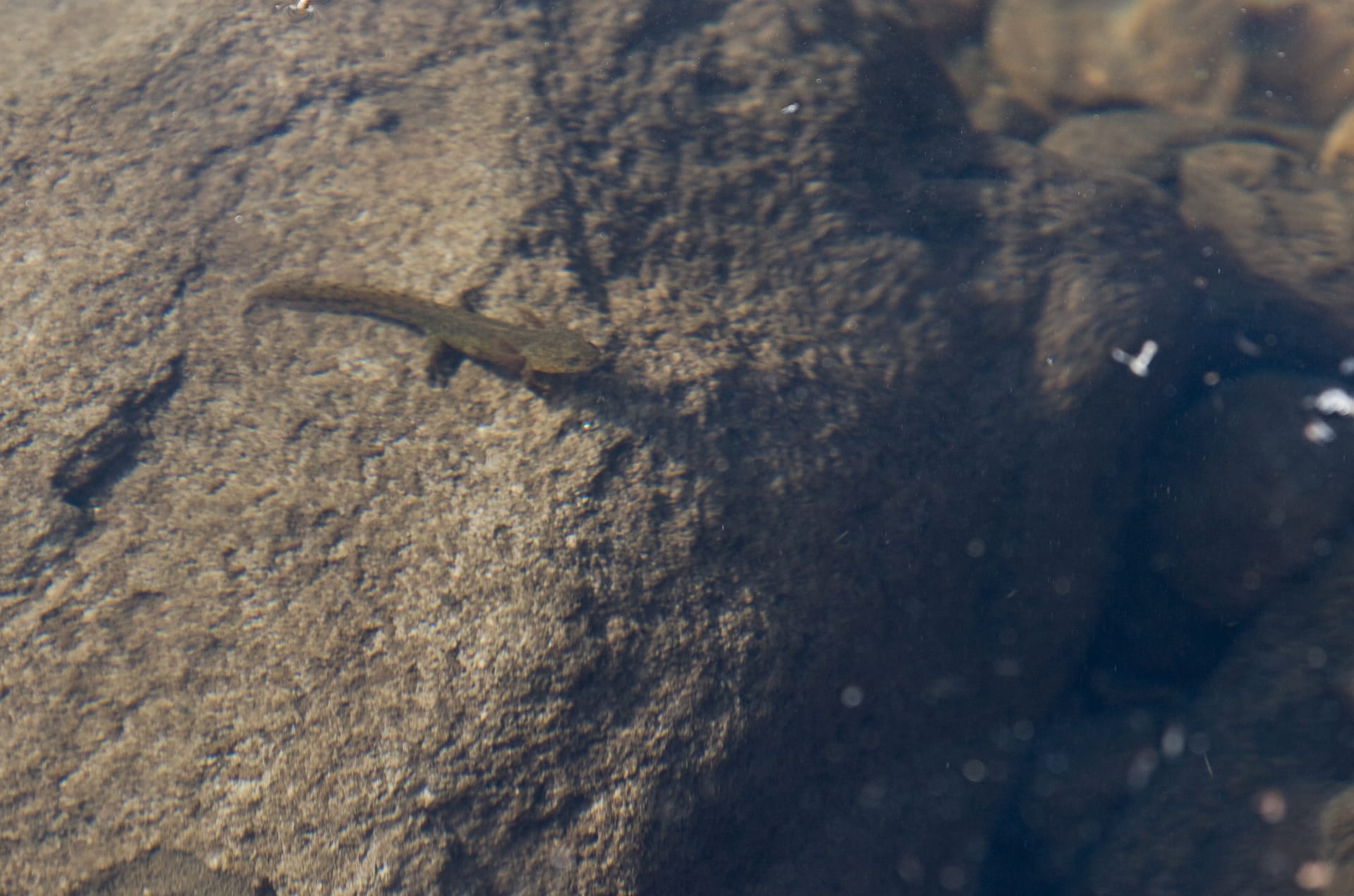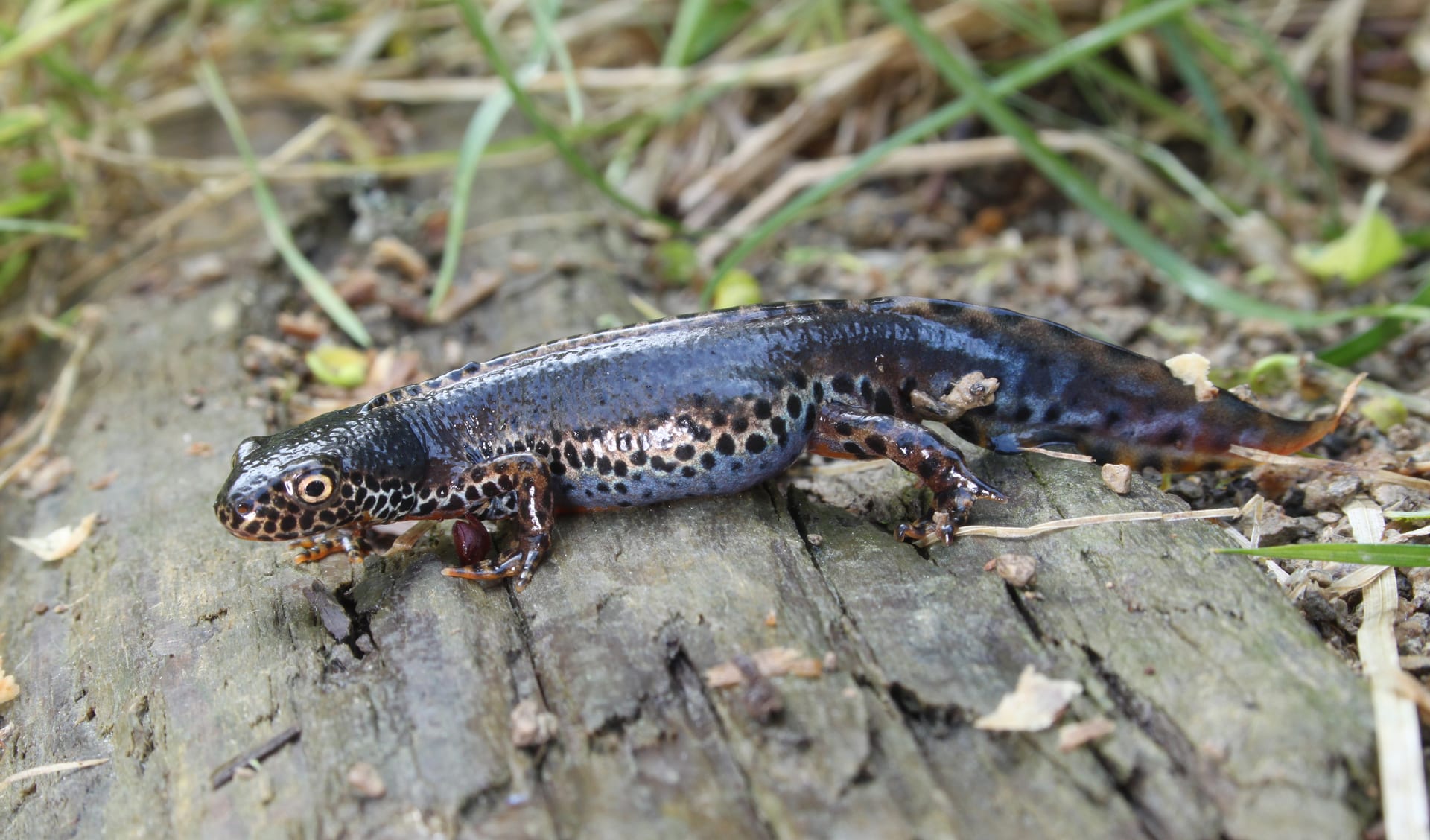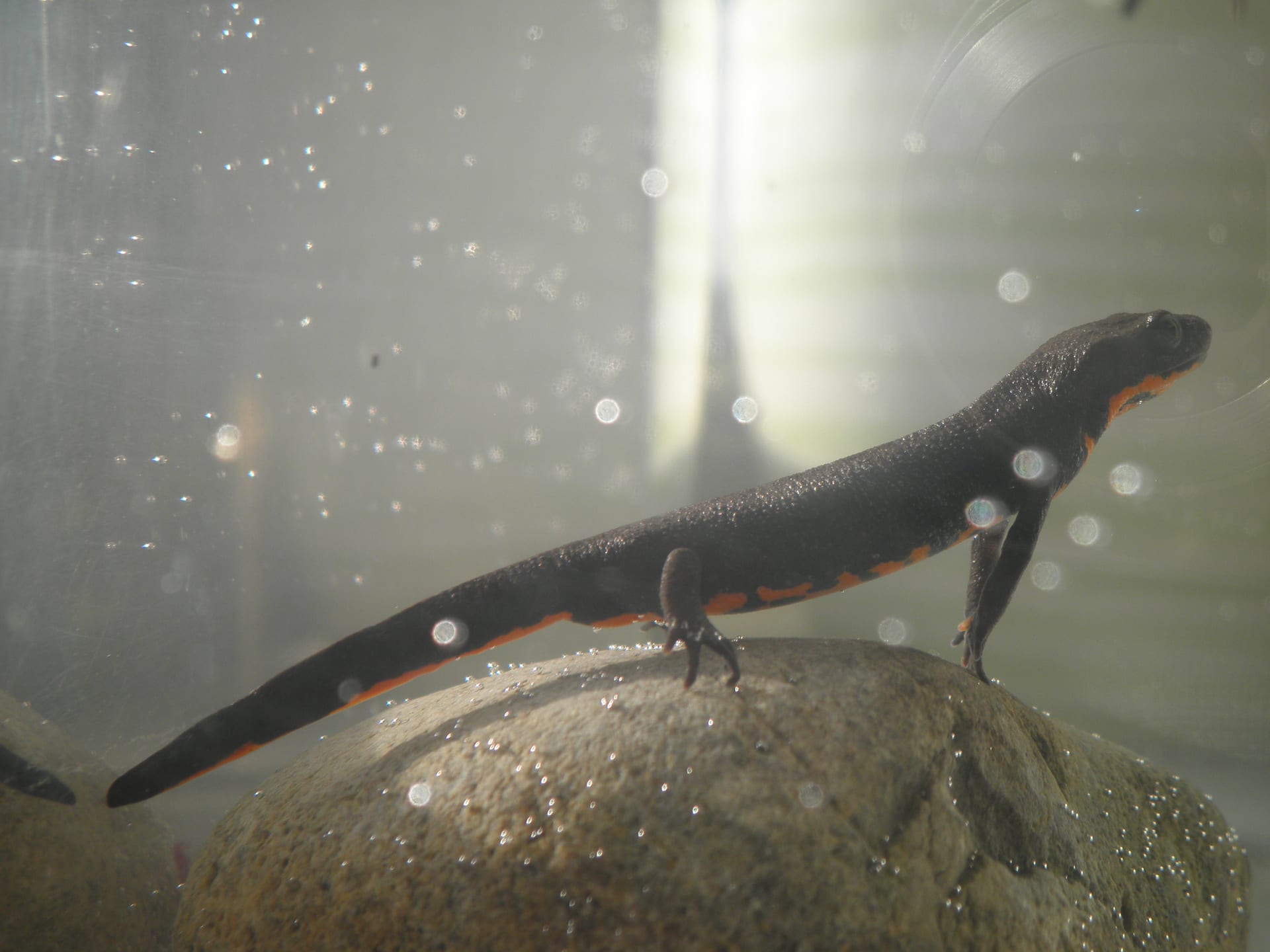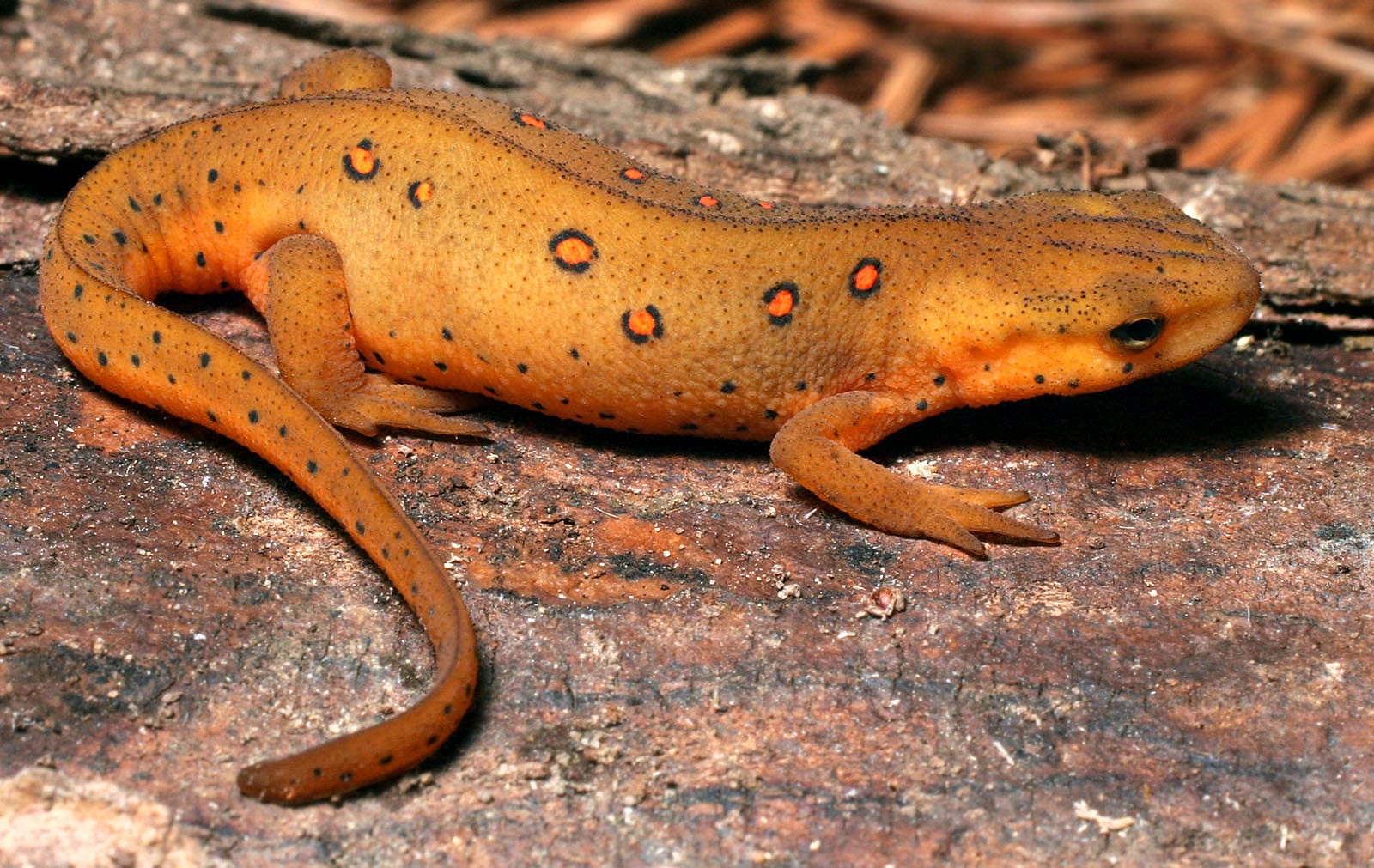
Source: Wikimedia Commons
Sword-Tailed Newt
BeginnerCynops ensicauda
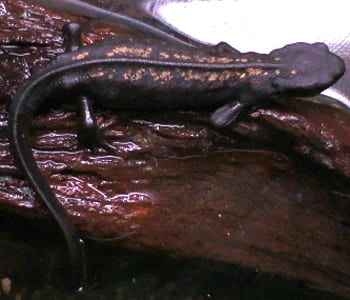
The largest member of the genus Cynops, endemic to the Amami and Okinawa island groups. The back is black with lichen-like pale markings or an orange dorsal stripe, and the underside is red-orange. Being subtropical, it tolerates warmth better than its relatives.
Difficulty
Beginner
Temperature
20〜24℃
Lifespan
Over 20 years in captivity, with a record exceeding 36 years
Size
11-18cm
Humidity
40〜70%
Diet
Frozen bloodworms, tubifex, prepared foods and small insects
About
Cynops ensicauda is a Japanese endemic newt restricted to the Amami and Okinawa island groups, and the largest species in its genus. Males reach 12.7 cm and females 18 cm, though 11-14 cm is usual. The back is black, sometimes with lichen-like pale markings or an orange middorsal stripe, and the underside is red, orange or yellow with irregular black blotches. The Amami and Okinawa populations are treated by some authorities as separate subspecies. It is most common in slow or standing water such as paddies, roadside ditches and farm ponds, and both adults and juveniles may spend long periods on land. Being subtropical it tolerates heat better than other Cynops, enduring water up to 30 C in summer. Keep it at 20-24 C year round, dropping to 12-16 C for about eight weeks in winter if breeding is the aim. Development and collection for the pet trade have reduced numbers, and Japan's Ministry of the Environment Red List treats it as Near Threatened.
Source: Wikipedia (CC BY-SA 4.0)
Lifespan of the Sword-Tailed Newt
The Sword-Tailed Newt lives Over 20 years in captivity, with a record exceeding 36 years.
Size of the Sword-Tailed Newt
The Sword-Tailed Newt grows to 11-18cm.
Temperature & humidity for the Sword-Tailed Newt
The ideal temperature for the Sword-Tailed Newt is 20〜24℃.
Basic Info
Origin
Japan (endemic to the Amami and Okinawa island groups)
Care Specifications
PeacefulGroupBreeding: Moderate
Sources: Caudata Culture: Cynops ensicauda / Wikipedia (English) / Wikipedia (Japanese)
References & Sources
Edited & verified by: BreederDirect editorial team
The taxonomic, regulatory, and husbandry data on this page are compiled and verified against the authoritative primary sources below.
Taxonomy & Authority
Accepted name: Cynops ensicauda (Hallowell, 1861)
Synonyms: Cynops ensicauda ensicauda (Hallowell, 1861), Cynops ensicauda popei (Inger, 1947), Diemictylus ensicauda (Hallowell, 1861)
Authority databases: GBIF
Nomenclature follows global taxonomic authority databases.
Regulations & Conservation Status
Not CITES-listedIUCN VU · Vulnerable
日本固有種で、環境省レッドリストでは準絶滅危惧(NT)。環境省「国内希少野生動植物種一覧」(令和7年2月更新)には掲載がなく、種の保存法の規制対象ではないため譲渡・販売自体に制限はないが、野生個体の採集圧が減少要因とされているため飼育下繁殖個体を選ぶことが望ましい。
Sources: CITES Appendices (species not listed) / IUCN Red List / Ministry of the Environment, Japan: List of National Endangered Species
Regulations may change. Always verify the latest information with the relevant authorities.
Sword-Tailed Newt Listings
Loading latest listingsFind listings for this species