Source: Wikimedia Commons
Forest Green Tree Frog
IntermediateZhangixalus arboreus
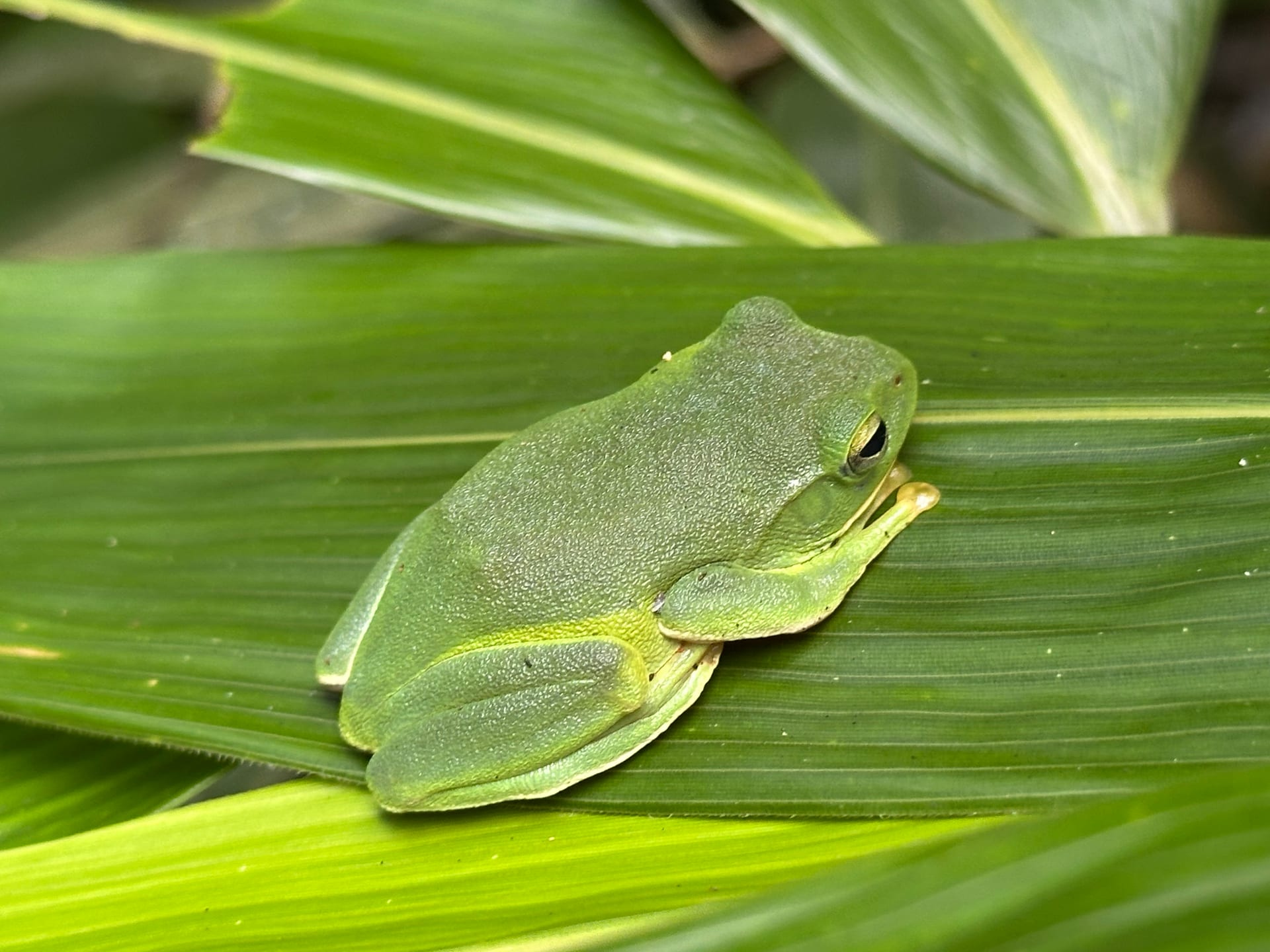
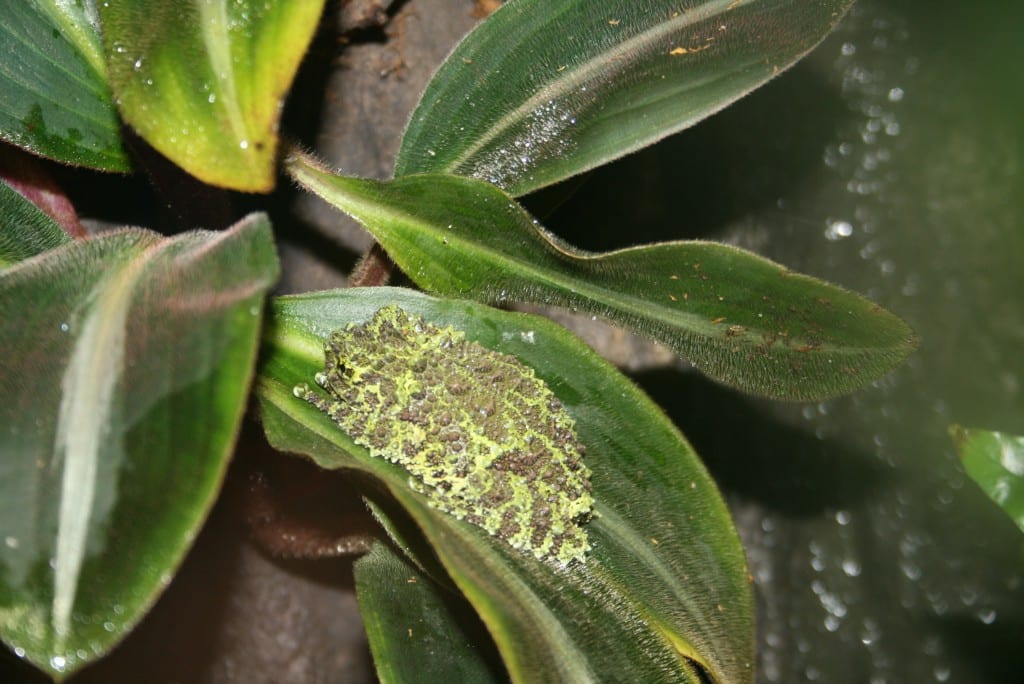
A Japanese endemic rhacophorid famous for the white foam nests it attaches to branches overhanging water. The back is green with fine reddish-brown mottling and the iris is red-brown.
Difficulty
Intermediate
Temperature
25〜32℃
Lifespan
5-10 years
Size
4.2-8.2cm
Humidity
40〜70%
Diet
Spiders and insects such as grasshoppers
About
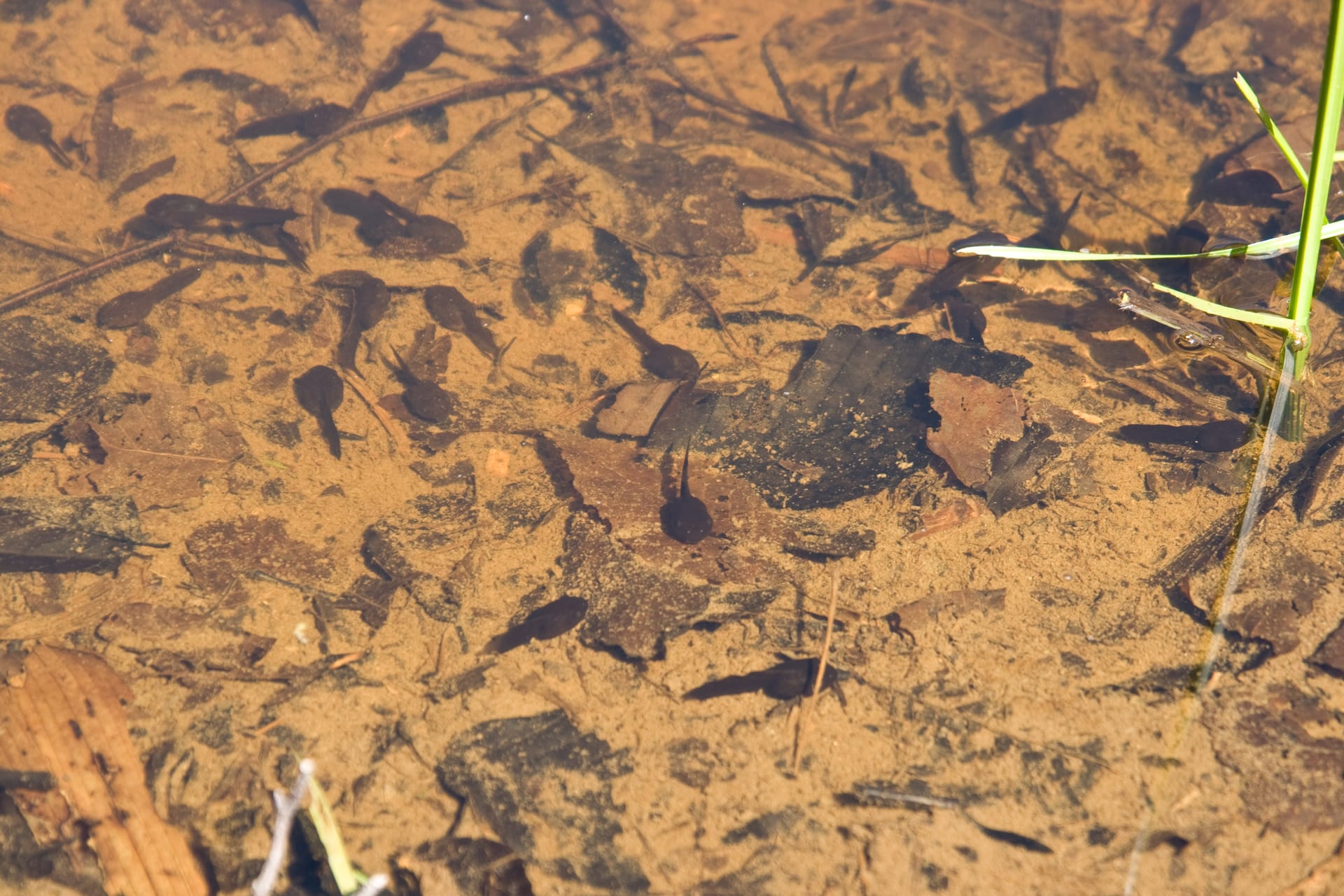
Zhangixalus arboreus is a rhacophorid endemic to Honshu, Japan, recorded from 10 to 2,350 m. Males reach 4.2-6 cm and females 5.9-8.2 cm, noticeably larger than Zhangixalus schlegelii. The back is green with fine reddish-brown mottling, though the pattern varies greatly and some animals are almost unmarked; the red-brown iris is distinctive. It is commonest in hill country, living in forest outside the breeding season and gathering at ponds, paddies and marshes from April to July. Stomach analyses show adults feed mainly on spiders and grasshoppers. It is famous for the foam nests it builds on branches overhanging water, from which the tadpoles wriggle free and drop in. The breeding sites at Heibushi Pond in Kawauchi, Fukushima and Oage Pond in Hachimantai, Iwate are national natural monuments, and several prefectures list the species as threatened or near-threatened.
Source: Wikipedia (CC BY-SA 4.0)
Lifespan of the Forest Green Tree Frog
The Forest Green Tree Frog lives 5-10 years.
Size of the Forest Green Tree Frog
The Forest Green Tree Frog grows to 4.2-8.2cm.
Basic Info
Origin
Endemic to Japan (Honshu, recorded from 10 to 2,350 m)
Lifespan
5-10 years
Size
4.2-8.2cm
Temperature
Care Specifications
PeacefulSolitary
Sources: Wikipedia (Japanese) / Wikipedia (English) / GBIF
References & Sources
Edited & verified by: BreederDirect editorial team
The taxonomic, regulatory, and husbandry data on this page are compiled and verified against the authoritative primary sources below.
Taxonomy & Authority
Accepted name: Zhangixalus arboreus (Okada & Kawano, 1924)
Synonyms: Rhacophorus arboreus (Okada & Kawano, 1924), Polypedates schlegelii arborea Okada & Kawano, 1924
Authority databases: GBIF
Nomenclature follows global taxonomic authority databases.
Regulations & Conservation Status
Not CITES-listedIUCN LC · Least Concern
Domestic law: Collection is prohibited at the national natural monuments "Hirabusse-numa Mori Aogaeru breeding site" (Kawachi Village, Fukushima Prefecture, designated 1941) and "Taiyō-numa Mori Aogaeru and its breeding site" (Hachimantai City, Iwate Prefecture, designated 1972) under the Cultural Properties Protection Act. Multiple designated breeding sites also exist at the prefectural and municipal levels.
Sources: CITES Appendices (species not listed) / IUCN Red List / Wikipedia (Japanese)
Regulations may change. Always verify the latest information with the relevant authorities.
Forest Green Tree Frog Listings
Loading latest listingsFind listings for this species