Source: Wikimedia Commons
Japanese Black Salamander
IntermediateHynobius nigrescens
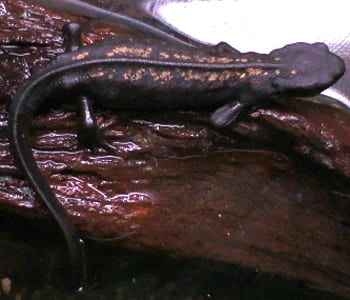
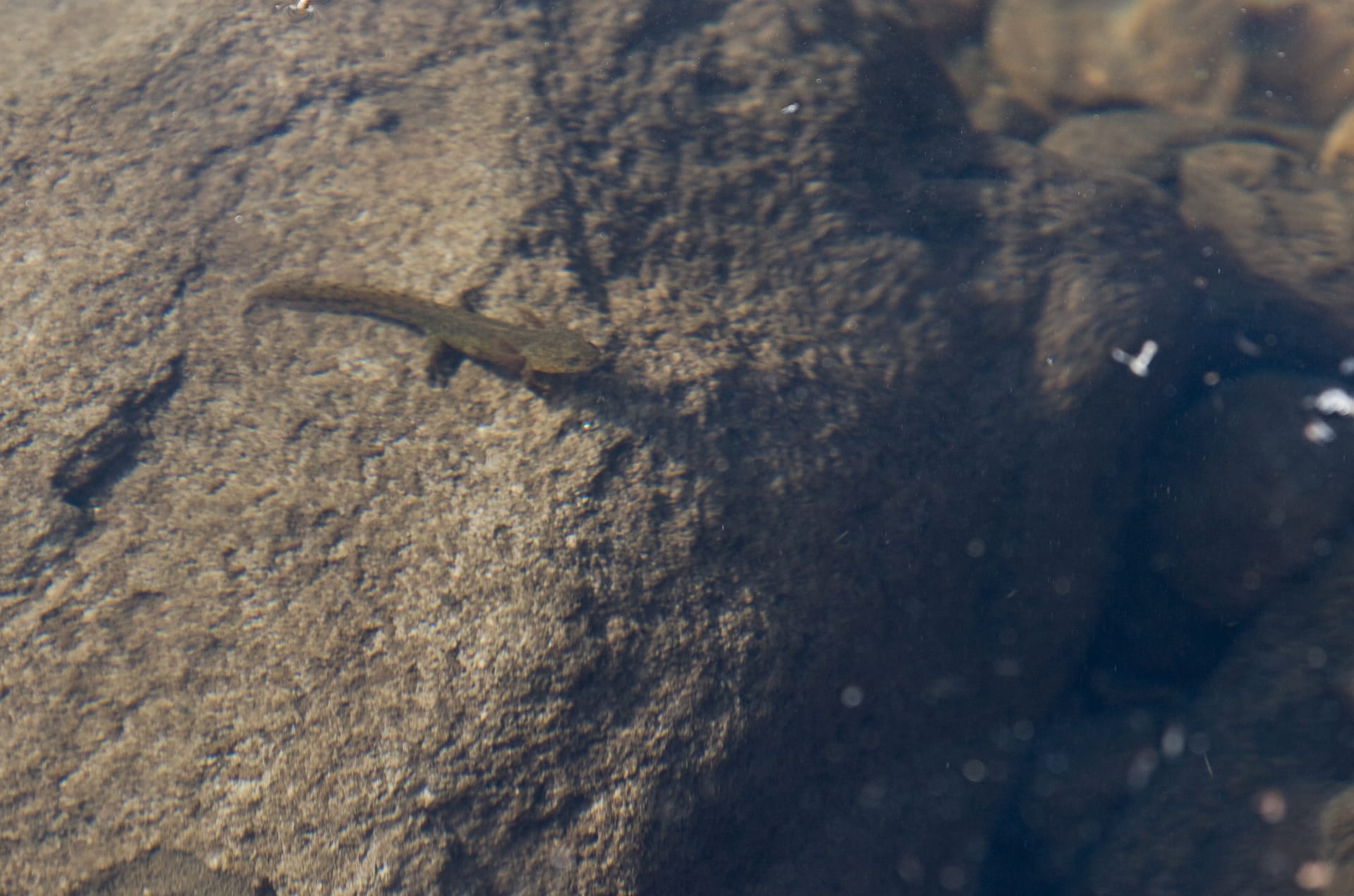
A salamander endemic to the mountains of northern and central Japan. It reaches 13-16 cm, is dark brown, and has eleven costal grooves on each flank. It is known for laying white egg sacs shaped like akebi fruit.
Difficulty
Intermediate
Temperature
25〜32℃
Lifespan
8-12 years
Size
13-16cm
Humidity
40〜70%
Diet
Insects, arthropods and earthworms
About
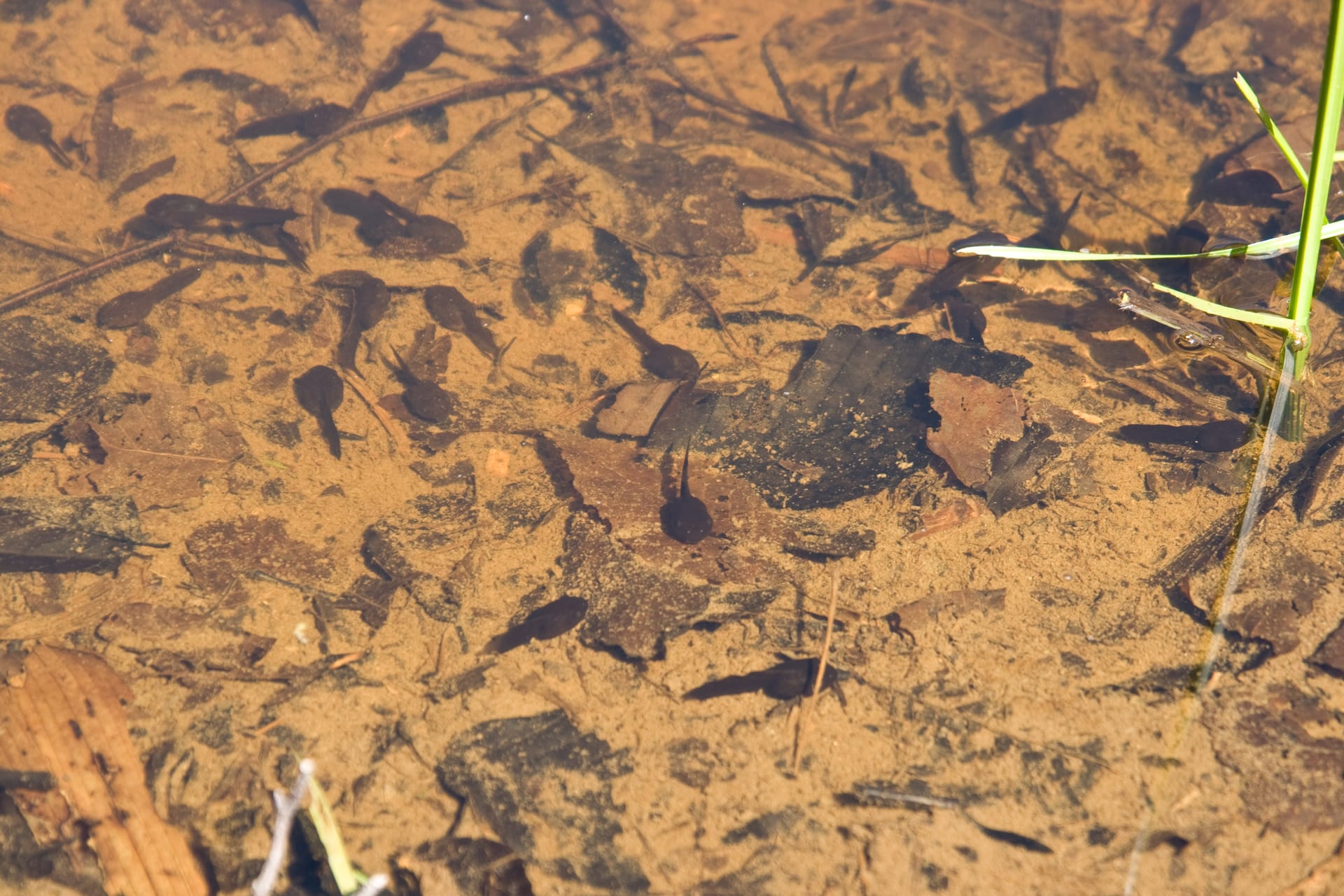
Hynobius nigrescens is a hynobiid salamander endemic to Japan, occurring in the mountains from Tohoku through Hokuriku and central Honshu, including Sado Island. It reaches 13-16 cm and is dark brown; the specific name nigrescens means blackish. Eleven costal grooves run along each flank, and the tail is long and laterally compressed. It is a still-water breeder, and its larvae have three pairs of external gills plus balancers below the eyes, organs of unknown function that disappear once the forelimbs develop. It is nocturnal, sheltering under stones and leaf litter by day. From February to July it lays a pair of egg sacs in ponds, puddles and marshes; wrapped in a clear layer and a white layer, they resemble akebi fruit and hold 20-80 eggs each, hatching in four to five weeks. Habitat and spawning-site loss, together with predation by introduced raccoons and red swamp crayfish, have reduced numbers, and Japan's Ministry of the Environment Red List treats it as Near Threatened.
Source: Wikipedia (CC BY-SA 4.0)
Lifespan of the Japanese Black Salamander
The Japanese Black Salamander lives 8-12 years.
Size of the Japanese Black Salamander
The Japanese Black Salamander grows to 13-16cm.
Basic Info
Origin
Endemic to Japan (Tohoku, Kanto uplands, Hokuriku and central Honshu, including Sado Island)
Lifespan
8-12 years
Size
13-16cm
Care Specifications
PeacefulSolitaryBreeding: Hard
Sources: Caudata Culture: Hynobius nigrescens / Wikipedia (Japanese) / Wikipedia (English)
References & Sources
Edited & verified by: BreederDirect editorial team
The taxonomic, regulatory, and husbandry data on this page are compiled and verified against the authoritative primary sources below.
Taxonomy & Authority
Accepted name: Hynobius nigrescens Stejneger, 1907
Synonyms: Hynobius fuscus Tago, 1907, Hynobius sadoensis Sato, 1940
Authority databases: GBIF · Amphibian Species of the World
Nomenclature follows global taxonomic authority databases.
Regulations & Conservation Status
Not CITES-listedIUCN LC · Least Concern
This species does not appear in the Ministry of the Environment's list of nationally rare species of wild fauna and flora (updated February of Reiwa 7 / 2025), and as of the time of writing (September 2026) it is not designated as a Class II nationally rare species either. However, in January of Reiwa 4 (2022) many members of the family Hynobiidae, including Hynobius abuensis and Hynobius akiensis, were added to Class II, and the scope of designation is widening. Once a species is designated Class II, transfer for the purpose of sale is prohibited, so check the latest designation status before handling it. The Ministry of the Environment Red List classifies it as Near Threatened (NT).
Sources: CITES Appendices (species not listed) / IUCN Red List / Ministry of the Environment, Japan: List of National Endangered Species
Regulations may change. Always verify the latest information with the relevant authorities.
Japanese Black Salamander Listings
Loading latest listingsFind listings for this species