Source: Wikimedia Commons
Iberian Ribbed Newt
BeginnerPleurodeles waltl
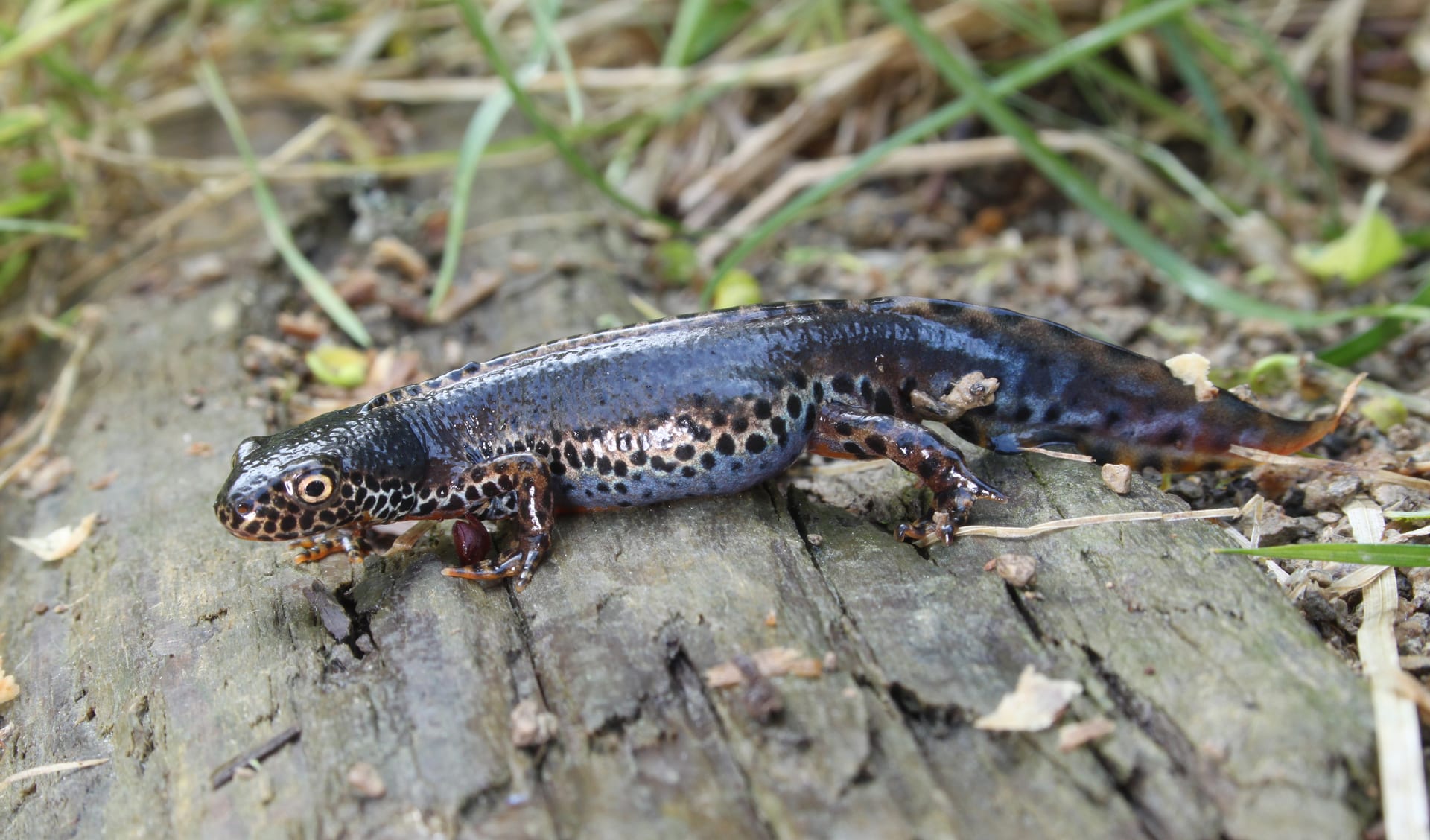
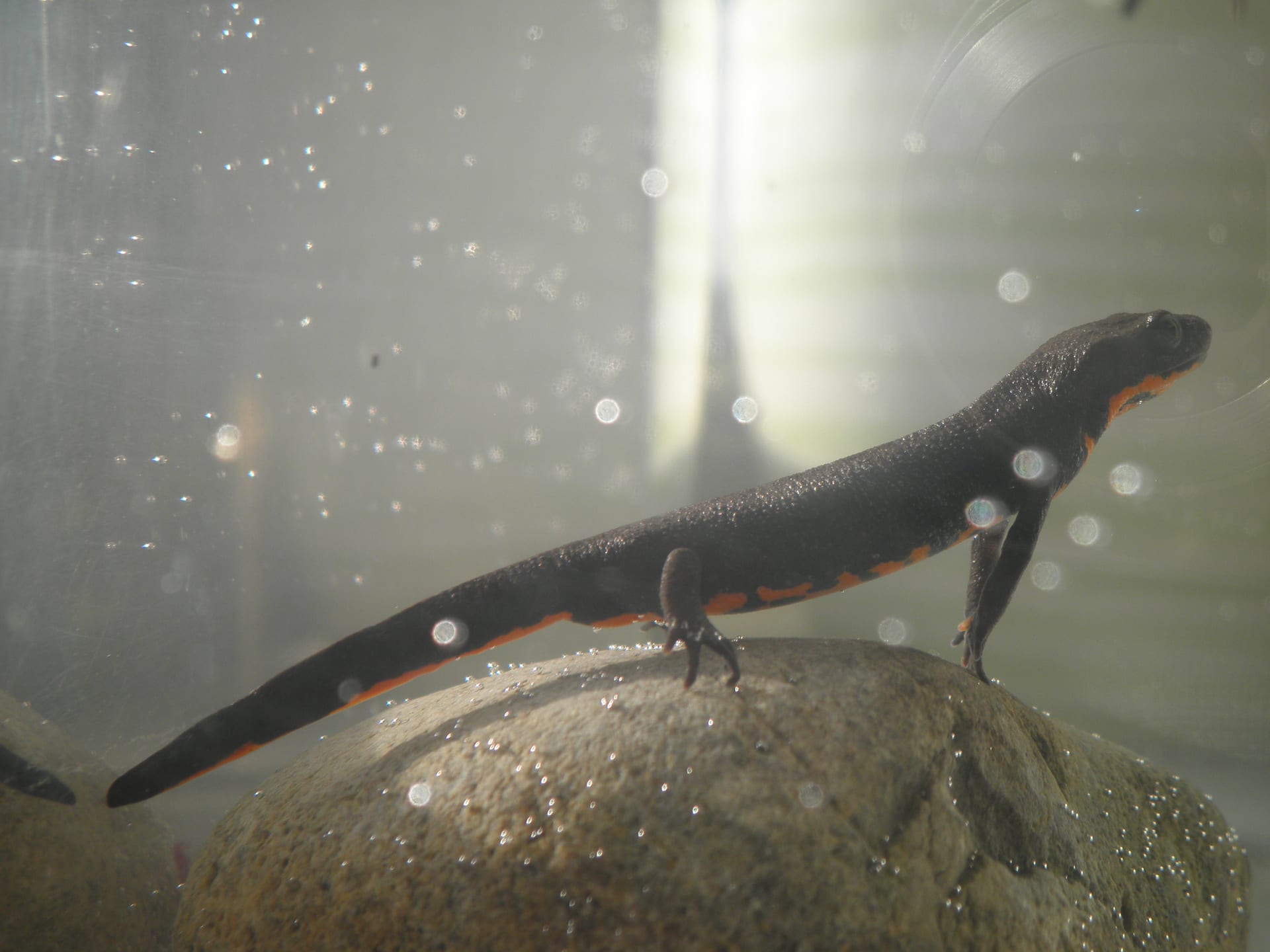
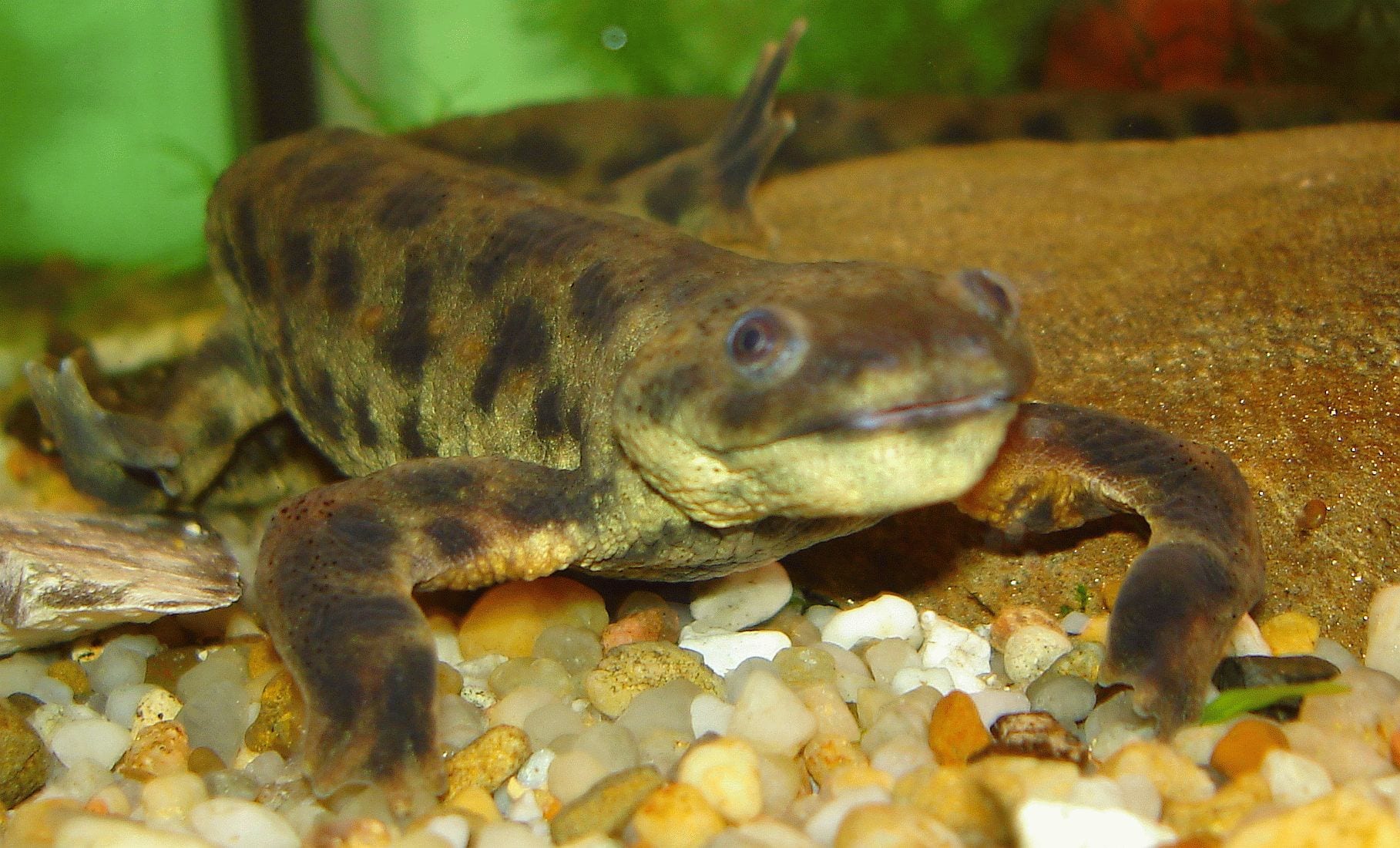
The largest European newt, native to the Iberian Peninsula and Morocco. It defends itself by pushing its sharp ribs out through the orange warts along its flanks. Almost entirely aquatic, it is hardy and breeds readily in captivity.
Difficulty
Beginner
Temperature
21℃
Lifespan
10-15 years
Size
15-20cm (up to 30cm in the wild)
Humidity
40〜70%
Diet
Chopped earthworms, newt and turtle pellets, shrimp pellets, slugs and insects
About
Pleurodeles waltl, the largest newt in Europe, occurs in central and southern Iberia and northern Morocco. Wild animals reach 30 cm, although captives usually stay at 15-20 cm. The body is flattened with a broad flat head, an adaptation for slipping under rocks. Eight to ten pairs of orange tubercles line the flanks, and when threatened the newt pushes its sharp ribs out through them. At the same time glands release a milky toxin, so the protruding ribs inject poison into a predator's mouth. The pierced skin regrows quickly without infection. Its range is arid and drought-prone, so it gathers in whatever water is available, from ponds to irrigation channels, and hides under rocks when the water dries. Keep it in a densely planted aquarium with a small floating land area and a water level of 15-20 cm, preferably below 21 C.
Source: Wikipedia (CC BY-SA 4.0)
Lifespan of the Iberian Ribbed Newt
The Iberian Ribbed Newt lives 10-15 years.
Size of the Iberian Ribbed Newt
The Iberian Ribbed Newt grows to 15-20cm (up to 30cm in the wild).
Temperature & humidity for the Iberian Ribbed Newt
The ideal temperature for the Iberian Ribbed Newt is 21℃.
Basic Info
Origin
Central and southern Iberian Peninsula (Spain, Portugal) and northern Morocco
Lifespan
10-15 years
Care Specifications
PeacefulGroupBreeding: Easy
Sources: Caudata Culture: Pleurodeles waltl / Wikipedia (English)
References & Sources
Edited & verified by: BreederDirect editorial team
The taxonomic, regulatory, and husbandry data on this page are compiled and verified against the authoritative primary sources below.
Taxonomy & Authority
Accepted name: Pleurodeles waltl Michahelles, 1830
Synonyms: Triton costatus Wagler, 1830, Pleurodeles exasperatus Duméril, Bibron & Duméril, 1854, Bradybates ventricosus Tschudi, 1838
Authority databases: GBIF
Nomenclature follows global taxonomic authority databases.
Regulations & Conservation Status
Not CITES-listedIUCN LC · Least Concern
Sources: CITES Appendices (species not listed) / IUCN Red List
Regulations may change. Always verify the latest information with the relevant authorities.
Iberian Ribbed Newt Listings
Loading latest listingsFind listings for this species