Source: Wikimedia Commons
Narrow-bridged Musk Turtle
IntermediateClaudius angustatus
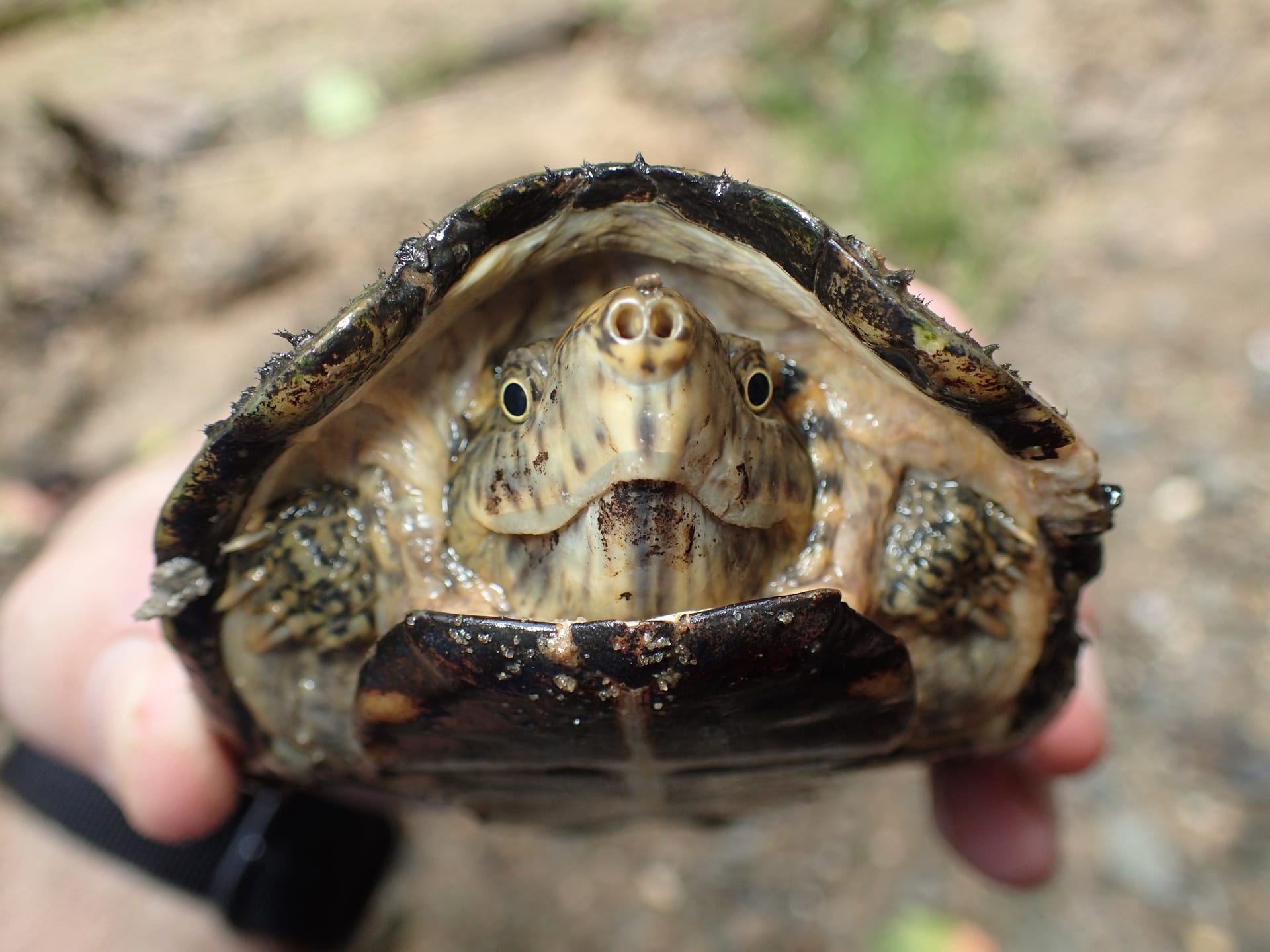
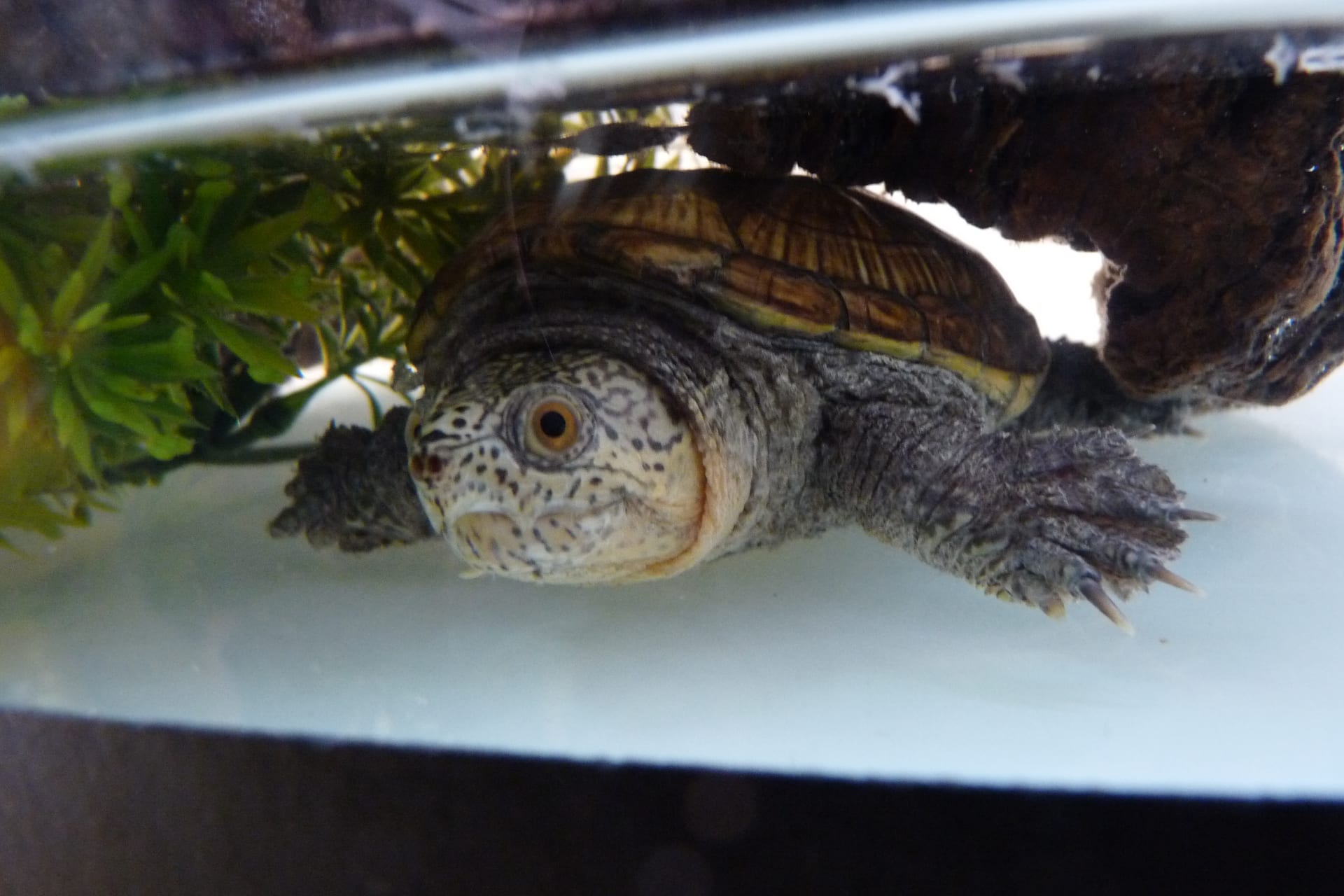
A turtle with a tiny plastron that looks like a bib, which inspired its Japanese name. It has a large head, a sharp beak and three keels along the carapace, and is the only living species of its genus.
Difficulty
Intermediate
Temperature
25〜32℃
Lifespan
up to about 16 years (captive record)
Size
Maximum carapace length about 18 cm (females up to about 15 cm)
Humidity
40〜70%
Diet
Mainly carnivorous (aquatic invertebrates, carrion)
About
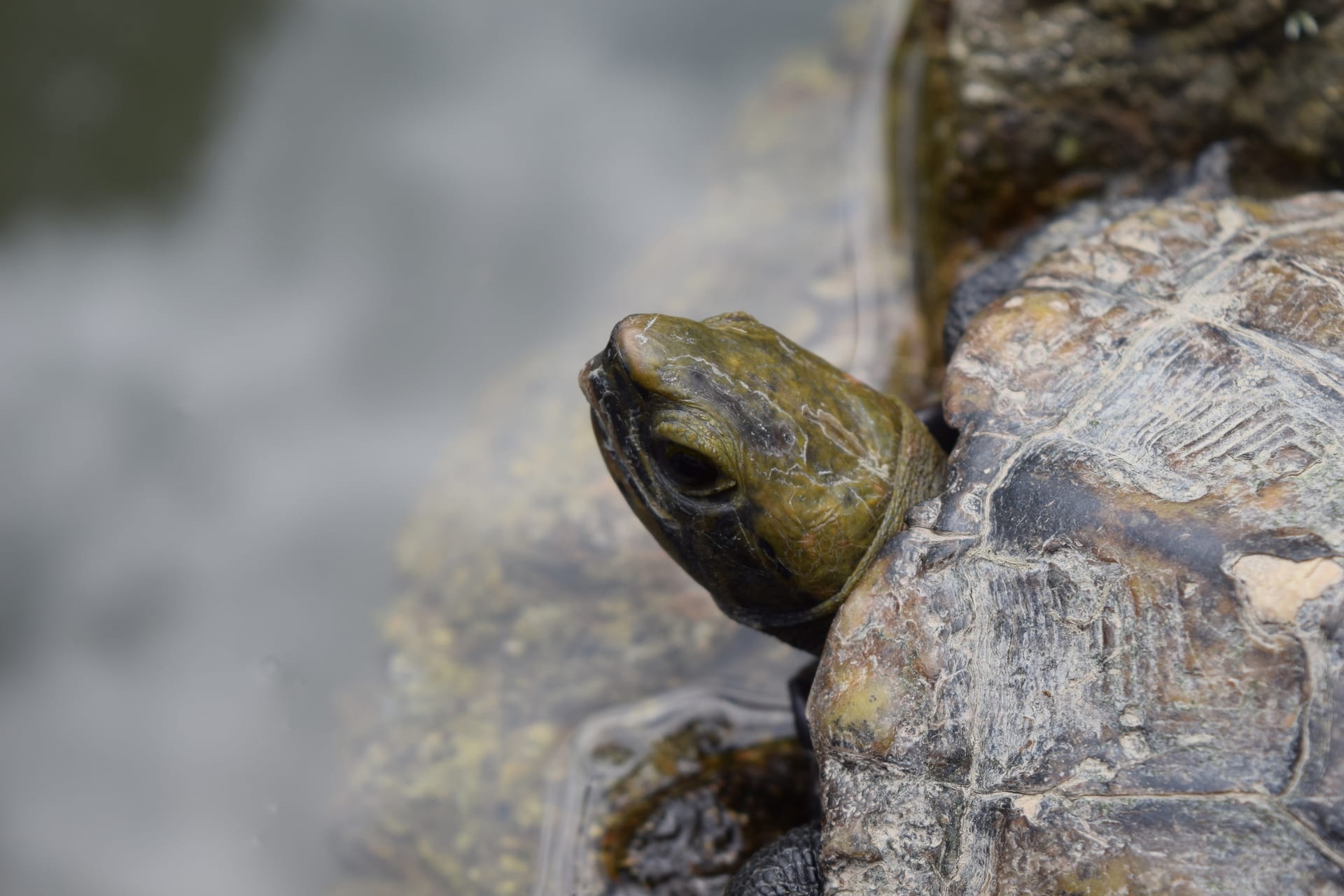
The narrow-bridged musk turtle is a kinosternid in the subfamily Staurotypinae found at low elevations in Mexico (central Veracruz, northern Oaxaca, Chiapas and Tabasco), northern Guatemala and Belize. As of 2010 it is the only living species of Claudius. Maximum carapace length is about 18 cm, and males are larger than females, which reach about 15 cm. The elongated oval carapace has three longitudinal keels that fade with age. It is brown to tan with wood-grain lines and sometimes bright yellow edging, but older animals are often covered with algae that hide the pattern. The English name refers to the narrow bridge between carapace and plastron, which is joined by ligament rather than scutes, and the Japanese name refers to the very small, bib-like plastron. The head is large and bulbous with a sharp beak and a long neck. It is almost entirely aquatic, walking along the bottom of slow creeks and weedy shallow ponds to forage for aquatic insects, other invertebrates and carrion. In Japan it is only occasionally seen in specialist shops.
Source: Wikipedia (CC BY-SA 4.0)
Lifespan of the Narrow-bridged Musk Turtle
The Narrow-bridged Musk Turtle lives up to about 16 years (captive record).
Size of the Narrow-bridged Musk Turtle
The Narrow-bridged Musk Turtle grows to Maximum carapace length about 18 cm (females up to about 15 cm).
Basic Info
Origin
Lowlands of south-eastern Mexico, northern Guatemala and Belize
Lifespan
up to about 16 years (captive record)
References & Sources
Edited & verified by: BreederDirect editorial team
The taxonomic, regulatory, and husbandry data on this page are compiled and verified against the authoritative primary sources below.
Taxonomy & Authority
Accepted name: Claudius angustatus Cope, 1865
Synonyms: Claudius megalocephalus Bocourt, 1868
Authority databases: GBIF · The Reptile Database: Claudius angustatus · GBIF: Claudius angustatus
Nomenclature follows global taxonomic authority databases.
Regulations & Conservation Status
CITES Appendix II
Listed in CITES Appendix II. International trade requires an export permit from the country of origin, but no registration is needed to keep or transfer the animal within Japan. It has been listed since 23 February 2023.
Sources: Species+ (CITES): Claudius angustatus
Regulations may change. Always verify the latest information with the relevant authorities.
Narrow-bridged Musk Turtle Listings
Loading latest listingsFind listings for this species