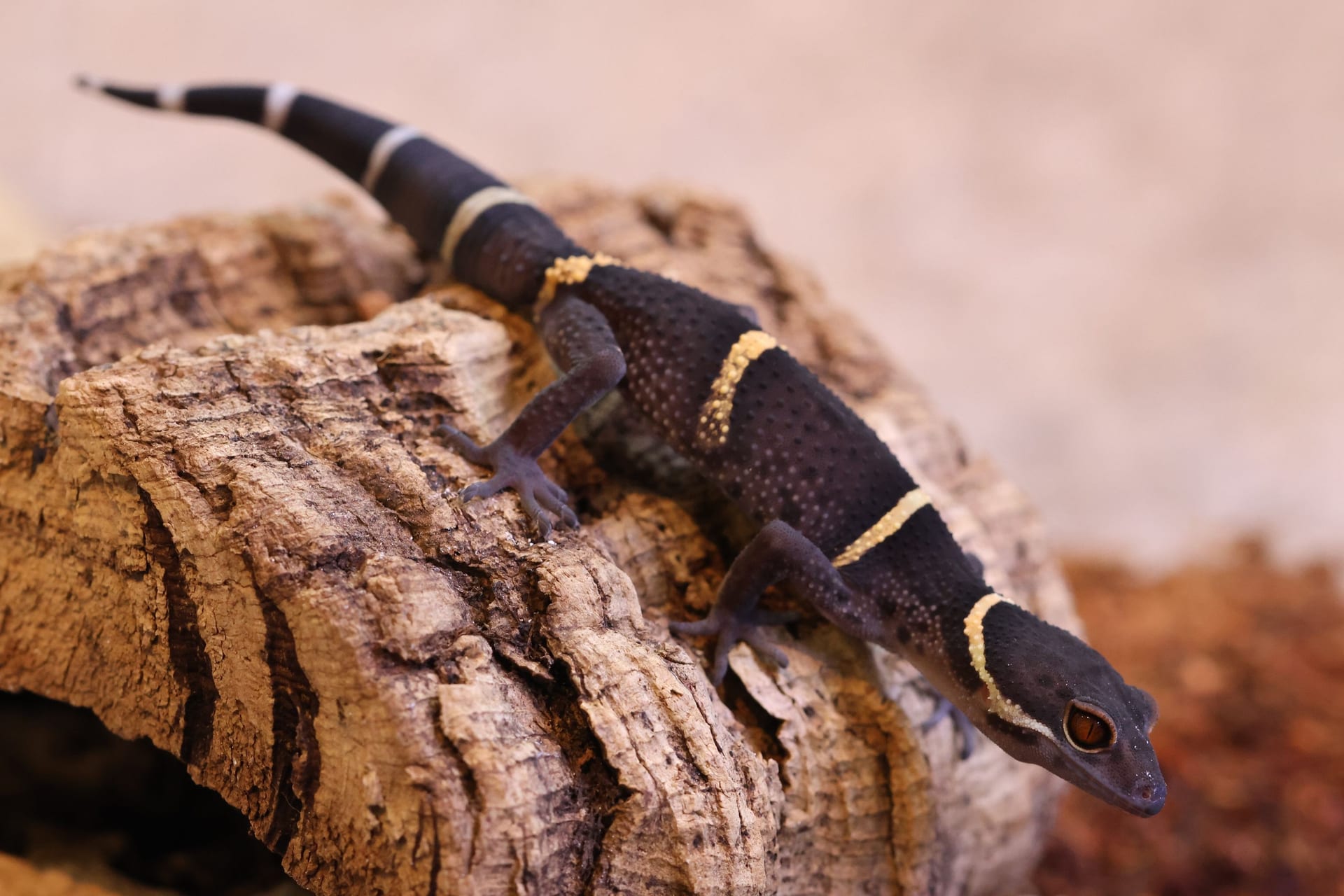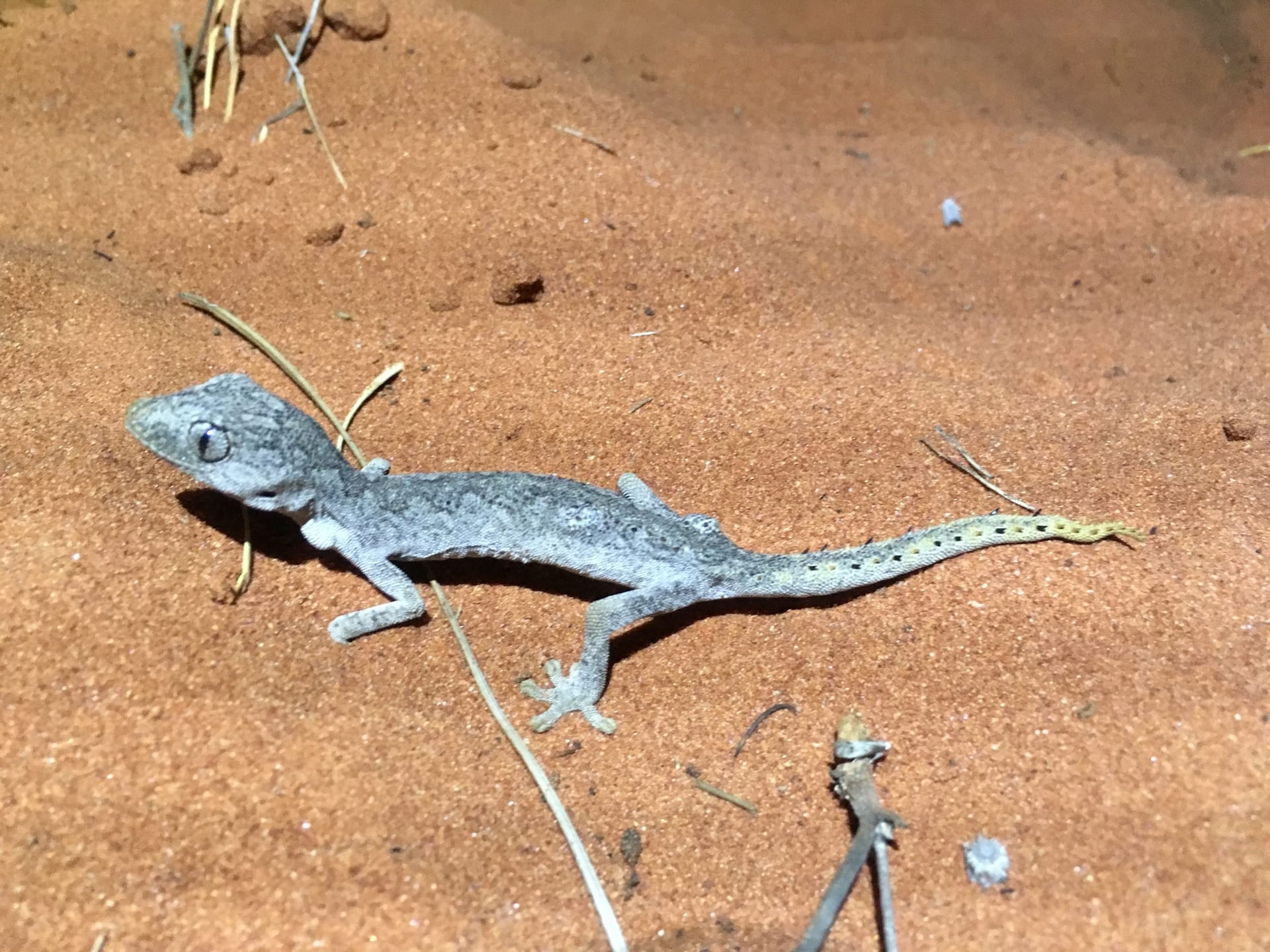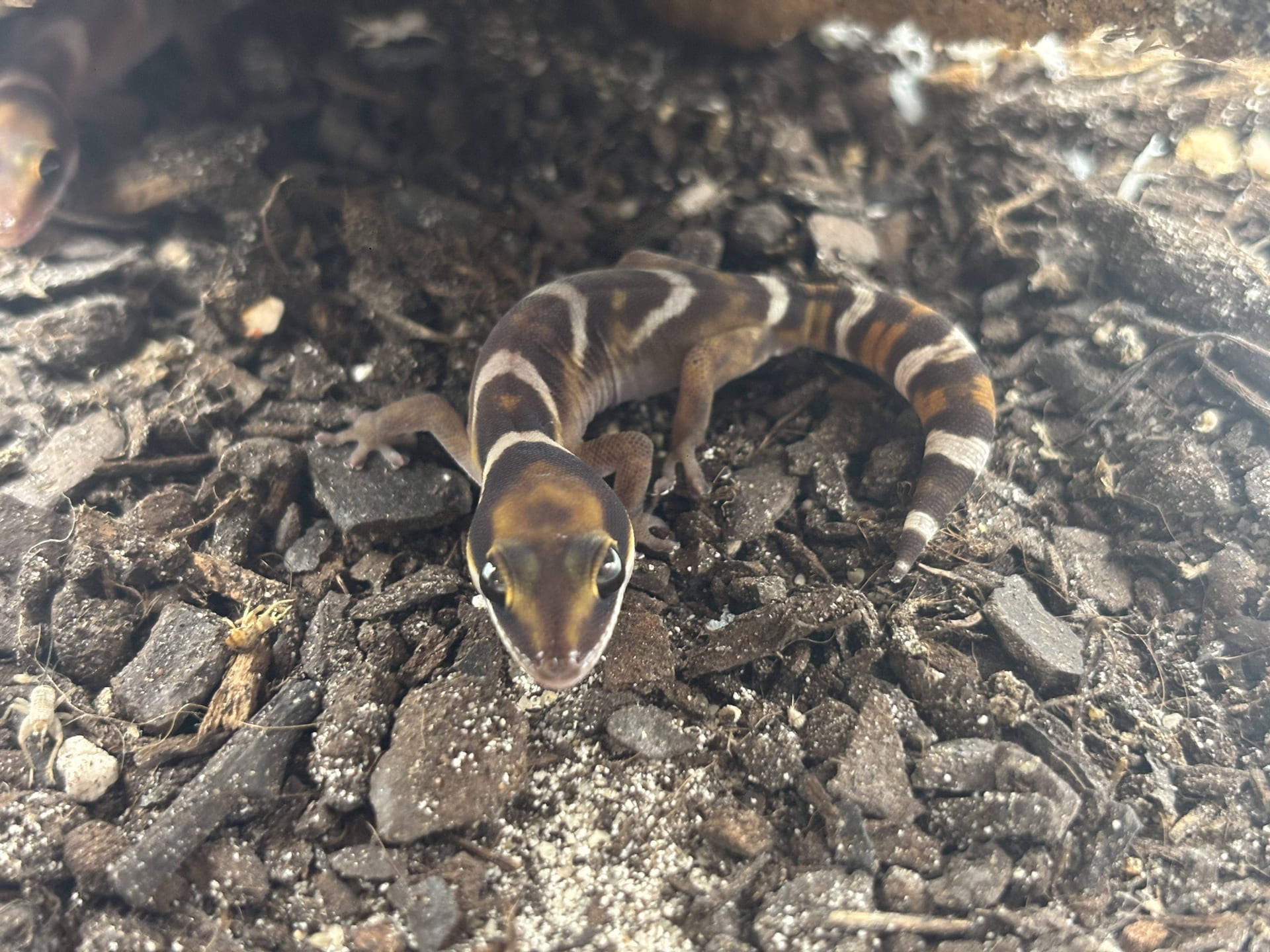
Source: Wikimedia Commons
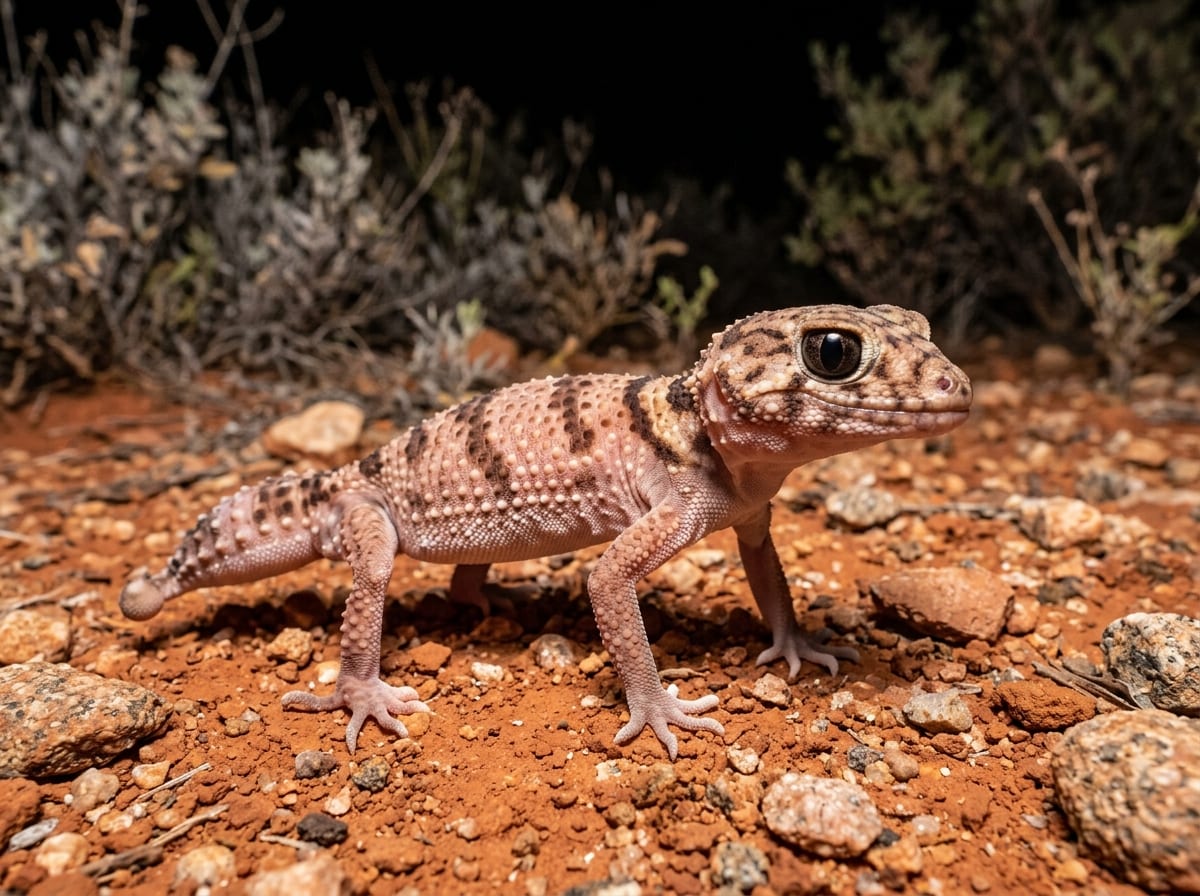
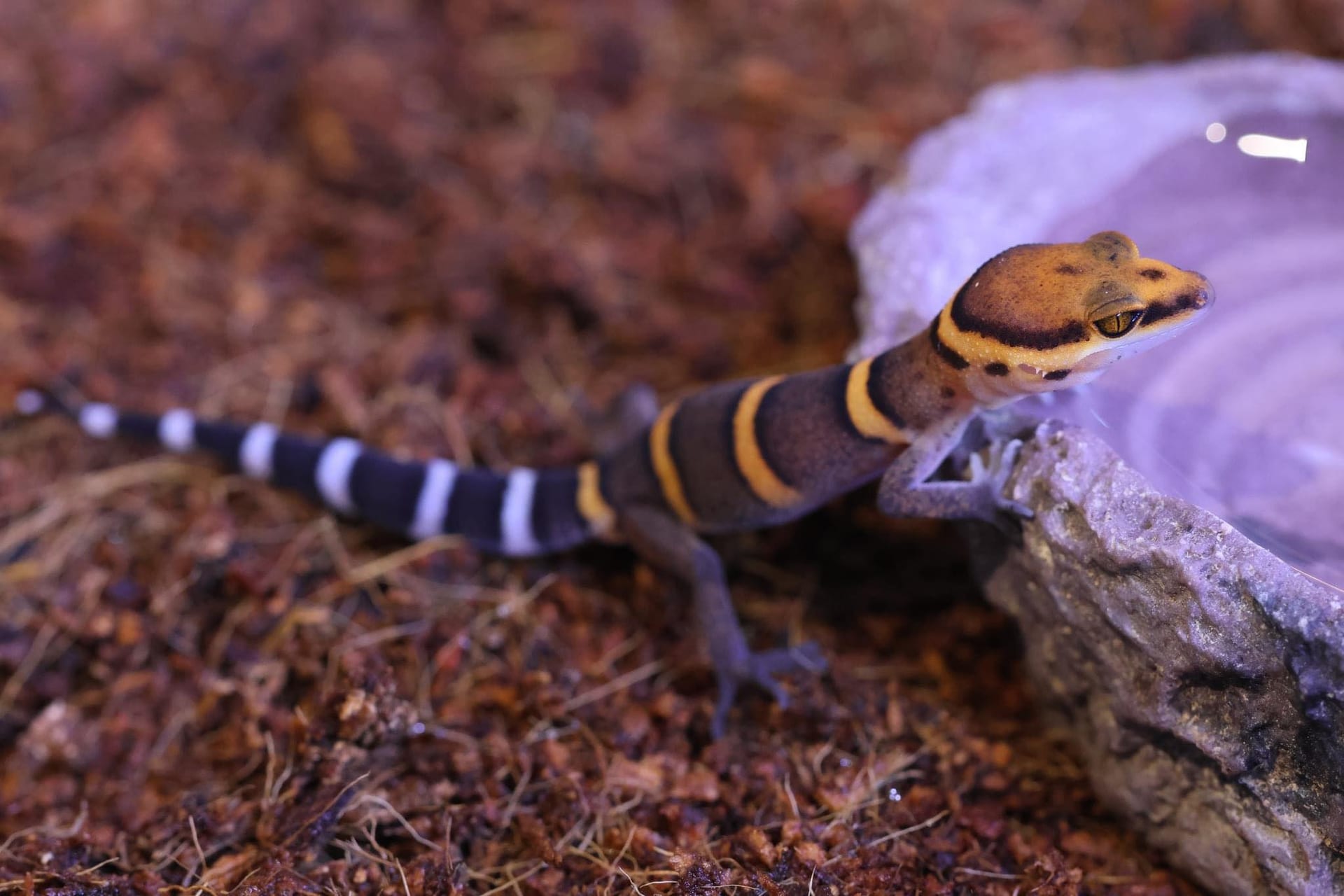
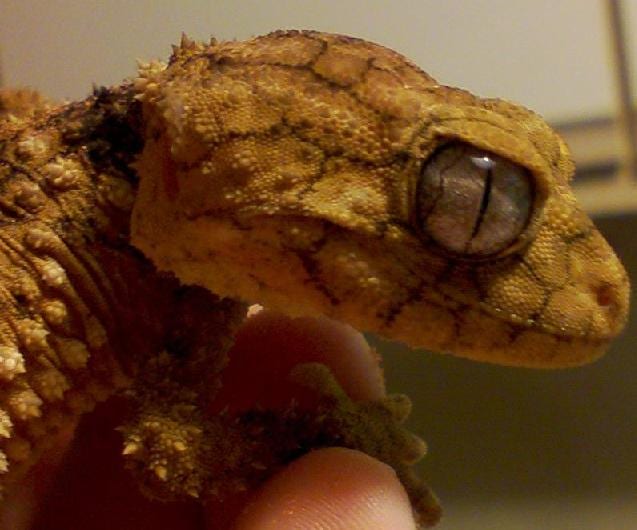
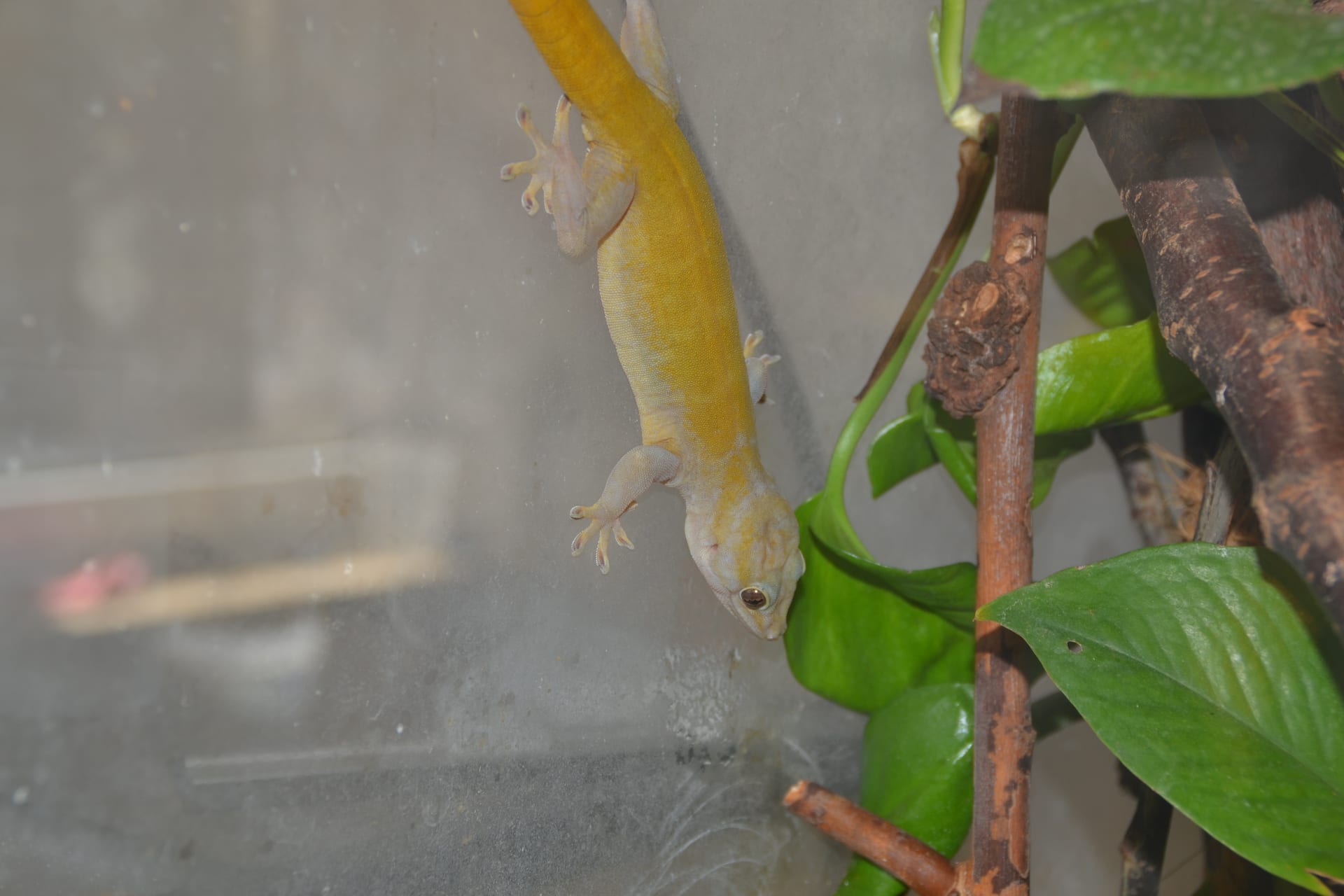
Northern Velvet Gecko
IntermediateOedura castelnaui
A velvet gecko found only on Cape York Peninsula in northern Queensland, Australia. It lives in forest and savanna and lays two parchment-shelled eggs per clutch.
Difficulty
Intermediate
Temperature
25〜32℃
Humidity
40〜70%
Diet
Insectivore (crickets, roaches)
About
The northern velvet gecko is an Oedura gecko in the family Diplodactylidae, endemic to Cape York Peninsula in northern Queensland, Australia. The species name honors French naturalist Francis de Laporte de Castelnau. It was described in 1889 as a Phyllodactylus and was for a time treated as a synonym of Oedura tryoni (Cogger 1957 and others), before Bustard placed it as Oedura castelnaui in his 1970 study of the Oedura marmorata complex. It inhabits forest and savanna. It is oviparous, laying clutches of two parchment-shelled eggs that hatch in about 60 days. Velvet geckos are a group of soft-skinned nocturnal geckos. Because it resembles other Oedura, confirm the scientific name and origin (Cape York) when buying. In Japan small numbers are sold in specialist shops.
Source: Wikipedia (CC BY-SA 4.0)
Lifespan of the Northern Velvet Gecko
Species-specific data on size, lifespan and husbandry are limited, so information on related species should be used with care while watching the animal's condition.
Basic Info
Origin
Cape York Peninsula, northern Queensland, Australia
Temperature
25〜32℃
Humidity
40〜70%
Diet
Insectivore (crickets, roaches)
Care Guide
References & Sources
Edited & verified by: BreederDirect editorial team
The taxonomic, regulatory, and husbandry data on this page are compiled and verified against the authoritative primary sources below.
Taxonomy & Authority
Accepted name: Oedura castelnaui (Thominot, 1889)
Synonyms: Oedura mayeri Garman, 1901, Phyllodactylus castelnaui Thominot, 1889
Authority databases: GBIF · The Reptile Database: Oedura castelnaui · GBIF: Oedura castelnaui
Nomenclature follows global taxonomic authority databases.
Regulations & Conservation Status
Not CITES-listed
Not listed under CITES (no entry in Species+). Never release a captive animal into the wild.
Sources: Species+ search (Oedura castelnaui: no match)
Regulations may change. Always verify the latest information with the relevant authorities.
Northern Velvet Gecko Listings
Loading latest listingsFind listings for this species