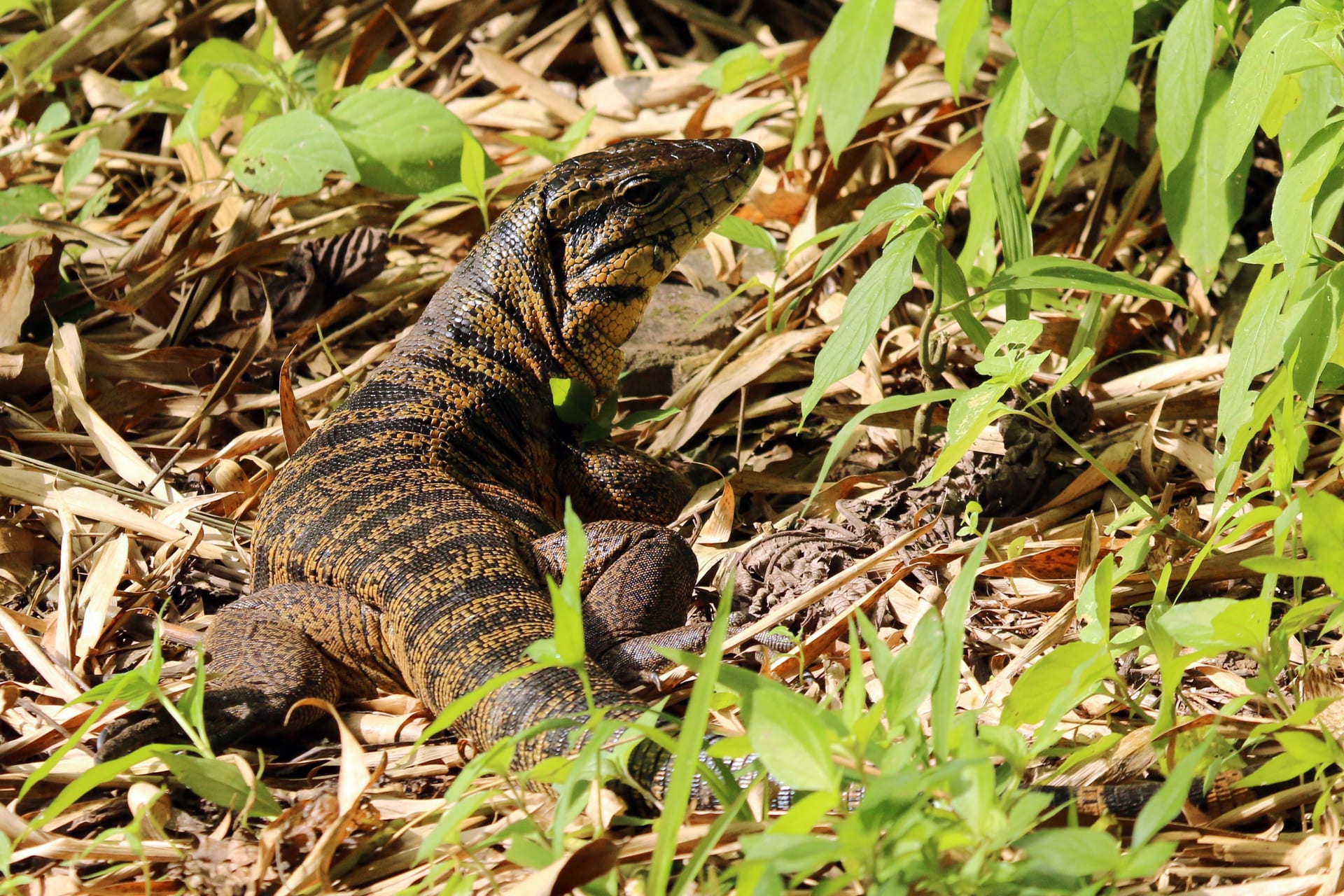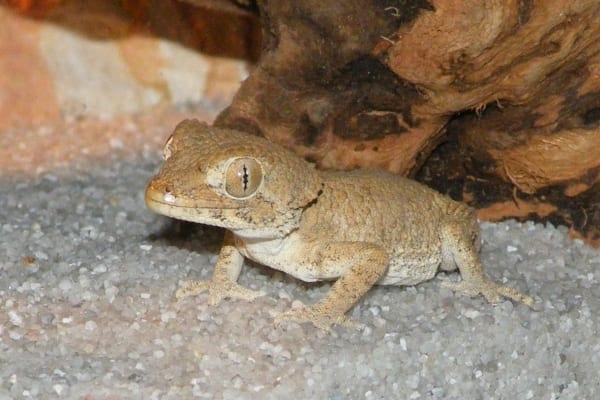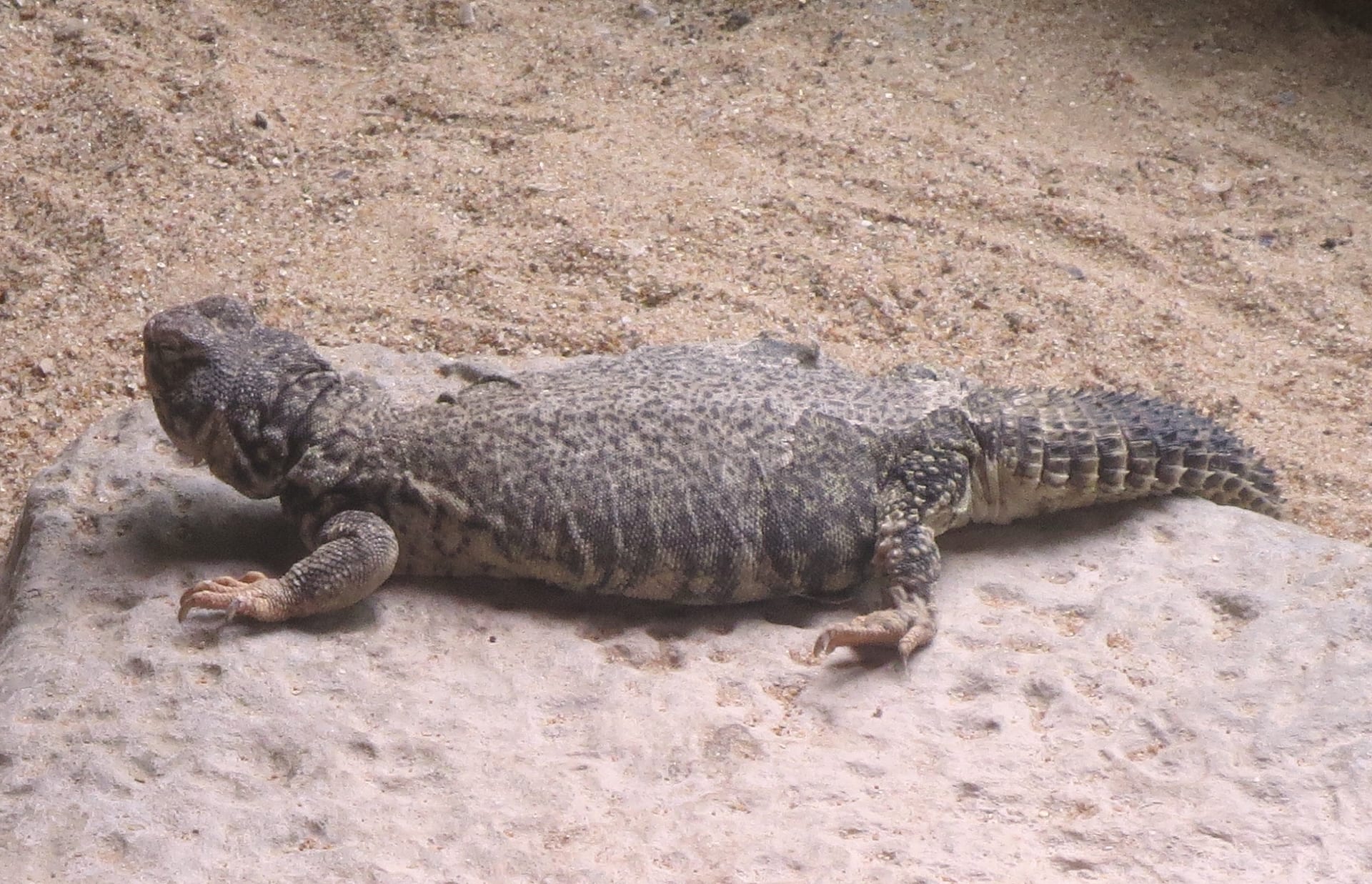
Source: Wikimedia Commons
Mali Uromastyx
IntermediateUromastyx dispar
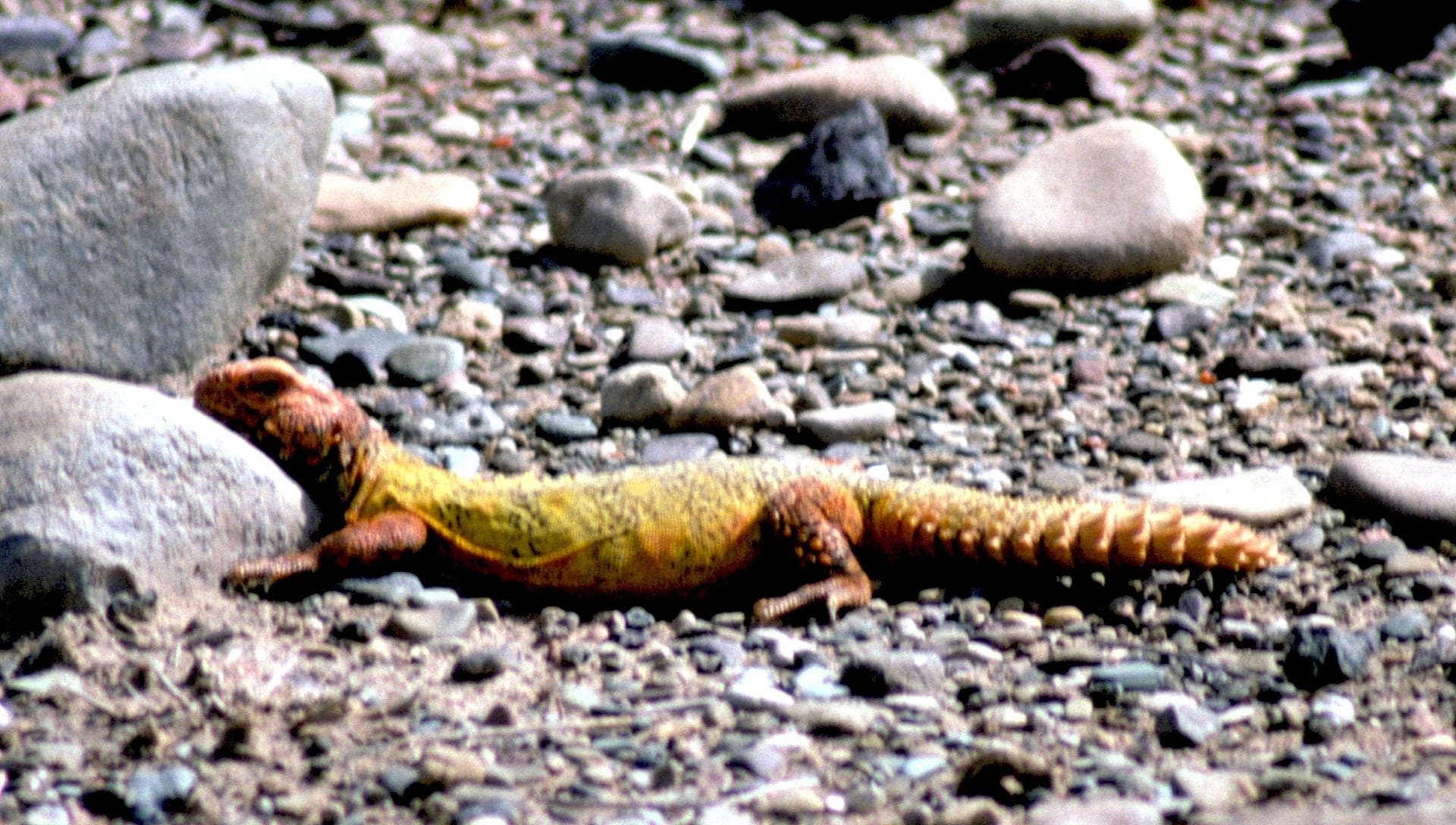
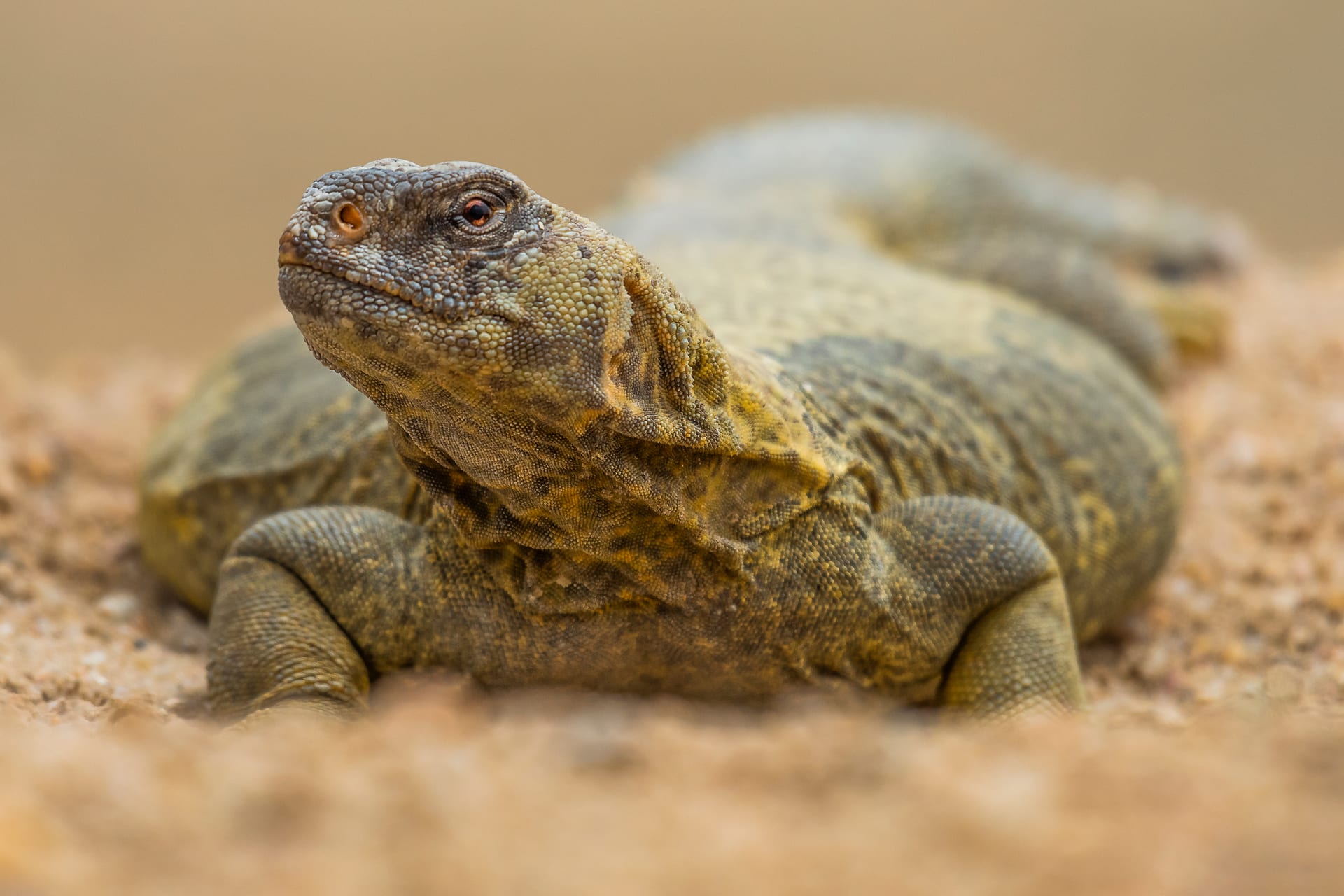
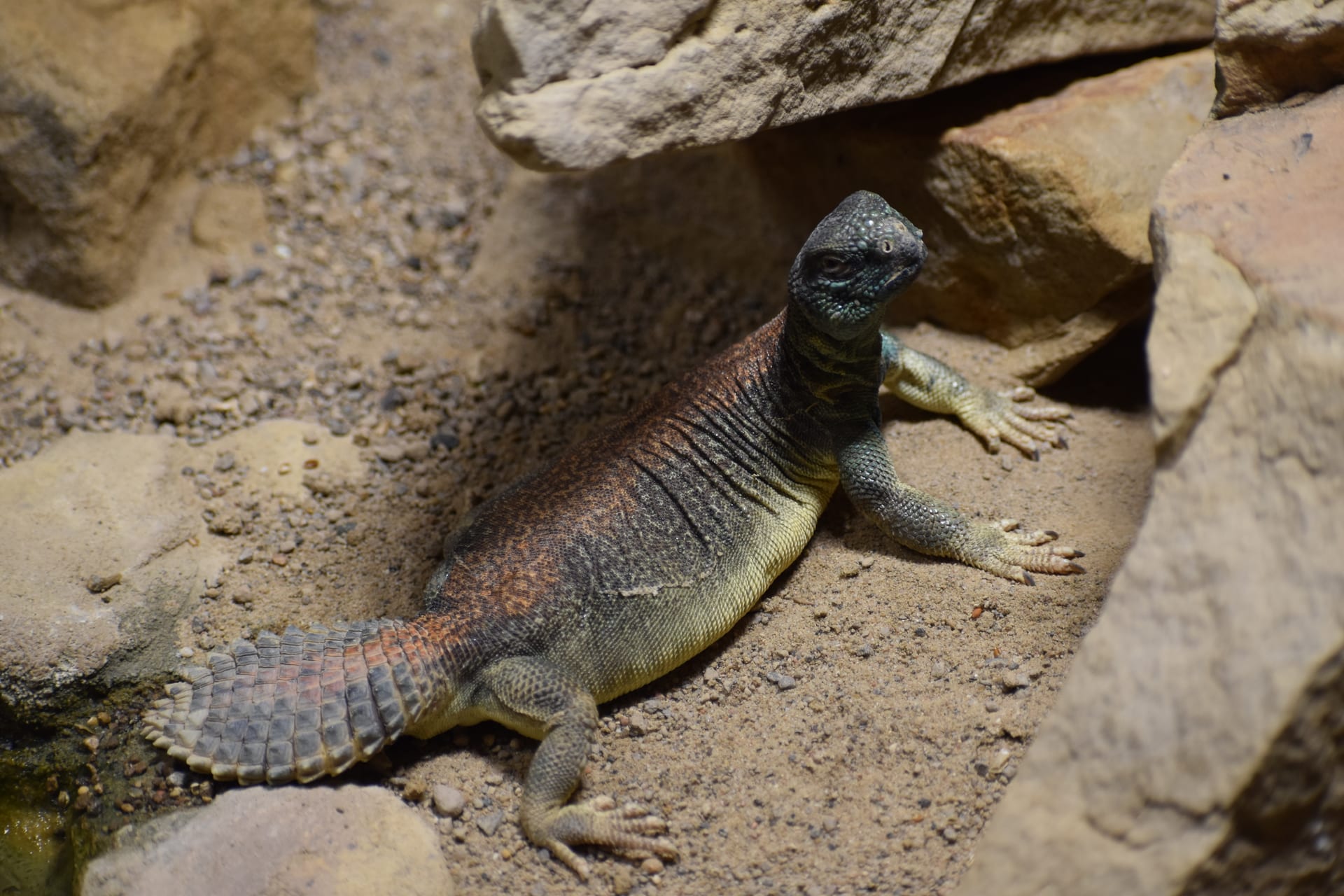
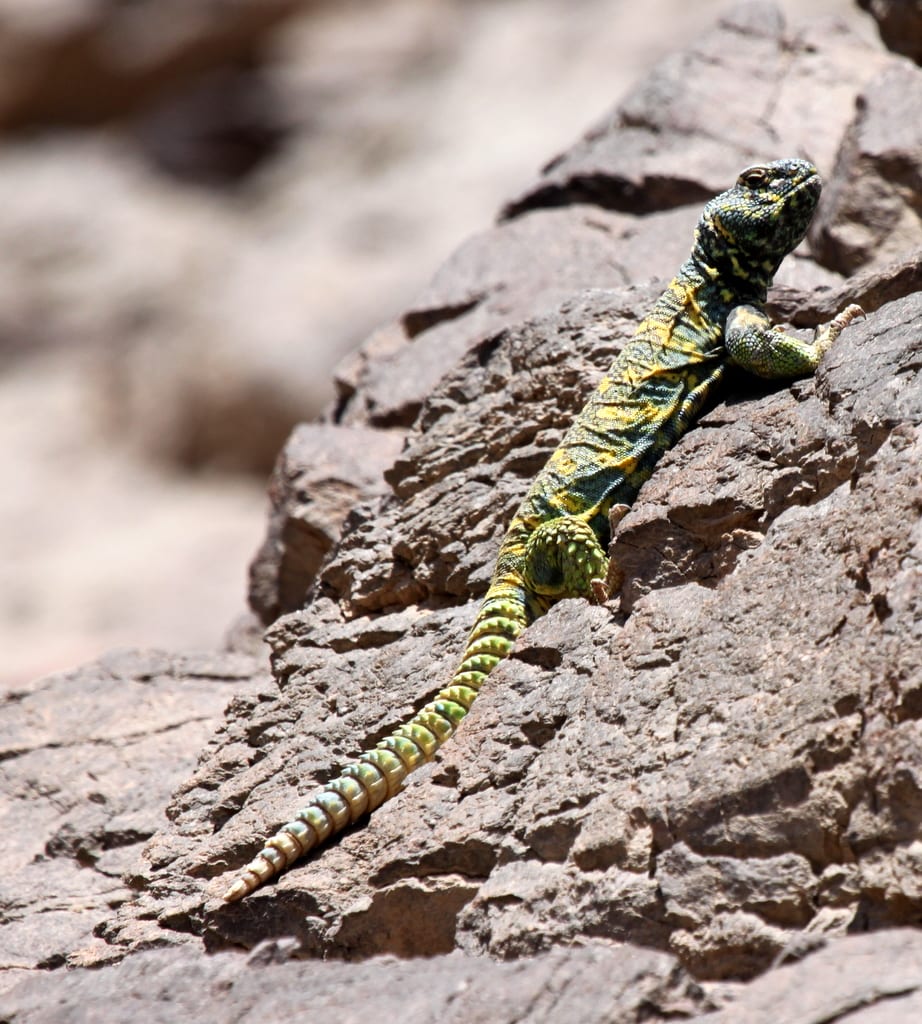
A mastigure known for yellow markings scattered over a black ground. The animal in the trade is the Malian subspecies maliensis, about 38 cm in total length; it is common in the North American trade and is bred in captivity.
Difficulty
Intermediate
Lifespan
Over 25 years under good care; the maximum recorded longevity in captivity is 17 years
Size
Total length about 38cm in U. d. maliensis and the nominate form; U. d. flavifasciata reaches 50cm
Humidity
30%
Diet
Leafy greens, wild plants such as dandelion and clover, birdseed and prepared herbivorous-lizard diets
About
Uromastyx dispar is an agamid of the southern fringe of the Sahara, known in English as the Sudan mastigure. Besides the nominate form, the subspecies flavifasciata, maliensis and hodhensis are recognised, and the animal traded in Japan and the United States is mainly the Malian maliensis. Total length is about 38 cm in maliensis and the nominate form and up to 50 cm in flavifasciata. The specific name dispar, Latin for different, is thought to refer to the difference in colour from the North African mastigure. Like others in the genus it has a thick, flattened body, a large head and rings of spiny scales along the tail. Terrestrial and diurnal, it lives in desert and stony wasteland and digs deep burrows for shelter from heat and cold. It is herbivorous, eating leaves, flowers, fruit and seeds, and it is bred in captivity.
Source: Wikipedia (CC BY-SA 4.0)
Lifespan of the Mali Uromastyx
The Mali Uromastyx lives Over 25 years under good care; the maximum recorded longevity in captivity is 17 years.
Size of the Mali Uromastyx
The Mali Uromastyx grows to Total length about 38cm in U. d. maliensis and the nominate form; U. d. flavifasciata reaches 50cm.
Basic Info
Origin
Mauritania, Western Sahara, Morocco, Algeria, Mali, Chad and Sudan, in desert and stony wasteland
Lifespan
Over 25 years under good care; the maximum recorded longevity in captivity is 17 years
Size
Total length about 38cm in U. d. maliensis and the nominate form; U. d. flavifasciata reaches 50cm
Care Specifications
Semi-aggressiveSolitaryBreeding: Moderate
Sources: Reptiles Magazine: Mali Uromastyx Breeding / ReptiFiles: Uromastyx Care Sheet / Reptiles Magazine: Uromastyx Care Sheet / Reptile Database / AnAge: The Animal Ageing and Longevity Database
References & Sources
Edited & verified by: BreederDirect editorial team
The taxonomic, regulatory, and husbandry data on this page are compiled and verified against the authoritative primary sources below.
Primary sources
- Wikipedia
- CITES Appendices
- Ministry of the Environment: list of invasive alien species
- Order for Enforcement of the Act on Welfare and Management of Animals (designated dangerous animals)
- Reptiles Magazine: Mali Uromastyx Breeding
- ReptiFiles: Uromastyx Care Sheet
- Reptiles Magazine: Uromastyx Care Sheet
- Reptile Database
- AnAge: The Animal Ageing and Longevity Database
Taxonomy & Authority
Accepted name: Uromastyx dispar Heyden, 1827
Synonyms: Uromastix dispar Heyden, 1827, Uromastyx acanthinura dispar (Mertens, 1962), Uromastyx dispar maliensis Joger & Lambert, 1996
Authority databases: Reptile Database
Nomenclature follows global taxonomic authority databases.
Regulations & Conservation Status
CITES Appendix II
Uromastyx spp. has been listed under Washington Convention Appendix II, effective February 4, 1977. Because it is listed under Appendix II, no registration certificate as an internationally rare wild animal or plant species is required. It is neither listed as a specified animal under the Ordinance for the Enforcement of the Act on the Welfare and Management of Animals, nor designated as a specified alien species. In its native habitat, it is consumed as food, with the meat of its thick tail considered particularly delicious.
Sources: CITES Appendices / Ministry of the Environment: list of invasive alien species / Order for Enforcement of the Act on Welfare and Management of Animals (designated dangerous animals)
Regulations may change. Always verify the latest information with the relevant authorities.
Mali Uromastyx Listings
Loading latest listingsFind listings for this species