Source: Wikimedia Commons
Moroccan Uromastyx
IntermediateUromastyx nigriventris
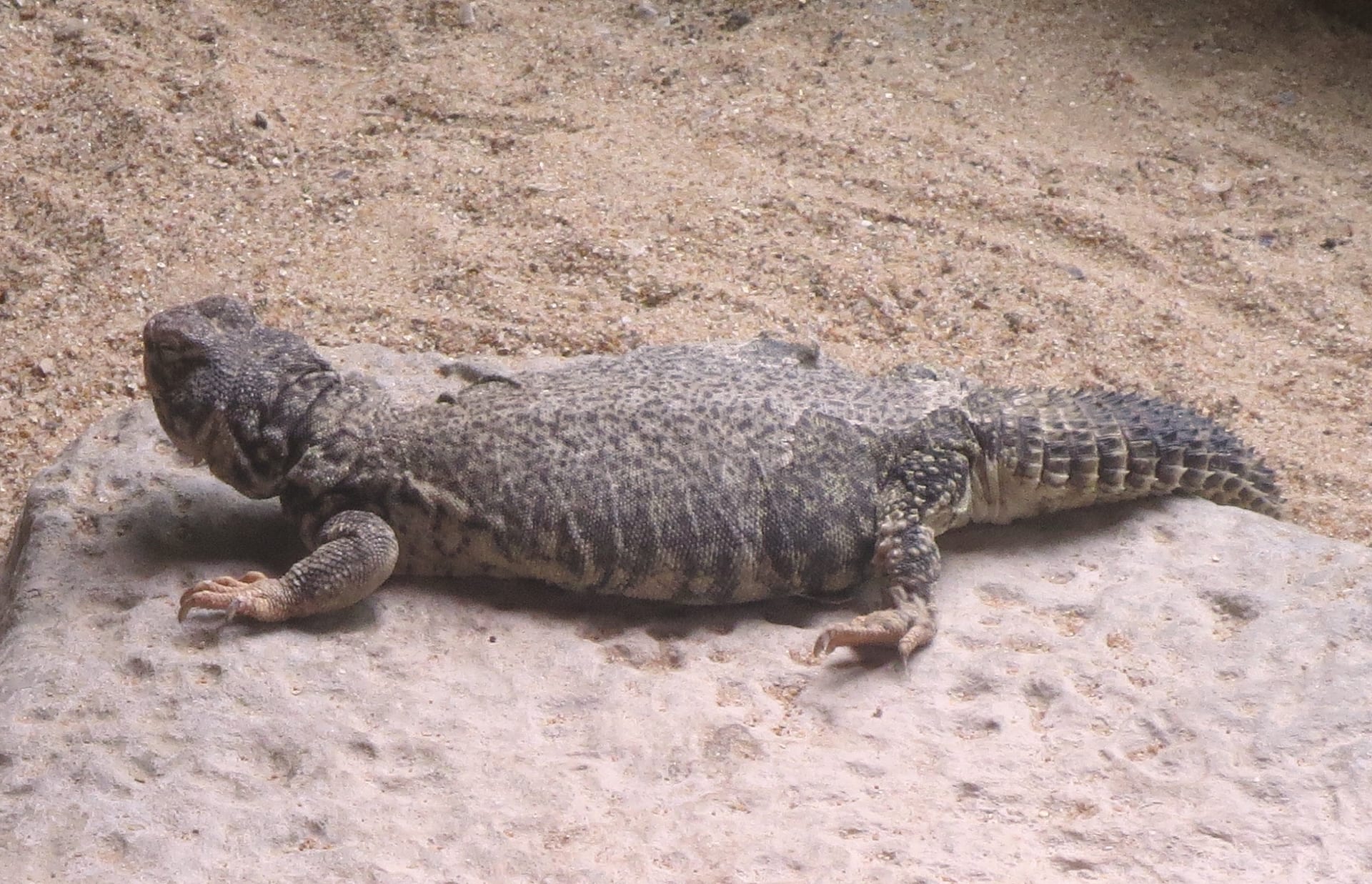
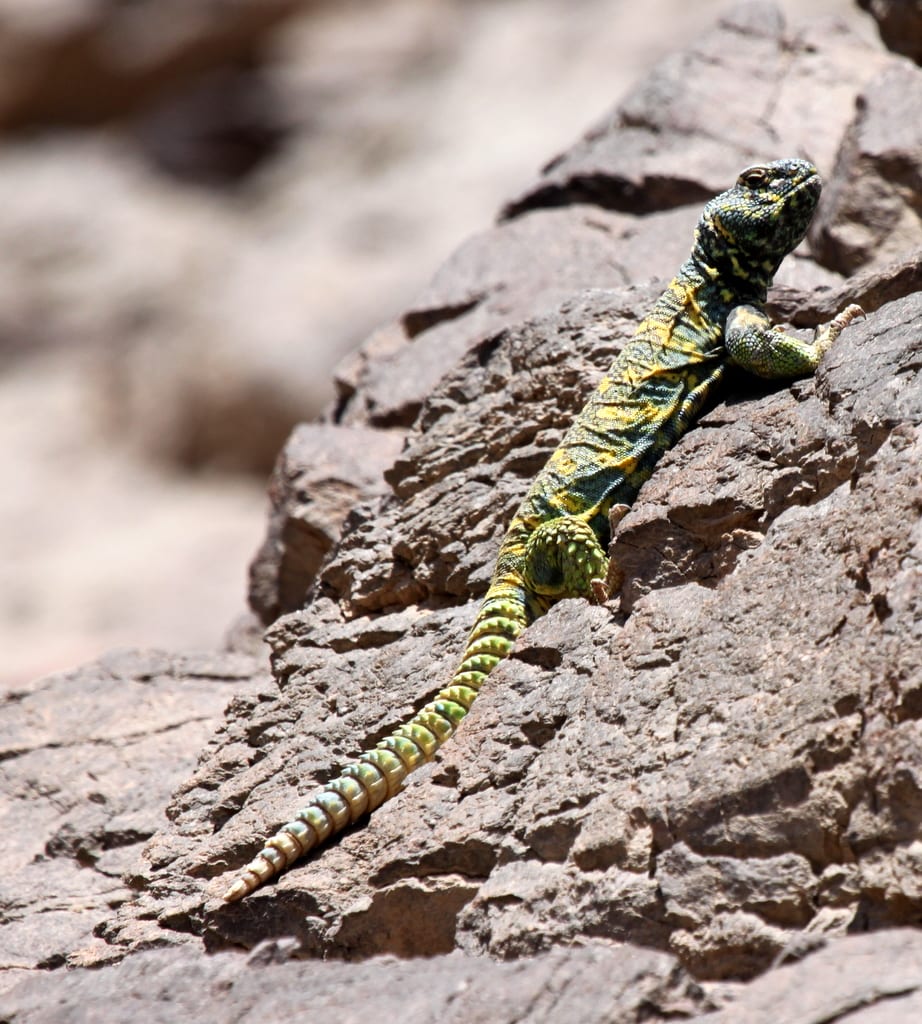
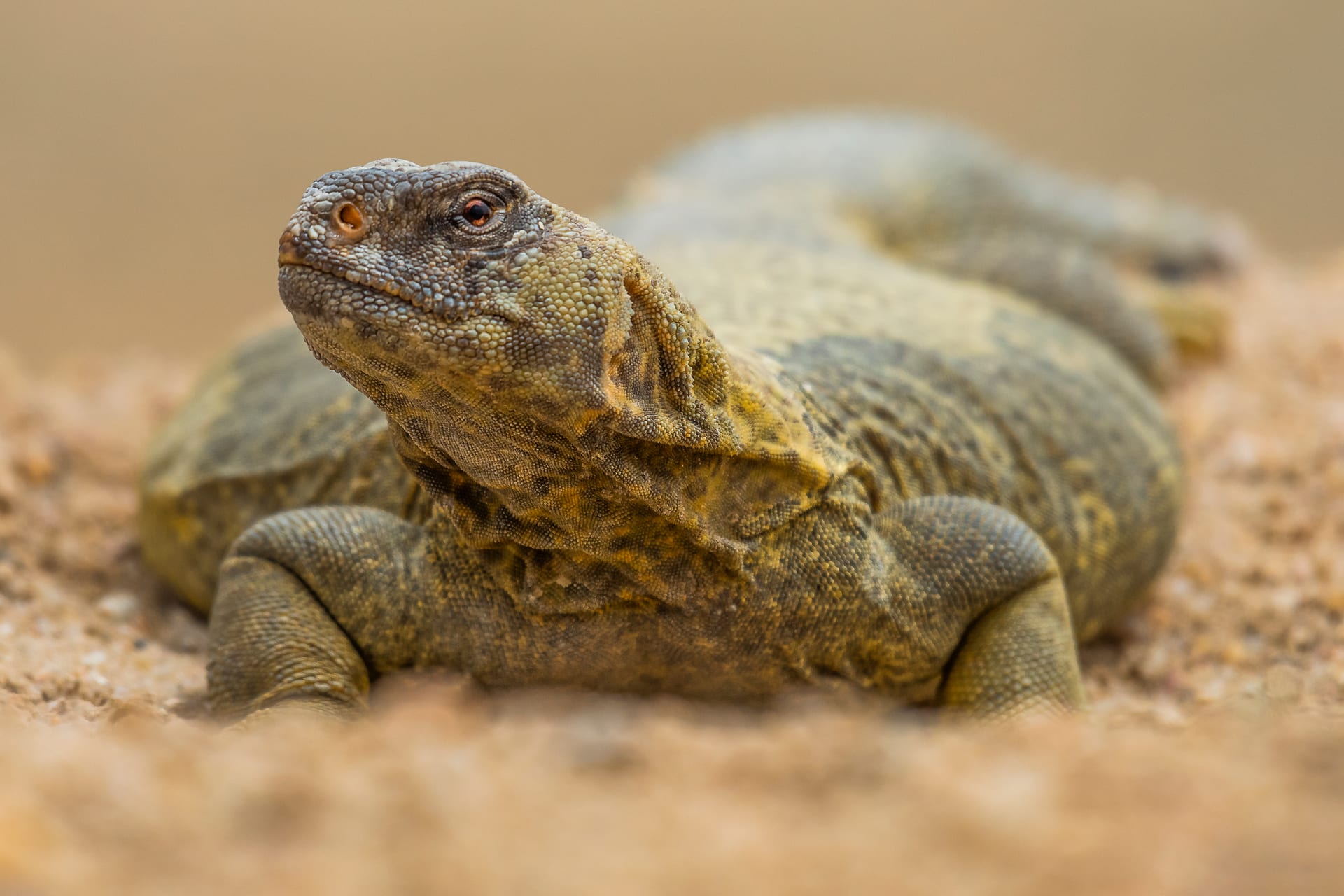
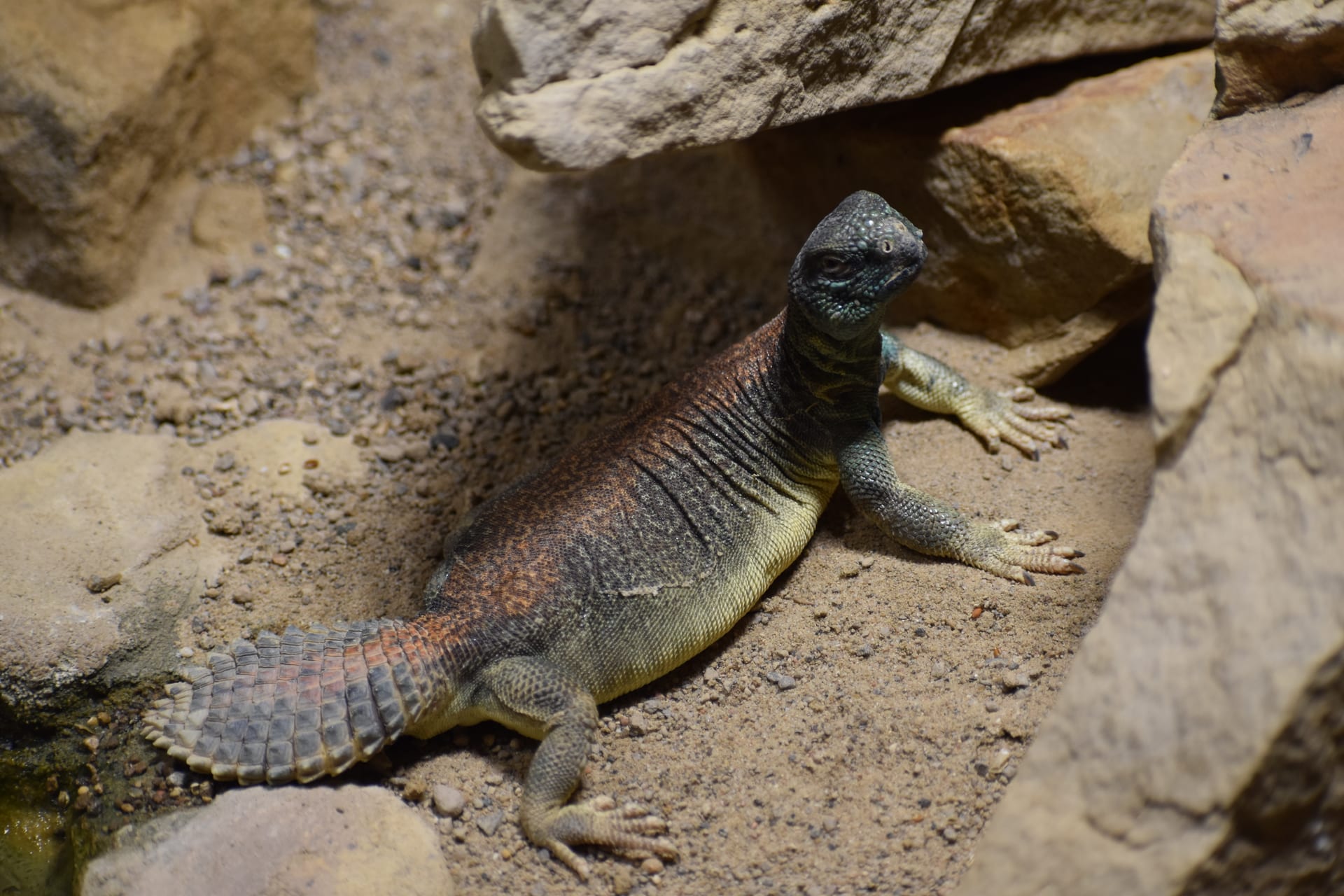
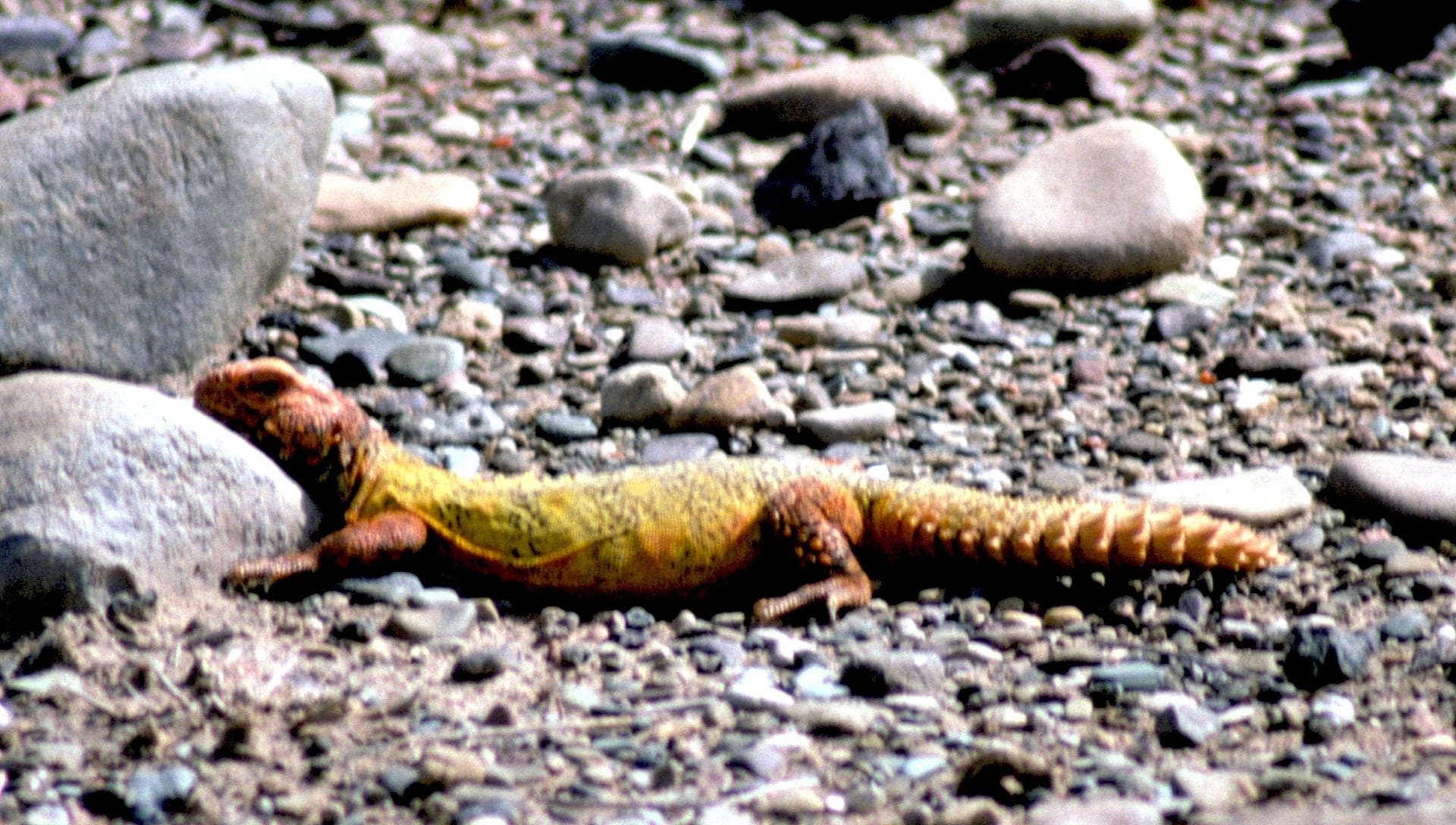
Most animals are red, yellow or yellow-green over the whole body, and unlike the closely related North African mastigure the sexes are alike in colour. The specific name nigriventris means black belly. Total length reaches 41.5 cm.
Difficulty
Intermediate
Lifespan
Over 25 years under good care
Size
Total length up to 41.5cm, the tail being about 56-66 per cent of snout-vent length
Humidity
30%
Diet
Leafy greens, wild plants such as dandelion and clover, birdseed and prepared herbivorous-lizard diets
About
Uromastyx nigriventris occurs from Morocco into western Algeria and reaches a total length of 41.5 cm, the tail making up about 56-66 per cent of snout-vent length. It has 22-36 preanofemoral pores and 16-21 rings of spiny scales along the top of the tail. Colour varies greatly: animals may be red, yellow or yellow-green overall, may combine several colours, or may have a black nape and limbs, and unlike the closely related North African mastigure the sexes look alike. The specific name comes from Latin niger, black, and venter, belly. Some works treat it as a subspecies of U. acanthinura. Terrestrial and diurnal, it lives in desert and stony wasteland, digs deep burrows and feeds on leaves, flowers, fruit and seeds.
Source: Wikipedia (CC BY-SA 4.0)
Lifespan of the Moroccan Uromastyx
The Moroccan Uromastyx lives Over 25 years under good care.
Size of the Moroccan Uromastyx
The Moroccan Uromastyx grows to Total length up to 41.5cm, the tail being about 56-66 per cent of snout-vent length.
Basic Info
Origin
Morocco east and south of the Atlas, western Algeria and Western Sahara, in desert and stony wasteland
Lifespan
Over 25 years under good care
Size
Total length up to 41.5cm, the tail being about 56-66 per cent of snout-vent length
Care Specifications
Semi-aggressiveSolitaryBreeding: Moderate
Sources: Reptiles Magazine: Keeping and Breeding Moroccan Uromastyx / ReptiFiles: Uromastyx Care Sheet / Wikipedia (Japanese): Uromastyx acanthinura / Reptile Database
References & Sources
Edited & verified by: BreederDirect editorial team
The taxonomic, regulatory, and husbandry data on this page are compiled and verified against the authoritative primary sources below.
Primary sources
- Wikipedia
- CITES Appendices
- Ministry of the Environment: list of invasive alien species
- Order for Enforcement of the Act on Welfare and Management of Animals (designated dangerous animals)
- Reptiles Magazine: Keeping and Breeding Moroccan Uromastyx
- ReptiFiles: Uromastyx Care Sheet
- Wikipedia (Japanese): Uromastyx acanthinura
- Reptile Database
Taxonomy & Authority
Accepted name: Uromastyx nigriventris Rothschild & Hartert, 1912
Synonyms: Uromastix acanthinurus nigriventris Rothschild & Hartert, 1912, Uromastyx acanthinura nigriventris (Mertens, 1962), Uromastyx nigriventris (Wilms & Bohme, 2001)
Authority databases: Reptile Database
Nomenclature follows global taxonomic authority databases.
Regulations & Conservation Status
CITES Appendix II
Uromastyx spp. has been listed under Washington Convention Appendix II, effective February 4, 1977. Because it is listed under Appendix II, no registration certificate as an internationally rare wild animal or plant species is required. It is neither listed as a specified animal under the Ordinance for the Enforcement of the Act on the Welfare and Management of Animals, nor designated as a specified alien species. In its native habitat, it is consumed as food, with the meat of its thick tail considered particularly delicious.
Sources: CITES Appendices / Ministry of the Environment: list of invasive alien species / Order for Enforcement of the Act on Welfare and Management of Animals (designated dangerous animals)
Regulations may change. Always verify the latest information with the relevant authorities.
Moroccan Uromastyx Listings
Loading latest listingsFind listings for this species