Complete Guide to Keeping Uromastyx | Temperature, Diet, and Enclosure Management for Arid Lizards
A beginner's guide to caring for the desert-dwelling "Uromastyx (Uromastix)" lizard. Detailed coverage of setting basking temperatures over 50°C, plant-based diet management, accommodating burrowing behavior, and species-by-species comparisons (Mali, Ornamental, and Egyptian).
Key Takeaways
A beginner's guide to caring for the desert-dwelling "Uromastyx (Uromastix)" lizard. Detailed coverage of setting basking temperatures over 50°C, plant-based diet management, accommodating burrowing behavior, and species-by-species comparisons (Mali, Ornamental, and Egyptian).
What Kind of Lizard is the Uromastyx?
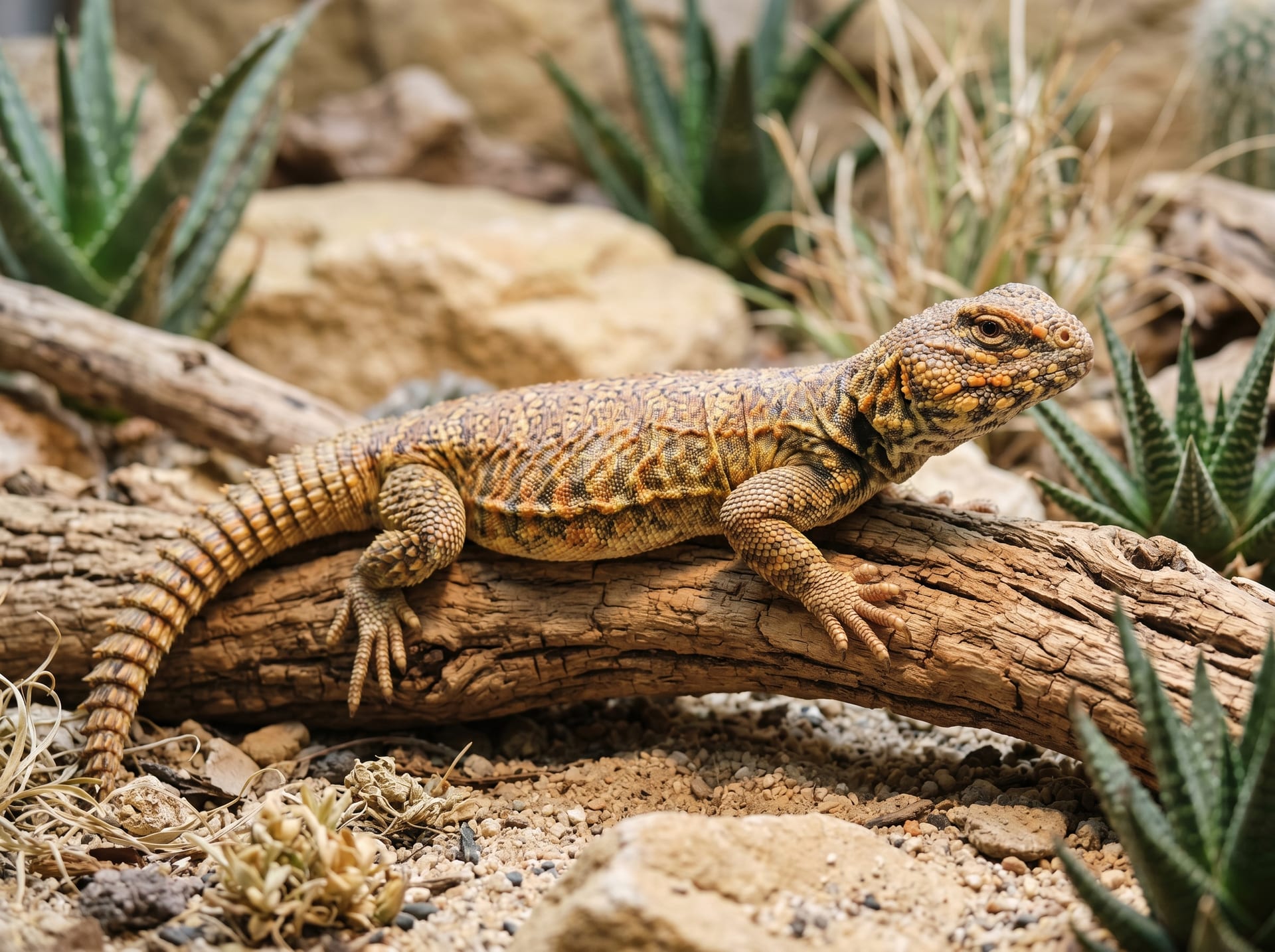
Uromastyx (scientific name: Uromastyx spp.) is a large agamid lizard widely distributed throughout the arid regions and deserts of North Africa to the Middle East. As their English name "Spiny-tailed Lizard" indicates, they possess a distinctive tail densely covered with thorn-like scales. This tail serves as a weapon to repel predators, and they are also known to exhibit defensive behavior by using their tail to block the entrance of burrows.
✍️
BreederDirect Editorial
The BreederDirect editorial team specializes in care information for animals, covering veterinary care and breeding to deliver beginner-friendly guides.
Find Reptiles on BreederDirect
Buy directly from verified breeders
Browse Related Listings
Find Reptiles listings related to this article on BreederDirect. Buy directly from verified breeders.
While they belong to the same Agamidae family as Bearded Dragons, their husbandry requirements differ significantly. In particular, their high temperature requirements—needing temperatures close to 60°C at the basking spot—are a common pitfall if approached with the expectations of other reptile species. On the other hand, their strong herbivorous diet with low dependence on animal protein makes feeding relatively straightforward. Once acclimated, they are docile animals that can be enjoyed through handling.
Major Species and Selection
Mali Uromastyx (U. dispar maliensis): The most commonly available species and best suited for beginners. Adult males display rich color variation with yellows, oranges, and reds. Total length is approximately 35–45 cm. Hardy with relatively wide temperature tolerance, making them ideal for novices.
Ornamental Uromastyx (U. ornata): A medium-sized species prized for its vibrant blue, green, and turquoise patterns. While somewhat nervous in temperament, they become manageable in calm environments. Their striking colors make them popular with collectors.
Egyptian Uromastyx (U. aegyptia): A large species exceeding 60 cm in total length with impressive presence. While docile in temperament, they require correspondingly spacious enclosures. Better suited to intermediate and advanced keepers.
When purchasing, confirm that the animal has good appetite, clear eyes, and a tail base that is not excessively thin. CB (captive-bred) individuals acclimate to humans quickly and carry lower parasite risk, so select them whenever possible.
Enclosure and Environmental Setup
Enclosure Size: Provide a minimum of 90 cm × 45 cm × 45 cm per adult. Enclosures of 120 cm or larger are recommended for Egyptian Uromastyx and larger individuals. Since Uromastyx are keen burrowers, substrate should be a mixture of vermiculite, desert sand, and small pebbles laid to a depth of 10–20 cm. Shallow substrate promotes stress.
Temperature Management (Critical): Temperature is the cornerstone of Uromastyx care. The basking spot surface temperature must be 49–55°C (40–46°C for smaller species like Mali), far exceeding the recommendations for most reptiles. Cool side temperatures should be 35–40°C, with nighttime drops to 20–25°C. Halogen lamps (100–250 W) or far-infrared heat lamps work well for basking. Using a non-contact infrared thermometer (temperature gun) to accurately monitor surface temperature is essential. Controlling the basking lamp with a thermostat allows for more stable management.
UVB and Lighting: Provide strong UVB lamps (UVI 4.0 or higher, equivalent to Repti Sun 10.0 or Arcadia 12%) for 10–12 hours daily. UVB output drops significantly within 6 months to 1 year, so follow the replacement schedule on the packaging. Inadequate UVB increases the risk of metabolic bone disease from vitamin D3 deficiency.
Diet and Nutrition Management
Uromastyx are herbivorous, feeding primarily on vegetables, leafy greens, and seeds. Care must be taken not to overfeed animal protein, as this burdens the kidneys.
Suitable Primary Foods: Leafy vegetables such as mustard greens, bok choy, molokhia, clover, and dandelion leaves form the foundation. Seeds (hemp seeds, sunflower seeds, hulled millet) are also readily consumed and provide energy. Soaking dried seeds in water before feeding improves appetite.
Foods to Avoid: Limit high-oxalate foods such as spinach, kale, and beets. Fruits are high in sugar and can cause diarrhea, so offer them sparingly as treats only. Insects (crickets, mealworms) can be offered a few times per month in small amounts, but frequent feeding is unnecessary.
Supplements: Add calcium powder (without vitamin D3) 2–3 times weekly, and a multivitamin once weekly. When UVB lamps function properly, avoid excess vitamin D3, so use calcium with D3 cautiously.
Adequate hydration comes from food, so a permanent water dish is unnecessary; however, misting leaves 1–2 times weekly will provide drinking opportunities.
Burrowing Behavior, Brumation, and Daily Care
In the wild, Uromastyx dig burrows for rest and overwintering. This burrowing behavior is frequently observed in captivity, and providing deep substrate reduces stress. Use only top-down basking heat; avoid under-tank heaters for burrowing areas.
As room temperature drops in winter, some individuals naturally reduce activity and enter brumation. While year-round activity is possible with proper temperature management, light brumation is natural and need not be forced.
Daily care includes removing uneaten food and feces promptly. Replace the entire substrate every 2–3 months. During shedding, slightly increasing humidity (more frequent misting) helps prevent dysecdysis.
Handling and Long-Term Care Tips
Uromastyx take time to acclimate, but patient handling can result in hand-tame individuals. Start by allowing them to see your hand during feeding, then gradually approach and offer your hand. Forcing contact may result in tail strikes or bites, so patience is essential.
The most overlooked aspect of long-term care is chronic temperature insufficiency. Prolonged basking temperatures below 55°C lead to poor appetite, digestive issues, and immune decline. Even if outwardly active, internal problems may accumulate, so establish a habit of regular temperature checks with a temperature gun.
With proper temperature, UVB, and diet management, Uromastyx can live over 10 years. Enjoy a long relationship with these vibrant, ecologically unique lizards.