Complete Care Guide for Russian Tortoises | Enclosures, Temperature, Diet, and Hibernation Management
Comprehensive guide to Russian tortoise (four-toed tortoise) care. Covers proper enclosure size, temperature, UVB lighting, diet, basking requirements, and hibernation management—everything beginners need for successful long-term keeping.
Key Takeaways
Comprehensive guide to Russian tortoise (four-toed tortoise) care. Covers proper enclosure size, temperature, UVB lighting, diet, basking requirements, and hibernation management—everything beginners need for successful long-term keeping.
Related Species
What is a Russian Tortoise? Basic Information and Appeal
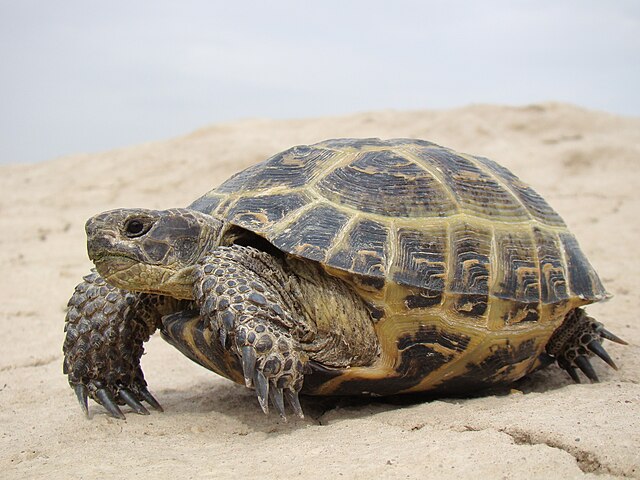
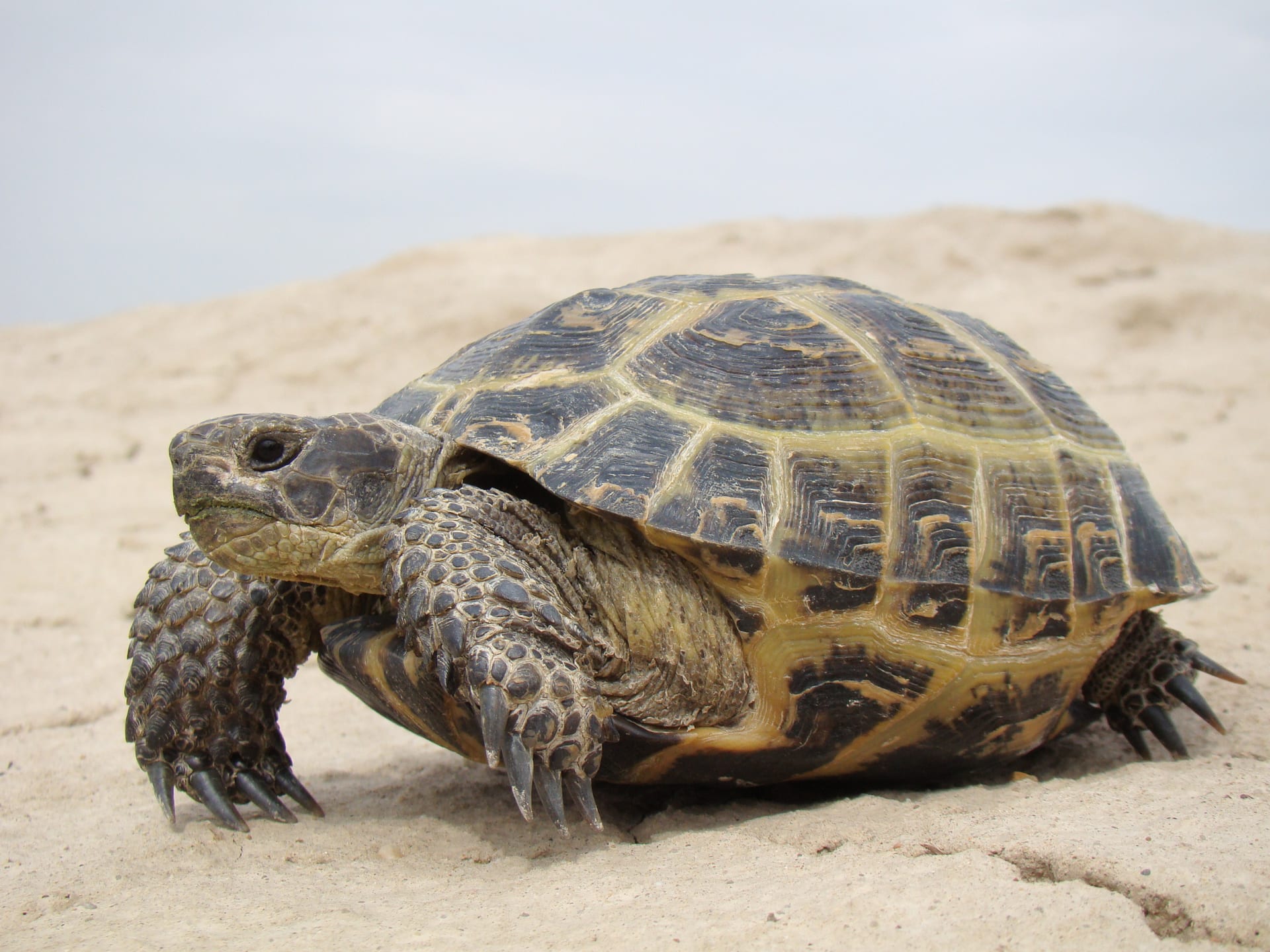
The Russian tortoise (scientific name: Testudo horsfieldii) is a terrestrial tortoise native to the arid steppes of Central Asia (Kazakhstan, Uzbekistan, Afghanistan, etc.). In Japan, it's also called the four-toed tortoise, named for the four toes on its front feet.
Size: Adults typically 15–25 cm in length (males are smaller, females larger) Lifespan: 40–60+ years with proper care Temperament: Curious and relatively docile. When accustomed to their keeper, they will eat from a human hand
Among tortoises, Russian tortoises are relatively small and hardy, making them popular for beginners. However, given their long lifespan, it's important to be prepared for lifelong commitment before acquiring one.
Setting Up an Enclosure (Habitat)
Recommended Enclosure Sizes
Russian tortoises are active and require more space than you might initially think.
| Number of Animals | Recommended Enclosure Size (Length × Width) |
|---|---|
| 1 (juvenile) | 60 cm × 45 cm or larger |
| 1 (adult) | 90 cm × 60 cm or larger (120 cm × 60 cm ideal) |
| Multiple | 2–3× space per individual |
Many keepers use wider plastic storage bins or tubs rather than standard reptile enclosures. DIY wooden enclosures are also an option.
Substrate Selection
Russian tortoises enjoy burrowing, so use substrate that allows digging depth (minimum 10 cm).
- Red clay (small grain): Most commonly used in Japan. Offers good moisture retention and drainage.
- Vermiculite + red clay mix: Increased moisture retention; maintains humidity even in dry conditions.
- Coco fiber (coconut husk): High moisture retention. Watch for mold.
A substrate depth of 10–15 cm allows your tortoise to burrow and create a comfortable retreat.
Temperature Management and Basking
Russian tortoises are ectothermic and require a temperature gradient (difference between warm and cool areas).
Recommended Temperature Settings
| Area | Target Temperature |
|---|---|
| Basking spot | 35–40°C (95–104°F) |
| Warm zone | 28–32°C (82–90°F) |
| Cool zone | 22–26°C (72–79°F) |
| Night (overall) | 18–22°C (64–72°F; 20°C/68°F or higher is ideal) |
Use a basking lamp (75–100W spot lamp) in the basking area with a rock or board where the tortoise can warm itself. Proper thermoregulation increases appetite and improves digestion.
The Importance of UVB Lighting
Russian tortoises need UVB to synthesize vitamin D3, which is essential for calcium metabolism. UVB lighting is mandatory in indoor setups.
Recommended UVB Lamps
- Arcadia T5 12% or Zoo Med ReptiSun 10.0 T5 (UVB strength suitable for tortoises)
- Replace every 6–12 months (UVB degrades even if visually unchanged)
Diet and Nutrition
Russian tortoises are strictly herbivorous. Animal protein (ham, sausage, etc.) causes organ damage and should never be fed.
Appropriate Foods
Staple Diet (Daily)
- Bok choy, mustard greens, kale: Rich in calcium; ideal staples
- Dandelion greens, clover (if wild-harvested, from pesticide-free areas)
- Plantain
Supplementary Foods (2–3× weekly)
- Carrot, squash (vitamin supplementation)
- Cabbage (affects thyroid; avoid excess)
Foods to Avoid
- Spinach (high oxalic acid inhibits calcium absorption)
- Lettuce (low nutritional value; too watery)
- Onions/garlic, avocado (toxic)
Calcium and Vitamin Supplementation
Dust food with calcium powder (or crushed cuttlebone) 2–3× weekly. Add a reptile multivitamin containing vitamin D3 2–4× monthly to prevent metabolic bone disease (MBD).
Sunbathing and Outdoor Keeping
Russian tortoises love outdoor sunbathing; natural sunlight provides UVB intensity many times greater than artificial lighting. On warm, sunny days (25°C/77°F+), 1–2 hours outdoors is ideal.
Outdoor Care Precautions
- Use an enclosure (they are strong diggers and escape artists)
- Provide shade to avoid direct sunlight for extended periods
- Install netting to protect from predators (cats, crows, raptors)
Hibernation Management
Hibernation is one of the defining traits of Russian tortoises. In their Central Asian native range, some individuals hibernate for six months or longer.
Should I Hibernate My Tortoise?
| Situation | Recommendation |
|---|---|
| Healthy adult / wild-caught | Allow hibernation (matches natural cycle, better long-term health) |
| Juvenile / ill / underweight | Maintain heat; avoid hibernation (higher risk) |
Hibernation Protocol (Overview)
- Pre-hibernation (Oct–Nov): Gradually reduce feeding to empty the digestive tract. Perform 2–3 warm baths (30°C) to ensure no impaction.
- Hibernation start (Dec onward): Move to a hibernation box (soil/perlite mix) when temperatures drop to ~10°C. Maintain 2–8°C.
- During hibernation: Check monthly. Lightly mist if dry.
- Emergence (Mar–Apr): Naturally wake as temperatures rise. Provide warm baths over the first few days to boost metabolism, then gradually resume feeding.
Common Health Issues and Solutions
| Symptom | Cause | Solution |
|---|---|---|
| Poor appetite / lethargy | Low temperature / UVB deficiency / illness | Check temperature, extend basking time, consult vet |
| Nasal discharge / mouth breathing | Respiratory infection | See reptile vet immediately |
| Soft/deformed shell | Calcium/D3 deficiency (MBD) | Increase sunbathing, add calcium, boost UVB |
| No bowel movements for extended period | Constipation / impaction | Daily warm baths (30°C, 15–20 min) for ~2 weeks |
Summary: Enjoying Russian Tortoises Long-Term
With proper care and environment, Russian tortoises are hardy and can live 50+ years as lifelong companions. Before acquiring one, confirm the following:
- Can you provide a spacious enclosure with a proper temperature gradient?
- Will you replace UVB lamps regularly?
- Can you provide a varied, natural vegetable-based diet daily?
- Have you decided on hibernation or year-round heating?
For foundational reptile care information, see Basic Temperature and UVB Lighting Management for Reptile Keeping.