Essential guide to reptile temperature gradients, basking spot setup, UVB light selection, and replacement timing for healthy reptile keeping.
Key Takeaways
Essential guide to reptile temperature gradients, basking spot setup, UVB light selection, and replacement timing for healthy reptile keeping.
Reptiles are ectothermic animals and cannot regulate their own body temperature. For this reason, temperature management and UVB lighting installation in the breeding environment are critical factors that can determine the life or death of reptiles. If the temperature is not appropriate, it can cause indigestion and immune system decline, and if UVB is insufficient, the risk of metabolic bone disease (MBD), a calcium metabolism disorder, increases.
This article explains the fundamentals of temperature management and UVB lighting in reptile keeping at a level that beginners can implement.
The basic principle for reptile enclosures is not to maintain a uniform temperature, but to intentionally create both "warm areas" and "cool areas." This is called a thermal gradient. Since reptiles regulate their body temperature by moving between warm and cool areas on their own, providing them with choices is the first step in health management.
General guidelines for temperature settings are as follows.
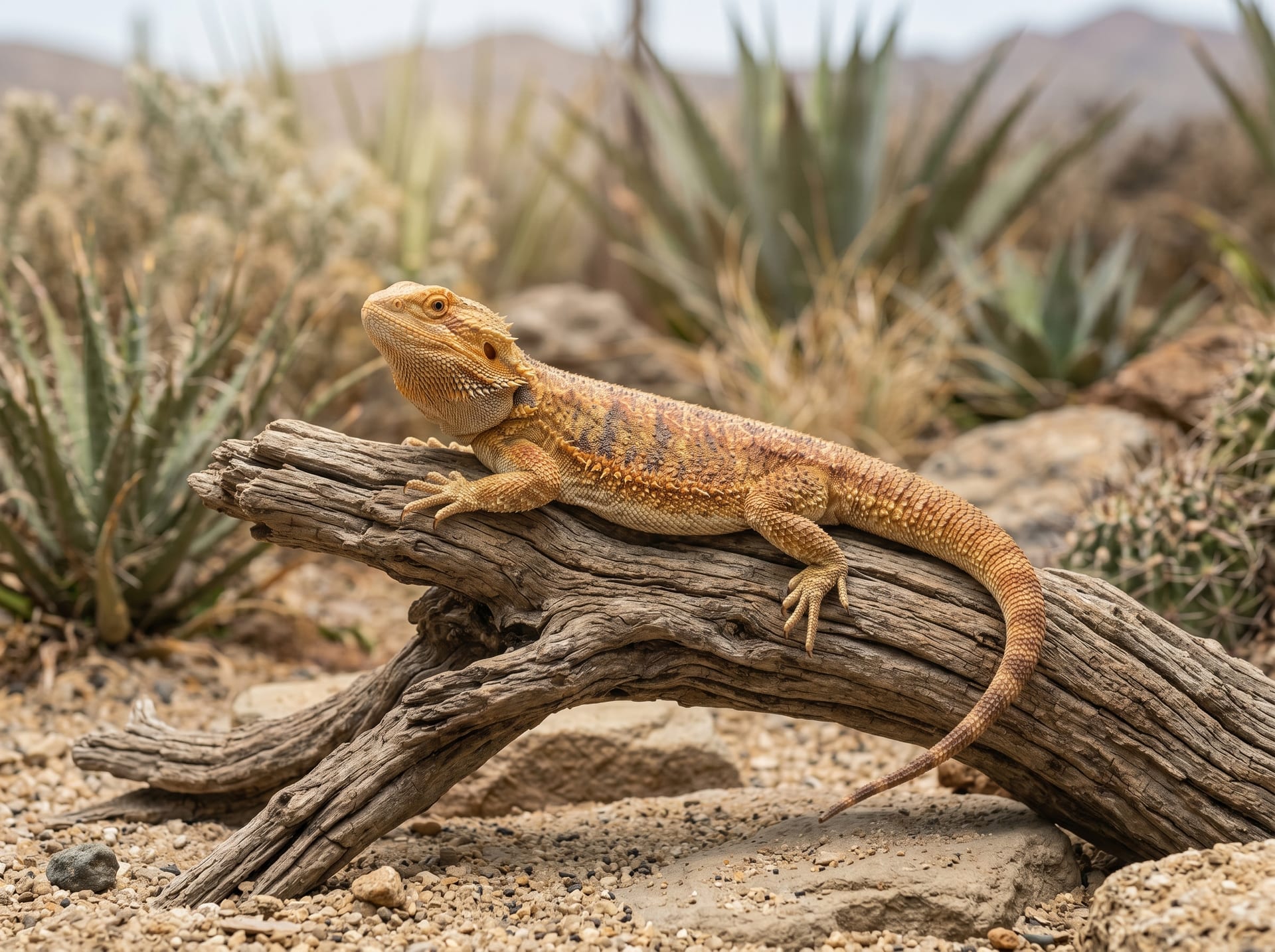
For example, in the case of Bearded Dragons, a basking spot of about 35–40°C is ideal, but for Leopard Geckos, a hotspot of around 30–32°C is sufficient. Since the optimal temperature varies by species, it is important to research it in advance.
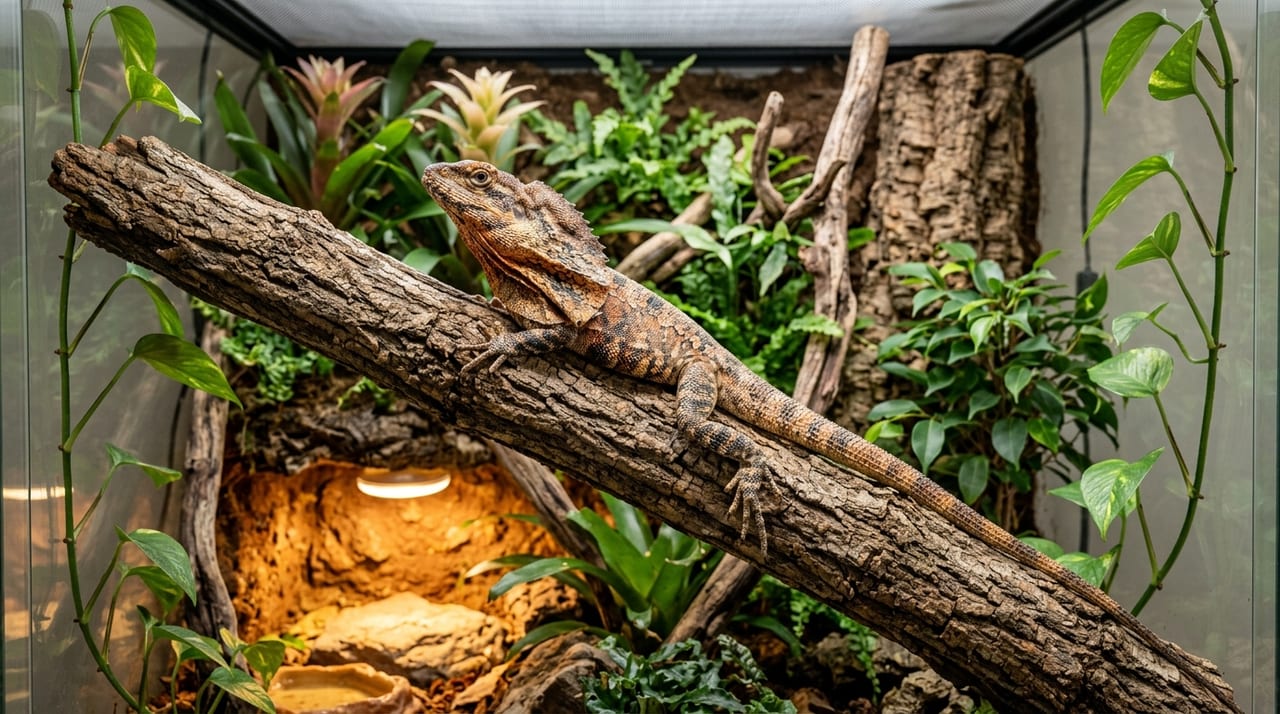
A basking spot is a localized high-temperature area where reptiles warm their bodies, much like sunbathing. You create a thermal gradient by placing a basking lamp (heating spotlight) on one side of the enclosure and making the opposite side a cool zone.
The key points for installation are as follows.
Install thermometers in at least two locations in the enclosure (the hotspot and cool zone), and regularly verify the actual temperature readings using a digital thermometer or thermal gun.
Most reptiles require a certain temperature even at night. While the daytime basking lamp is turned off, in environments where temperature drops too much, use non-light-emitting heating equipment such as panel heaters, radiant heat panels, or ceramic heaters.
While red lights used for nighttime heating were once thought to be "invisible to reptiles," recent research has shown that many reptiles can actually sense red light. For nighttime heating, it is safer to use non-light-emitting equipment such as CHE (ceramic heat emitters) or panel heaters.
UVB (ultraviolet B radiation) is the light necessary for reptile skin to synthesize vitamin D3. Vitamin D3 plays a role in promoting calcium absorption, and its deficiency can cause metabolic bone disease (MBD). MBD is a serious condition that can lead to bone deformities and fractures, and once it progresses, complete recovery can be difficult in some cases.
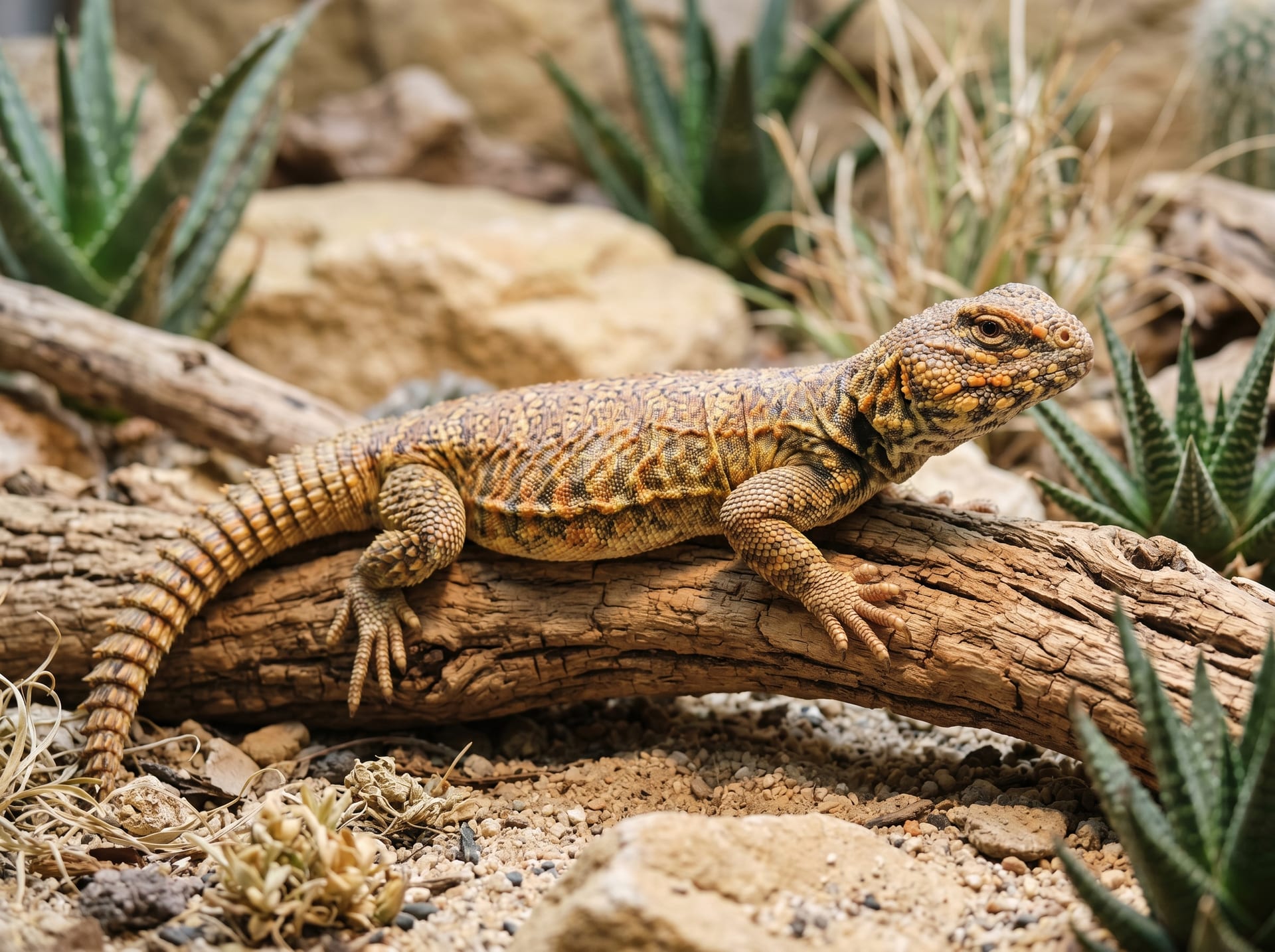
Species that particularly need UVB include diurnal reptiles such as Bearded Dragons, chameleons, tortoises, and spiny-tailed agamas. On the other hand, there are reports that even nocturnal species like Leopard Geckos show improved health when provided with low-level UVB, and in recent years, more keepers are installing low-power UVB for nocturnal species as well.
UVB lights are mainly available in two types: "fluorescent tube type" and "compact type (spiral type)."
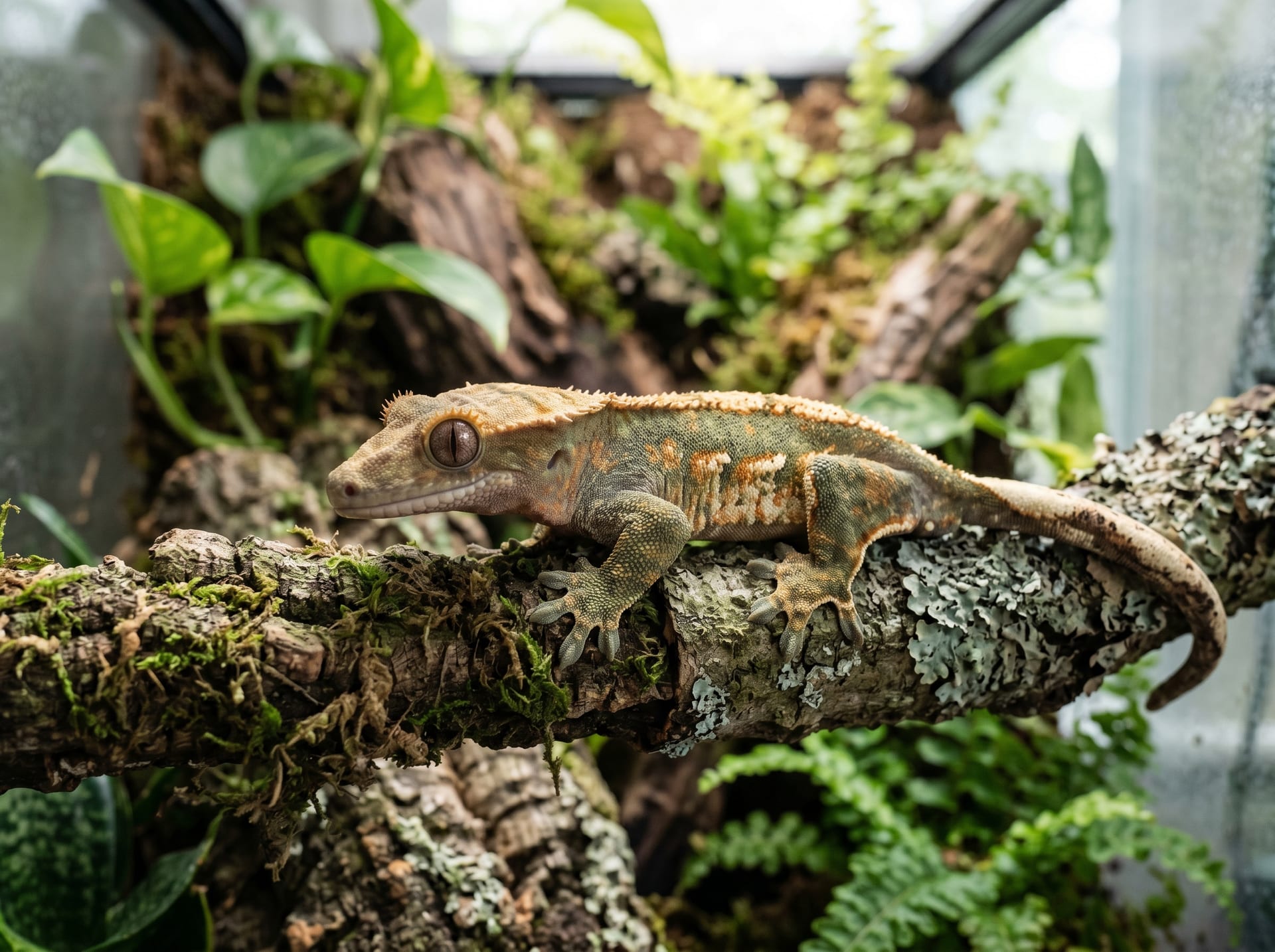
UVB strength is expressed in numbers such as "5.0," "10.0," or "12.0." The guideline is 10.0–12.0 for desert species (Bearded Dragons, spiny-tailed agamas, etc.) and 5.0–6.0 for forest species (chameleons, crested geckos, etc.).
An important point is that UVB light output decreases over time, even if not visible to the eye. Generally, replacement is necessary at an interval of 6–12 months, and lights that have passed their replacement date may not output sufficient UVB even if they still appear bright. It is ideal to regularly measure output with a UVB meter.
Temperature management and UVB light settings vary depending on the species you're keeping, the size of the enclosure, and the room temperature where it's installed. There are many situations where internet information alone makes it difficult to determine the right approach.
At Brichoku, you can purchase individual reptiles directly from specialist breeders, allowing you to receive specific advice on the optimal temperature settings and lighting choices for that species. Even if you're starting with reptile keeping for the first time, you can begin with confidence while receiving professional support. Please explore Brichoku to find your ideal companion.
Find Reptiles listings related to this article on BreederDirect. Buy directly from verified breeders.
Reptile Temperature Calculator
View basking, cool-side, night temps, humidity & UVB requirements by species
Morph Genetics Calculator
Calculate morph breeding outcomes for leopard geckos & ball pythons
Breeding Calendar
Visual monthly breeding season guide for each species
Feeding Guide
Check feeding frequency, portion sizes & supplements by species and growth stage