Complete Guide to Caring for Bearded Dragons | Temperature, UV, Diet, and Enclosure | ブリちょく
Reptiles| ✍️ BreederDirect Editorial
Complete Guide to Caring for Bearded Dragons | Temperature, UV, Diet, and Enclosure
A comprehensive guide to caring for Bearded Dragons, explained for beginners. This guide covers everything from enclosure selection, basking and UVB lighting, diet management, handling, and breeding basics.
Key Takeaways
A comprehensive guide to caring for Bearded Dragons, explained for beginners. This guide covers everything from enclosure selection, basking and UVB lighting, diet management, handling, and breeding basics.
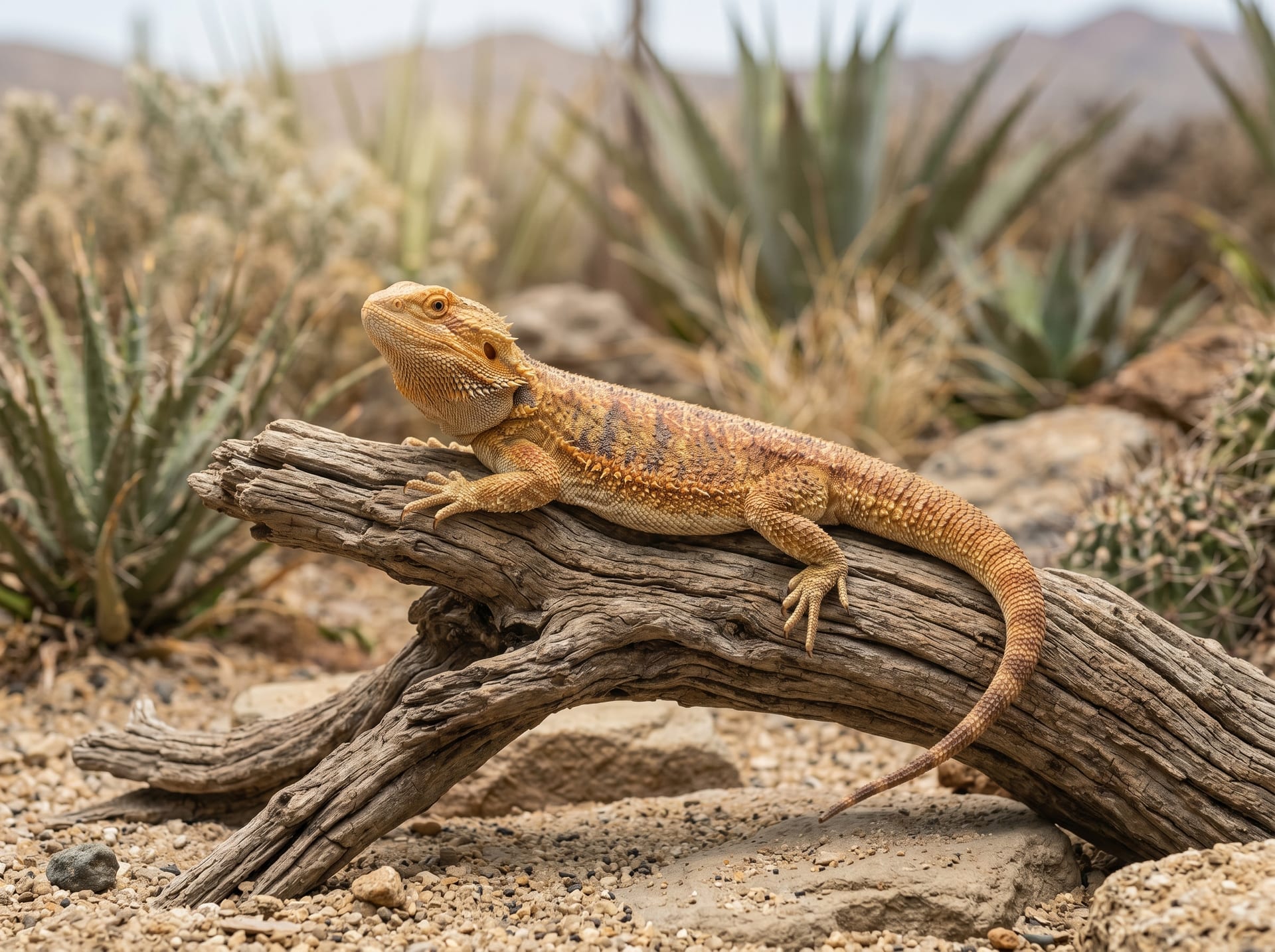
Bearded Dragons are so friendly that they are called "the dogs of reptiles," making them one of the most popular reptile species to keep. They have expressive faces and the intelligence to recognize their owners, offering the appeal of a long-term companion. As mentioned in 5 Recommended Reptile Species for First-Time Keepers, they can be kept by beginners with the right environment. However, temperature and UV management are essential, and initial and ongoing costs are somewhat high.
✍️
BreederDirect Editorial
The BreederDirect editorial team specializes in care information for animals, covering veterinary care and breeding to deliver beginner-friendly guides.
Find Reptiles on BreederDirect
Buy directly from verified breeders
Browse Related Listings
Find Reptiles listings related to this article on BreederDirect. Buy directly from verified breeders.
Temperament: Docile and easily tamed by humans. Expressive faces make communication enjoyable
Activity Pattern: Diurnal (active during the day)
Enclosure Selection and Setup
Recommended Enclosure Size
Adults require a minimum enclosure of at least 90×45×45 cm (width×depth×height). 120 cm or larger is ideal. Since they are diurnal, choose an enclosure that allows easy light installation from above.
Wooden Enclosures (melamine board, etc.): High insulation and reduced UVB reflection
Glass Enclosures: Easy to observe, but higher heating costs
Aluminum Frame Enclosures: High ventilation and excellent customization options
Substrate
Tile (Ceramic): Easy to clean and maintain. Also helps with nail care
Reptile Sand (Fine-grain): Good for adults, but risk of accidental ingestion in juveniles
Paper Towels: Recommended specifically for babies
Temperature and Basking Management
Bearded Dragons raise their body temperature through basking (sunbathing) to aid digestion. This is the most important aspect of their care.
Area
Recommended Temperature
Basking Spot
40–45°C
Entire Enclosure (daytime)
28–32°C
Cool Spot
24–28°C
Nighttime
20–24°C
Basking Light (Spotlight): Concentrates heat on the basking spot
Heat Lamps/Ceramic Heaters: Maintains overall enclosure temperature
Digital Thermometer: Measures both hot and cool spots separately
The Importance of UVB Lighting
UVB lighting is essential for Bearded Dragons. Without UVB, they cannot synthesize Vitamin D3, leading to disrupted calcium metabolism and MBD (Metabolic Bone Disease).
UVB Lamp Types: Fluorescent (T5 HO standard is effective) or mercury vapor lamps
Recommended Strength: UVI 3–5 (around the basking spot)
Usage Duration: 10–12 hours per day
Replacement Schedule: Every 6–12 months (UV output decreases before visible signs)
Important: UVB does not pass through glass or clear acrylic. Install the lamp so it directly reaches your Bearded Dragon.
Diet Types and Management
Bearded Dragons are omnivorous, eating insects and vegetables/greens. The key is adjusting their diet based on their growth stage.
Baby to Young (up to 6 months)
Insects 70% / Vegetables 30% is the recommended ratio
Insects: Crickets, Dubia roaches (size should not exceed the width of their head)
Vegetables: Bok choy, Chinese broccoli, pea shoots, etc.
Sub-Adult to Adult (6 months and older)
Transition to Vegetables 60–70% / Insects 30–40%
Focus on leafy greens. Calcium-rich vegetables like bok choy, arugula, and kale are ideal
Fruits are high in sugar, so limit their amount
Foods to Avoid
Spinach (high in oxalic acid, which interferes with calcium absorption)
Avocado (toxic)
Excessive protein from overfeeding insects
Calcium and Vitamin Supplementation
Calcium powder: Dust insects at every feeding
Vitamin D3 supplement: About once per week
Multivitamin: 1–2 times per week
Hydration
Keep a water bowl available and change water daily
Warm baths (35°C lukewarm water for 10–15 minutes) 1–2 times per week are effective for promoting metabolism and bowel movements
Handling
Taming Period: Varies by individual, but typically 2–4 weeks
Stress Signs: "Bearding" (turning black) is a sign of stress. Return them to their enclosure immediately if they try to escape
Arm Waving and Head Bobbing: Communication behaviors. Understanding these deepens your bond