Reptile Shedding Problems and Solutions
Causes, symptoms, and treatment of retained shed in reptiles, including humidity management tips, soaking techniques, and preventing necrosis of toes and tail tips.
Key Takeaways
Causes, symptoms, and treatment of retained shed in reptiles, including humidity management tips, soaking techniques, and preventing necrosis of toes and tail tips.
Related Species
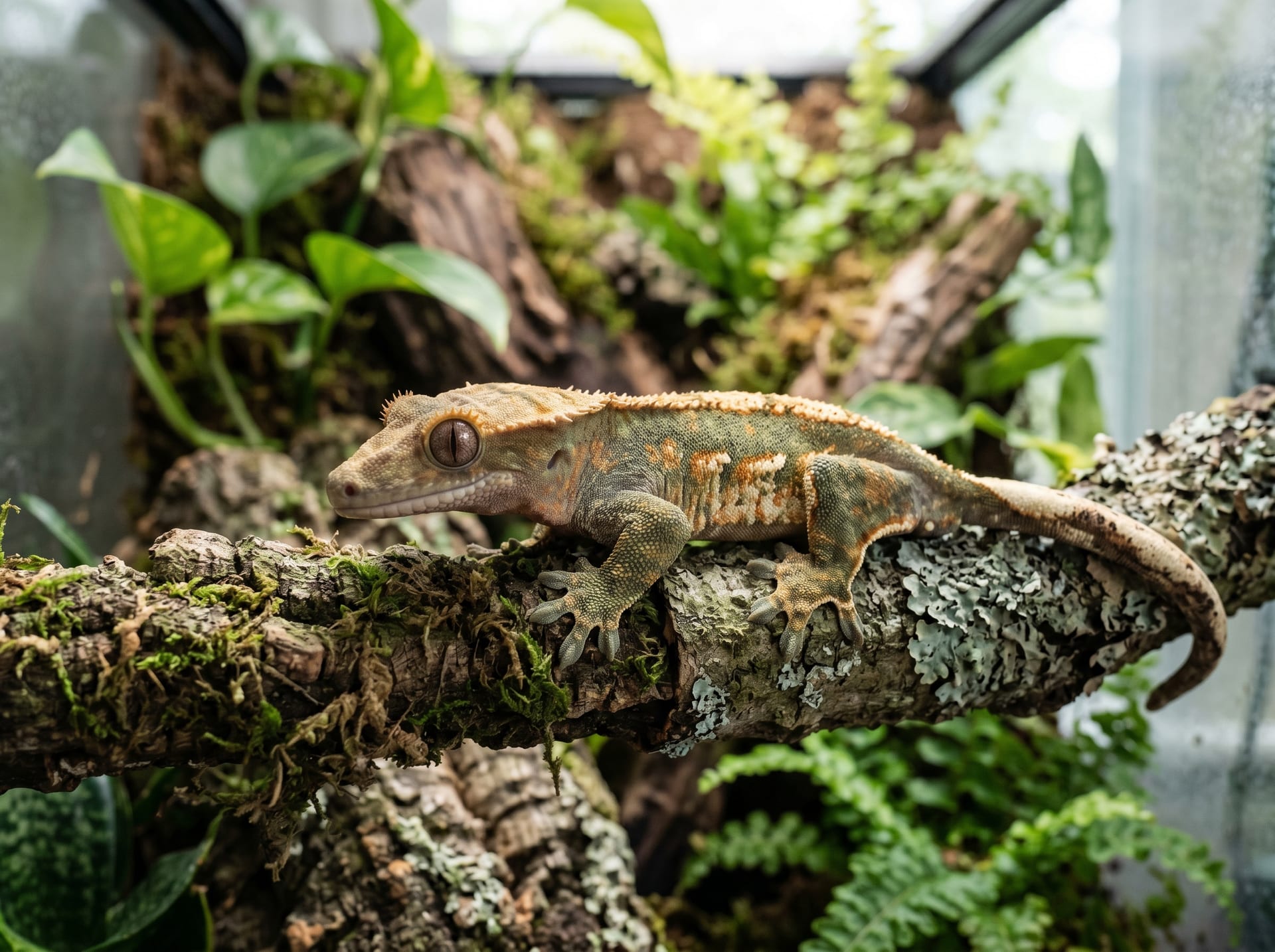
Shedding is an essential natural physiological process for reptiles to grow and maintain their health. By shedding their old skin and replacing it with new skin, they keep their bodies clean and repair injuries. However, if the captive environment is not appropriate, "incomplete shedding (retained shed)" can occur, and if left untreated, it can lead to serious health issues.
This article comprehensively explains reptile shedding mechanisms, from the causes and symptoms of incomplete shedding to treatment methods and prevention strategies.
Reptile Shedding Mechanism
Unlike mammals, reptile skin does not gradually replace itself in small amounts. Instead, the old epidermis layer is shed all at once in one large piece. The frequency of shedding varies by species and growth stage—juveniles in their growth phase shed once or twice per month, while adults shed approximately once every few months.
As shedding approaches, many species show the following signs:
- Body color becomes dull and whitish (particularly noticeable in snakes and geckos)
- Eyes become cloudy (called "blue phase" in snakes)
- Appetite decreases
- The animal becomes withdrawn in its hiding spots
- The animal becomes more nervous than usual and resists handling
Snakes ideally shed their skin like turning a sock inside-out, starting from the tip of the head with one continuous piece, while lizards and geckos typically shed in patches that flake off across different body parts.
Causes of Incomplete Shedding
The main causes of incomplete shedding are as follows:
Insufficient humidity: This is the most common cause. Without proper humidity before shedding, the old skin dries out and adheres to the new skin underneath, preventing it from being shed properly. Special attention is needed during the dry winter months or in air-conditioned rooms.
Nutritional deficiency: Vitamin A deficiency affects skin health and can trigger incomplete shedding. This is more likely to occur when feeding a limited diet.
Temperature problems: If temperature is too low, metabolism slows and the shedding process cannot proceed normally. Conversely, excessively high temperatures leading to dehydration can also cause incomplete shedding.
Poor enclosure conditions: If there are no appropriate surfaces for the reptile to rub against during shedding (such as driftwood, rocks, or wet shelters), they cannot properly catch and peel off their skin.
Mites or skin infections: External parasites or skin infections can interfere with the shedding process.
Stress or poor health: Environmental changes, overcrowding, or underlying health conditions can negatively affect shedding.
High-Risk Areas and Symptoms of Incomplete Shedding
There are particular body areas where incomplete shedding requires special attention.
Toes and claws: Retained old skin dries out and constricts, potentially blocking blood circulation. In the worst cases, toes can become necrotic and fall off. This is a particularly high-risk area for species with delicate toes, such as leopard geckos and crested geckos.
Tip of the tail: Similar to the toes, if blood flow is blocked, there is risk of necrosis.
Around the eyes: If the spectacle (the transparent scale covering the eye) remains, it can cause vision problems, preventing the reptile from recognizing food and leading to loss of appetite. This requires particular attention in snakes.
Around the cloaca: Retained old skin can cause excretion disorders.
Treatment for Incomplete Shedding
If incomplete shedding is discovered, proceed with the following steps:
Warm water soak: Fill a shallow container with lukewarm water at approximately 30-32°C and soak the reptile for 10-20 minutes. The old skin becomes saturated and softens, making it easier to remove. Always supervise during the soak and keep the water depth to less than half the reptile's body height to prevent drowning.
Wet paper towel method: Place damp paper towels in a plastic container, place the reptile inside, and leave it for approximately 30 minutes with small air holes drilled in the lid. The high humidity in this sealed space softens the skin.
Careful removal with cotton swabs or tweezers: After thoroughly softening, gently rub the old skin away with a damp cotton swab. Never force it off as this can damage the new skin. If any part does not come off, soften it again before attempting removal.
Removing the spectacle (eye cap): The old skin around the eyes is extremely delicate. If you are uncertain, always consult with a reptile-specialist veterinarian. Forcefully removing it risks damaging the cornea.
Prevention of Incomplete Shedding
Regular environmental management can prevent incomplete shedding.
- Maintain appropriate humidity: Keep humidity levels suited to the species you are keeping. Increasing humidity before shedding is effective. Setting up a permanent wet shelter (a shelter filled with damp sphagnum moss) is effective for many species
- Provide a water dish: Offering a water bowl large enough for the animal to soak in allows them to self-hydrate and soften their skin
- Arrange shedding-aid materials: Place surfaces the reptile can rub against in the enclosure, such as driftwood, cork bark, or rocks
- Balanced feeding and supplements: Use supplements containing calcium, vitamin A, and vitamin D3 appropriately
- Limit handling before and after shedding: Before shedding, the animal becomes nervous, so minimize handling to reduce stress
Welcome a Healthy Individual from BreederDirect
Most shedding problems can be prevented through daily observation and proper environmental management. However, if the acquired animal was originally in poor nutritional condition or was kept in an improper environment for an extended period, there is a risk of repeated incomplete shedding from the start.
BreederDirect sells individuals directly from specialist breeders who maintain strict health standards. Before purchase, you can check the shedding status and feeding history of the individual in detail, allowing you to confidently welcome a healthy animal. You can also consult directly with the breeder about shedding management methods, so even beginners can feel assured.