Common Reptile Diseases and Prevention Methods Summary
Explains symptoms, causes, and treatment methods for common reptile conditions including metabolic bone disease, shedding problems, mouth rot, and parasitic infections. Introduces the importance of UV lighting and calcium supplementation, plus daily health check methods.
Key Takeaways
Explains symptoms, causes, and treatment methods for common reptile conditions including metabolic bone disease, shedding problems, mouth rot, and parasitic infections. Introduces the importance of UV lighting and calcium supplementation, plus daily health check methods.
Related Species
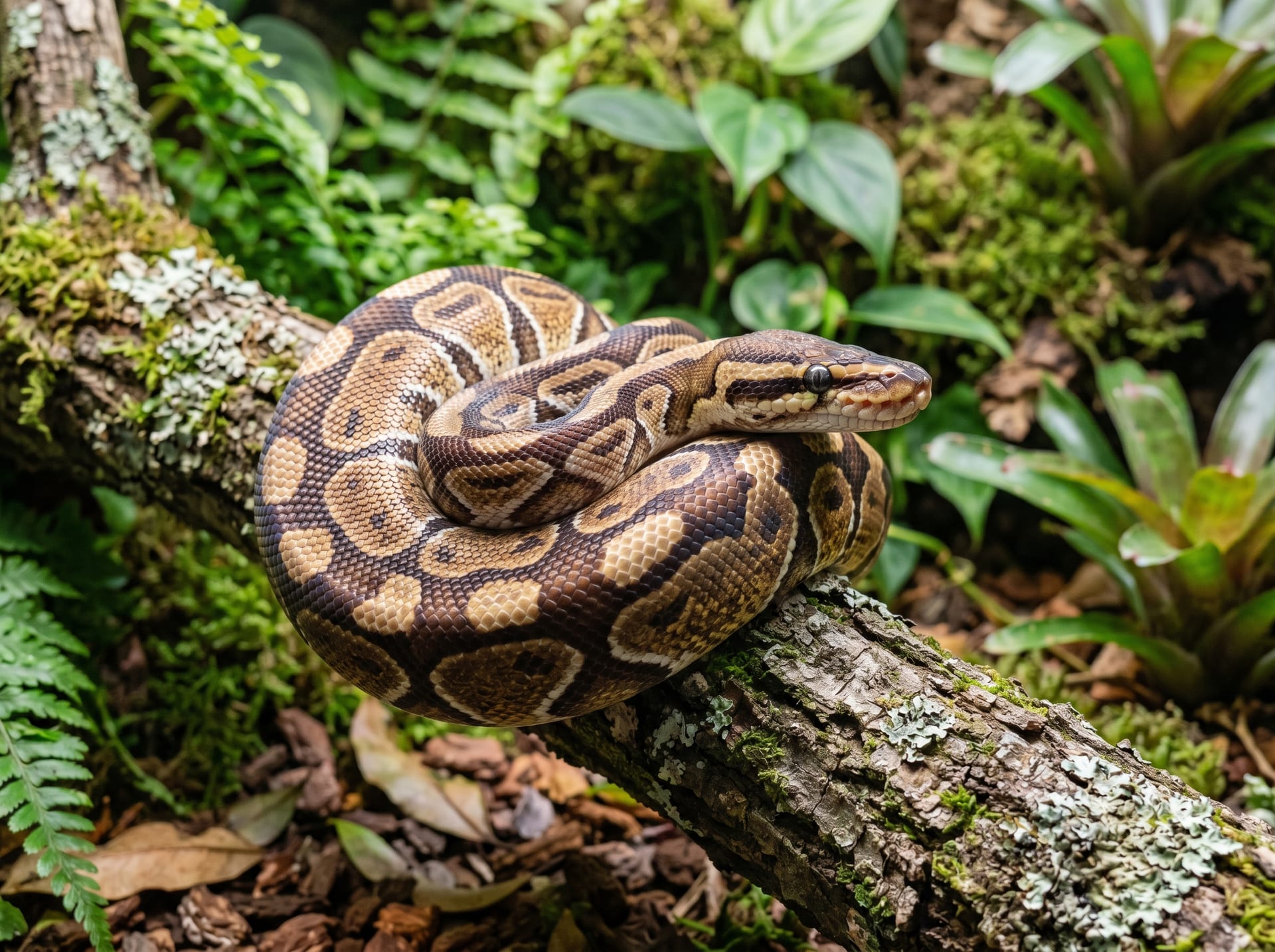
Since reptiles are ectothermic, managing temperature, humidity, and UV radiation in their living environment is fundamental to maintaining their health. Unlike mammals, they cannot generate body heat internally, so even minor environmental fluctuations can lead to weakened immunity and metabolic disorders. This article provides a detailed explanation of the symptoms, causes, and treatment methods for diseases and troubles frequently encountered in reptile care, and summarizes practical prevention tips you can implement through daily care.
Metabolic Bone Disease (MBD)
Metabolic bone disease is a condition where bones fail to form normally due to calcium or vitamin D3 deficiency, and it is one of the most common diseases among reptile ailments.
Main Symptoms
- Deformation of limbs and spine, or increased susceptibility to fractures
- Softening of jaw bones, making it difficult to close the mouth
- Body tremors, convulsions, and weakness
- Sluggish movement and loss of appetite
Causes and Prevention
The primary cause is lack of UVB lighting or improper management. Reptiles synthesize vitamin D3 in their bodies by exposing themselves to UVB radiation, which enables calcium absorption. Since the required UVB intensity varies by species, it is important to select products suited to your species and replace them regularly (most UVB bulbs experience a decline in UV output 6–12 months after initial use).
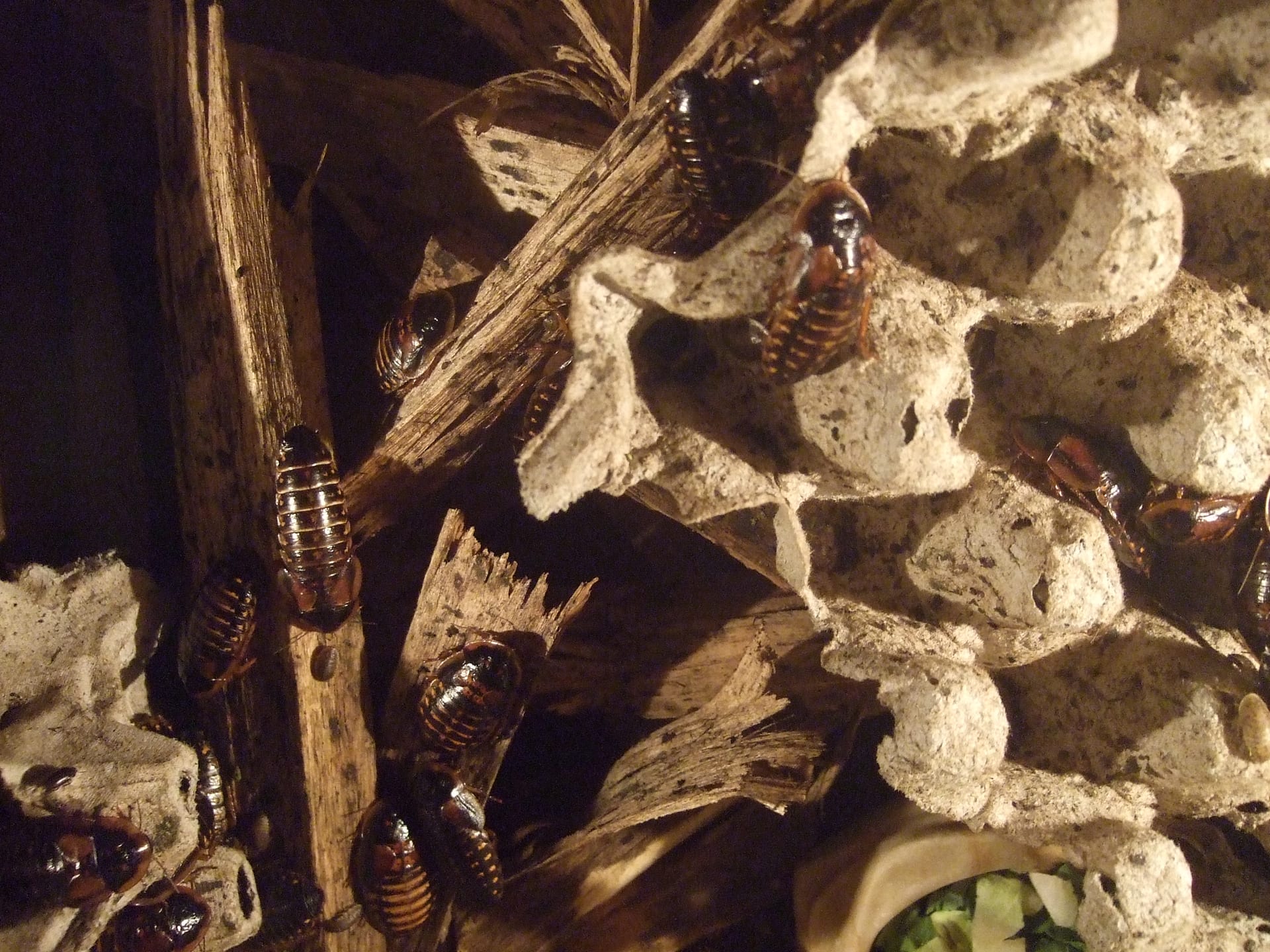
Additionally, make a habit of "dusting" live food such as crickets and dubia roaches with calcium powder at each feeding. Alternating between vitamin D3-containing powder and non-containing powder helps maintain proper balance.
Treatment
If symptoms appear, consult a reptile specialist veterinarian as soon as possible. Mild cases may recover with dietary and environmental improvements, but severe cases can result in permanent bone deformation, making early detection critical.
Shedding Problems
Healthy reptiles periodically shed their old skin, but "shedding problems" (dysecdysis) are a very common issue caused by various factors.
Main Symptoms
- Old skin remains partially (especially on fingertips, tail tips, and around the eyes)
- Skin wraps around fingertips, restricting blood circulation (risk of necrosis)
- Eyes remain white and cloudy without returning to clear (retained eye cap)
Causes and Prevention
The primary cause is insufficient humidity. For many species such as leopard geckos and ball pythons, it is recommended to increase humidity before shedding. Set up a wet shelter or moist box with sphagnum moss, and consciously raise the humidity when you notice pre-shedding cloudiness.
Poor nutrition is another contributing factor. When vitamins are insufficient, skin elasticity is lost and shedding becomes difficult.
Treatment
If shedding problems occur, soak the reptile in lukewarm water (around 30–35°C) for 15–20 minutes to soften the skin, then gently remove it with a cotton swab or your finger. Forcefully peeling can damage the skin, so take your time and be gentle. If skin remains on the fingertips or around the eyes, consider consulting a veterinarian.
Anorexia
Reptiles are sensitive to environmental changes and stress, and often stop eating for extended periods. If anorexia persists for more than two weeks, it is necessary to identify and address the cause.
Main Symptoms and Causes
| Situation | Possible Cause |
|---|---|
| Right after bringing home | Stress from environmental change |
| Body color has become whitish | Temporary appetite loss before shedding |
| Season has changed | Breeding season or winter dormancy mode |
| Temperature settings changed | Insufficient heat for digestion |
| Frequent noise outside the enclosure | Stress from excessive stimulation |
Treatment
First, review your temperature settings and check if the basking spot and overall temperature gradient are appropriate. Adding shelters to provide more hiding places often restores appetite due to increased sense of security. Stimulating appetite through tweezers feeding or switching to live food is also effective. If anorexia persists for 3–4 weeks or longer, or if weight loss is significant, there may be underlying illness or parasites, so consult a specialist. High summer temperatures can trigger anorexia, so also review reptile summer care management.
Parasitic Infections (Mites, Roundworms, Whipworms, etc.)
Reptiles are at risk for infection by both external parasites (mites and ticks) and internal parasites (roundworms, whipworms, coccidia, etc.).
Don't Miss the Warning Signs
- External mites: Small dots that appear to be moving in the gaps between scales, around the eyes, and near the vent
- Internal parasites: Worms or eggs mixed in feces, failure to gain weight or weight loss, chronic soft stools
- Overall lethargy: Weakened immunity often leads to additional symptoms
Routes of Infection and Prevention
Wild-caught (WC) individuals have a high probability of carrying parasites. Even captive-bred (CB) individuals can become infected if fed unquarantined live food (such as wild-caught crickets). It is advisable to have a fecal exam done after purchase for peace of mind. To prevent mite infestation, heat-treat or dry-clean all accessories such as substrate and driftwood before use.
Treatment
Internal parasites require fecal examination and deworming medication from a reptile specialist veterinarian. For external mites, use a reptile-specific mite spray; however, some formulations can be toxic, so always choose products explicitly labeled for reptile use. It is also essential to thoroughly clean and disinfect the entire enclosure and completely replace the substrate.
Daily Prevention Tips
Many diseases can be prevented through proper daily environmental management. Refer to the checklist below to help with your daily care routine.
Environmental Management Basics
- Temperature gradient: Maintain basking spot at 35–40°C and cool side around 25°C. Always confirm the appropriate temperature range for your species.
- Humidity management: Maintain humidity levels appropriate for your species and adjust higher before shedding.
- UVB lighting: Replace every 6–12 months. Choose bulbs with an appropriate coverage area for your enclosure size.
- Clean enclosure: Remove waste daily. Completely replace substrate regularly.
- Feeding management: Dust with calcium powder at every feeding. Add vitamin supplements 1–2 times per week.
Habits for Early Detection
Develop a habit of observing your reptile's weight, appetite, stool condition, and skin appearance during daily feeding. When you notice changes, jot down the date and details—this will be helpful when consulting with a veterinarian. As of 2026, there is an increasing number of smartphone apps available for tracking care records and weight changes, and utilizing them enables more precise health management.
BreederDirect's Safety and Assurance System
BreederDirect focuses on CB (captive-bred) reptiles that breeders have bred themselves. Compared to wild-caught individuals, they carry lower parasitic risk and are already adapted to human handling and captive environments.
Additionally, you can message breeders directly before purchase to confirm care history, feeding practices, health status, and shedding condition, providing a supportive environment where even beginners can ask questions with confidence. Acquiring a healthy individual is the first step in disease prevention. If you're starting your reptile keeping journey, please take advantage of BreederDirect's reptile listings where you can purchase directly from trusted breeders.