Reptile Genetic Diseases and Congenital Abnormalities Guide | Causes, Identification, and Breeder Ethics
What are genetic diseases and congenital abnormalities in reptiles? From the neurological disorders of Spider morphs to one-eyed individuals, this guide explains causes, health management, and the ethical considerations breeders must weigh.
Key Takeaways
What are genetic diseases and congenital abnormalities in reptiles? From the neurological disorders of Spider morphs to one-eyed individuals, this guide explains causes, health management, and the ethical considerations breeders must weigh.
Related Species
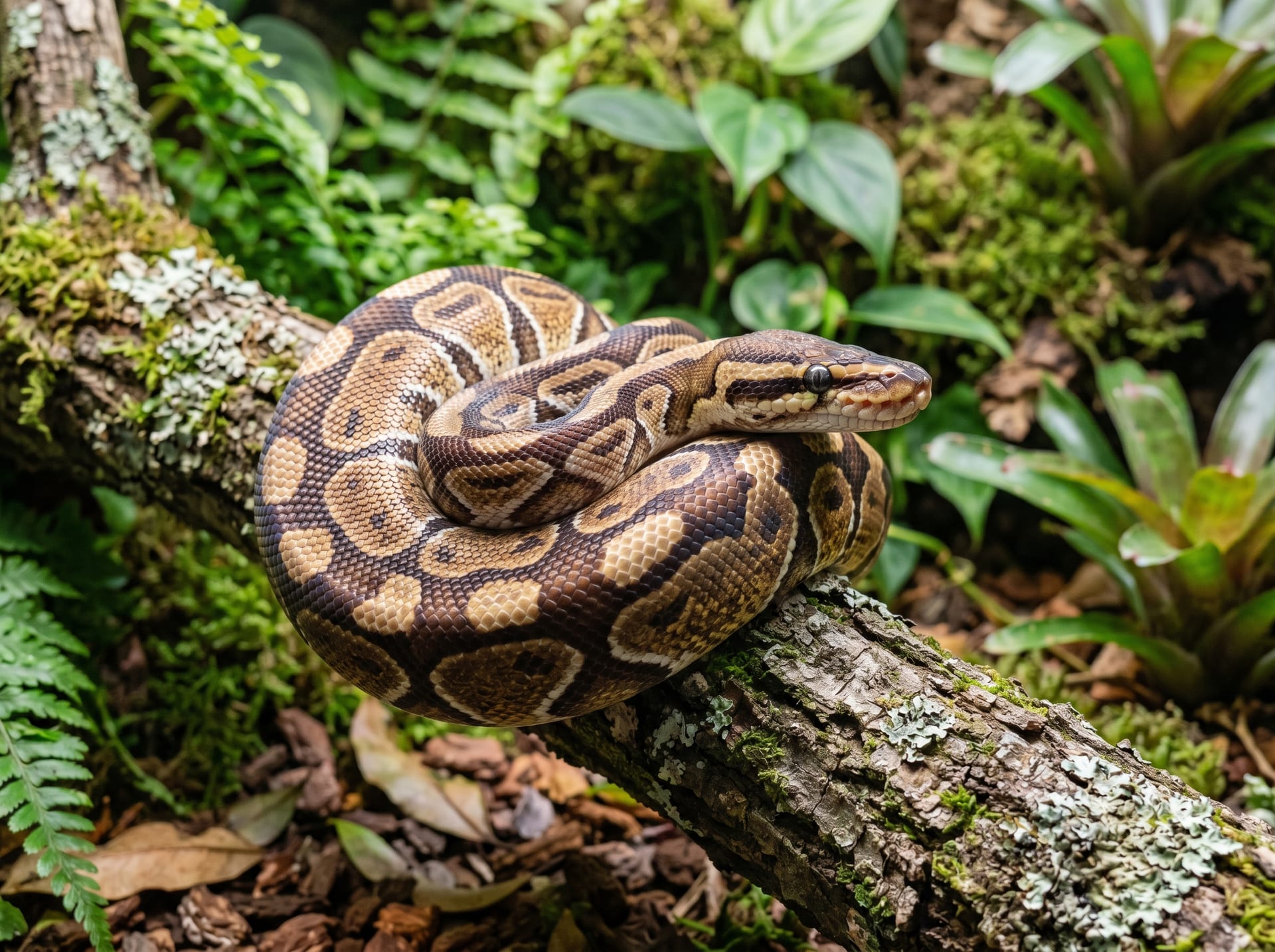
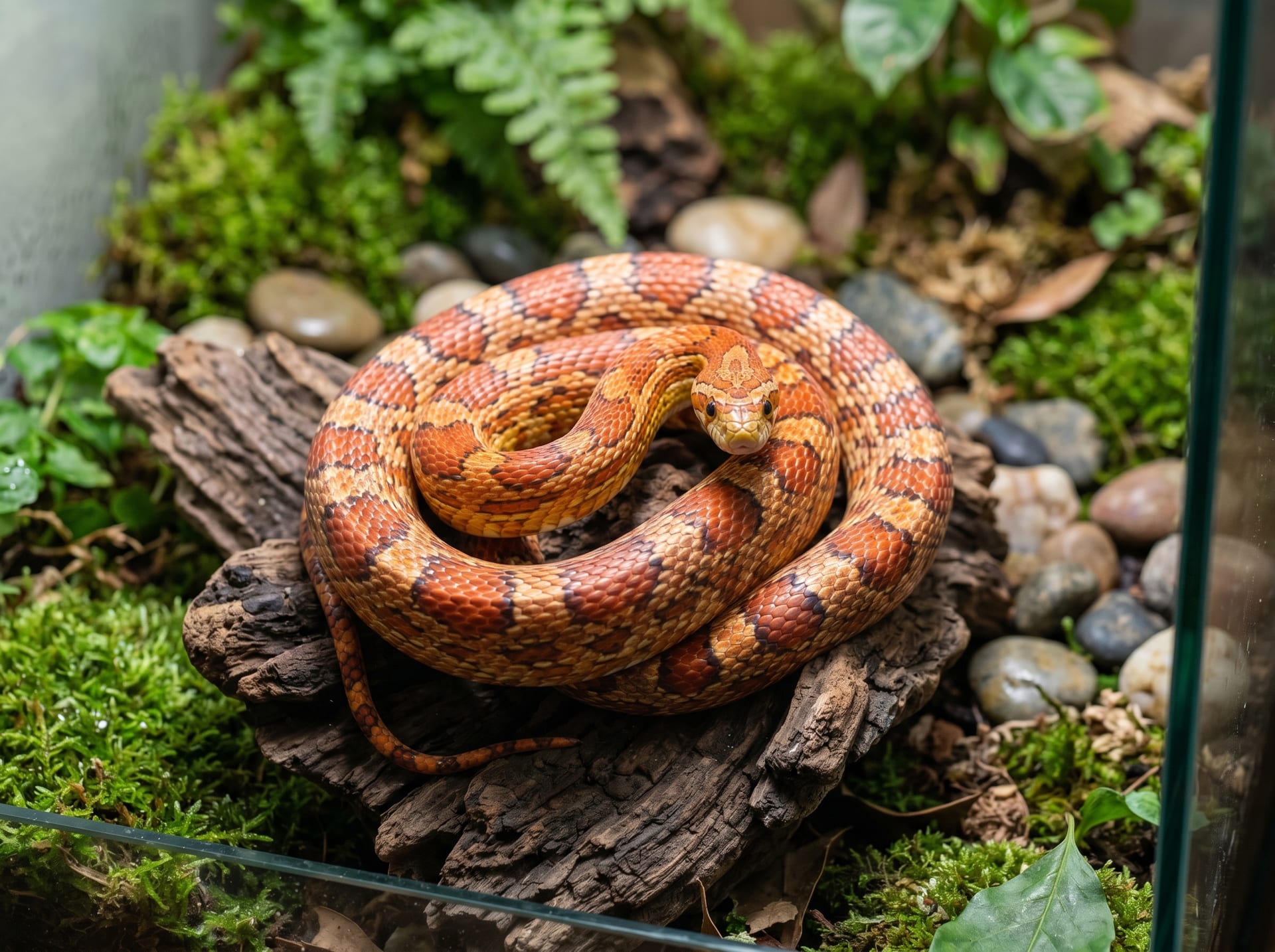
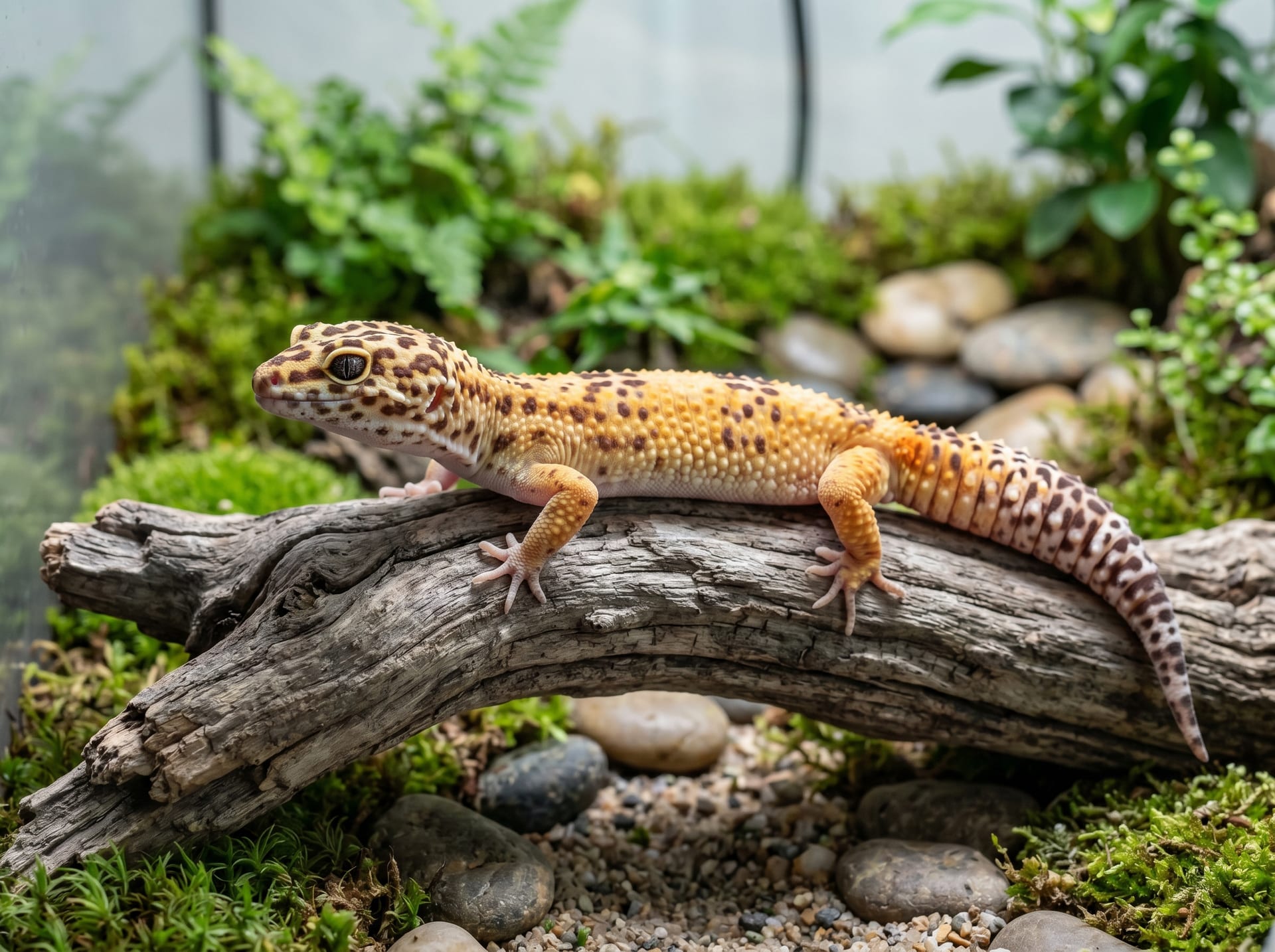
In modern reptile keeping, where morph breeding has become widespread, genetic diseases and congenital abnormalities are issues that cannot be overlooked. Among rare and beautiful morphs, certain genetic combinations can trigger neurological disorders or structural abnormalities. Possessing knowledge of these conditions—as both a keeper and breeder—is essential for protecting animal welfare and making sound breeding decisions. This article explains the main types of genetic diseases and congenital abnormalities found in reptiles, how to identify them, and the ethical considerations involved.
Genetic Disease vs. Congenital Abnormality
First, let's clarify the terminology. Genetic disease is a condition caused by a specific gene mutation and is inherited from parent to offspring. Congenital abnormality refers to morphological or functional abnormalities present at birth, which may result not only from genetic causes but also from environmental factors such as improper temperature or humidity during incubation, infection, or drug exposure. In reptiles, neurological disorders linked to morph genes are a prime example of genetic disease, while morphological abnormalities (malformations) arising from environmental problems during embryonic development exemplify congenital abnormalities.
Representative Neurological Disorder: The Spider Morph Problem
The Spider morph of Ball Pythons (Python regius) is popular for its striking web-like pattern, but the neurological disorder associated with the Spider morph (wobble symptom) has long been a subject of debate in the reptile-keeping community.
Most individuals carrying one copy of the Spider gene (heterozygous) display neurological symptoms including head tilt, twisting, inversion, and star gazing (head continuously held upward). The severity varies greatly among individuals, ranging from nearly asymptomatic animals to those unable to maintain normal posture. This neurological condition is said not to worsen with growth, though symptoms may intensify during feeding stress or environmental changes.
This morph exhibits autosomal dominant inheritance, and homozygous individuals (two copies) are lethal. When Spider is crossed with Spider, approximately 3/4 of viable offspring display the Spider phenotype (with neurological symptoms), while 1/4 are Super Spider (lethal, stillborn, or death shortly after hatching).
Other Genetic Neurological Disorders and Problem Morphs
Caramel morph Ball Pythons have also been reported to show neurological symptoms, with severe cases displaying star gazing similar to Spider.
Enhancer morphs in Corn Snakes (particularly those from complex WMAS-line crosses) have been reported by some breeders to result in increased post-hatching mortality. The detailed mechanisms remain under investigation.
Lemon Frost morph in Leopard Geckos (Eublepharis macularius) has been scientifically linked to neuroendocrine tumors (IEL tumors). A 2020 study from UC Davis confirmed that the Lemon Frost gene promotes tumor formation, raising ethical questions about continuing to breed this morph.
Congenital Abnormalities from Environmental Factors
Separate from morph genetics, congenital abnormalities from incubation mismanagement are not uncommon.
Temperature-dependent sex determination abnormalities and morphological defects: Many reptiles employ temperature-dependent sex determination (TSD). When egg incubation temperatures fall outside the appropriate range, abnormal sex ratios can occur along with spinal curvature, limb malformations, and underdeveloped organs. Excessively high incubation temperatures are particularly prone to causing morphological abnormalities.
Malformations from excessive humidity or desiccation: When the egg fails to undergo proper gas exchange, developmental defects arise. Excessive humidity in particular can cause eggs to become "waterlogged," preventing normal development.
Effects of infection: When parent animals are infected with adenovirus, reovirus, inclusion body disease (IBD), or similar pathogens, eggs and hatchlings may develop neurological symptoms or organ damage.
Identifying Congenital Abnormalities and Daily Care
Signs of abnormalities observable from immediately after hatching include:
- Unstable posture, constantly lying on its side, or continuously twisting its head
- Obvious deformities in limbs, tail, or spine
- One eye missing (one-eyed individual)
- Asymmetrical body shape, abdominal bulging (organ prolapse)
For individuals with neurological symptoms, maintaining a stable environment is paramount. Sudden temperature changes, excessive handling, and cohabitation with other animals amplify stress and worsen symptoms. Feeding may require assistance, such as using tweezers to place food near the mouth. Individuals with congenital visual impairment particularly benefit from feeding with tweezers.
When symptoms are severe and daily maintenance causes apparent suffering, consultation with a reptile veterinarian and appropriate management become necessary from an animal welfare perspective.
Ethical Considerations for Breeders
Breeders working with morphs related to genetic disease and congenital abnormalities should adhere to the following standards:
- When breeding morphs with neurological disorders, there is an obligation to honestly disclose the severity and incidence rate of symptoms to buyers.
- Combinations like Spider-to-Spider crosses that create "homozygous lethality" are criticized by the breeding community as intentionally producing stillborn and malformed offspring.
- When scientific evidence accumulates, as in the Lemon Frost case, the decision to continue or stop breeding remains with the individual breeder's ethics, though an informed decision based on current knowledge is essential.
- When selling individuals with congenital abnormalities, full disclosure of the animal's condition is necessary, and transfer to only experienced keepers capable of appropriate care is preferable.
Morph breeding in reptiles is a fascinating hobby, but maintaining a constant focus on animal welfare and ethical responsibility contributes to the development of reptile culture as a whole.