Complete Guide to Respiratory Infections (RI) in Reptiles | Symptoms, Causes, Treatment, Prevention Strategies, and When to Visit a Veterinarian
What is Respiratory Infection (RI) in Reptiles? Respiratory Infection (RI) is one of the most common diseases that reptiles contract.
Key Takeaways
What is Respiratory Infection (RI) in Reptiles? Respiratory Infection (RI) is one of the most common diseases that reptiles contract.
Related Species
What is Respiratory Infection (RI) in Reptiles?
Respiratory Infection (RI) is one of the most common diseases that reptiles contract. While causes include bacterial, viral, fungal, and parasitic origins, in captive settings the most common pattern is low temperature and high humidity creating an inappropriate environment that lowers immunity, allowing commensal bacteria to proliferate.
RI occurs in snakes, lizards, and turtles alike, but is particularly common in ball pythons with their large bodies and complex lung structures, tortoises where temperature management is challenging, and chameleons with high humidity requirements. Early detection and appropriate environmental improvement are key to recovery.
Main Symptoms and Early Detection Points
RI symptoms range from mild to severe, and catching and treating them early prevents serious progression.
Mild symptoms
- Clear to white nasal discharge from the nostrils
- Mouth-open breathing
- Faster or shallower breathing than usual
- Decreased appetite
Moderate to severe symptoms
- Sticky yellow or green nasal discharge or oral mucus
- Wheezing sounds (wheeze)
- Snakes attempting to hold their heads upright (particularly in severe cases)
- Reduced ability to hold the body upright, lethargy
- Marked loss of appetite and weight loss
When wheezing is heard, pneumonia should be suspected and immediate veterinary consultation is strongly recommended.
Main Causes and Risk Factors
Temperature management failures Reptiles are ectothermic and without proper temperature gradients, immune function is severely compromised. When the basking site temperature is too low, digestion and immune activity stop, allowing commensal bacteria to cause infection.
Humidity imbalance Chameleons and some turtles require high-humidity environments, but poor ventilation leads to condensation and mold. Conversely, extremely low humidity in ball pythons can dry out the trachea, increasing susceptibility to infection.
Infection from new individuals Wild-caught (WC) specimens or inadequately quarantined captive-bred (CB) individuals may introduce viruses, bacteria, or internal parasites.
Stress Moving, excessive handling, or intimidation from other individuals can suppress immunity.
Treatment and Management
First, reassess the environment If symptoms are mild, simply adjusting temperature and humidity can lead to improvement. Verify that the basking spot reaches the correct temperature and that there is adequate temperature difference between the basking and cool zones.
Situations requiring veterinary examination
- Wheezing is audible
- Mucus is accumulating in the oral cavity
- Symptoms do not improve after 3 or more days
- Loss of appetite persists for a week or longer
A veterinarian will perform oral and airway swab cultures, X-ray examination of the lungs, blood work, and other tests. Bacterial RI is treated with antibiotics (injection or oral).
Important notes during antibiotic treatment Always complete the full course of prescribed antibiotics. Even if symptoms improve, stopping early risks the development of antibiotic-resistant bacteria.
Prevention and Daily Management
The greatest prevention for RI is proper temperature and humidity management. Check thermometers and hygrometers daily, adjusting heaters and thermostats seasonally.
Checklist
- Is the basking spot temperature maintained at the species-appropriate optimal temperature?
- Is nighttime temperature appropriate (maintaining a minimum of 10–15°C or higher)?
- Is drinking water always clean and replenished?
- Is ventilation adequate and moisture not accumulating?
- Are new specimens isolated for a minimum of 4–6 weeks for health confirmation?
Monthly weight measurement and observation records are also an effective means of detecting health changes early.
Species-Specific Considerations
Respiratory infection risk and symptom presentation vary by reptile species.
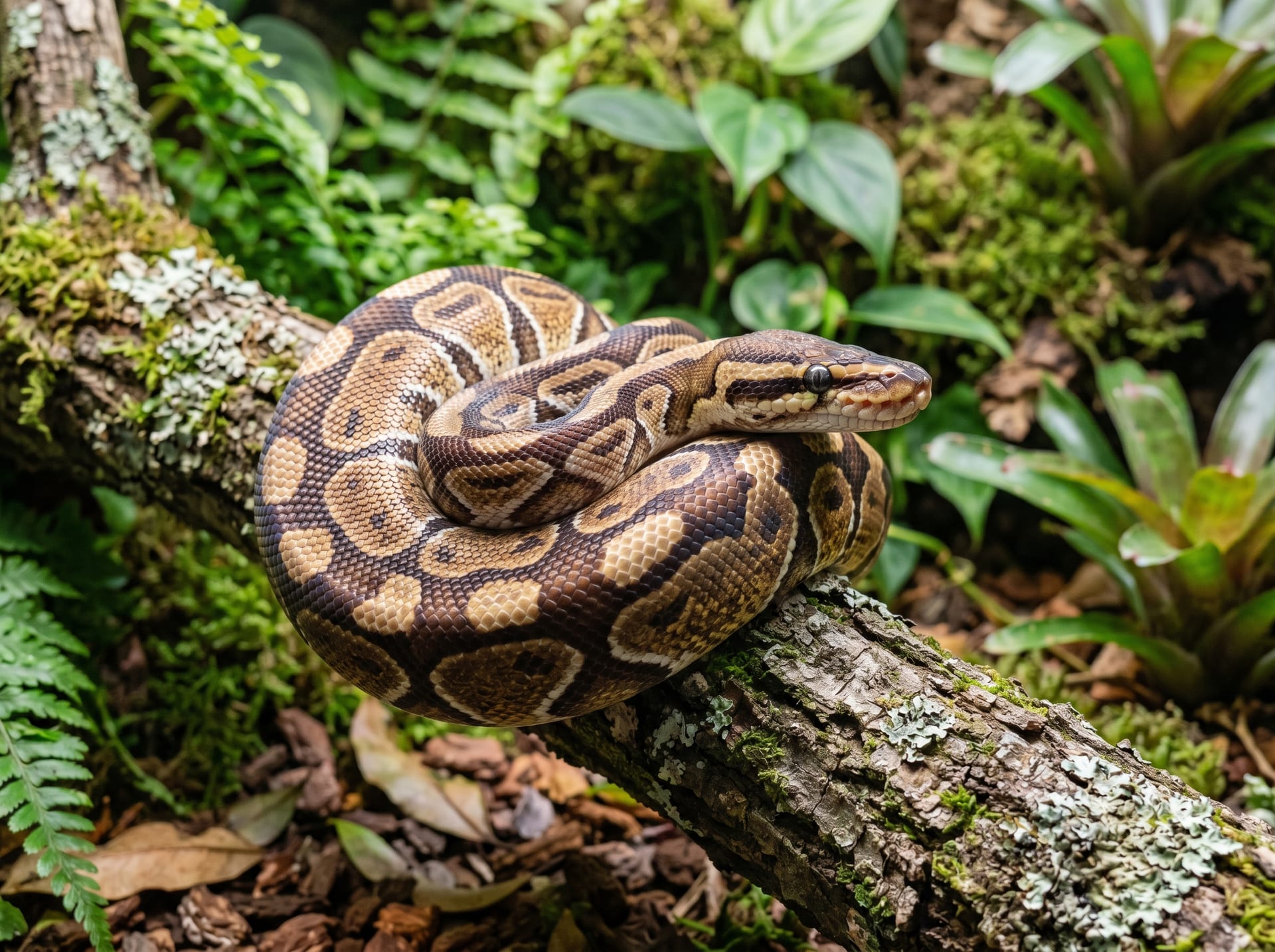
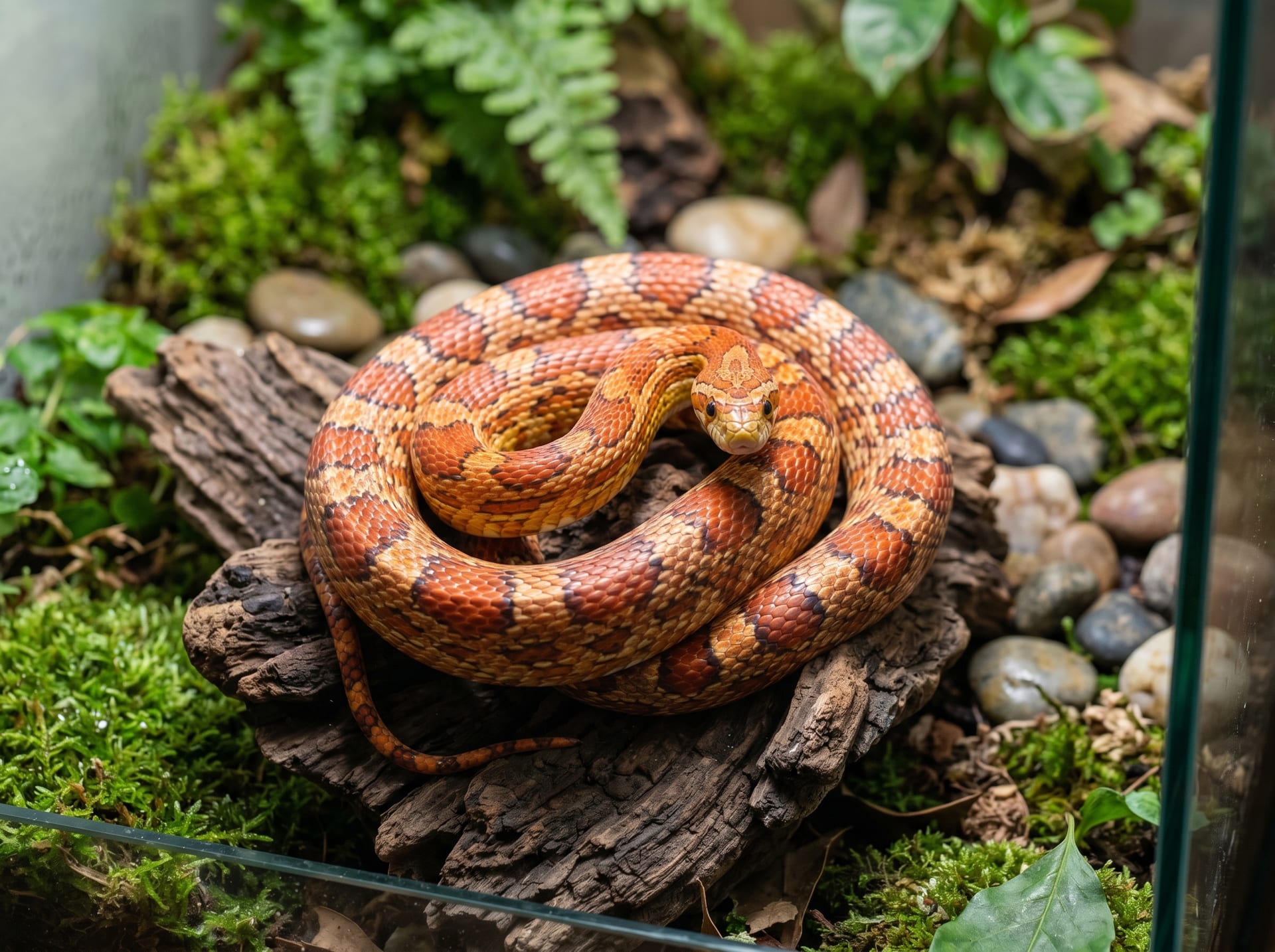
Snakes (Ball Pythons, Corn Snakes, etc.) When snakes develop RI, they may exhibit "star-gazing" behavior—attempting to hold their heads upright. This is a sign of serious progression. Symptoms also include bubbles from the nostrils and mucus dripping from the mouth. Ball pythons are particularly prone to RI from excessive dryness and low temperatures, making environmental review critical.
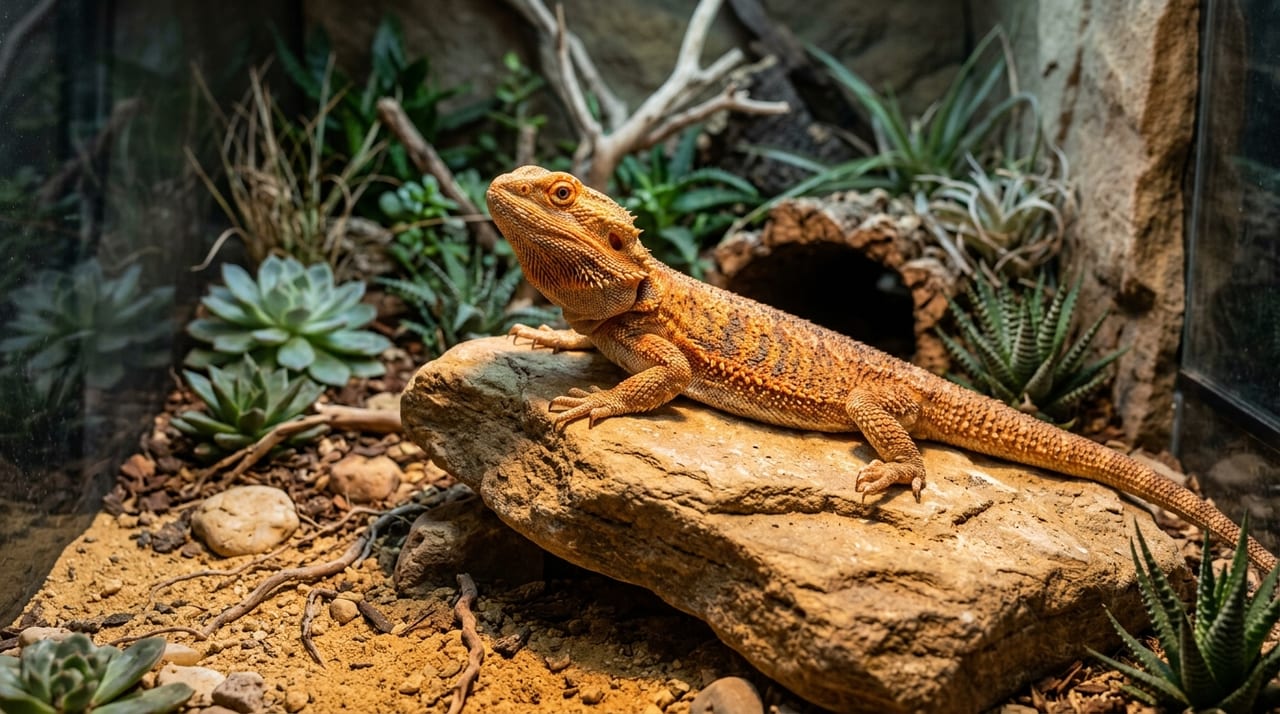
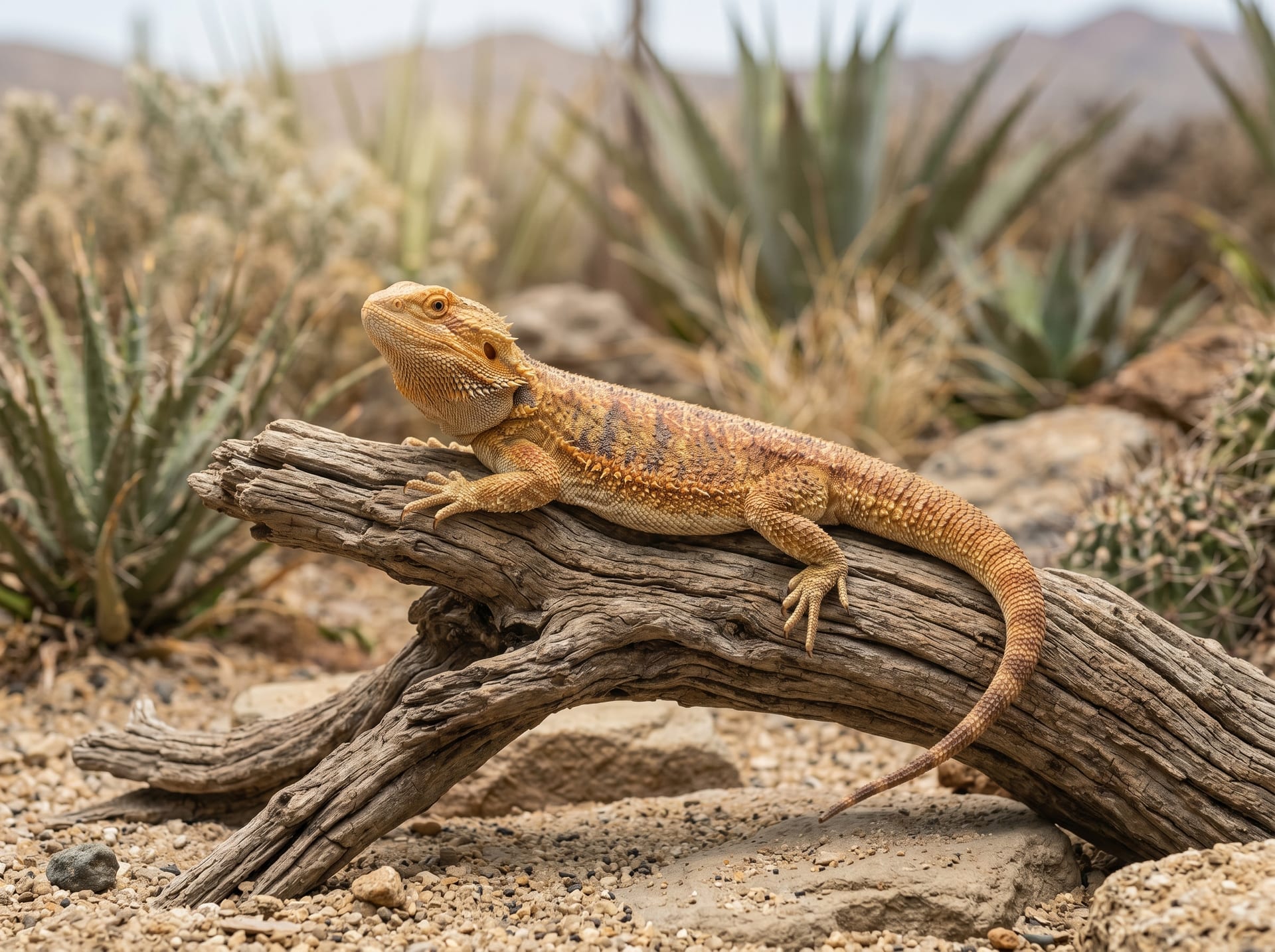
Lizards (Central Bearded Dragons, Leopard Geckos, etc.) In central bearded dragons, symptoms include darkening of the lower jaw and open-mouth breathing. Leopard geckos often start with mild symptoms such as small bubbles at the nostrils, and sometimes recovery occurs simply by correcting temperature management.
Turtles (Tortoises, Aquatic Turtles) Turtles show symptoms such as nasal mucus discharge, sniffling sounds, or liquid coming from only one nostril. Wild-collected individuals frequently carry respiratory parasites (particularly tortoises), and imported specimens require special attention.
Preventing Recurrence After Recovery
Individuals recovered from respiratory infection require more careful environmental management than usual until immune function fully returns.
- For 2–3 months after treatment completion, be especially thorough with temperature management
- Continue weight monitoring to confirm weight stability
- If appetite drops again or respiratory sounds change, seek medical attention promptly
- In multi-specimen keeping, periodically check other individuals for infection
The fundamental prevention of RI comes down to "providing an appropriate environment." Maintaining four factors—temperature management, humidity management, a clean enclosure, and proper nutrition—is the best way to protect your reptile's health.