Jackson's Chameleon Care Guide | 3-Horned High-Altitude Chameleon, Cage, Misting, and Feeding
A comprehensive guide to caring for Jackson's chameleons, characterized by three distinctive horns like a triceratops. Learn about the necessity of a vertical mesh cage with excellent ventilation, temperature gradient management (basking 28–32°C, nighttime 15–18°C), maintaining high humidity (60–80%) with automated misting systems, gut-loading of crickets and dubia roaches with nutrition, habituation to handling, and detailed health monitoring (eyes, weight, shedding, and waste) for optimal care.
Key Takeaways
A comprehensive guide to caring for Jackson's chameleons, characterized by three distinctive horns like a triceratops. Learn about the necessity of a vertical mesh cage with excellent ventilation, temperature gradient management (basking 28–32°C, nighttime 15–18°C), maintaining high humidity (60–80%) with automated misting systems, gut-loading of crickets and dubia roaches with nutrition, habituation to handling, and detailed health monitoring (eyes, weight, shedding, and waste) for optimal care.
About Jackson's Chameleons
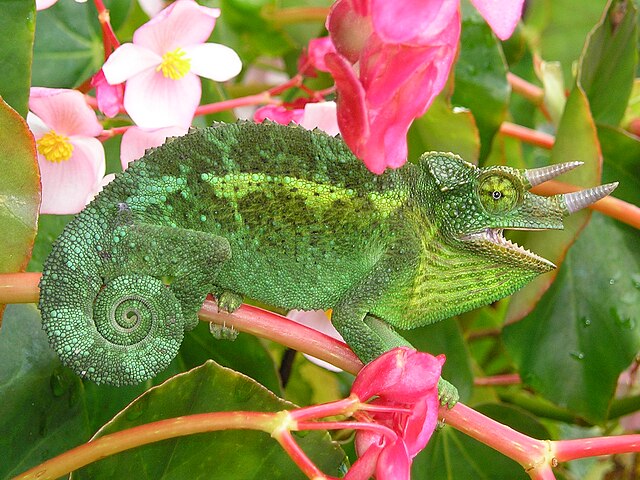
Jackson's chameleon (Trioceros jacksonii) is native to East Africa, specifically Kenya and Tanzania. The most distinctive feature is the three horns on the head of males (one frontal horn and two supraorbital horns). Due to their resemblance to a triceratops dinosaur, they are sometimes called "the dinosaur chameleon" and are extremely popular among reptile enthusiasts.
✍️
BreederDirect Editorial
The BreederDirect editorial team specializes in care information for animals, covering veterinary care and breeding to deliver beginner-friendly guides.
Find Reptiles on BreederDirect
Buy directly from verified breeders
Browse Related Listings
Find Reptiles listings related to this article on BreederDirect. Buy directly from verified breeders.
Subspecies and Characteristics of Jackson's Chameleons
Subspecies
Origin
Characteristics
Jackson's Chameleon (nominate)
Kenyan highlands
Most common. Males have three horns
Mertens's Chameleon
Kenyan coast
Slightly smaller with shorter horns
xantholophus subspecies (Hawaiian)
Hawaii (introduced)
Larger body, yellowish coloration
Distinguishing Males from Females
Sex
Characteristics
Male
Three horns on head. Variable body coloration
Female
No horns (or only vestigial small protrusions)
Setting Up the Enclosure
Choosing a Cage
Chameleons are best housed in vertical mesh screen cages (prioritizing ventilation). Glass aquariums are not suitable (inadequate ventilation and respiratory disease risk from stagnant air).
Recommended Cage Size (Adult Males)
Width 45cm × Depth 45cm × Height 90cm (minimum)
Width 60cm × Depth 60cm × Height 120cm (ideal)
Females and juveniles: Width 45cm × Depth 45cm × Height 60–90cm is acceptable.
Cage material: Aluminum screen or PVC-coated mesh cages excel in ventilation and cleanliness (such as ZooMed ReptiBreeze in Japan).
Plants and Décor
Jackson's chameleons live on plants (branches and foliage) within their enclosure. Adequate plant and branch placement is essential.
Recommended Plants (Non-Toxic)
Pothos (Epipremnum aureum): Also helps maintain humidity
Ficus benjamina: Sturdy branches provide stable footing
Hibiscus (pesticide-free): Harmless if consumed, and they may eat the flowers
Branch placement: Arrange branches horizontally and vertically throughout the cage, creating foothold options at varying heights and diameters. Chameleons prefer branches similar in diameter to their body.
Temperature Management
Temperature gradient (thermal zone) setup is essential
Location
Temperature
Basking spot
28–32°C
Cool side (cage bottom)
18–22°C
Nighttime (entire cage)
15–18°C (cooling required)
Jackson's chameleons are cool-preferring, high-altitude species. High temperatures (35°C and above) are fatal. During summer months, air conditioning or cooling fans must be used to lower the temperature within the cage.
Basking lamp: Install one 25–40W incandescent bulb or specialized basking lamp.
Lighting schedule: 12 hours day / 12 hours night (adjust seasonally if desired)
Humidity and Water
Jackson's chameleons require high humidity (60–80%).
Automated Misting System Strongly Recommended
Operate an automated misting system (MistKing / EZ Mist, etc.) 2–4 times daily for 1–2 minutes per cycle.
Chameleons rarely drink from water bowls; instead, they lick water droplets from leaves and branches. A dripper system also serves as a useful supplement.
Monitoring waste: Check whether droppings are white (uric acid) or brown (normal feces). Excessive white uric acid crystals signal dehydration.
Diet and Nutrition
Primary Food Items
Food Type
Characteristics
Feeding Frequency
Crickets (Acheta / Gryllus)
Staple diet. Easy to source
Daily to every 2 days
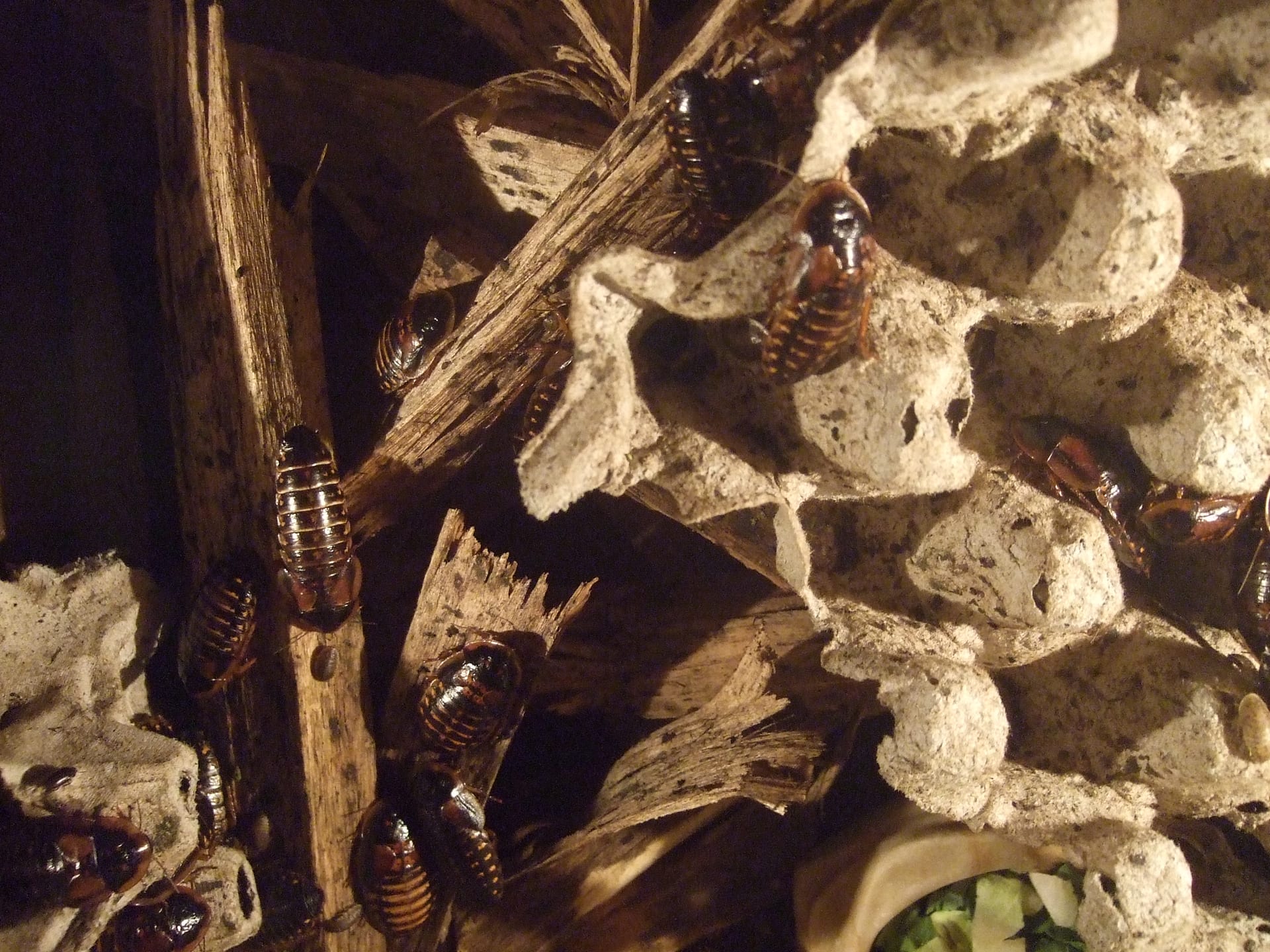
Dubia roaches
Highly nutritious, low-stress
Daily to every 2 days
Waxworms
High palatability, fatty
1–2 times weekly
Phoenix worms
Rich in calcium
2–3 times weekly
Wild-caught insects
Monitor pesticide risk
1–2 times monthly (verify safety)
Gut-Loading (Intestinal Loading)
Before feeding, provide feeder insects with nutrient-rich vegetables (mustard greens, squash, carrots, etc.) for 24–48 hours to enhance their nutritional value.
Supplements
Calcium dusting: Apply calcium powder (without vitamin D₃) at each feeding (D₃-fortified formula 2–3 times weekly).
Vitamin supplementation: Reptile multivitamin (Herptivite / Repashy, etc.) once weekly.
Feeding Schedule and Quantity
Age
Frequency
Quantity per Feeding
Juveniles (–6 months)
Daily
5–10 insects about half the chameleon's body length
Subadults (6–18 months)
Every 2 days
5–8 insects
Adults (18 months+)
Every 2–3 days
4–6 insects
Handling and Health Management
Jackson's chameleons are relatively docile among chameleons, but they are extremely stress-sensitive.
Handling Guidelines
Observe only for the first 2–3 weeks (do not handle)
Handle once or twice weekly, no more than 5 minutes per session
If the body darkens (stress coloration), return the animal immediately
When grasping a thin branch, position the branch in your hand and allow the chameleon to climb on willingly
Health Monitoring Checklist
Check Item
Normal
Warning Signs
Eyes
Bright and open with alert behavior
Sunken or recessed
Body weight
Appropriate for species and age
Bones protruding from emaciation
Waste
Droppings 1–2 times daily plus white uric acid
Paste-like feces or absent uric acid
Appetite
Tongue extends to capture prey
No feeding for 3+ days
Shedding
Regular full-body shedding (1–2 times monthly)
Incomplete shedding (old skin retained)
Jackson's chameleons require more maintenance than many reptiles, but their unique three-horned appearance and distinctive ecology offer unparalleled appeal among reptile species. With attention to cage ventilation, proper temperature and humidity, and consistent daily misting, they can thrive for several years.