Gargoyle Gecko Care Guide | Differences from Crested Geckos and Care Tips
Explains Gargoyle Gecko care methods. Introduces differences from Crested Geckos, temperature and humidity management, fruit food selection, and handling tips.
Key Takeaways
Explains Gargoyle Gecko care methods. Introduces differences from Crested Geckos, temperature and humidity management, fruit food selection, and handling tips.
Related Species
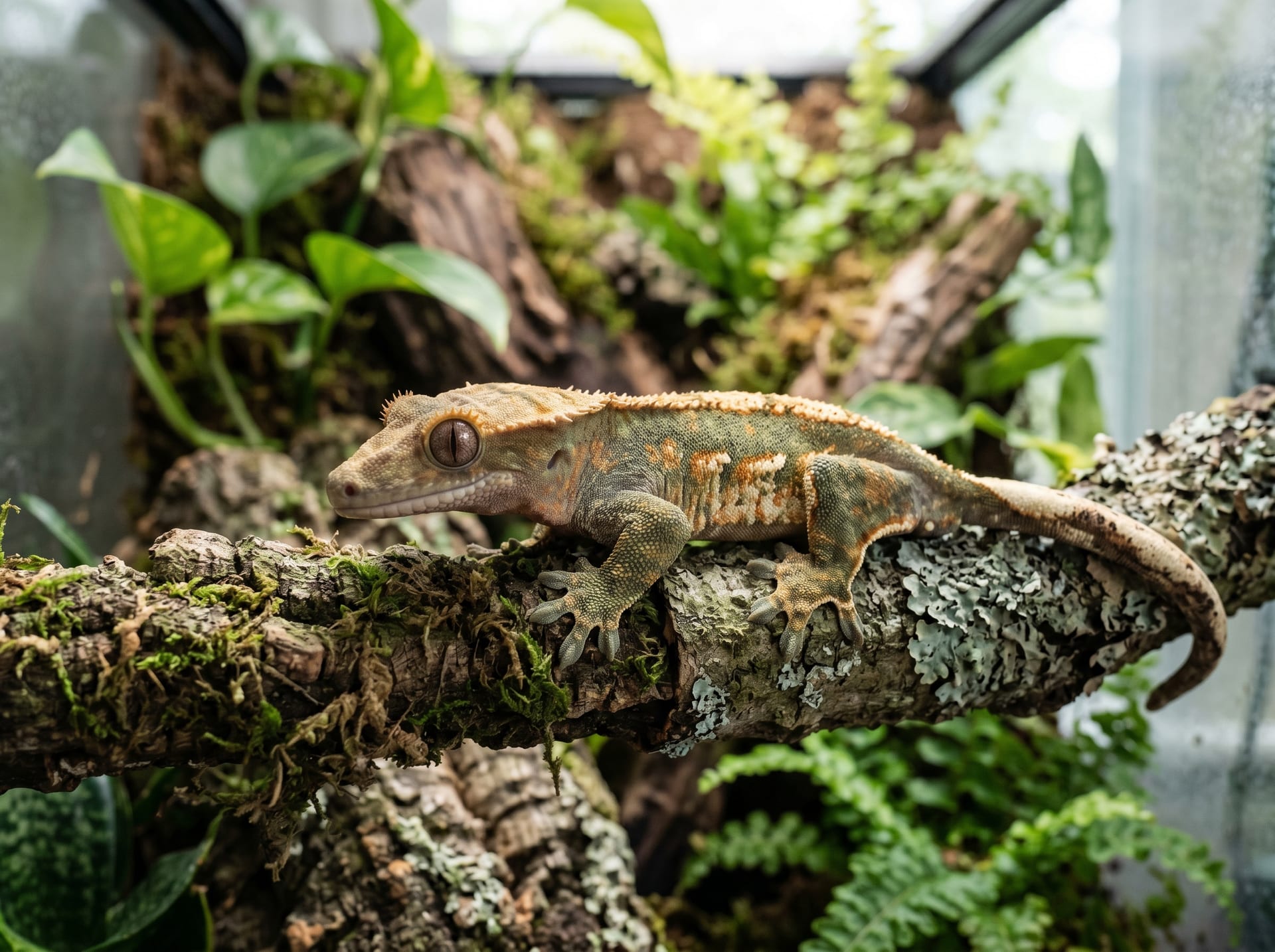
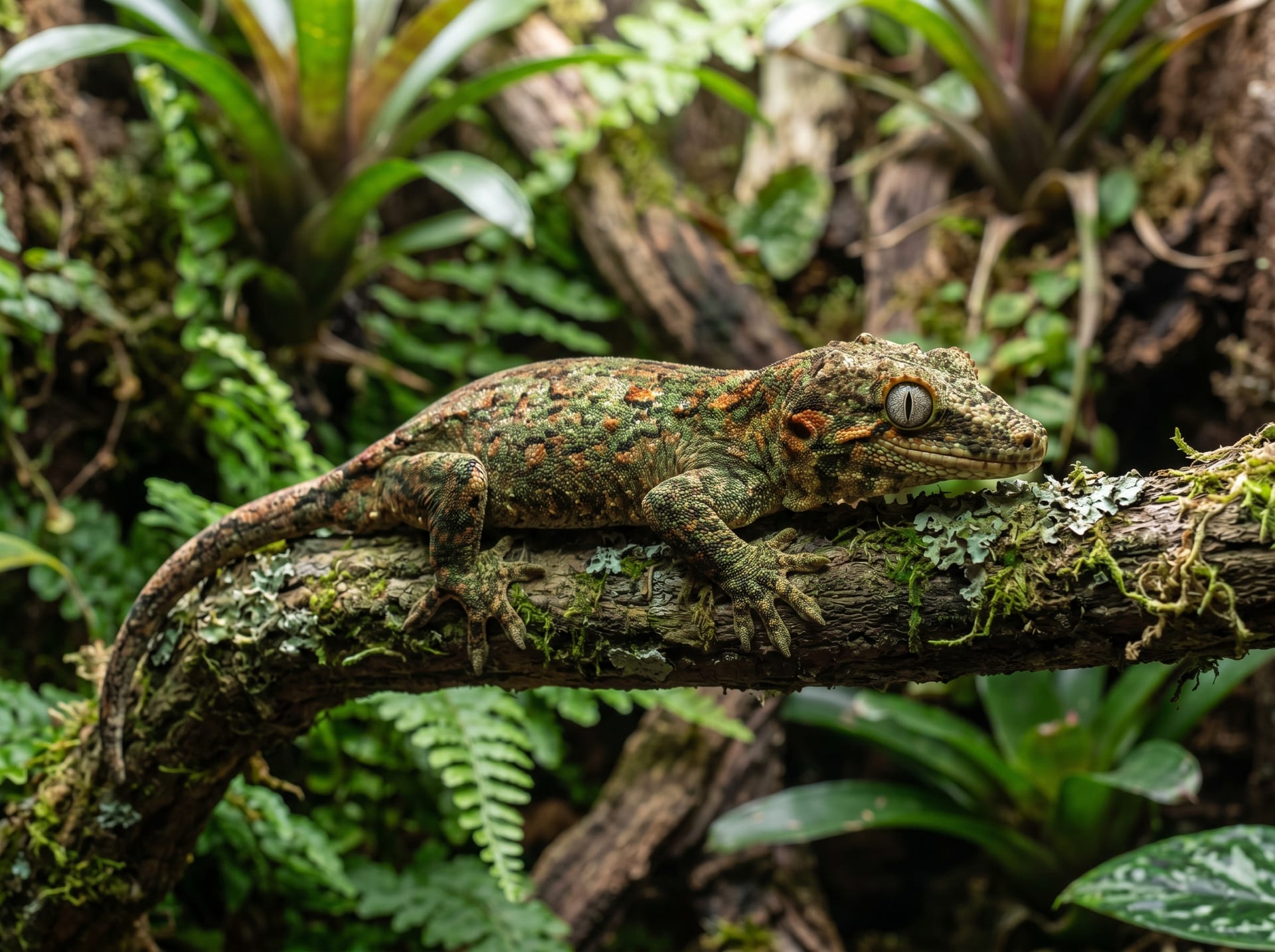
The Gargoyle Gecko (Rhacodactylus auriculatus) is a medium-sized gecko native to New Caledonia, and its popularity has been rising rapidly in Japan in recent years. Though often confused with the Crested Gecko, which also originates from New Caledonia, the Gargoyle Gecko has its own unique appeal and care requirements. It is characterized by a sturdy build, diverse color variations, and a more docile temperament than Crested Geckos. They can be kept on fruit-based artificial diets, and since UVB lighting is not essential, they are also suitable for reptile beginners. This article provides detailed explanations from habitat setup to feeding and the basics of breeding to keep your Gargoyle Gecko healthy.
Understanding the Differences from Crested Geckos
Both the Gargoyle Gecko and Crested Gecko are classified in the genus Rhacodactylus (which now includes the Crested Gecko, reclassified into the genus Correlophus), but there are several important differences. First, regarding body shape, the Gargoyle has a larger head and a sturdier appearance compared to the Crested Gecko. The head features protrusions that inspired the gecko's "gargoyle" name, creating a distinctive appearance different from the crest-like spines of the Crested Gecko. Adult size for both species is approximately 20cm in total length, but the Gargoyle has a more substantial build. In terms of temperament, Gargoyles move more slowly and deliberately than Crested Geckos, making them easier to handle. However, Gargoyles show strong aggression toward other members of their own species, and cohabitation often results in tail loss from fighting. Unlike the Crested Gecko, the Gargoyle has the ability to regenerate its tail, though the regenerated tail is shorter and differs in color from the original. Additionally, color variations differ between species—Gargoyles exhibit diverse patterns including striped, reticulated, and marbled forms.
Gargoyle vs. Crested Gecko Quick Comparison
| Item | Gargoyle Gecko | Crested Gecko |
|---|---|---|
| Head | Large and sturdy with horn-like protrusions | Crest-like protrusions |
| Size | Approximately 20cm total length (with notable weight) | Approximately 20cm total length |
| Temperament | Calm and easy to handle | Active |
| Tail Regeneration | Regenerates (shorter and different color) | Does not regenerate |
| UVB | Not essential | Not essential |
| Ideal Temperature | Day 22–27°C / Night 18–23°C | 22–26°C |
| Same-species Cohabitation | Strong aggression, not recommended | Caution required |
Enclosure Setup and Temperature/Humidity Management
Because Gargoyle Geckos are arboreal, they require an enclosure with adequate height. For a single adult, a minimum enclosure size of 30cm wide × 30cm deep × 45cm tall is recommended. Glass enclosures are most common, with front-opening designs being the easiest to manage. Create a three-dimensional layout inside the enclosure using branches, cork bark, and artificial plants. Live foliage plants like Pothos or Ficus can also be used, but ensure they have not been treated with pesticides. Maintain a daytime temperature of 22–27°C and a nighttime temperature of 18–23°C. Temperatures exceeding 30°C can lead to health issues, so air conditioning is essential during Japan's summer months. During winter, use a small ceramic heater or panel heater to warm part of the enclosure. Maintain humidity at 60–80%. Mist the walls each morning and evening to create water droplets that the gecko can drink. A water dish should also be provided, though many individuals prefer to drink from the misted surfaces. Using coconut husk soil or substrate on the floor helps maintain humidity, though some keepers use paper towels to avoid ingestion risks.
Feeding Basics and Fruit Food Utilization
One of the greatest advantages of keeping Gargoyle Geckos is their ability to thrive on fruit-based artificial diets (CGD: Crested Gecko Diet). Products from Repashy and Pangea are popular brands—simply mix the powder with water to create a paste. With a variety of flavors available, including fruit and insect mixes, rotating different formulas can improve feeding response. Place the paste in a small dish positioned high in the enclosure. Magnetic feeding dishes are convenient for this purpose. Since they are nocturnal, place the dish in the evening and remove any uneaten food the next morning. Generally, feed three to four times per week. In addition to artificial diets, offering live insects such as crickets or dubia roaches two to three times per month enhances nutritional balance and provides enrichment by stimulating natural hunting instincts. Dust live prey with calcium powder (dusting) before feeding. Using calcium with vitamin D3 supports calcium metabolism even without UVB lighting. Juveniles grow rapidly and benefit from daily feeding.
Handling and Daily Health Management
Gargoyle Geckos adapt fairly easily to handling, but allow them one to two weeks after arrival to acclimate to their new environment without being touched. When beginning to acclimate them, start with about five minutes per day and gradually increase duration. Place them on your palm and let them walk at their own pace rather than forcing them to grip. Avoid grabbing the tail, as this can trigger autotomy (tail loss); instead, gently support the sides or belly. While Gargoyles may bite, bites from small individuals are rarely serious. If bitten, do not pull away—instead, gently wait for them to release on their own. Daily health checks should include regular weight measurements, eye condition (checking for cloudiness), mouth area abnormalities (such as keeping the mouth open), and examination of fecal matter. They shed every two to four weeks, and normally they remove and consume the shed skin themselves. If incomplete shedding occurs, increase humidity and gently soak them in lukewarm water for five to ten minutes to soften remaining skin before careful removal.
Basic Breeding Knowledge and Precautions
Breeding Gargoyle Geckos follows procedures similar to Crested Geckos. Females are considered sexually mature and suitable for breeding at 18 months of age or older with a body weight of 40g or more. Implement a cooling period (brumation) of one to two months during winter, maintaining temperatures at 18–20°C. After returning to normal temperatures, breeding behavior is triggered. Introduce the male into the female's enclosure for mating, and remove him once copulation is confirmed. Leaving them together can cause excessive stress and aggression toward the female. Females produce two eggs per clutch at two to four week intervals, laying three to six clutches per season. Place a container with damp sphagnum moss in the enclosure as a nesting site. Incubate eggs on vermiculite or perlite at a temperature of 22–26°C for 60–90 days until hatching. Lower temperatures extend incubation time but tend to reduce malformation rates.
Welcome Your Gargoyle Gecko Through BreederDirect
The Gargoyle Gecko, following the Crested Gecko as a popular New Caledonian gecko species, is gaining attention for its unique appearance and ease of care. Through BreederDirect, you can purchase Gargoyle Geckos directly from trusted breeders and confirm lineage information and color pattern details in advance. You can also receive expert advice based on breeders' extensive experience regarding care methods and food selection, making your first experience with Gargoyle Gecko keeping worry-free.