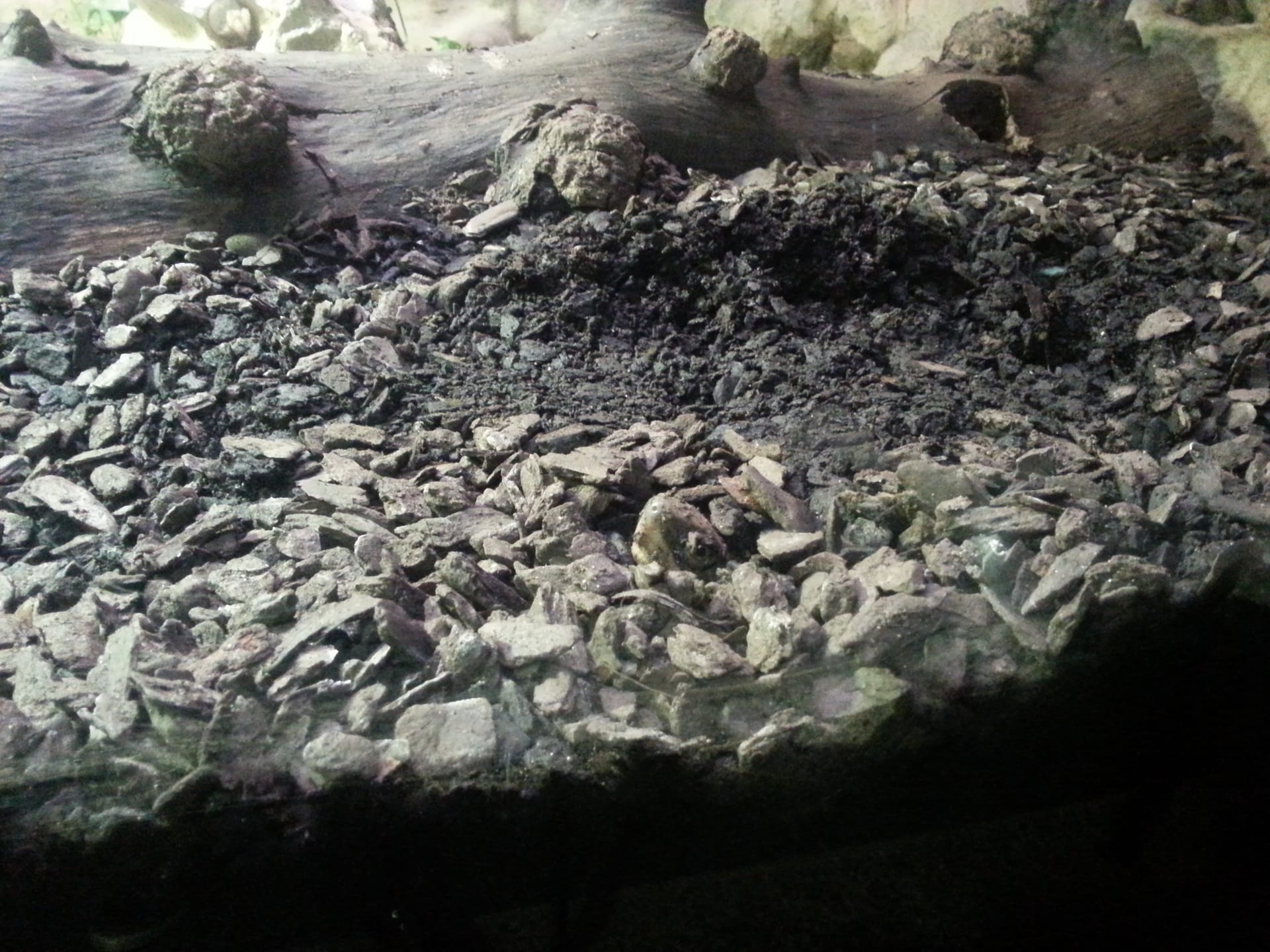
 © Pere Serafi / CC BY-SA 3.0
Chinese Three-Striped Box Turtle
The Chinese Three-Striped Box Turtle takes its Japanese name from the three black stripes running down its orange-to-reddish-brown carapace. Its head is bright yellow, and the legs and tail carry the same warm reddish-brown to orange tones, giving it a charming, land-tortoise-like look. In China it was long prized for use in traditional medicine, a history that fueled overcollection in the wild — a reminder to appreciate captive-bred individuals thoughtfully. Keeping this species requires a semi-aquatic setup with both land and water areas, and steady temperature and humidity control, which is why it's generally recommended for experienced keepers. Given proper care, it can live a very long time, with captive records reaching 31 years — a companion for those ready for a long-term commitment.
View Chinese Three-Striped Box Turtle encyclopedia →Breeder Wanted!
List on BreederDirect and sell directly to customers nationwide!
BreederDirect's 6 Transparency Commitments
Every Reptiles & Amphibians from verified Breeder breeders includes complete information: morph, genetics, feeding requirements, and temperament details.
- Morph Information
- Actual Photos
- Feeding Information
- Temperament Information
- Genetics Information
- Age (Months)
Browse all 319 breeds
Difficulty Level
Feeding Type
Temperament
No listings match your filters
Adjust your filters, or get notified when new listings arrive.
Getting alerts is free with a member account. When new listings match your saved search, we'll notify you by email and in-app.
Browse other categories
Verified breeders (preview)

Are you raising reptiles & amphibians?
Register as a breeder and connect with buyers directly.
Apply as a breederChinese Three-Striped Box Turtle key facts
- Care level
- Advanced
- Lifespan
- Maximum recorded longevity in captivity is 31 years
- Size
- Carapace up to 21cm, with females larger than males
- Diet
- Insects, crustaceans, snails, fish, tadpoles, aquatic plants, fruit and prepared pellets
- Temperature & Humidity
- It lives in clear small streams and wetlands at 50-400 m. Recorded clutches hatched in 80-90 days without heating and in 67-68 days at 31 C.
- Enclosure
- Semi-aquatic to semi-terrestrial, so keep it in an aqua-terrarium with both water deep enough to swim in and a dry land area. Juveniles are more aquatic, so give them a larger water area.
- Diet & Feeding
- Omnivorous with a carnivorous bias. Captive animals take prepared pellets, but individuals fed only animal food become fixated on it, refuse plants and pellets, lose condition and can die. Always include plant matter.
- Temperament
- Males in breeding condition bite other animals and force copulation, so house it singly as a rule.
- Notes
- The genus Cuora was listed on CITES Appendix II in 2000, the current listing effective 23 February 2023, and this species carries a zero export quota for wild specimens traded commercially. Appendix II species need no individual registration certificate in Japan, and the species is neither a designated dangerous animal nor an invasive alien species there. Only small numbers of captive-bred juveniles reach the trade.
About Chinese Three-Striped Box Turtle
An introduction to the Chinese Three-Striped Box Turtle's features, temperament, and care essentials — a semi-aquatic species for experienced keepers, with key points to know before bringing one home.
7 things to know before welcoming a Chinese Three-Striped Box Turtle
1Needs a Semi-Aquatic Setup
A proper enclosure needs both a land area and a water area. Keeping the water shallow and giving easy access to dry land helps keep the shell and skin clean and healthy.
2Temperature and Humidity Control
Maintaining high humidity along with a proper temperature gradient is key to keeping this species healthy. Neglecting this can lead to skin or shell problems, which is part of why this species is considered suited to experienced keepers.
3Cautious and Loves to Hide
This turtle tends to be sensitive to noise and vibration and often spends long stretches hiding in shelter. Providing several calm hiding spots reduces stress and makes it easier to observe its natural behavior.
4Grows Up to 21cm
Adults can reach a maximum shell length of 21cm, with females typically growing larger than males. It's best to plan for a spacious enclosure from the start, anticipating this eventual size.
5Omnivorous, Varied Diet
This species is omnivorous, eating a wide range of foods including insects, seafood, vegetables, and fruit. Rotating multiple food types and adding a calcium source helps prevent nutritional imbalances.
6A History of Overcollection
This species was historically prized for use in traditional medicine in China, and overcollection sharply reduced its wild numbers. Keeping this history in mind, and valuing captive-bred individuals, is an important part of caring for this species responsibly.
7A Long-Lived Companion
With proper care, this turtle can live a very long time — captive records show individuals reaching 31 years. Given the possibility of decades together, it's worth thinking through your long-term care plans before bringing one home.
Frequently asked questions about Chinese Three-Striped Box Turtle
- Q.Can beginners keep this species?
- A.The Chinese Three-Striped Box Turtle is generally considered suited to experienced keepers, since managing a semi-aquatic setup with both land and water areas takes some skill. Building up reptile-keeping experience first is recommended before bringing one home.
- Q.How large does it grow?
- A.Adults reach a maximum shell length of 21cm, with females typically growing larger than males. It's a good idea to prepare an enclosure sized for their adult growth in advance.
- Q.How long does it live?
- A.The longest recorded captive lifespan is 31 years, making this a long-term companion. It's important to think through your future care arrangements before bringing one home.
- Q.Are there any legal regulations?
- A.Chinese Three-Striped Box Turtle is listed in CITES Appendix II. International trade requires a permit from the exporting country, but as far as CITES is concerned, no registration is needed to buy or sell individuals already legally in Japan.
- Q.What is its temperament like?
- A.This species tends to be cautious, sensitive to noise, and often spends long periods hiding in shelter. How much an individual settles down varies, so patience over time is key.
Useful tools for Chinese Three-Striped Box Turtle care
Learn more about Chinese Three-Striped Box Turtle in the encyclopedia
View Chinese Three-Striped Box Turtle encyclopedia entry →
Care difficulty, lifespan, size and diet — all basics covered.
More in this category
Can't find the one you're looking for?
Post your wishes for free and breeders with matching animals will contact you with introductions.