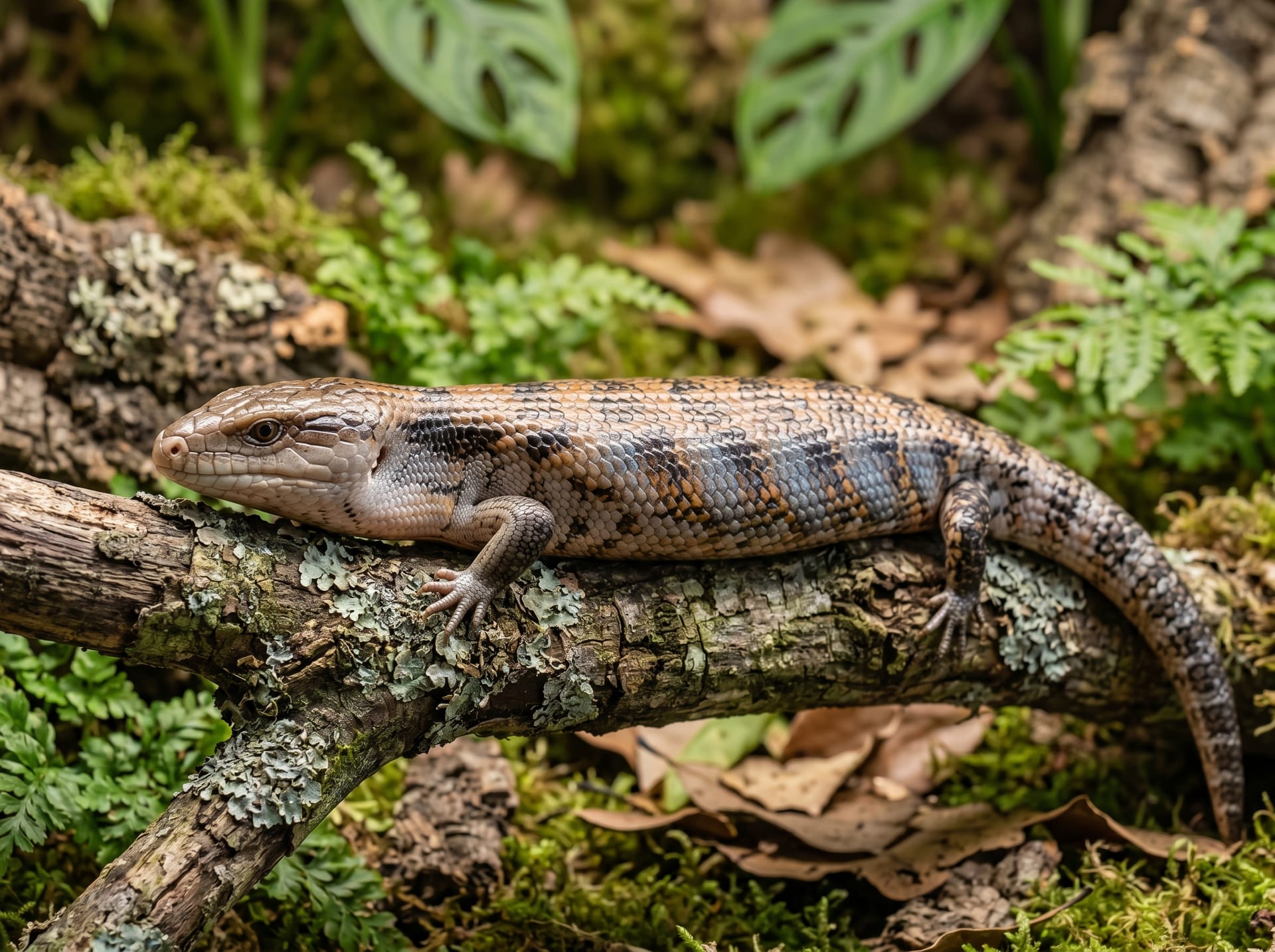
Blue Tongue Skink
Large skink named for its distinctive blue tongue. Docile, easy to handle, and omnivorous with varied diet. Hardy and long-lived.
View Blue Tongue Skink encyclopedia →Breeder Wanted!
List on BreederDirect and sell directly to customers nationwide!
BreederDirect's 6 Transparency Commitments
Every Reptiles & Amphibians from verified Breeder breeders includes complete information: morph, genetics, feeding requirements, and temperament details.
- Morph Information
- Actual Photos
- Feeding Information
- Temperament Information
- Genetics Information
- Age (Months)
Browse all 319 breeds
Difficulty Level
Feeding Type
Temperament
No listings match your filters
Adjust your filters, or get notified when new listings arrive.
Getting alerts is free with a member account. When new listings match your saved search, we'll notify you by email and in-app.
Browse other categories
Verified breeders (preview)


Are you raising reptiles & amphibians?
Register as a breeder and connect with buyers directly.
Apply as a breederBlue Tongue Skink key facts
- Care level
- Beginner-friendly
- Lifespan
- 15-20 years
- Size
- 45-60cm
- Temperature
- 25-32°C (basking 35°C)
- Diet
- Omnivore (vegetables, fruits, insects, dog food)
- Temperature
- 25-32°C (basking 35°C)
- Housing
- Use a wide enclosure of 90cm or more with a dry substrate such as aspen chips. Add a hide so it has a place to settle.
- Temperature & Humidity
- Set a gradient from a 35°C basking spot to a 25°C cool side, with humidity around 40-60%. If it gets too dry, adjust with a water bowl or light misting.
- Lighting
- UVB lighting is recommended. Use a basking lamp to create a 35°C spot, keep it bright by day and off at night to maintain a day-night rhythm.
- Feeding
- 50% vegetables, 40% protein, 10% fruit
- Notes
- Prone to obesity — monitor food intake
About Blue Tongue Skink
The Blue-Tongued Skink, native to Australia and parts of Indonesia, is a large member of the skink family instantly recognized by its striking cobalt-blue tongue. Its body is robust and low-slung with short limbs, giving it a distinctive, almost comical silhouette. In the wild, these lizards thrive along forest edges and grasslands, foraging for insects, plant matter, and small animals beneath leaf litter. In captivity, their broad omnivorous appetite makes meal planning straightforward and varied. Temperamentally, they stand out among large reptiles for their calm disposition — with consistent handling from a young age, most individuals become relaxed and tolerant of human contact, making them a popular gateway reptile. Their hardiness and potential lifespan of 15–20 years in captivity add to their appeal, as keepers who provide proper UVB lighting, heating, and a balanced diet are rewarded with a long-term companion.
7 things to know before welcoming a Blue Tongue Skink
1Bigger Is Better for Housing
Adults reach 45–60 cm in total length, so a minimum enclosure of 90×45 cm is recommended. As a ground-dwelling species, prioritize floor space over height when choosing a setup.
2Temperature Gradient Is Essential
Maintain a basking spot of 35°C and a cool side of 25°C. Without a proper thermal gradient, digestion and immune function can be compromised, as they rely on external heat to regulate body temperature.
3UVB Lighting Supports Health
Indoor enclosures benefit from UVB lighting to support vitamin D3 synthesis. Bulbs should be replaced periodically, and a photoperiod of around 10–12 hours per day is generally recommended.
4Omnivore With a Varied Diet
They accept leafy greens, squash, fruits, crickets, mealworms, boiled egg, and even quality dog food. Dusting food with calcium powder and rotating diet variety helps prevent nutritional deficiencies.
5Docile, but Taming Takes Time
Blue-tongued Skinks are generally low-aggression and many become comfortable with handling over time. Allow a settling-in period after arrival and gradually increase handling sessions rather than rushing the process.
6Substrate and Humidity Basics
Aim for humidity of about 40–60%. Dry-type substrates such as aspen shavings are well suited. If the enclosure becomes too dry, adjust with a water dish or light misting.
7Prepare and Check Before Bringing One Home
Prices vary from listing to listing depending on bloodline, color, age, and the individual animal, so check each listing page for details. Before bringing one home, set up the enclosure, lighting, thermostat, and substrate, and ask the seller about the animal's health, appetite, and its parents. Since they can live 15+ years, plan for daily care such as feeding and regular bulb replacements.
Frequently asked questions about Blue Tongue Skink
- Q.Are Blue-Tongued Skinks suitable for beginners?
- A.Yes, they are frequently recommended as a starter reptile due to their calm temperament and manageable care needs. That said, proper setup — including a large enclosure, heating, and UVB lighting — is essential and requires some upfront investment and research before bringing one home.
- Q.Is daily handling okay for Blue-Tongued Skinks?
- A.A well-socialized skink can handle daily interaction without stress. Avoid handling immediately after feeding or during a shed cycle, as this can cause discomfort. Aim for sessions of 15–30 minutes and always watch for signs of fatigue or agitation.
- Q.Should they be kept alone or can they be housed together?
- A.Solo housing is strongly recommended. Blue-Tongued Skinks are territorial and cohabitation frequently leads to fighting, tail biting, and stress-related illness. Even for breeding purposes, pairs should only be introduced temporarily under close supervision.
- Q.How often should Blue-Tongued Skinks be fed?
- A.Juveniles can be fed daily to every other day, while adults do well on feedings every 2–3 days. Remove uneaten food after about 30 minutes to keep the enclosure clean. Adjust portion sizes based on the individual's body condition and activity level.
- Q.How long do Blue-Tongued Skinks live?
- A.In captivity with proper care, Blue-Tongued Skinks commonly live 15–20 years. Their longevity means prospective owners should plan for a long-term commitment. Stable temperatures, a balanced diet, and routine health checks are the key factors that support a long, healthy life.
Useful tools for Blue Tongue Skink care
Learn more about Blue Tongue Skink in the encyclopedia
View Blue Tongue Skink encyclopedia entry →
Care difficulty, lifespan, size and diet — all basics covered.
More in this category
Can't find the one you're looking for?
Post your wishes for free and breeders with matching animals will contact you with introductions.