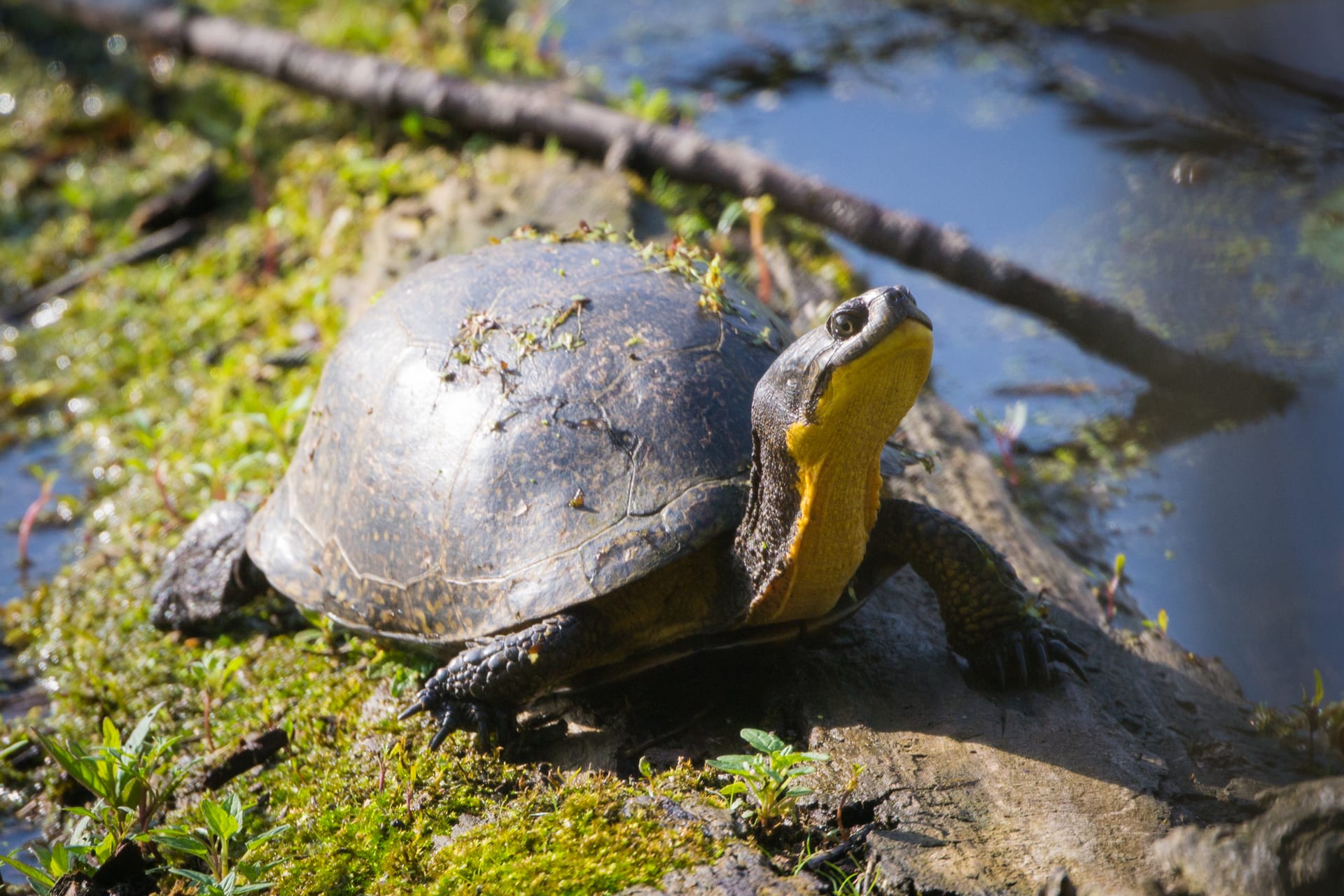
 © Andrew C / CC BY 2.0
Blanding's Turtle
The Blanding's Turtle is a semi-aquatic species native to North America, instantly recognizable by the bright yellow coloring on its chin and throat. Its domed, speckled shell is dotted with yellow markings, and a hinge on the lower shell lets it partially close up when startled. Generally calm and even-tempered, these turtles reward keepers who enjoy quiet, attentive care. Perhaps their most remarkable trait is exceptional longevity — individuals are known to remain active and even breed well into their 80s and 90s, showing few signs of aging. Because of the specialized care and setup they require, Blanding's Turtles are best suited to experienced keepers.
View Blanding's Turtle encyclopedia →0% commission on your first sales!Register by September 30, 2026 and your first 2 sales are commission-free!
Breeder Wanted!
List on BreederDirect and sell directly to customers nationwide!
6 Transparency Promises from Br-Choku
Every Reptiles & Amphibians from verified Breeder breeders includes complete information: morph, genetics, feeding requirements, and temperament details.
- Morph Information
- Actual Photos
- Feeding Information
- Temperament Information
- Genetics Information
- Age (Months)
Browse all 319 breeds
Difficulty Level
Feeding Type
Temperament
No listings match your filters
Adjust your filters, or get notified when new listings arrive.
Getting alerts is free with a member account. When new listings match your saved search, we'll notify you by email and in-app.
Browse other categories
Verified breeders (preview)
Are you raising reptiles & amphibians?
Register as a breeder and connect with buyers directly.
Apply as a breederBlanding's Turtle key facts
- Care level
- Advanced
- Lifespan
- Extremely long-lived; active and reproducing into its eighties and nineties
- Size
- Carapace length averages 18-23 cm, max 25.5 cm
- Diet
- Omnivore (crustaceans, insects, snails, fish, aquatic plants, berries)
- Housing
- An agile swimmer that approaches 25 cm, so it needs a large setup with ample water and a haul-out area.
- Diet & Feeding
- An omnivore taking crayfish, aquatic insects, snails, fish, frogs, carrion, berries and aquatic plants; combine pellets with animal foods and plants.
- Temperature & Humidity
- Wild animals brumate in or under water, mud or vegetation; as a northern species, avoid prolonged heat.
- Temperament
- Timid; when disturbed it withdraws into the shell or stays underwater for hours.
- Health & Cautions
- It takes 14-20 years to mature and can live beyond 80 or 90 years, so plan for care that may outlive the owner.
- Notes
- Both Emydoidea and Emys are used for the genus. It is endangered across much of its range, so choose captive-bred animals. Never release a captive animal into the wild.
About Blanding's Turtle
A semi-aquatic North American turtle known for its bright yellow throat and remarkable longevity. Here's what to know about the Blanding's Turtle before bringing one home.
7 things to know before welcoming a Blanding's Turtle
1Room for Land and Water
As a semi-aquatic species, Blanding's Turtles need both a swimming area and a dry basking area. Since adults reach around 18–23cm in shell length, plan for an enclosure that can accommodate their full-grown size.
2Built for a Temperate Climate
Unlike many tropical turtle species, Blanding's Turtles come from temperate parts of North America and tolerate seasonal temperature shifts reasonably well. Keep their enclosure conditions in mind with their native climate as a reference point.
3Calm, Even-Tempered Nature
These turtles are generally docile and rarely aggressive toward people. When startled, they may partially close their shell using the hinge on the plastron — a natural defensive behavior, not a sign of illness.
4A Multi-Decade Commitment
Blanding's Turtles are remarkably long-lived, with some individuals remaining active and even breeding past 80 or 90 years old, showing little sign of aging. Before bringing one home, consider how this long-term commitment fits into your own life plans.
5A Balanced Omnivorous Diet
In the wild they eat a wide range of foods, from small aquatic animals to aquatic plants. Offering a varied, balanced diet helps support their long-term health.
6Why This Species Suits Experienced Keepers
Maintaining proper water quality and temperature requires a degree of specialized knowledge, and adults need considerably more space than hatchlings. This makes Blanding's Turtles better suited to keepers with prior turtle-keeping experience.
7Prepare Equipment in Advance
Set up a tank or enclosure sized for their eventual adult dimensions (up to about 25.5cm in shell length) from the start. Planning ahead while your turtle is still young makes the transition to adulthood much smoother.
Frequently asked questions about Blanding's Turtle
- Q.How long do Blanding's Turtles live?
- A.They are remarkably long-lived, with some individuals remaining active and even breeding past 80 or 90 years old while showing few signs of aging. It's worth planning for a very long-term commitment before bringing one home.
- Q.Is this a good turtle for beginners?
- A.Blanding's Turtles are generally considered suited to experienced keepers rather than beginners. They require specialized knowledge of water quality and temperature management, making them a better fit for keepers with prior turtle-keeping experience.
- Q.How big do they get as adults?
- A.Adults typically reach a shell length of about 18 to 23cm, with some individuals growing up to roughly 25.5cm. It's a good idea to plan your enclosure around their full adult size while they're still young.
- Q.Are they aggressive?
- A.Blanding's Turtles are generally calm and rarely aggressive toward people. When startled, they may partially close their shell using the plastron hinge, which is simply a natural defensive behavior.
- Q.Are there any legal considerations for this species?
- A.The Blanding's Turtle is listed under CITES Appendix II. It's worth keeping in mind that this species falls under an international trade framework as part of your research before bringing one home.
Useful tools for Blanding's Turtle care
Learn more about Blanding's Turtle in the encyclopedia
View Blanding's Turtle encyclopedia entry →
Care difficulty, lifespan, size and diet — all basics covered.
More in this category
Can't find the one you're looking for?
Post your wishes for free and breeders with matching animals will contact you with introductions.