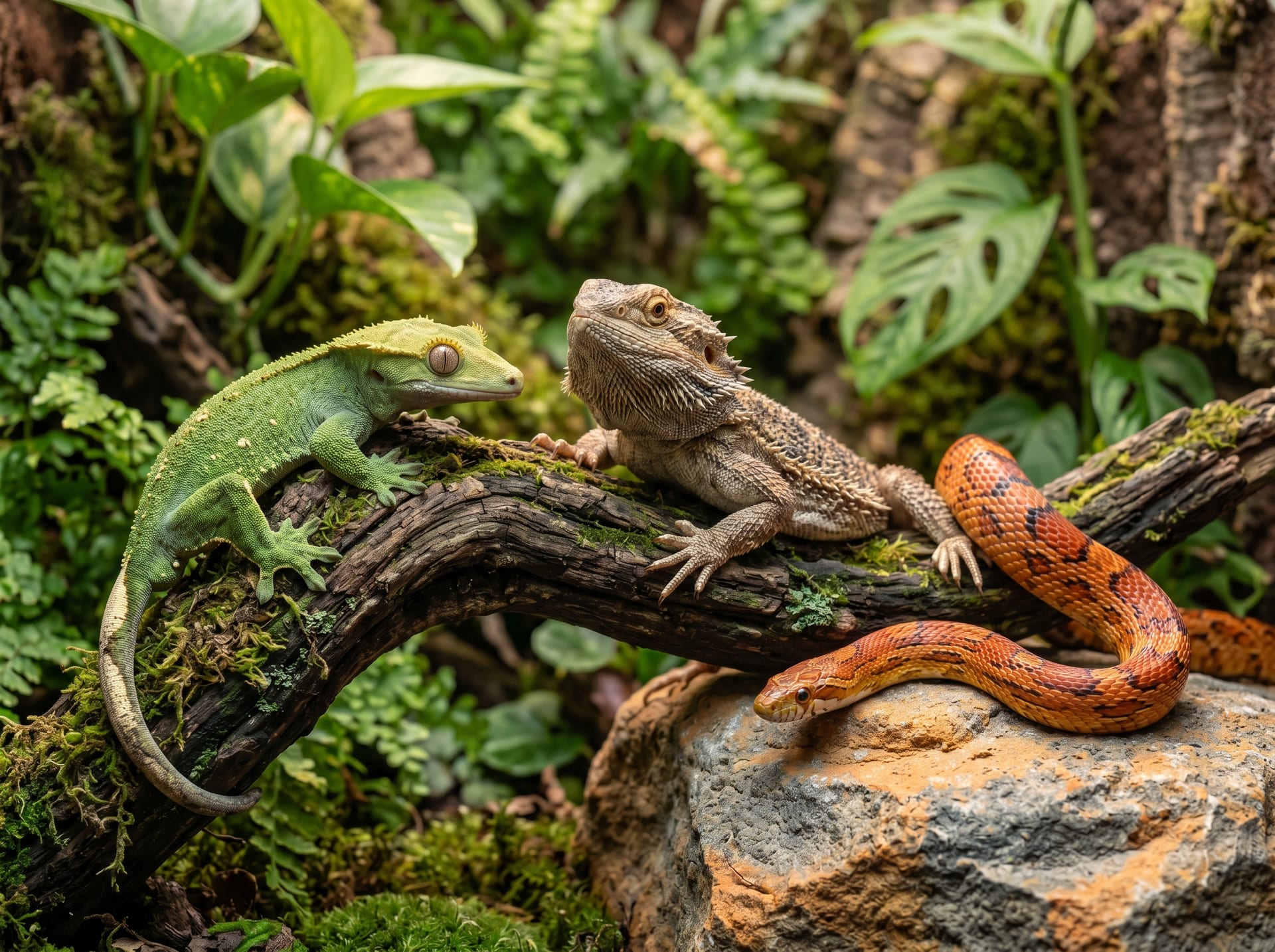
Other Reptiles
The "other reptiles" category encompasses a diverse range of species including skinks, chameleons, agamas, and tegus, each with unique biology and appeal. Care requirements vary dramatically by species, making thorough research before acquisition absolutely essential. These fascinating animals offer experienced and adventurous keepers a wide variety of rewarding experiences.
Breeder Wanted!
List on BreederDirect and sell directly to customers nationwide!
BreederDirect's 6 Transparency Commitments
Every Reptiles & Amphibians from verified Breeder breeders includes complete information: morph, genetics, feeding requirements, and temperament details.
- Morph Information
- Actual Photos
- Feeding Information
- Temperament Information
- Genetics Information
- Age (Months)
Browse all 319 breeds
Difficulty Level
Feeding Type
Temperament
No listings match your filters
Adjust your filters, or get notified when new listings arrive.
Getting alerts is free with a member account. When new listings match your saved search, we'll notify you by email and in-app.
Browse other categories
Verified breeders (preview)


Are you raising reptiles & amphibians?
Register as a breeder and connect with buyers directly.
Apply as a breederAbout Other Reptiles
"Other Reptiles" is a broad category encompassing the remarkable diversity of reptiles beyond geckos, snakes, and turtles, drawing from habitats across Africa, South America, Southeast Asia, and beyond. Skinks are mostly ground-dwelling with smooth scales and compact limbs, while chameleons are masterful arboreal species famous for their independently rotating eyes and color-changing skin. Agamas sport spiny scales and vivid coloration, and tegus are intelligent, large-bodied lizards known for forming dog-like bonds with attentive keepers. What unites them is their ectothermic physiology, making proper thermal gradients and lighting the foundation of good husbandry. Difficulty ranges from beginner-friendly to expert-level depending on species, but thorough research and preparation reward keepers with uniquely intimate views of behavior and ecology found nowhere else in the hobby.
7 things to know before welcoming a Other Reptiles
1Habitat Varies by Species
Skinks are ground dwellers, chameleons are arboreal, and desert agamas need arid conditions — enclosure design and climate control differ fundamentally by species. Research the wild habitat of your specific species before purchase and ensure you can replicate it. A generic "reptile enclosure" is often insufficient.
2UVB Lighting Needs
Many diurnal reptiles require UVB exposure for calcium metabolism, while nocturnal or fossorial species may not. Choose a UVB lamp with the appropriate UVI level for your species and replace it on schedule. Inadequate UVB is a leading cause of metabolic bone disease (MBD).
3Thermal Gradient Setup
As ectotherms, reptiles need a thermal gradient with a hot basking spot and a cooler retreat to self-regulate body temperature. Optimal basking temperatures range widely — from around 35°C to over 60°C depending on species — so confirm exact requirements beforehand. Place thermometers at both ends of the enclosure.
4Diverse Dietary Needs
Dietary needs vary greatly — insectivores, herbivores, omnivores, and carnivores all exist within this group, and feeding the wrong diet causes serious health issues. Many species require calcium and vitamin D3 dusting on food. If your species needs live prey, plan a reliable source of feeders like crickets or dubia roaches.
5Check Handling Tolerance
Species like chameleons find handling highly stressful and are better suited for observation only, while skinks and tegus can often be tamed with patient conditioning. Before purchasing, research whether your target species tolerates handling, and decide whether you prefer a display animal or an interactive one.
6Legal and Import Regulations
Some reptiles are regulated under CITES, requiring permits for trade or import. Certain species are also designated as invasive alien species in Japan, making their keeping or transfer illegal. Always verify the legal status of your target species before purchase, and obtain animals from reputable breeders with proper documentation.
7Find a Reptile Specialist Vet
Veterinarians experienced with reptiles are less common than those treating cats and dogs, and finding one for rare species can be particularly difficult. Research reptile-experienced vets in your area before bringing your animal home. Confirming access to proper veterinary care in advance is an important part of responsible ownership.
Frequently asked questions about Other Reptiles
- Q.Are there species suitable for beginners?
- A.Blue-tongued skinks and Argentine black-and-white tegus are robust, tolerant of handling, and popular starter species. Keep in mind both grow quite large, so adequate enclosure space is essential from the start.
- Q.Is keeping a chameleon difficult?
- A.Chameleons are highly stress-sensitive, and their precise humidity, temperature, ventilation, and hydration requirements make them an advanced keeper's animal. Daily misting or drip systems are typically required. Building solid knowledge and investing in proper equipment before acquiring one is strongly recommended.
- Q.How large do tegus get?
- A.Argentine black-and-white tegus reach roughly 100–140 cm in total length as adults. This growth requires an enclosure of 120 cm or more, and feeding costs rise accordingly. Plan your space with the adult size in mind before bringing one home.
- Q.Is live prey always necessary?
- A.Insectivorous species like agamas typically need live feeders such as crickets or dubia roaches, though some individuals can transition to frozen or dried insects. Omnivores like tegus accept chicken, eggs, and produce. Species-appropriate nutrition plus calcium and vitamin supplementation are key to long-term health.
- Q.Can different species share an enclosure?
- A.Mixing species is generally not recommended, as differing temperature, humidity, and dietary needs create stress, and disease transmission or predation risks increase. Even within a single species, compatibility issues arise—chameleons in particular must always be housed alone.
Useful tools for Other Reptiles care
More in this category
Can't find the one you're looking for?
Post your wishes for free and breeders with matching animals will contact you with introductions.