 © Everhard van Eimeren / CC BY-SA 4.0
Nicaraguan Slider
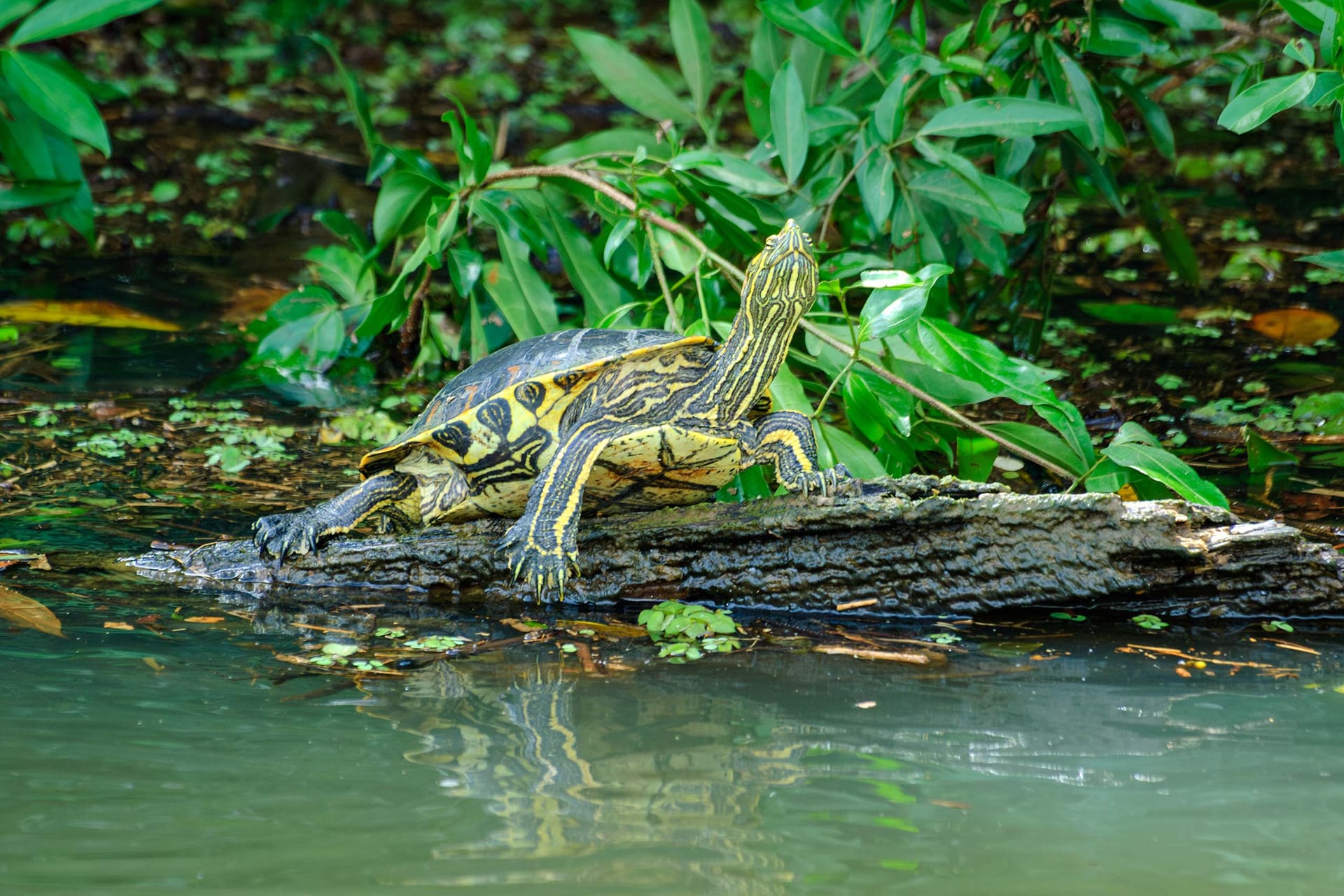
The Nicaraguan slider is a member of the red-eared slider genus, native to the lakes and wetlands of Nicaragua and Costa Rica, including Lake Nicaragua. It's known for the round markings on its shell, each centered with a small black dot, giving it a distinctive and attractive pattern. Its temperament is generally calm, and it's satisfying to watch one glide leisurely through the water. Males average 20-30cm in shell length while females can exceed 38cm, so this is a genuinely large turtle — the key to keeping one well is planning for a spacious enclosure and setup as it matures. It suits keepers with some turtle experience who want to raise an impressively substantial animal over the long term.
View Nicaraguan Slider encyclopedia →Breeder Wanted!
List on BreederDirect and sell directly to customers nationwide!
BreederDirect's 6 Transparency Commitments
Every Reptiles & Amphibians from verified Breeder breeders includes complete information: morph, genetics, feeding requirements, and temperament details.
- Morph Information
- Actual Photos
- Feeding Information
- Temperament Information
- Genetics Information
- Age (Months)
Browse all 319 breeds
Difficulty Level
Feeding Type
Temperament
No listings match your filters
Adjust your filters, or get notified when new listings arrive.
Getting alerts is free with a member account. When new listings match your saved search, we'll notify you by email and in-app.
Browse other categories
Verified breeders (preview)


Are you raising reptiles & amphibians?
Register as a breeder and connect with buyers directly.
Apply as a breederNicaraguan Slider key facts
- Care level
- Intermediate
- Size
- Carapace length: males average 20-30 cm, females 38 cm or more
- Temperature
- 24〜27℃
- Diet
- Omnivore (juveniles eat fish, crustaceans, insects, tadpoles)
- Temperature & Humidity
- Water at about 24-27°C (mid-70s to 80°F) and a basking area of 30-35°C are recommended.
- Housing
- Females exceed 38 cm, so plan for a very large tank or pond with a basking platform where the shell can dry.
- Diet & Feeding
- Wild juveniles eat tadpoles, crustaceans, fish and insects; in captivity base the diet on aquatic turtle pellets with animal foods added.
- Health & Cautions
- It grows large and lives long; confirm you can house it for life before acquiring one.
- Notes
- Under the Invasive Alien Species Act, all Trachemys imports need a species identification certificate. This subspecies is not one of the three conditional invasive red-eared slider subspecies, but it looks similar, so avoid confusion. Never release a captive animal into the wild.
About Nicaraguan Slider
A large slider turtle from the lakes of Nicaragua and Costa Rica, marked by dotted shell patterns. Females reach 38cm+ in shell length. Suited to intermediate-level keepers.
7 things to know before welcoming a Nicaraguan Slider
1Grows into a large turtle
Females grow to a shell length of 38cm or more, and males typically reach around 20-30cm. Plan ahead for a larger enclosure down the road, since this species will outgrow a starter setup as it matures.
2Dotted markings are the key ID feature
A black dot at the center of each round shell marking is this species' signature trait, useful for telling it apart from related sliders. Patterns vary between individuals and shift somewhat as the turtle grows, which makes for an enjoyable thing to watch over time.
3Generally calm temperament
This species tends to have a fairly calm disposition and often settles down once accustomed to its surroundings. Individual personalities do vary, though, so it's best to keep noise and sudden movements to a minimum early on and build trust gradually.
4Needs a spacious setup
As a large aquatic turtle, it needs a spacious setup with both ample swimming water and a dry basking area. It's realistic to plan on upgrading the enclosure in stages as the turtle grows.
5Filtration and water quality matter
A large turtle produces more waste, so strong filtration combined with regular water changes is essential for keeping the water clean and the turtle healthy. Poor water quality can lead to skin and shell problems.
6Provide UVB and basking access
A UVB light and a basking spot where the turtle can fully dry off out of the water are important for shell and bone health. Check the basking spot's temperature regularly to make sure it stays in a suitable range.
7An intermediate-level, long-term commitment
This species is considered suitable for intermediate keepers, and having a working knowledge of water quality, UVB, and heating setups makes day-to-day care much smoother. Reliable data on captive lifespan is limited, so it's wise to set up housing with the mindset that you'll be caring for this turtle for a long time.
Frequently asked questions about Nicaraguan Slider
- Q.How big does a Nicaraguan slider get?
- A.Males typically reach a shell length of around 20-30cm, while females grow even larger, exceeding 38cm. Since this is a large turtle once mature, it's a good idea to plan for a sizable enclosure and setup from the start.
- Q.Is this a good species for beginners?
- A.This species is generally considered suitable for intermediate keepers rather than complete beginners, given its large adult size and the water-quality and UVB setup it requires. It suits someone with some turtle-keeping experience, or a first-timer willing to research thoroughly beforehand.
- Q.How can you tell it apart from other sliders?
- A.The black dot at the center of each round shell marking is the main feature that distinguishes this species from related sliders. Its range is also limited to lakes in Nicaragua and Costa Rica, which sets it apart from relatives native to other regions.
- Q.What does it eat?
- A.It's omnivorous, and a diet centered on commercial turtle food supplemented with vegetables is a common approach. Paying attention to overall nutritional balance is an important part of keeping it healthy.
- Q.Is it subject to CITES?
- A.No, the Nicaraguan slider is not subject to CITES. Not listed under CITES (no Species+ entry for Trachemys grayi). Under Japan's Invasive Alien Species Act, all Trachemys species require a species identification certificate at import. This subspecies is neither an invasive alien species nor a conditional one (the conditional designation covers only the red-eared, yellow-bellied and Cumberland sliders). Never release captive animals into the wild.
Useful tools for Nicaraguan Slider care
Learn more about Nicaraguan Slider in the encyclopedia
View Nicaraguan Slider encyclopedia entry →
Care difficulty, lifespan, size and diet — all basics covered.
More in this category
Can't find the one you're looking for?
Post your wishes for free and breeders with matching animals will contact you with introductions.