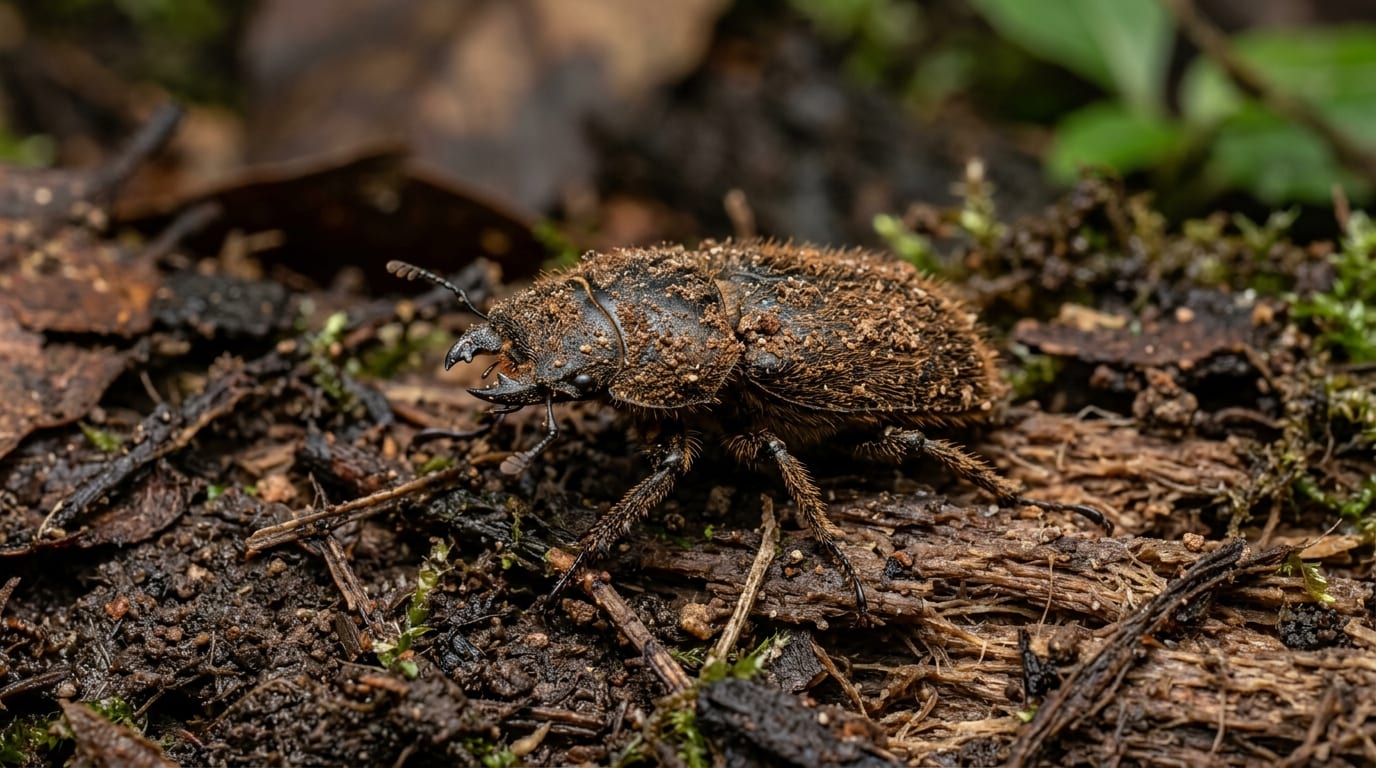
Japanese Rusty Stag Beetle
The Japanese Rusty Stag Beetle is a rare, small-bodied member of the Tetroplatypus subgenus found only on Tokunoshima Island in Kagoshima Prefecture, Japan. At around 20mm in length, it fits comfortably in the palm of your hand, and while its mandibles are modestly developed, its body is covered in fine hairs that trap soil particles, giving it a distinctive rust-brown appearance that sets it apart from other stag beetles. Individuals available in Japan are typically captive-bred over multiple generations, as opportunities to collect wild specimens are limited. Keeping this species well requires experience with temperature and humidity management, making it a beetle best suited to advanced keepers. Despite its understated looks, its one-of-a-kind texture has earned it a loyal following among stag beetle enthusiasts.
View Japanese Rusty Stag Beetle encyclopedia →0% commission on your first sales!Register by September 30, 2026 and your first 2 sales are commission-free!
Breeder Wanted!
List on BreederDirect and sell directly to customers nationwide!
6 Transparency Standards You Can Trust
When listing Insects, Breeders disclose the following. We guarantee transparency on growth stage and breeding unit.
- Life Stage Clarity
- Generation Info
- Real Photos
- Breeding Unit
- Country of Origin
- Body Length (mm)
Browse all 296 breeds
No listings match your filters
Adjust your filters, or get notified when new listings arrive.
Getting alerts is free with a member account. When new listings match your saved search, we'll notify you by email and in-app.
Browse other categories
Verified breeders (preview)
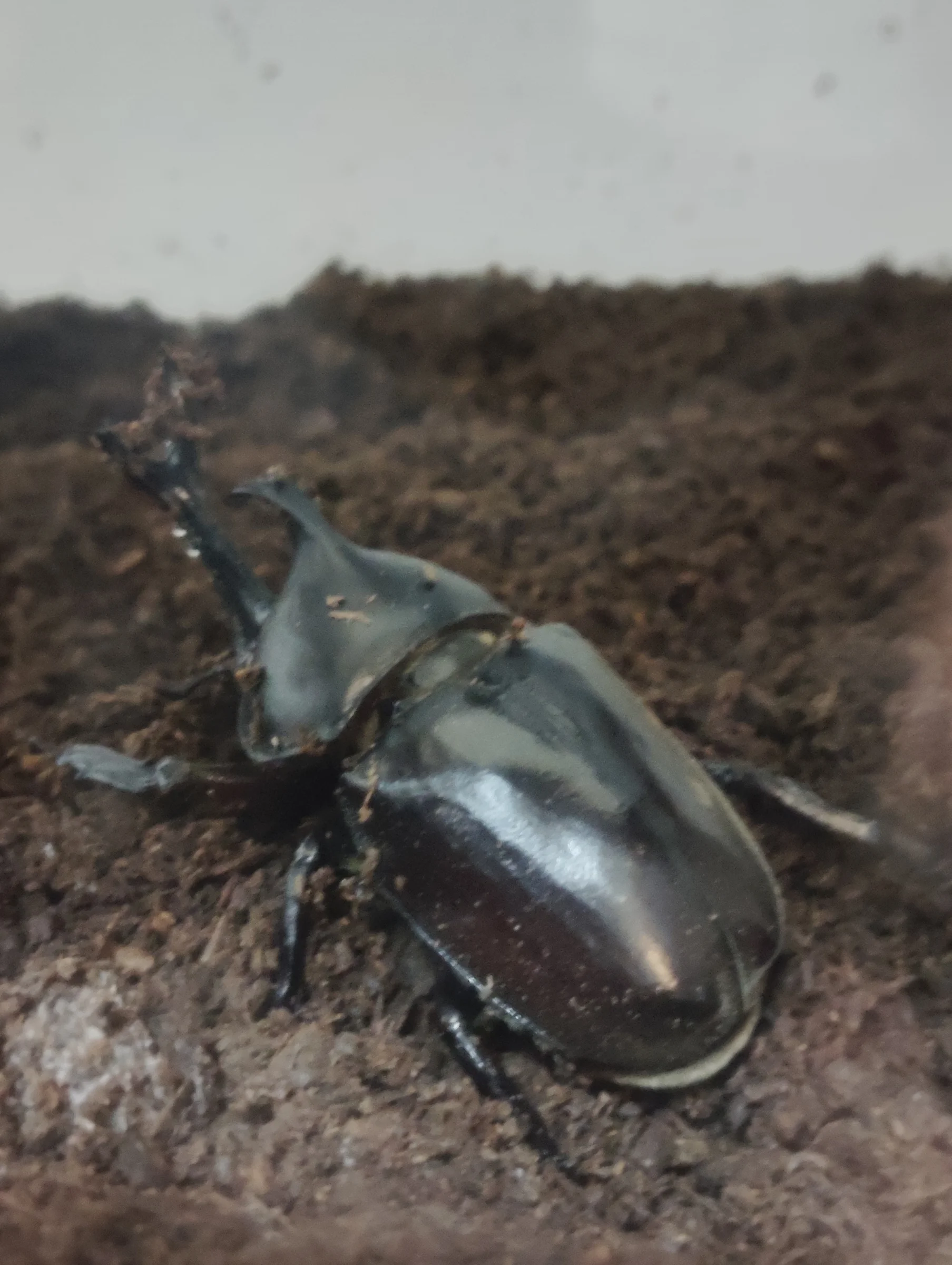
Japanese Rusty Stag Beetle key facts
- Care level
- Advanced
- Lifespan
- Adults 1-2 years
- Size
- Males around 20mm; captive record 29.0mm, wild record 26.2mm
- Diet
- Adults take sap and beetle jelly; larvae feed on rotten wood
- Temperature & Humidity
- Tokunoshima is subtropical, so the beetles should not be left in mainland winter cold for long. Do not let the laying log or the rearing medium dry out.
- Breeding & Egg-laying
- For the genus generally, females lay into rotten wood and the larvae feed on it. The 2025 edition of BE-KUWA carries a captive record of 29.0 mm registered in 2024, so breeding over generations in captivity is being done.
- Cohabitation
- As with stag beetles generally, males fight, so keep adults singly. The species occurs only on Tokunoshima, so it must not be crossed with beetles from other localities or with related Velutinodorcus species.
- Lifespan & Rearing Period
- The 2025 edition of BE-KUWA lists a captive record of 29.0 mm (registered 2024) and a wild record of 26.2 mm, while its small-specimen table carries a captive 14.1 mm (2019) and a wild 17.7 mm (2010).
- Health & Notes
- The Japanese name comes from the rusty look the beetle takes on when soil catches in the hairs covering its body, so the colour can seem to change as it dries or the soil falls away. Tokunoshima lies within Amami Gunto National Park and inside the World Natural Heritage site 'Amami-Oshima Island, Tokunoshima Island, Northern part of Okinawa Island, and Iriomote Island'. Inside a national park's special zones the Natural Parks Act requires permission to take animals or plants. The beetle is not designated as a National Endangered Species, but local authorities at collecting sites may restrict collecting by ordinance, so anyone handling wild-caught beetles must check the rules for the site. Records of the species are few, so captive stock must never be released into the wild.
About Japanese Rusty Stag Beetle
A rare 20mm stag beetle found only on Tokunoshima Island, Japan, known for its rust-colored body hair. Best suited to experienced keepers.
7 things to know before welcoming a Japanese Rusty Stag Beetle
1Endemic to Tokunoshima Island
The Japanese Rusty Stag Beetle is found exclusively on Tokunoshima Island in Kagoshima Prefecture. Most individuals available in Japan are captive-bred over several generations, so keepers should handle them with care in light of their limited natural range.
2Why its body looks rust-colored
At around 20mm in length with modestly developed mandibles, this species owes its name to the fine hairs covering its body, which trap soil and debris to create a rust-like brown appearance. This unique texture is part of its distinct charm.
3Best suited to experienced keepers
This species has a high care difficulty and is generally recommended for advanced keepers. If you're not yet comfortable managing temperature and humidity closely, consider gaining experience with easier species first.
4Notable size variation
Adult males typically measure around 20mm, though captive-bred records reach 29.0mm and wild-caught records reach 26.2mm. This size variation between individuals of the same species adds an extra layer of interest for keepers.
5Prefers cool, humid conditions
Reflecting the environment of its native Tokunoshima Island, enclosures should be kept out of direct sunlight and high heat, in a spot where humidity can be maintained steadily. Sudden swings in temperature or humidity can stress the beetle.
6Prepare substrate and climbing wood
Before bringing one home, prepare moisture-retentive insect substrate along with climbing wood or branches that let the beetle right itself if it flips over. Choosing an enclosure sized appropriately for its small body is also worth considering.
7A calm, observation-friendly temperament
With its modestly developed mandibles, this beetle tends to move calmly and is well suited to quiet observation. That said, as with any insect, excessive handling can be stressful, so it's best kept to a minimum.
Frequently asked questions about Japanese Rusty Stag Beetle
- Q.Is the Japanese Rusty Stag Beetle regulated under CITES?
- A.The Japanese Rusty Stag Beetle is not subject to CITES. It is not regulated under international trade controls.
- Q.Can beginners keep this species?
- A.This species has a high care difficulty and is generally considered suitable for advanced keepers. It's best approached by those who already have experience keeping stag beetles.
- Q.How large does it grow?
- A.Adult males typically reach around 20mm. Records include captive-bred individuals of 29.0mm and wild-caught individuals of 26.2mm.
- Q.Why is it called the "Rusty" Stag Beetle?
- A.Its name comes from the fine hairs covering its body, which trap soil particles and give it a rust-like brown appearance—a texture not commonly seen in other stag beetles.
- Q.Can I get a wild-caught individual?
- A.Most individuals available in Japan are captive-bred over multiple generations. Since the species' natural range is limited to Tokunoshima Island, it's a good idea to check an individual's origin when choosing one.
Useful tools for Japanese Rusty Stag Beetle care
Learn more about Japanese Rusty Stag Beetle in the encyclopedia
View Japanese Rusty Stag Beetle encyclopedia entry →
Care difficulty, lifespan, size and diet — all basics covered.
More in this category
Can't find the one you're looking for?
Post your wishes for free and breeders with matching animals will contact you with introductions.