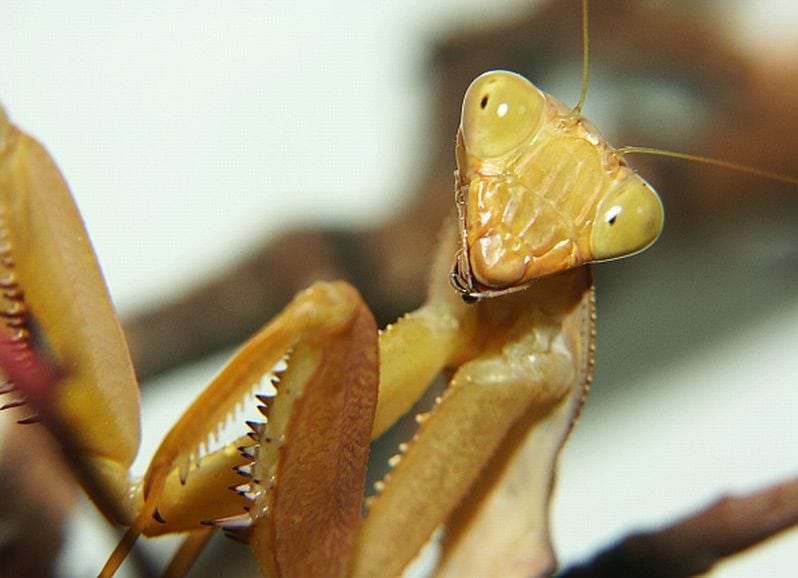
 © R.J. Blach / CC BY-SA 3.0
African Mantis (lineola)
The African mantis (lineola) is a large, formidable species native to sub-Saharan Africa. Adult females reach about 8cm and males 6-7cm, and their raptorial forelegs make for a striking, predatory silhouette. Body color is typically green, though brown-morph individuals can develop striking purple eyes, adding to the visual variety within the species. Despite its alert, aggressive temperament, it isn't a picky eater and is generally easy to care for, making it a good entry point for keepers new to mantises. It's also well known as a model organism in vision research, so keepers can observe its sharp eyesight and quick reflexes up close.
View African Mantis (lineola) encyclopedia →0% commission on your first sales!Register by September 30, 2026 and your first 2 sales are commission-free!
Breeder Wanted!
List on BreederDirect and sell directly to customers nationwide!
6 Transparency Standards You Can Trust
When listing Insects, Breeders disclose the following. We guarantee transparency on growth stage and breeding unit.
- Life Stage Clarity
- Generation Info
- Real Photos
- Breeding Unit
- Country of Origin
- Body Length (mm)
Browse all 296 breeds
No listings match your filters
Adjust your filters, or get notified when new listings arrive.
Getting alerts is free with a member account. When new listings match your saved search, we'll notify you by email and in-app.
Browse other categories
Verified breeders (preview)
African Mantis (lineola) key facts
- Care level
- Beginner-friendly
- Lifespan
- Adults 3-6 months
- Size
- Females about 8cm, males 6-7cm
- Temperature
- 25℃
- Humidity
- 50〜60%
- Diet
- Crickets, locusts, flies and similar (fruit flies for nymphs)
- Temperature & Humidity
- Ideal around 25C, 22-30C acceptable; keep nights above 17C, as it may not survive below 5C. Humidity needs are modest at 50-60%, with misting about twice a week for drinking.
- Breeding & Egg-laying
- Sexes can be told from the fourth instar by abdominal segments. Mating is possible 2-4 weeks after the final moult; feed the female well before adding the male and remove him as soon as the hours-long mating ends.
- Cohabitation
- An active predator that cannot be kept in groups; only one survives. With ample food and space, nymphs can stay together until about the fourth instar.
- Lifespan & Rearing Period
- Adults need a cage at least 24cm high and 16cm wide, roughly 30 x 20 x 30cm as a guide.
- Health & Notes
- Females take very large prey, but males can be intimidated by oversized items such as adult locusts, so avoid them. Not aggressive to people and easy to handle; in threat it raises the wings to show eyespots.
About African Mantis (lineola)
A large mantis native to sub-Saharan Africa. Females reach about 8cm with a green body and raptorial forelegs; an easy eater that suits beginner keepers and is known as a model species in vision research.
7 things to know before welcoming a African Mantis (lineola)
1Height matters more than width
Mantises hang upside down while molting, so give them a cage tall enough for their body length along with sturdy perches or mesh walls to grip. Insufficient footing can lead to a failed molt.
2House them individually
These mantises are territorial and will cannibalize each other, so keep nymphs and adults alike one per enclosure. Avoid housing multiple individuals together.
3Not a picky eater
It readily eats a wide range of live insects, such as crickets, as long as they fit its mouth. This lack of pickiness makes feeding straightforward, even for first-time mantis keepers.
4Bold and quick-tempered
True to its reputation, it can display quick, aggressive movements and strike with its raptorial forelegs. Take care not to get pinched if you handle it with bare hands.
5Ventilation and moderate humidity
Keep the enclosure ventilated so it doesn't stay hot and stuffy, while misting occasionally to prevent excessive dryness. Avoid both extremes for a healthier animal.
6Watch for molting signs
Sluggish movement and reduced feeding are common signs that a molt is approaching. Avoid disturbing the mantis during this time and make sure its footing stays stable and secure.
7Set up housing before bringing one home
Prepare a tall enclosure, perches, and feeding tweezers in advance so the mantis has a settled environment as soon as it arrives. It also helps to line up a source of live feeder insects beforehand.
Frequently asked questions about African Mantis (lineola)
- Q.Is this species suitable for beginners?
- A.It's not a picky eater and is relatively easy to care for, making it one of the more beginner-friendly mantis species. That said, its bold temperament and quick movements mean it still requires careful handling.
- Q.What should I feed it?
- A.Offer live feeder insects such as crickets, sized to fit its mouth. It isn't fussy about what it eats, so sourcing food is generally easy.
- Q.Can I handle it with bare hands?
- A.Handling is possible, but its bold nature and quick raptorial forelegs mean you need to watch out for pinches. Avoid handling it soon after arrival or around molting times.
- Q.Can multiple individuals be housed together?
- A.Because they will cannibalize each other, housing them together isn't recommended. Keep nymphs and adults alike in separate enclosures, one per cage.
- Q.Is this species subject to any regulations?
- A.This species is not covered by CITES.
Useful tools for African Mantis (lineola) care
Learn more about African Mantis (lineola) in the encyclopedia
View African Mantis (lineola) encyclopedia entry →
Care difficulty, lifespan, size and diet — all basics covered.
More in this category
Can't find the one you're looking for?
Post your wishes for free and breeders with matching animals will contact you with introductions.