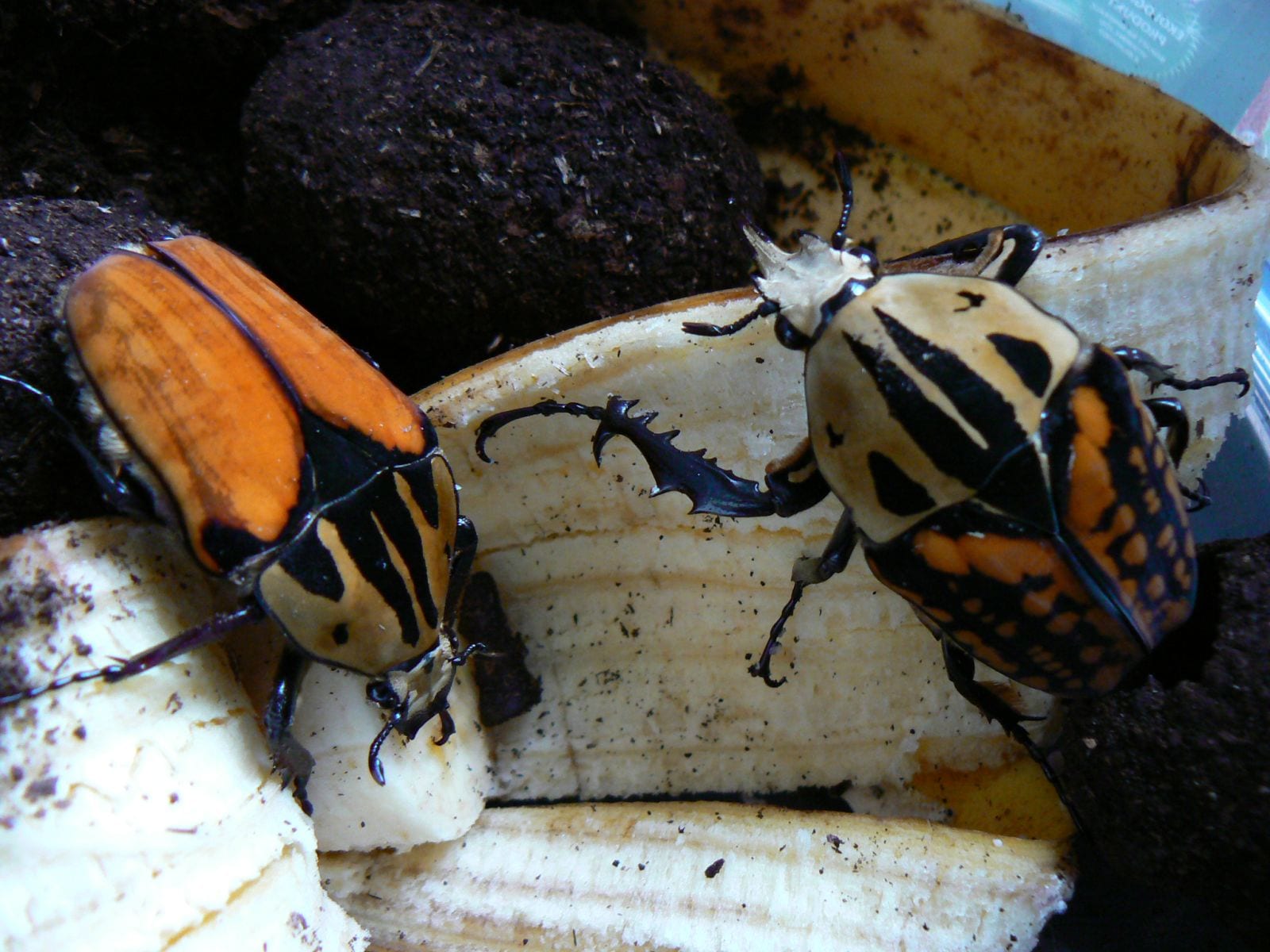
 © GeXeS / CC BY-SA 4.0
Oberthur's Flower Beetle
Oberthur's Flower Beetle is a large flower beetle native to the forests of Tanzania. Males are especially striking, with a prominent horn projecting from the front of the head and a glossy body that gives the species real presence. It was once considered one of the rarest species in its genus, but field surveys later revealed it to be common in its native range, and it is now bred across generations by many hobbyists. Because it calls for some background in beetle keeping, it is generally recommended for keepers with a bit of experience rather than absolute beginners.
View Oberthur's Flower Beetle encyclopedia →0% commission on your first sales!Register by September 30, 2026 and your first 2 sales are commission-free!
Breeder Wanted!
List on BreederDirect and sell directly to customers nationwide!
6 Transparency Standards You Can Trust
When listing Insects, Breeders disclose the following. We guarantee transparency on growth stage and breeding unit.
- Life Stage Clarity
- Generation Info
- Real Photos
- Breeding Unit
- Country of Origin
- Body Length (mm)
Browse all 296 breeds
No listings match your filters
Adjust your filters, or get notified when new listings arrive.
Getting alerts is free with a member account. When new listings match your saved search, we'll notify you by email and in-app.
Browse other categories
Verified breeders (preview)
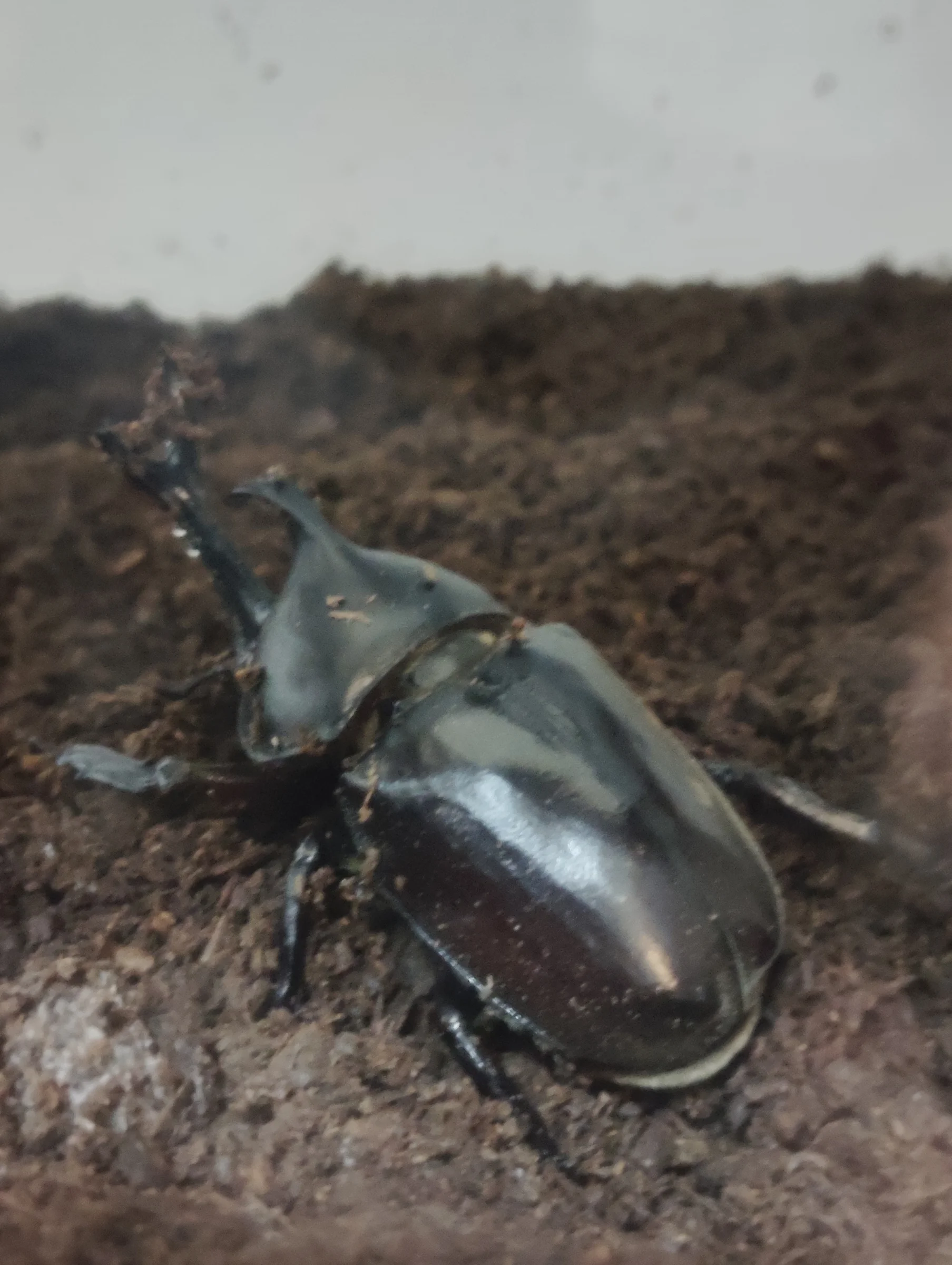
Oberthur's Flower Beetle key facts
- Care level
- Intermediate
- Lifespan
- Adults 3-6 months
- Diet
- Fruit, tree sap and beetle jelly
- Temperature & Humidity
- Its subgenus congener Mecynorhina torquata is reported to profit from cooler temperatures, so avoid a warm regime. Keep the substrate moist and let it run slightly drier through pupation.
- Breeding & Egg-laying
- Larvae grow on flake soil or a substrate of rotten wood and leaves. Protein additives such as Gammarus are said to help, but too much brings mites and mould. Set the female to lay in a deep bed of well-fermented substrate. No measured figure for clutch size has been published for this species.
- Cohabitation
- Males fight with their horns, so keep adults singly and put a pair together only for breeding. Larvae can be raised communally, but crowding at pupation leads to failures.
- Lifespan & Rearing Period
- In the subgenus congener Mecynorhina torquata, larval periods of twelve months to two years have been reported, so the spread is wide. No measured adult lifespan has been published for this species.
- Health & Notes
- Importing live beetles requires the species identification certificate demanded for live Scarabaeoidea. Both oberthuri and oberthueri are in use in the literature, so a different spelling on a price list may still mean the same beetle.
About Oberthur's Flower Beetle
Oberthur's Flower Beetle is a large species from Tanzania's forests, with males bearing a forward-pointing horn. Now bred across generations by hobbyists, it suits keepers with some experience.
7 things to know before welcoming a Oberthur's Flower Beetle
1Forest-Origin Habitat Needs
Since this species comes from the forests of Tanzania, it does best in an enclosure that balances higher humidity with good airflow. A thick layer of leaf-mold-based substrate, kept from drying out, helps recreate conditions close to its natural habitat.
2The Male's Distinctive Horn
Males are easily identified by the horn projecting forward from the head, a feature females lack entirely. The horn's shape is set once the beetle reaches adulthood, so the individual you bring home will look the same throughout its adult life.
3Suited to Intermediate Keepers
This species is generally rated as suitable for intermediate keepers. It calls for a certain comfort with managing temperature and humidity, so it tends to suit those who have already kept other beetles rather than complete first-timers.
4A Relatively Calm Temperament
Flower beetles as a group tend to be calmer than many other beetles, and this species is no exception, without a notably aggressive nature. That said, it may take flight if startled, so make sure the enclosure lid is securely closed.
5Larval-Stage Care Points
During the larval stage, the beetle lives within the substrate and eventually begins preparing a pupal chamber before pupation. Disturbing the substrate heavily during this period can damage the chamber, so handle the setup carefully once you notice signs of this change.
6Common in Its Native Range
This species was once thought to be the rarest in its genus, but field research later showed it to be common in its native range. Captive-bred, multi-generation individuals are now widely available, making it easier to choose a beetle with a clear provenance.
7Supplies to Prepare in Advance
Before bringing one home, prepare a rearing case, insect substrate, and feeding jelly to keep it hydrated and fed. Depending on the season, you may also need a heater or cooling device, so it's worth checking the room temperature where the enclosure will be kept.
Frequently asked questions about Oberthur's Flower Beetle
- Q.Can beginners keep this species?
- A.This species is generally considered suitable for intermediate keepers. Because it calls for some familiarity with managing temperature and humidity, it's a good idea to gain experience with other beetles first.
- Q.Is this species covered by CITES?
- A.This species is not listed under CITES.
- Q.Why was it once considered a "phantom" species?
- A.It was long believed to be the rarest species in its genus. Later field surveys, however, showed that it is actually common in its native range, and that earlier reputation has since been revised.
- Q.How can you tell males and females apart?
- A.The clearest difference is the horn on the male's head. Females lack this horn entirely, and the head-to-thorax region tends to have a smoother outline as a result.
- Q.What kind of setup does it need?
- A.Since it originates from the forests of Tanzania, a well-ventilated case with leaf-mold-based substrate suits it well. It's worth checking the substrate's moisture level regularly to keep it from drying out or becoming overly damp.
Useful tools for Oberthur's Flower Beetle care
Learn more about Oberthur's Flower Beetle in the encyclopedia
View Oberthur's Flower Beetle encyclopedia entry →
Care difficulty, lifespan, size and diet — all basics covered.
More in this category
Can't find the one you're looking for?
Post your wishes for free and breeders with matching animals will contact you with introductions.