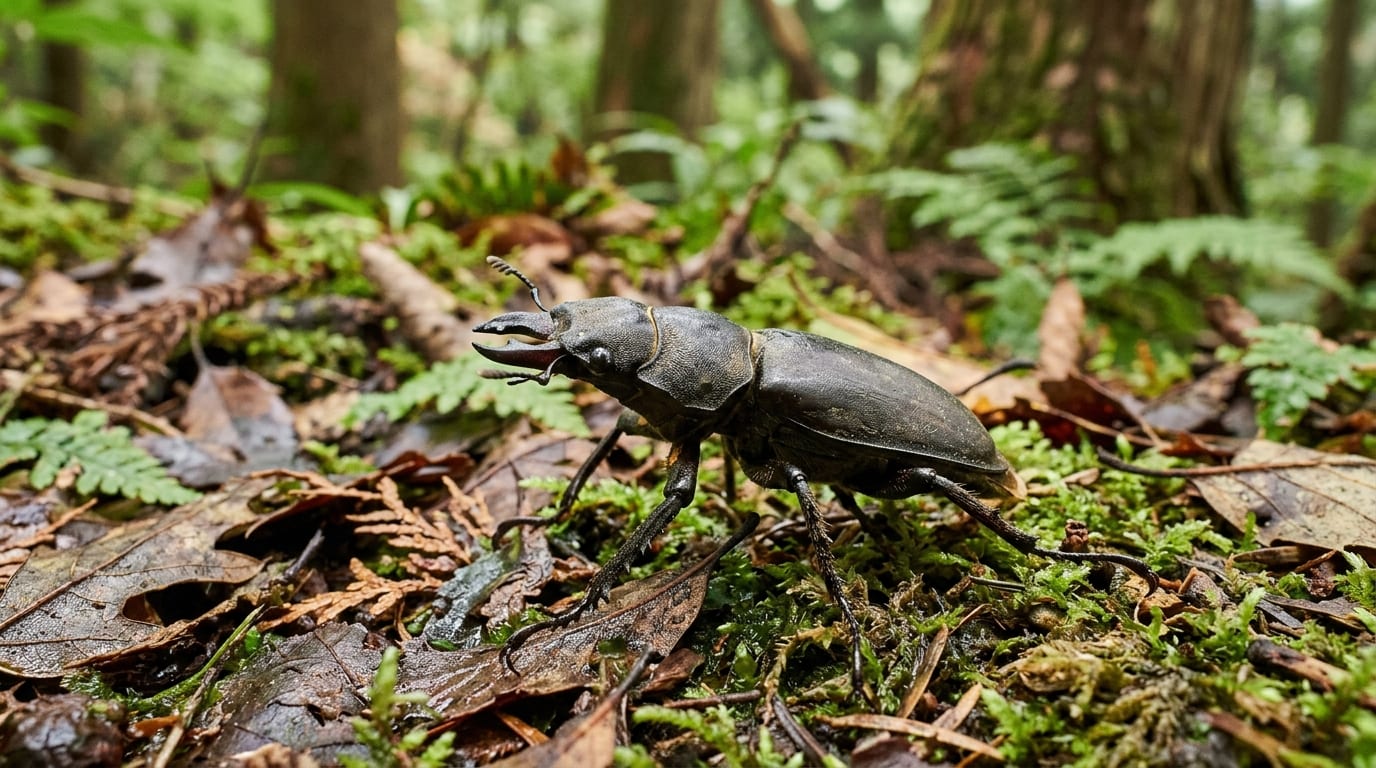
Mikura Miyama Stag Beetle
The Mikura Miyama Stag Beetle is a small Miyama stag beetle found only on Mikura-jima and Kozu-shima, two islands in Tokyo's Izu chain. Wild individuals reach up to about 34.7mm, making them noticeably more compact than mainland Miyama stag beetles. The ear-shaped projections at the base of the male's mandibles are only lightly developed, giving the jaws a simpler profile. Unable to fly, this beetle moves entirely on foot — a relict species that has held onto its own distinct form while adapting to a restricted island environment. Because its range is limited to these remote islands, encounters are rare, and it holds a special place among stag beetle enthusiasts.
View Mikura Miyama Stag Beetle encyclopedia →0% commission on your first sales!Register by September 30, 2026 and your first 2 sales are commission-free!
Breeder Wanted!
List on BreederDirect and sell directly to customers nationwide!
6 Transparency Standards You Can Trust
When listing Insects, Breeders disclose the following. We guarantee transparency on growth stage and breeding unit.
- Life Stage Clarity
- Generation Info
- Real Photos
- Breeding Unit
- Country of Origin
- Body Length (mm)
Browse all 296 breeds
No listings match your filters
Adjust your filters, or get notified when new listings arrive.
Getting alerts is free with a member account. When new listings match your saved search, we'll notify you by email and in-app.
Browse other categories
Verified breeders (preview)
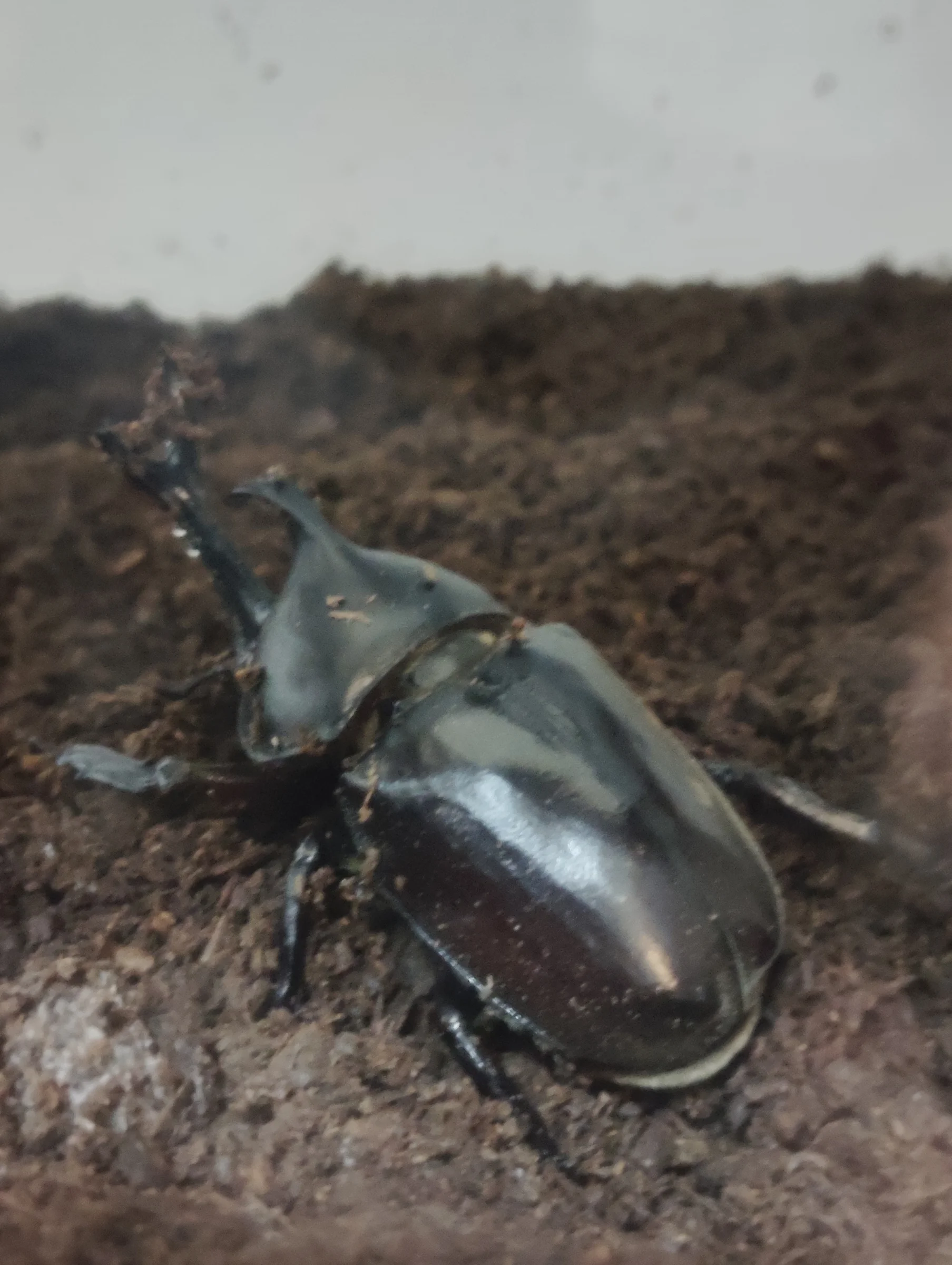
Mikura Miyama Stag Beetle key facts
- Care level
- Advanced
- Lifespan
- About a month once active
- Size
- Wild maximum 34.7mm (captive record 40.8mm, from Kozushima stock)
- Diet
- Larvae eat soil formed from decaying broadleaf litter; adults take beetle jelly and the like
- Temperature & Humidity
- No published figures for rearing temperature or humidity could be found for this species, so none are given. It is endemic to islands in the Izu chain, and since the larvae grow in soil formed from decaying broadleaf litter the moisture of the substrate is what matters most.
- Breeding & Egg-laying
- The larvae live mainly in soil formed from decaying broadleaf litter, feed on it and take one to two years to mature. Beetles that eclose between summer and autumn lie dormant in the soil until the following season. The captive maximum, 40.8 mm from Kozushima stock, is the same figure in the Japanese Wikipedia and in the BE-KUWA 2025 edition.
- Cohabitation
- Early in the season the female digs a hole deep enough to hold her whole body and waits inside it, and males have been seen arriving one after another, drawn by the pheromone she gives off. The adults are kept singly and are put together only for pairing. Do not mix Mikurajima and Kozushima stock.
- Lifespan & Rearing Period
- The adults appear in May and June, earlier on Kozushima. They are short-lived, surviving only about a month once active. Females begin to wander only after they have laid a fair number of eggs, so they appear later than the males.
- Health & Notes
- Ordinances on Kozushima and Mikurajima forbid the collection of any plant or animal, this beetle included, so only specimens taken before the rules came in and captive-bred stock circulate. The fourth Ministry of the Environment Red List treats it as near threatened. Numbers are said to be falling through habitat loss to development, predation by feral cats and crows, and a changing climate, with the decline sharpest on Kozushima. Do not deal in beetles offered as wild-caught.
About Mikura Miyama Stag Beetle
A small Miyama stag beetle found only on Mikura-jima and Kozu-shima, Tokyo. Wild max 34.7mm, flightless and ground-dwelling — an island relict species suited to advanced keepers.
7 things to know before welcoming a Mikura Miyama Stag Beetle
1Endemic to Two Remote Islands
The Mikura Miyama Stag Beetle is endemic to Mikura-jima and Kozu-shima, part of Tokyo's Izu island chain. Since it cannot fly, its range has always been confined to these islands. Try to recreate a similar temperature and humidity range in captivity.
2A Short Adult Lifespan
Once active, adults typically live for only about a month. By the time you bring one home, some of that window may already have passed, so it's worth setting up a calm environment right away so the beetle can spend its remaining time comfortably.
3Best Suited to Experienced Keepers
This species is considered advanced-level to keep, not an ideal choice for first-time keepers. Daily attention to temperature, humidity, and the beetle's condition is important.
4Understated Ear-Shaped Jaw Projections
The ear-shaped projections at the base of the male's mandibles are only lightly developed. The jaw silhouette may look simpler than other Miyama stag beetles, but that's simply the natural form of this species.
5A Compact Body Size
Wild individuals reach up to about 34.7mm, making this one of the smaller Miyama stag beetles. Its modest size also means the enclosure can stay fairly compact.
6Prefers Cool Conditions
As a species adapted to a cool, humid island environment, it doesn't tolerate heat or dryness well. Keep it out of direct sunlight in a cool, well-ventilated spot to help maintain its condition.
7Set Up the Enclosure Before Arrival
Because the active period is short, it helps to prepare the enclosure, substrate, and feeding area in advance. Welcoming the beetle into a ready environment reduces stress on the animal.
Frequently asked questions about Mikura Miyama Stag Beetle
- Q.How long does a Mikura Miyama Stag Beetle live?
- A.Once it becomes active as an adult, this beetle typically lives for about a month. That's shorter than many other stag beetles, so it's best to give it a calm, low-stress environment right from the start.
- Q.Is this species suitable for beginners?
- A.This species is considered advanced-level, so it can be a challenging choice for first-time keepers. It's best attempted once you're comfortable managing temperature, humidity, and daily observation.
- Q.How big does it get?
- A.Wild individuals reach a maximum of about 34.7mm, making this one of the smaller Miyama stag beetles. Its compact size also means the enclosure can be relatively small.
- Q.How does it differ in appearance from other Miyama stag beetles?
- A.The ear-shaped projections at the base of the male's mandibles are only lightly developed, giving the jaws a simpler silhouette. Aside from that, its overall body shape is typical of the Miyama stag beetle group.
- Q.Can it fly away from its enclosure?
- A.The Mikura Miyama Stag Beetle cannot fly and moves entirely by walking. This means there's essentially no risk of it escaping by flight.
Useful tools for Mikura Miyama Stag Beetle care
Learn more about Mikura Miyama Stag Beetle in the encyclopedia
View Mikura Miyama Stag Beetle encyclopedia entry →
Care difficulty, lifespan, size and diet — all basics covered.
More in this category
Can't find the one you're looking for?
Post your wishes for free and breeders with matching animals will contact you with introductions.