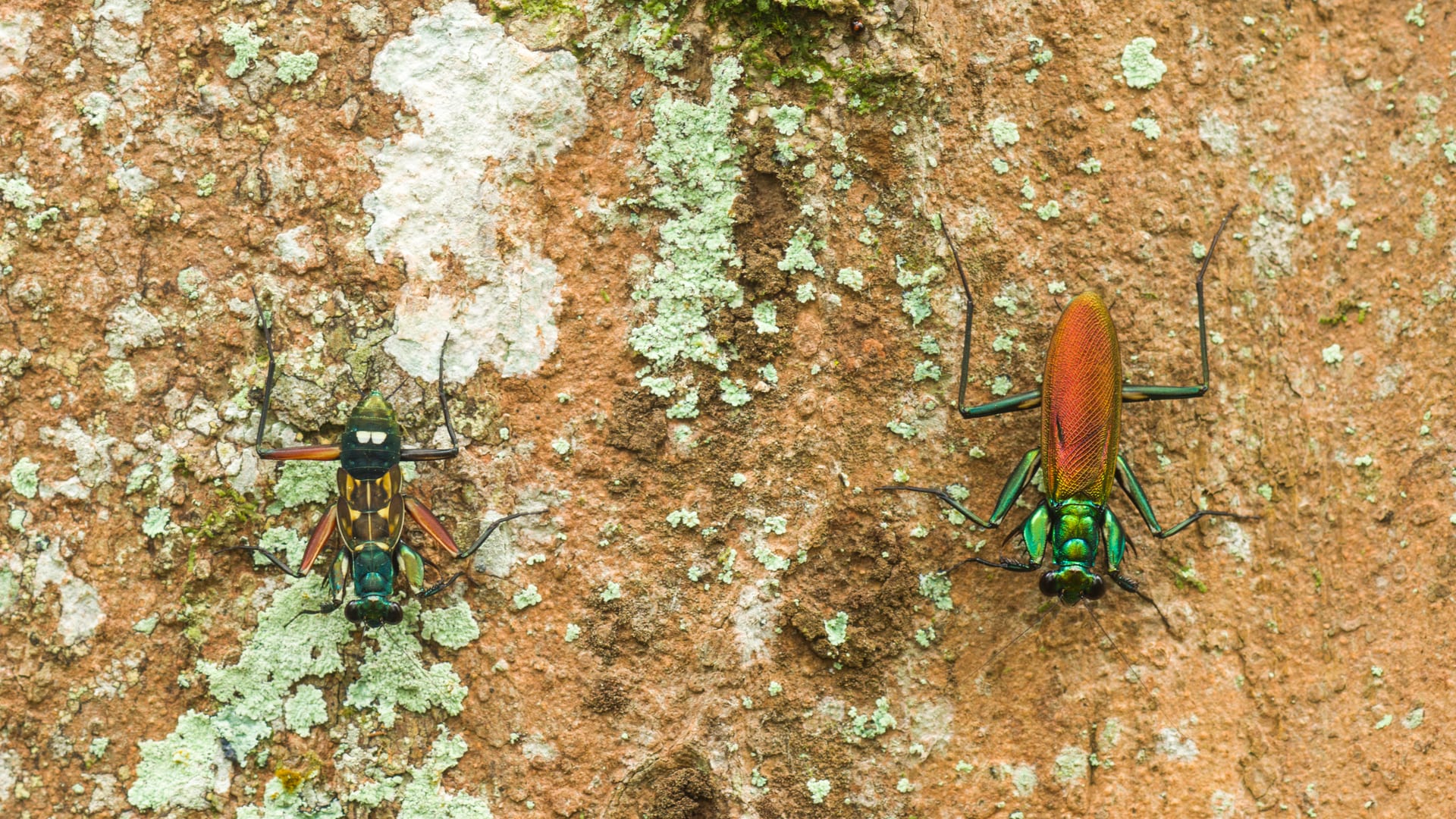
 © Zleng / CC BY 2.0
Metallic Mantis
The Metallic Mantis is a primitive mantis species native to the forests of Southeast Asia, prized for the iridescent metallic sheen covering its entire body. Its coloring differs strikingly by sex: females shimmer in green-gold, while males display a deep blue-violet hue. Unlike typical ambush-hunting mantises, this species actively scurries beneath tree bark like a cockroach to chase down prey, giving it a distinctly different character from more sedentary mantis species. Cannibalism among individuals is said to be relatively uncommon, but its specific dietary and environmental needs make it a species best suited to experienced keepers.
View Metallic Mantis encyclopedia →0% commission on your first sales!Register by September 30, 2026 and your first 2 sales are commission-free!
Breeder Wanted!
List on BreederDirect and sell directly to customers nationwide!
6 Transparency Standards You Can Trust
When listing Insects, Breeders disclose the following. We guarantee transparency on growth stage and breeding unit.
- Life Stage Clarity
- Generation Info
- Real Photos
- Breeding Unit
- Country of Origin
- Body Length (mm)
Browse all 296 breeds
No listings match your filters
Adjust your filters, or get notified when new listings arrive.
Getting alerts is free with a member account. When new listings match your saved search, we'll notify you by email and in-app.
Browse other categories
Verified breeders (preview)
Metallic Mantis key facts
- Care level
- Advanced
- Lifespan
- Adults 6 months to 1 year
- Size
- Females about 3-4cm, males about 2-3.5cm
- Temperature
- Humidity
- Diet
- Cockroaches, firebrats and flies (young firebrats and small fruit flies for nymphs)
- Temperature & Humidity
- Keep 25-30C by day and room temperature at night. Hold humidity at 60-70% by day and 70-90% at night while ensuring ventilation to avoid stale air.
- Breeding & Egg-laying
- Oothecae are laid in bark crevices and holes and hold 20-30 eggs, hatching in 80-90 days at room temperature. Males mature after about seven moults, females after about eight.
- Cohabitation
- Aggression toward conspecifics is very low and it is regarded as non-cannibalistic. Groups can be kept together if plenty of bark and hiding places are provided.
- Lifespan & Rearing Period
- Males reach adulthood after about seven moults and females after about eight.
- Health & Notes
- It needs running prey (firebrats, small roaches, flies); give young firebrats or small fruit flies to nymphs. Extremely fast and quick to slip into crevices, so guard against escapes when opening the cage.
About Metallic Mantis
An overview of the Metallic Mantis, a primitive Southeast Asian species with an iridescent metallic body and a cockroach-like hunting style beneath tree bark, plus key points on husbandry difficulty and setup.
7 things to know before welcoming a Metallic Mantis
1Advanced-Level Species
The Metallic Mantis is considered an advanced-level species due to its demanding dietary and environmental requirements. It's best suited to keepers who already have mantis-keeping experience.
2Hunts by Running, Not Waiting
Rather than lying in ambush like most mantises, it darts around beneath tree bark cockroach-style to catch prey. Provide a three-dimensional enclosure with bark or cork bark so it can move and hide naturally.
3Sexes Differ in Color
Females display a vivid green-gold metallic sheen, while males show a deep blue-violet color, giving each sex a distinct look. You can also observe how their coloring shifts as they grow.
4Low but Present Cannibalism
Cannibalism is said to occur less often in this species than in many other mantises, though it isn't impossible. If keeping multiple individuals together, be careful never to let them run out of food.
5Balancing Humidity and Airflow
As a primitive mantis lineage, it dislikes stagnant, overly humid conditions but is also sensitive to excessive dryness. Aim for good ventilation while maintaining moderate humidity.
6Prefers to Hide Away
Since it naturally shelters beneath bark in the wild, cork bark or bark-textured hides help it settle in comfortably. It spends much of its time tucked out of sight rather than out in the open.
7Prepare Before You Bring One Home
Because it's fast and active, set up a well-ventilated, escape-proof enclosure before bringing one home. It hunts live, moving insects, so plan your feeding routine in advance.
Frequently asked questions about Metallic Mantis
- Q.Is this mantis suitable for beginners?
- A.The Metallic Mantis is considered an advanced-level species, since its feeding and climate requirements are demanding. It's recommended for keepers who already have some mantis-keeping experience.
- Q.How can I tell males from females?
- A.Coloring is the easiest way to tell them apart — females have a green-gold metallic sheen, while males are blue-violet. This difference becomes more pronounced once they reach adulthood.
- Q.How large do they grow?
- A.Adults typically reach about 3-4 cm for females and 2-3.5 cm for males. That makes them a relatively small mantis species.
- Q.Is there a risk of cannibalism?
- A.Cannibalism is said to be less common in this species than in many other mantises, but the risk isn't zero. Keep feeding consistent and take care if housing multiple individuals together.
- Q.What kind of enclosure setup works best?
- A.Since they hunt by running around beneath tree bark, a three-dimensional setup with cork bark or similar hides suits them well. Aim for good ventilation while avoiding both excessive dryness and stagnant humidity.
Useful tools for Metallic Mantis care
Learn more about Metallic Mantis in the encyclopedia
View Metallic Mantis encyclopedia entry →
Care difficulty, lifespan, size and diet — all basics covered.
More in this category
Can't find the one you're looking for?
Post your wishes for free and breeders with matching animals will contact you with introductions.