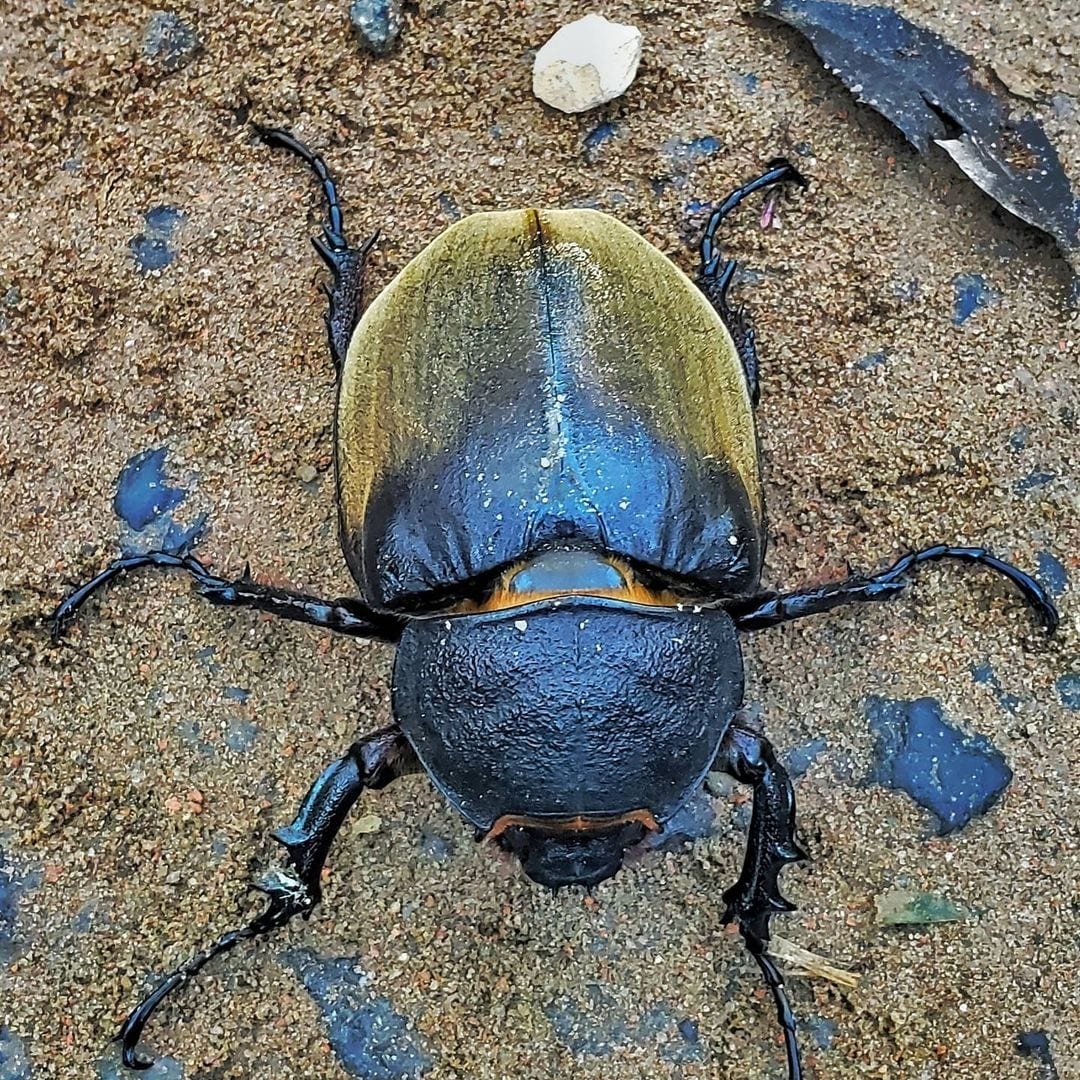
 © Gilmar R. Ferreira / CC BY-SA 4.0
Anubis Elephant Beetle
The Anubis Elephant Beetle is a hairy-type elephant beetle native to a range spanning southern Brazil to northern Argentina, its body covered in fine, velvety hair. Males carry a short horn on the thorax that splits into a broad fork at the tip, giving them a strikingly powerful look that has made them a favorite among beetle keepers. In the wild, larvae feed and develop inside palm inflorescences, spending one to two years in the larval stage before pupating — a slow, rewarding growth process to watch. Adults reach roughly 60–90.4mm (males) and 40–65mm (females). Given their size and the care their life stages require, this species is generally considered better suited to keepers with some prior beetle-rearing experience.
View Anubis Elephant Beetle encyclopedia →0% commission on your first sales!Register by September 30, 2026 and your first 2 sales are commission-free!
Breeder Wanted!
List on BreederDirect and sell directly to customers nationwide!
6 Transparency Standards You Can Trust
When listing Insects, Breeders disclose the following. We guarantee transparency on growth stage and breeding unit.
- Life Stage Clarity
- Generation Info
- Real Photos
- Breeding Unit
- Country of Origin
- Body Length (mm)
Browse all 296 breeds
No listings match your filters
Adjust your filters, or get notified when new listings arrive.
Getting alerts is free with a member account. When new listings match your saved search, we'll notify you by email and in-app.
Browse other categories
Verified breeders (preview)
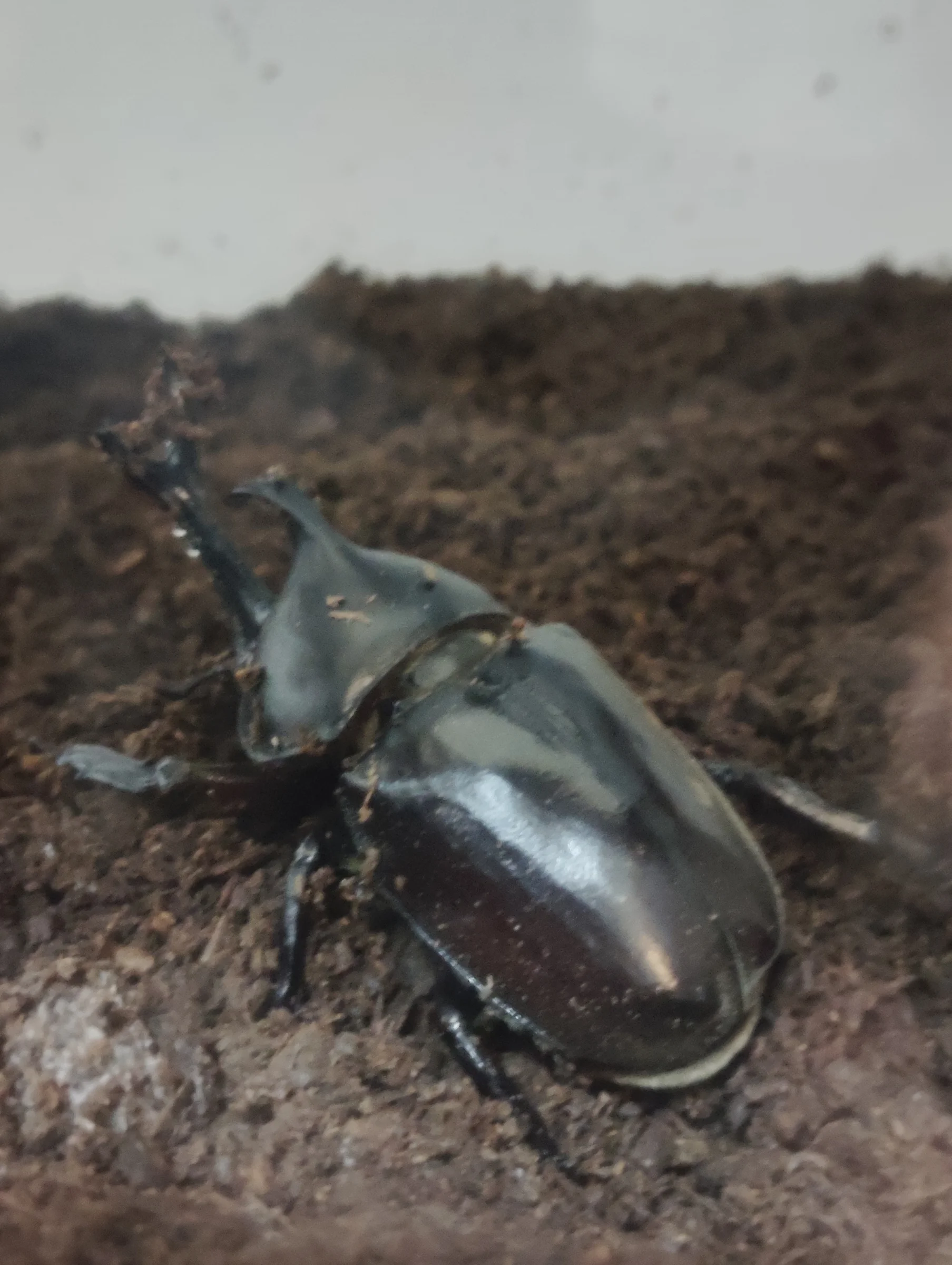
Anubis Elephant Beetle key facts
- Care level
- Intermediate
- Lifespan
- Larval period 1-2 years
- Size
- Males 60-90.4mm, females 40-65mm
- Temperature
- 18℃
- Diet
- Beetle jelly, ripe fruit; larvae on well-fermented substrate
- Temperature & Humidity
- General rule for foreign beetles: above 18C in winter, below 30C in summer.
- Breeding & Egg-laying
- Eggs are laid in well-fermented substrate. Wild larvae use palm inflorescences, but substrate works in captivity.
- Cohabitation
- Males fight, so house singly. Cohabit only for pairing.
- Lifespan & Rearing Period
- Larval period is 1-2 years, short for the genus.
- Health & Notes
- Avoid a dry or waterlogged substrate. Hairy species pick up debris on their setae, so keep the enclosure clean.
About Anubis Elephant Beetle
A hairy-type elephant beetle native to southern Brazil–northern Argentina. Males have a short, broadly forked horn. Larvae take 1–2 years to mature; adults reach 60–90.4mm (male) or 40–65mm (female). Suited to intermediate keepers.
7 things to know before welcoming a Anubis Elephant Beetle
1A Hairy-Bodied Beetle
The Anubis Elephant Beetle's whole body is covered in fine hair, giving it a distinctly velvety look among elephant beetles. Males also carry a short horn on the thorax with a broad, forked tip that adds to its powerful presence.
2Native Range and Origins
This species is found from southern Brazil through to northern Argentina. In the wild, larvae develop inside palm inflorescences, a habit tied closely to its native habitat.
3A Long, Slow Larval Stage
The larval stage lasts roughly one to two years, so growth takes patience. Don't expect a quick path to adulthood — steady, ongoing care is part of keeping this species.
4Size Differs by Sex
Adults reach about 60–90.4mm for males and 40–65mm for females, with males growing noticeably larger. The presence of a horn, along with the size gap, gives males and females a very different look.
5Best Suited to Experienced Keepers
Given the long larval period and the beetle's substantial size, this species is generally rated as suited to intermediate-level keepers. Some prior experience with beetle rearing will help you feel more confident.
6Handle the Horn and Legs Gently
Males have a horn on the thorax, and adults have strong legs, so avoid pulling or forcing them when handling. Having a horn doesn't mean the beetle is aggressive, but gentle handling is still the right approach.
7Prepare Housing Before You Bring One Home
Because this is a large-bodied species, it helps to set up an appropriately sized enclosure for both the larval and adult stages in advance. With a long larval period ahead, plan for a care routine you can sustain over time.
Frequently asked questions about Anubis Elephant Beetle
- Q.How large does the Anubis Elephant Beetle get?
- A.Adults reach roughly 60–90.4mm for males and 40–65mm for females. Males grow larger and carry a horn, so the two sexes differ noticeably in both size and appearance.
- Q.How long does the larval stage last?
- A.The larval stage lasts about one to two years. In the wild, larvae develop inside palm inflorescences, and captive-raised larvae likewise take their time growing.
- Q.Is this beetle suitable for a first-time keeper?
- A.This species is generally considered suited to intermediate-level keepers. Some prior experience keeping beetles will help you care for it with more confidence.
- Q.How can you tell males and females apart?
- A.Males have a short horn on the thorax with a broad, forked tip, while females have no horn at all. Males also grow larger overall, making the sexes fairly easy to distinguish once they reach adulthood.
- Q.Are there any legal restrictions on keeping this species?
- A.The Anubis Elephant Beetle is not subject to CITES.
Useful tools for Anubis Elephant Beetle care
Learn more about Anubis Elephant Beetle in the encyclopedia
View Anubis Elephant Beetle encyclopedia entry →
Care difficulty, lifespan, size and diet — all basics covered.
More in this category
Can't find the one you're looking for?
Post your wishes for free and breeders with matching animals will contact you with introductions.