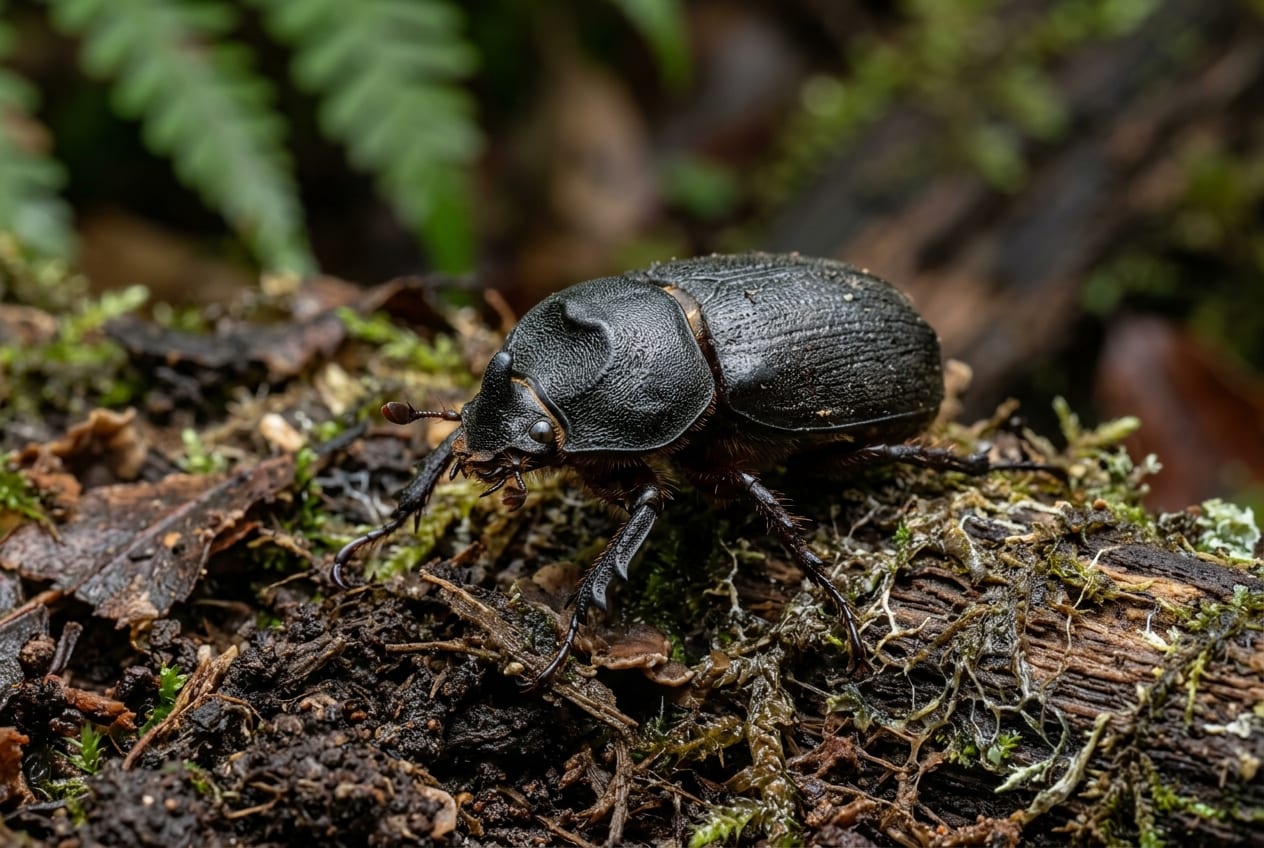
Kokabuto Beetle
The Kokabuto beetle is a small rhinoceros beetle, typically 18–26mm in length, found across nearly all of Japan. Unlike most rhinoceros beetles that feed on tree sap, it has a strong carnivorous streak, preferring to eat the larvae and remains of other insects. Because it can be cannibalistic, each beetle needs to be housed alone rather than in a shared enclosure. With its rounded, classic beetle silhouette paired with such unexpected feeding habits, it's a favorite among enthusiasts who enjoy its quirky departure from typical beetle behavior. Suited to intermediate keepers, it can live anywhere from half a year up to two years, making it a beetle you can get to know over time.
View Kokabuto Beetle encyclopedia →0% commission on your first sales!Register by September 30, 2026 and your first 2 sales are commission-free!
Breeder Wanted!
List on BreederDirect and sell directly to customers nationwide!
6 Transparency Standards You Can Trust
When listing Insects, Breeders disclose the following. We guarantee transparency on growth stage and breeding unit.
- Life Stage Clarity
- Generation Info
- Real Photos
- Breeding Unit
- Country of Origin
- Body Length (mm)
Browse all 296 breeds
No listings match your filters
Adjust your filters, or get notified when new listings arrive.
Getting alerts is free with a member account. When new listings match your saved search, we'll notify you by email and in-app.
Browse other categories
Verified breeders (preview)
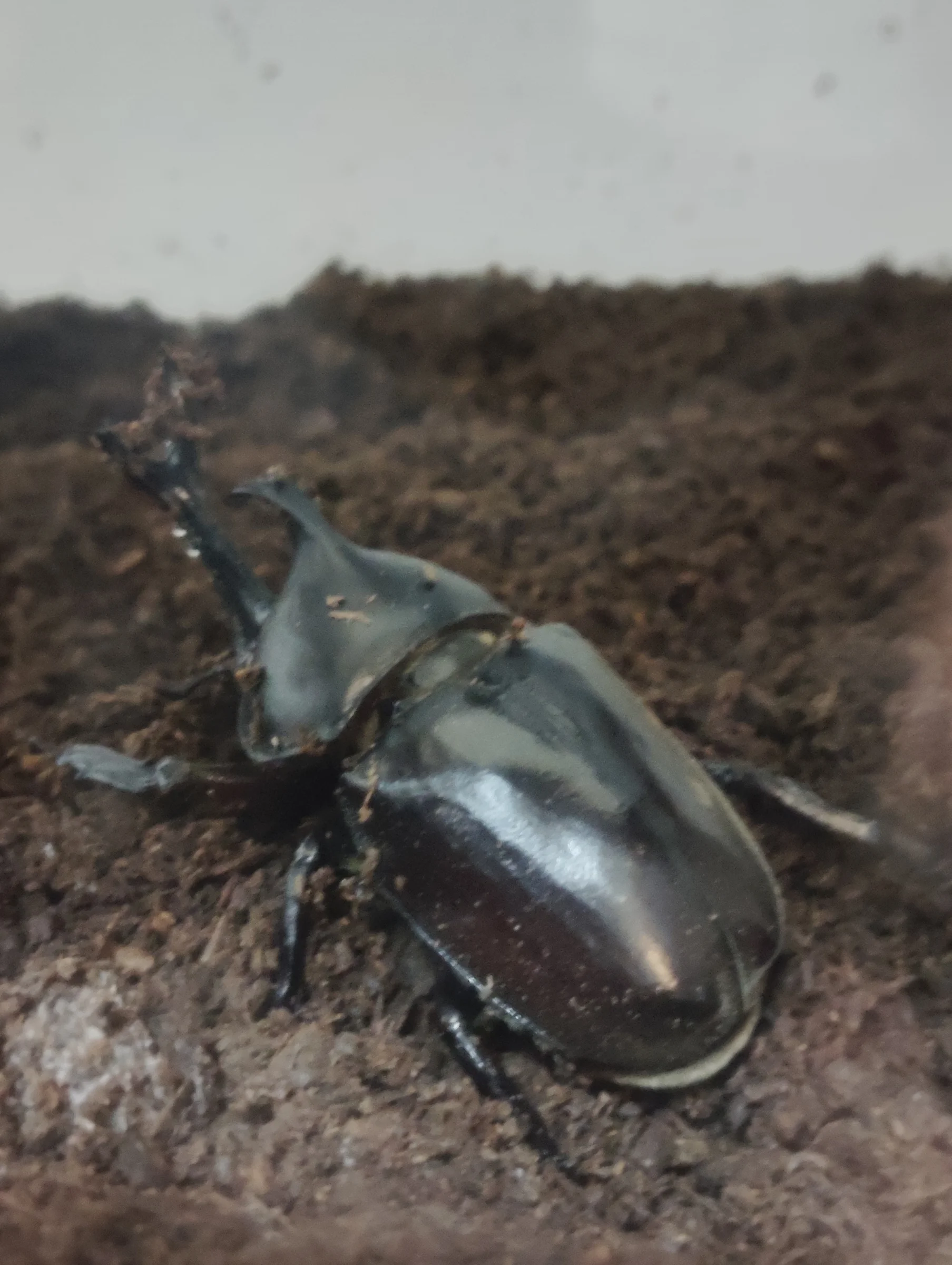
Kokabuto Beetle key facts
- Care level
- Intermediate
- Lifespan
- Six months to two years at most
- Size
- 18-26 mm
- Diet
- Larvae and corpses of other insects; beetle jelly
- Temperature & Humidity
- This is a Japanese native, so room temperature is fine; simply keep the substrate and rotten wood for the larvae from drying out. Beetles that emerge in autumn overwinter inside the wood as they are.
- Breeding & Egg-laying
- It will lay in commercial rhinoceros-beetle substrate or in a log already used for stag beetles, but it is not easy. Females lay almost nothing after the end of July, so the set has to be done by then. The beetle is strongly carnivorous and will eat eggs and larvae, so remove the adults as soon as either is found.
- Cohabitation
- Because it is strongly carnivorous, beetles that emerge early will prey on larvae and pupae that have not, so keeping them singly is safer. Do not house them with other species either.
- Lifespan & Rearing Period
- Larvae grow very fast and reach adulthood in under two months, which gives two or three generations a year. Adults can overwinter more than once and live from six months up to two years, long for their size. They rarely pass the winter as larvae.
- Health & Notes
- No import procedure applies to a native species, but do not release collected beetles elsewhere or cross them with the island subspecies. Summer adults fly well and come to lights, so make sure the lid of the container is secure.
About Kokabuto Beetle
A keeper's guide to the Kokabuto beetle, an 18–26mm rhinoceros beetle found across Japan, covering its carnivorous habits, solitary housing needs, and typical lifespan.
7 things to know before welcoming a Kokabuto Beetle
1Solitary Housing Only
Kokabuto beetles have a strong tendency toward cannibalism, so keeping more than one in the same enclosure often leads to fighting. Both adults and larvae should each be housed in their own separate container.
2Strong Carnivorous Diet
Unlike typical rhinoceros beetles that feed mainly on tree sap, Kokabuto beetles have a pronounced carnivorous streak, favoring the larvae and remains of other insects. Consider offering animal-based food in addition to standard insect jelly.
3Adult Size: 18–26mm
Adult Kokabuto beetles measure roughly 18 to 26mm in length, making them a compact rhinoceros beetle. Their small size also means they take up relatively little space to house.
4Lifespan of 6 Months to 2 Years
Kokabuto beetles typically live anywhere from half a year up to two years, with variation between individuals. Keeping conditions stable gives them the best chance at a longer life.
5Intermediate Difficulty
Because of their carnivorous diet and need for solitary housing, Kokabuto beetles require different care than typical rhinoceros beetles and are best suited to intermediate keepers. Having a grasp of basic insect care fundamentals beforehand will help.
6Found Across Japan
Kokabuto beetles are distributed across nearly all of Japan, making them a familiar sight in many regions. Because their range spans such varied climates, it's worth adjusting temperature management to your local conditions.
7Prepare Separate Containers
Since solitary housing is essential, you'll need an individual enclosure for each adult and larva. If you're planning to keep multiple Kokabuto beetles, make sure you have enough containers ready before they arrive.
Frequently asked questions about Kokabuto Beetle
- Q.Can Kokabuto beetles be kept in the same enclosure as other beetles?
- A.Kokabuto beetles have a strong tendency toward cannibalism, so housing them with other individuals isn't recommended. Both adults and larvae should be kept in their own separate containers.
- Q.Is insect jelly alone enough to feed a Kokabuto beetle?
- A.Kokabuto beetles have a strong carnivorous tendency and naturally feed on the larvae and remains of other insects. In addition to standard insect jelly, it's worth considering some animal-based food as well.
- Q.How long do Kokabuto beetles live?
- A.Kokabuto beetles typically live anywhere from half a year up to two years, with some variation between individuals. Maintaining a stable environment is key to helping them live longer。
- Q.Can a first-time insect keeper take care of a Kokabuto beetle?
- A.Because of their carnivorous diet and need for solitary housing, Kokabuto beetles are considered suited to intermediate keepers. It's a good idea to gain some basic insect-keeping experience before bringing one home.
- Q.Does CITES apply to keeping or trading Kokabuto beetles?
- A.Kokabuto beetles are not subject to CITES. If you'd like more detail, it's also worth checking the specific listing page.
Useful tools for Kokabuto Beetle care
Learn more about Kokabuto Beetle in the encyclopedia
View Kokabuto Beetle encyclopedia entry →
Care difficulty, lifespan, size and diet — all basics covered.
More in this category
Can't find the one you're looking for?
Post your wishes for free and breeders with matching animals will contact you with introductions.