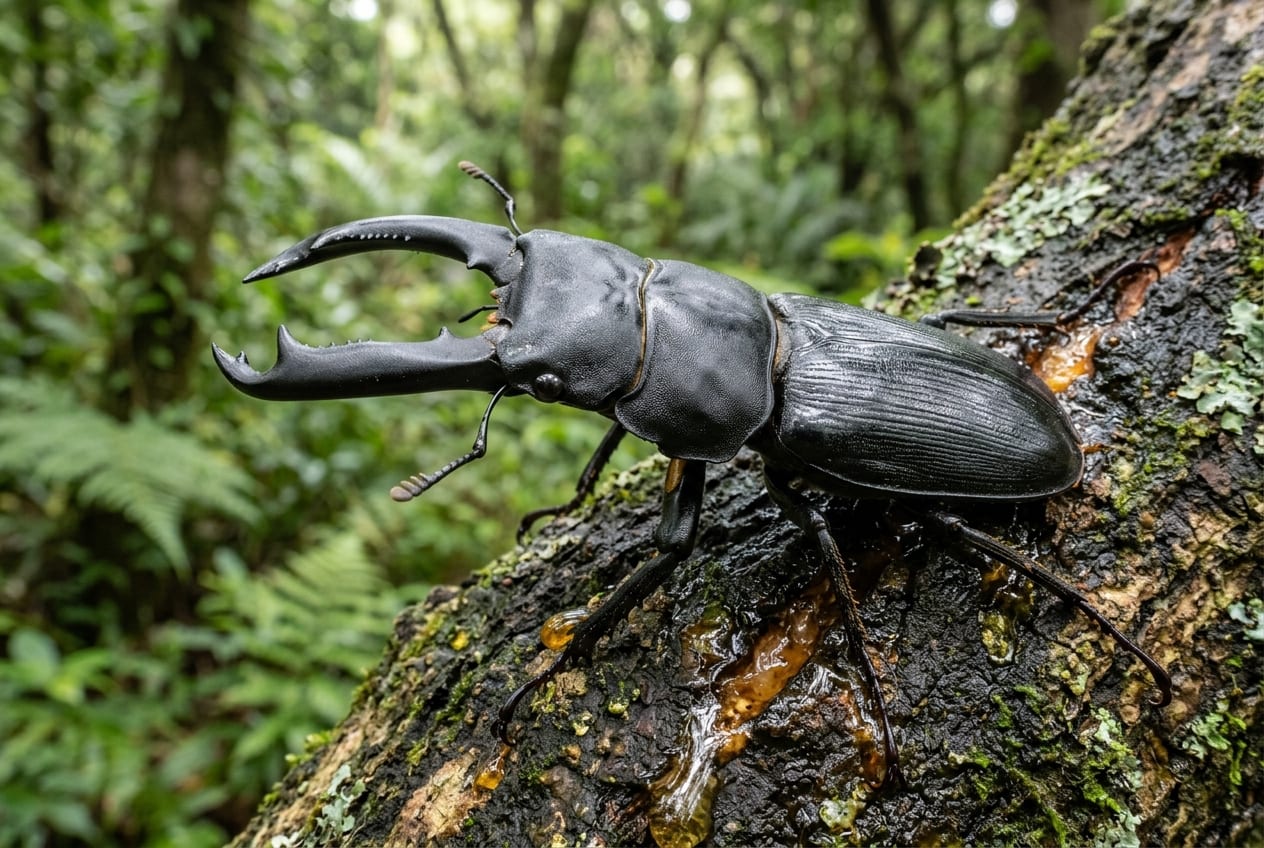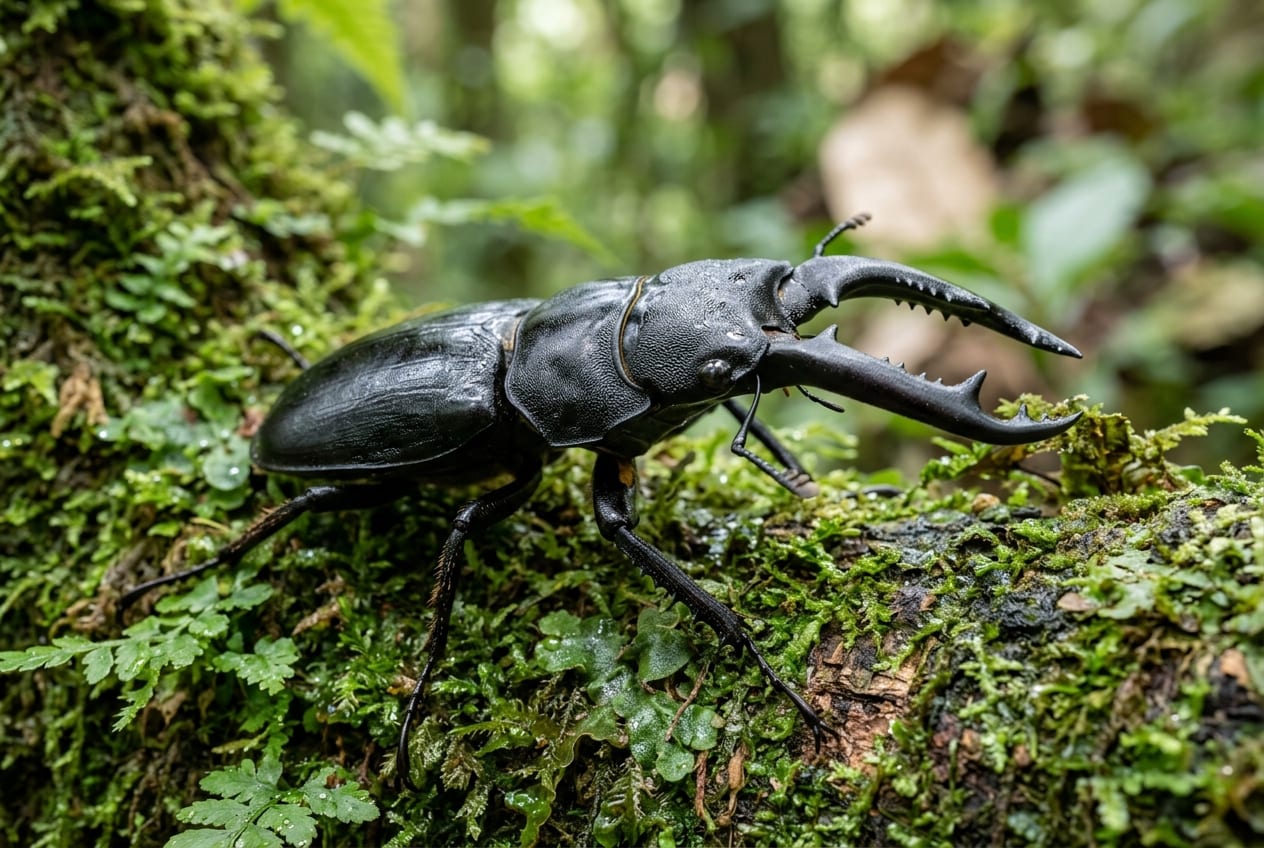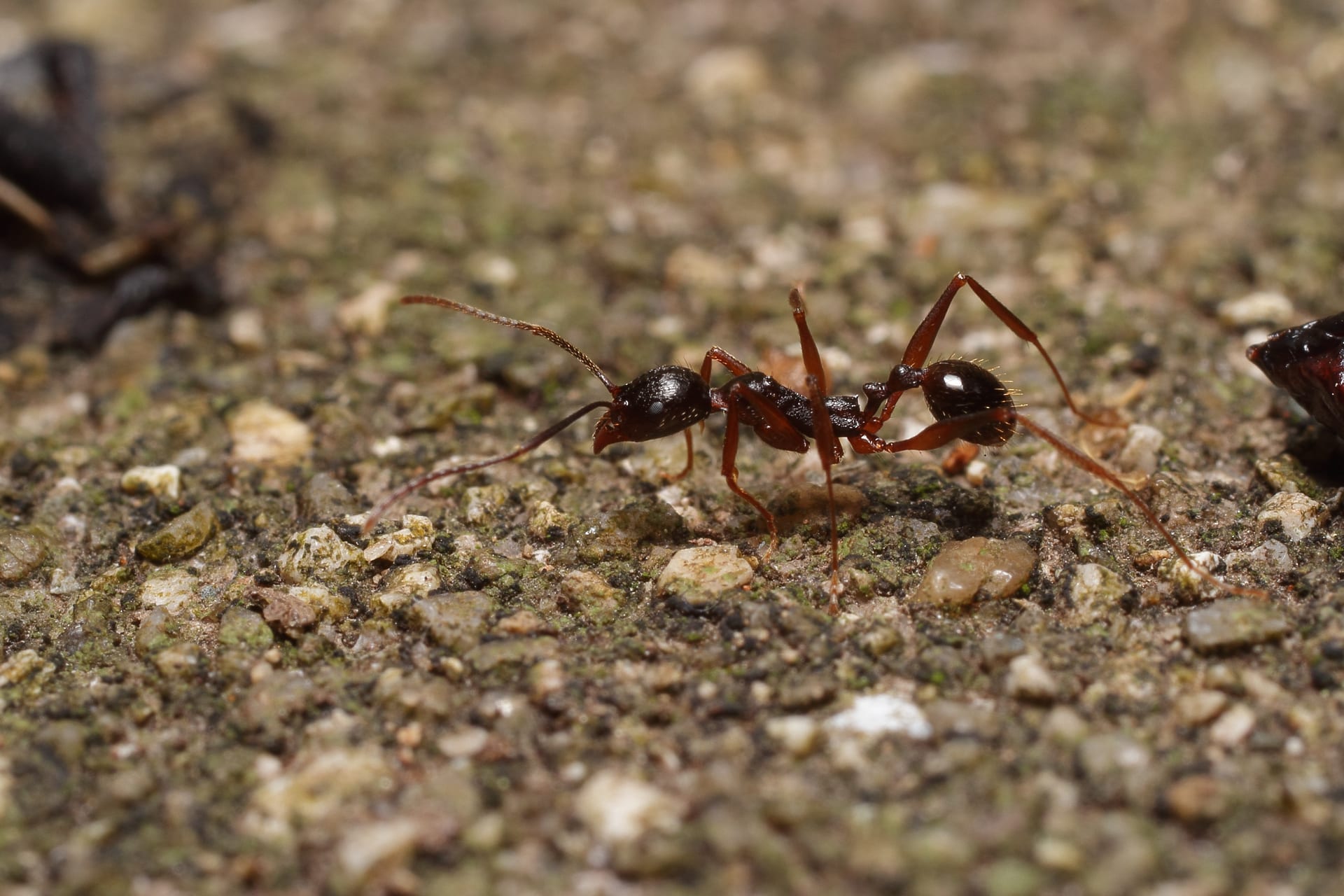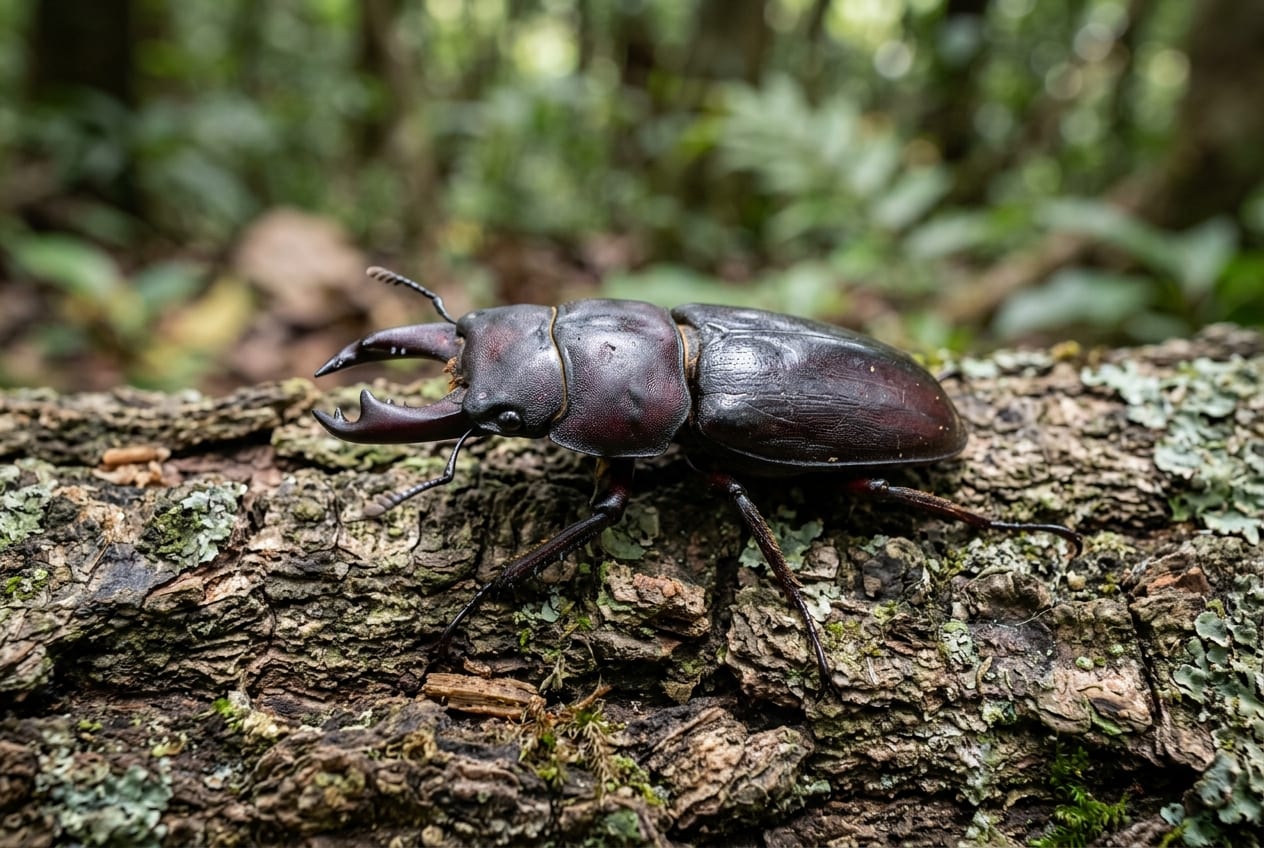
AI-generated image
Kokabuto Beetle
IntermediateEophileurus chinensis
It eats the larvae and corpses of other insects rather than tree sap, and because it will eat its own kind it is kept singly. Its un-beetle-like habits are what appeal to specialists.
Difficulty
Intermediate
Temperature
20〜28℃
Lifespan
Six months to two years at most
Size
18-26 mm
Humidity
60〜80%
Diet
Larvae and corpses of other insects; beetle jelly
About
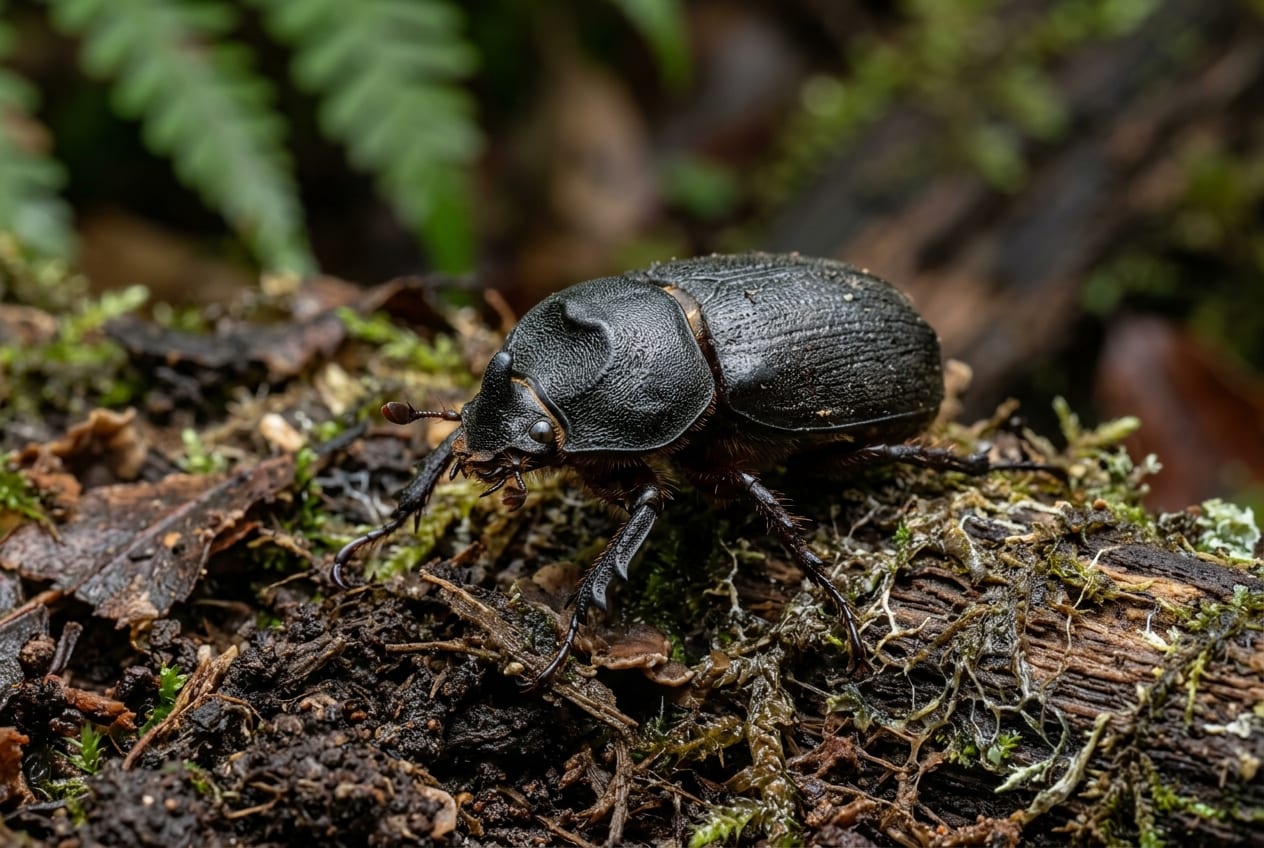
Eophileurus chinensis occurs across most of Japan and also in the Korean Peninsula, China and Taiwan. It measures about 18-26 mm, and both sexes carry a small horn-like projection; the depression on the pronotum is round in males and slit-shaped in females, which is how they are told apart. It resembles the coconut rhinoceros beetles but is flatter, with leg spines large for its size. It lives in unspoilt lowland country and the adults are chiefly nocturnal. Rather than gathering at sap, it feeds on the larvae and corpses of other insects. Larvae eat white-rotted broadleaf wood and reach adulthood in under two months, so two or three generations appear each year; beetles that emerge in autumn overwinter inside the rotten wood. They can overwinter more than once and live from six months up to two years. The subspecies irregularis and okinawanus occur on Amami Oshima and Okinawa Island.
Source: Wikipedia (CC BY-SA 4.0)
Size of the Kokabuto Beetle
The Kokabuto Beetle grows to 18-26 mm.
Basic Info
Origin
Most of Japan, plus the Korean Peninsula, China and Taiwan (including subspecies)
Lifespan
Six months to two years at most
Size
18-26 mm
Temperature
20〜28℃
Humidity
60〜80%
Diet
Care Specifications
Breeding Records & Localities
Notable localities
Japan (most of Honshu, Shikoku and Kyushu)Amami OshimaOkinawa Island
Regional subspecies
- Eophileurus chinensis irregularis — Amami Oshima
- Eophileurus chinensis okinawanus — Okinawa Island
The BE-KUWA certified records do not cover the genus Eophileurus, so no record figure exists. The subspecies were described by Prell in 1913 and Nomura in 1964.
Generation codes
- WD
- Wild-caught
- WF1
- Offspring of a wild-caught female
- F1〜
- Captive generations (same locality)
- CBF1
- Cross-locality captive-bred (reset)
References & Sources
Edited & verified by: BreederDirect editorial team
The taxonomic, regulatory, and husbandry data on this page are compiled and verified against the authoritative primary sources below.
Taxonomy & Authority
Accepted name: Eophileurus chinensis (Faldermann, 1835)
Synonyms: Eophileurus chinensis chinensis (Faldermann, 1835)
Authority databases: GBIF
Nomenclature follows global taxonomic authority databases.
Regulations & Conservation Status
Not CITES-listed
Sources: CITES Appendix (checklist.cites.org)
Regulations may change. Always verify the latest information with the relevant authorities.
Kokabuto Beetle Listings
Loading latest listingsFind listings for this species