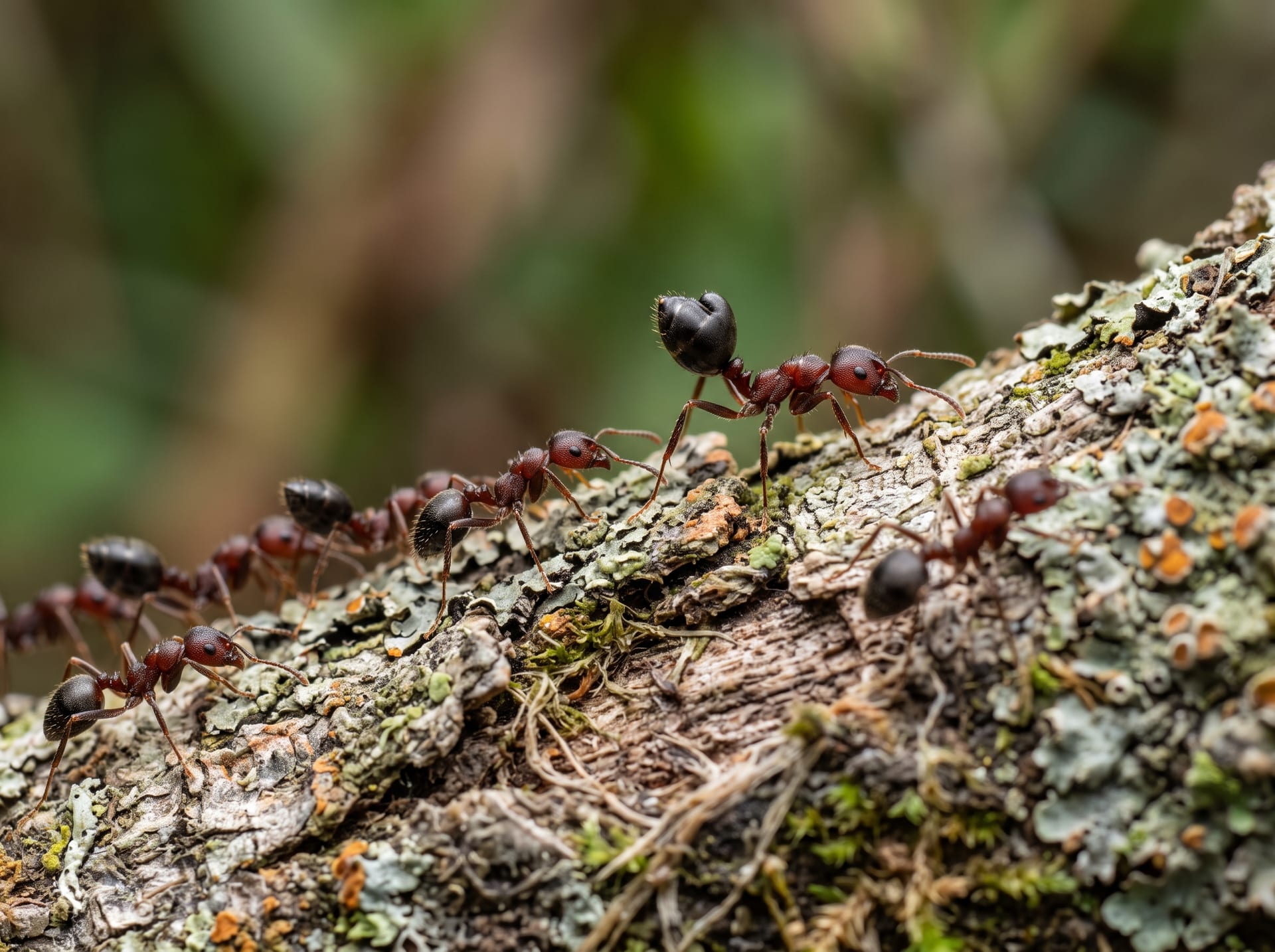
Haributo Acrobat Ant
The Haributo Acrobat Ant is a member of the Crematogaster group, known for its signature move of curling its abdomen up over its back when alert. This small species nests in enclosed spaces such as beneath bark or inside decaying wood, with workers measuring a compact 2 to 3.5mm. It has a strong appetite for honeydew and other sugary resources, and its active movement makes for engaging observation. Alates take to the air for their nuptial flight from summer into early autumn. Because recreating a suitable nesting environment and managing humidity and temperature calls for some experience, this species is generally rated suitable for intermediate keepers looking to explore the deeper side of ant-keeping.
View Haributo Acrobat Ant encyclopedia →0% commission on your first sales!Register by September 30, 2026 and your first 2 sales are commission-free!
Breeder Wanted!
List on BreederDirect and sell directly to customers nationwide!
6 Transparency Standards You Can Trust
When listing Insects, Breeders disclose the following. We guarantee transparency on growth stage and breeding unit.
- Life Stage Clarity
- Generation Info
- Real Photos
- Breeding Unit
- Country of Origin
- Body Length (mm)
Browse all 296 breeds
No listings match your filters
Adjust your filters, or get notified when new listings arrive.
Getting alerts is free with a member account. When new listings match your saved search, we'll notify you by email and in-app.
Browse other categories
Verified breeders (preview)
Haributo Acrobat Ant key facts
- Care level
- Intermediate
- Lifespan
- Queens 3-6 years
- Size
- Workers 2-3.5mm
- Temperature
- 23〜25℃
- Diet
- Mainly sugars such as honeydew and nectar; also insects
- Temperature & Humidity
- Keep at 23-25C, never above 30C. A bark-nesting species that prefers moderate rather than heavy moisture. Honshu stock overwinters indoors unheated.
- Breeding & Egg-laying
- Alates fly from late July to September. Start a founding colony by placing a dealated queen in a test tube.
- Cohabitation
- Cannot be housed with other colonies or species. It defends itself with venom from the gaster tip, so never share a foraging area with other ants.
- Lifespan & Rearing Period
- A small species whose colonies can be maintained for a long time in a test tube or small plaster nest.
- Health & Notes
- At 2-3.5mm it escapes through tiny gaps, so a sealed container and escape barrier are essential. Offer liquids soaked in cotton so the ants do not drown.
About Haributo Acrobat Ant
A small acrobat ant that nests under bark or in decaying wood. Known for its raised-abdomen posture and taste for honeydew, with workers measuring 2–3.5mm; best suited to intermediate keepers.
7 things to know before welcoming a Haributo Acrobat Ant
1A Raised, Curled Abdomen
True to its acrobat-ant name, it curls its abdomen up over its back when alert or disturbed. Spotting this distinctive posture is one of the small daily pleasures of keeping this species.
2Nests Under Bark or in Rotting Wood
In the wild, colonies settle into enclosed, dark spaces such as beneath bark or inside decaying wood. When setting up a habitat, it helps to provide a similarly tight, sheltered nesting space.
3A Taste for Honeydew
This species is known for favoring honeydew and other sugary resources. Offering food with a sugar component is a basic part of its day-to-day care.
4An Intermediate-Level Species
This species is generally rated as suitable for intermediate keepers. Recreating its nesting environment and handling day-to-day care benefit from some prior ant-keeping experience.
5Small Workers, 2–3.5mm
Workers measure roughly 2 to 3.5mm, placing this among the smaller ant species. Their small size makes for a compact setup, but also means extra care is needed to prevent escapes through gaps.
6Alates Fly in Summer to Early Autumn
From summer into early autumn, winged alates emerge as part of the colony's reproductive cycle. The behavioral shifts around this season are another point of interest for long-term keepers.
7Prepare the Habitat Before Arrival
Before bringing your ants home, set up the habitat in advance — a snug nesting space and a feeding container are the essentials. Right after arrival they may be unsettled by the change in environment, so keep them somewhere quiet and check on them gently for the first while.
Frequently asked questions about Haributo Acrobat Ant
- Q.What is the Haributo Acrobat Ant's temperament like?
- A.Its defining trait — and the source of its name — is the way it curls its abdomen up over its back when alert. This posture is thought to serve as a warning or defensive signal.
- Q.How difficult is this species to keep?
- A.This species is generally rated as intermediate-level. Recreating its nesting environment and managing humidity, temperature, and feeding calls for some prior ant-keeping knowledge.
- Q.How big does this ant get?
- A.Workers measure roughly 2 to 3.5mm. Their small size allows for a compact setup, but it also means extra care is needed to prevent escapes through small gaps.
- Q.What kind of food does it prefer?
- A.It's known for favoring honeydew and other sugary resources. Day-to-day care generally centers on offering food with a sugar component.
- Q.When do winged alates appear?
- A.Winged alates take flight for their reproductive swarm from summer into early autumn. This period offers a valuable window for observing the colony's breeding behavior.
Useful tools for Haributo Acrobat Ant care
Learn more about Haributo Acrobat Ant in the encyclopedia
View Haributo Acrobat Ant encyclopedia entry →
Care difficulty, lifespan, size and diet — all basics covered.
More in this category
Can't find the one you're looking for?
Post your wishes for free and breeders with matching animals will contact you with introductions.