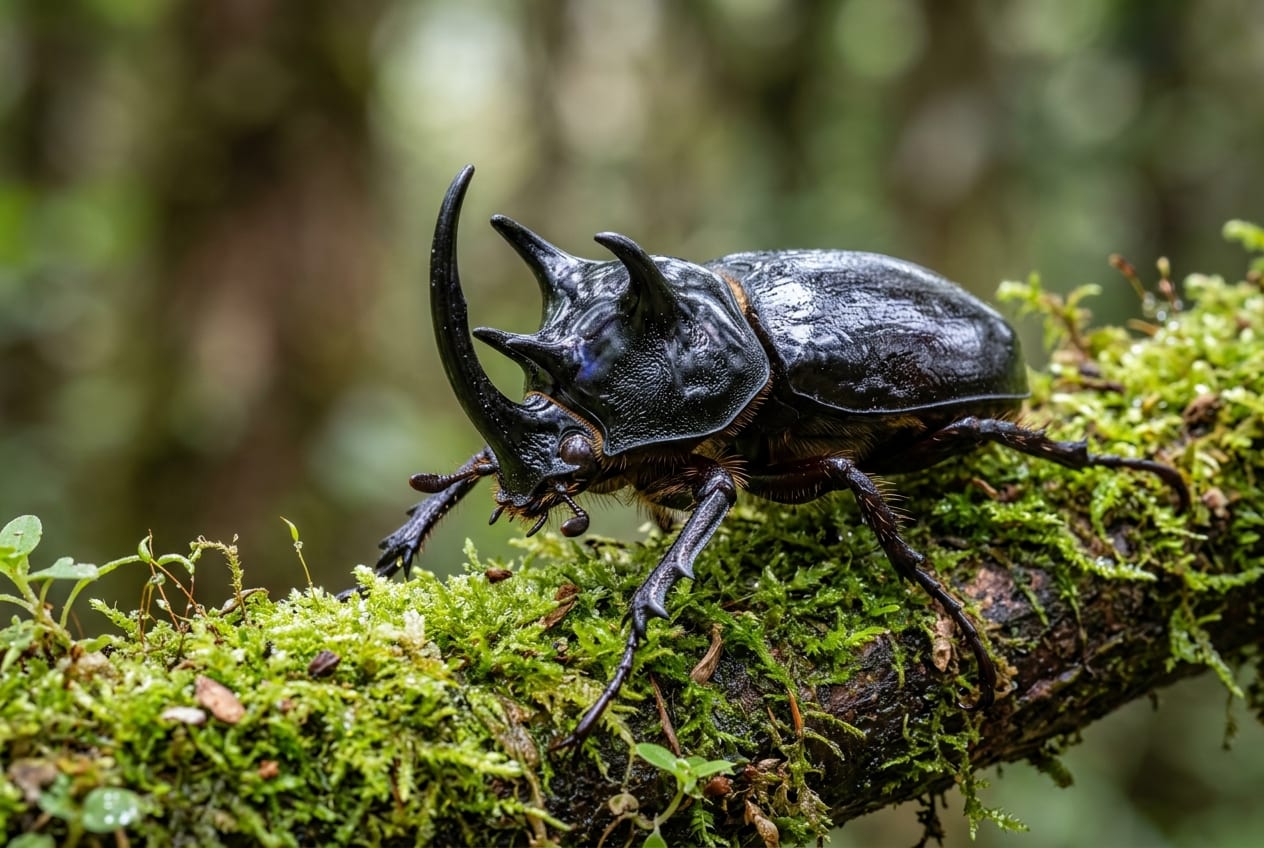
Hardwicke's Five-horned Beetle
Hardwicke's Five-horned Beetle belongs to the Eupatorus genus, native to a range stretching from India through the southern Himalayan foothills to southwestern China. True to its genus name, males grow a striking set of five horns on the head and thorax, packed into a relatively compact frame compared with other Eupatorus species. Its temperament is generally calm, making it easy to appreciate the intricate horn structure up close. One notable trait is that newly emerged adults don't become active right away — they pass through a lengthy pre-feeding period before they start moving. Because of this, breeding successive generations from larvae is considered difficult, and the species is best suited to experienced keepers who want to enjoy both dramatic horns and an intriguing life cycle.
View Hardwicke's Five-horned Beetle encyclopedia →0% commission on your first sales!Register by September 30, 2026 and your first 2 sales are commission-free!
Breeder Wanted!
List on BreederDirect and sell directly to customers nationwide!
6 Transparency Standards You Can Trust
When listing Insects, Breeders disclose the following. We guarantee transparency on growth stage and breeding unit.
- Life Stage Clarity
- Generation Info
- Real Photos
- Breeding Unit
- Country of Origin
- Body Length (mm)
Browse all 296 breeds
No listings match your filters
Adjust your filters, or get notified when new listings arrive.
Getting alerts is free with a member account. When new listings match your saved search, we'll notify you by email and in-app.
Browse other categories
Verified breeders (preview)
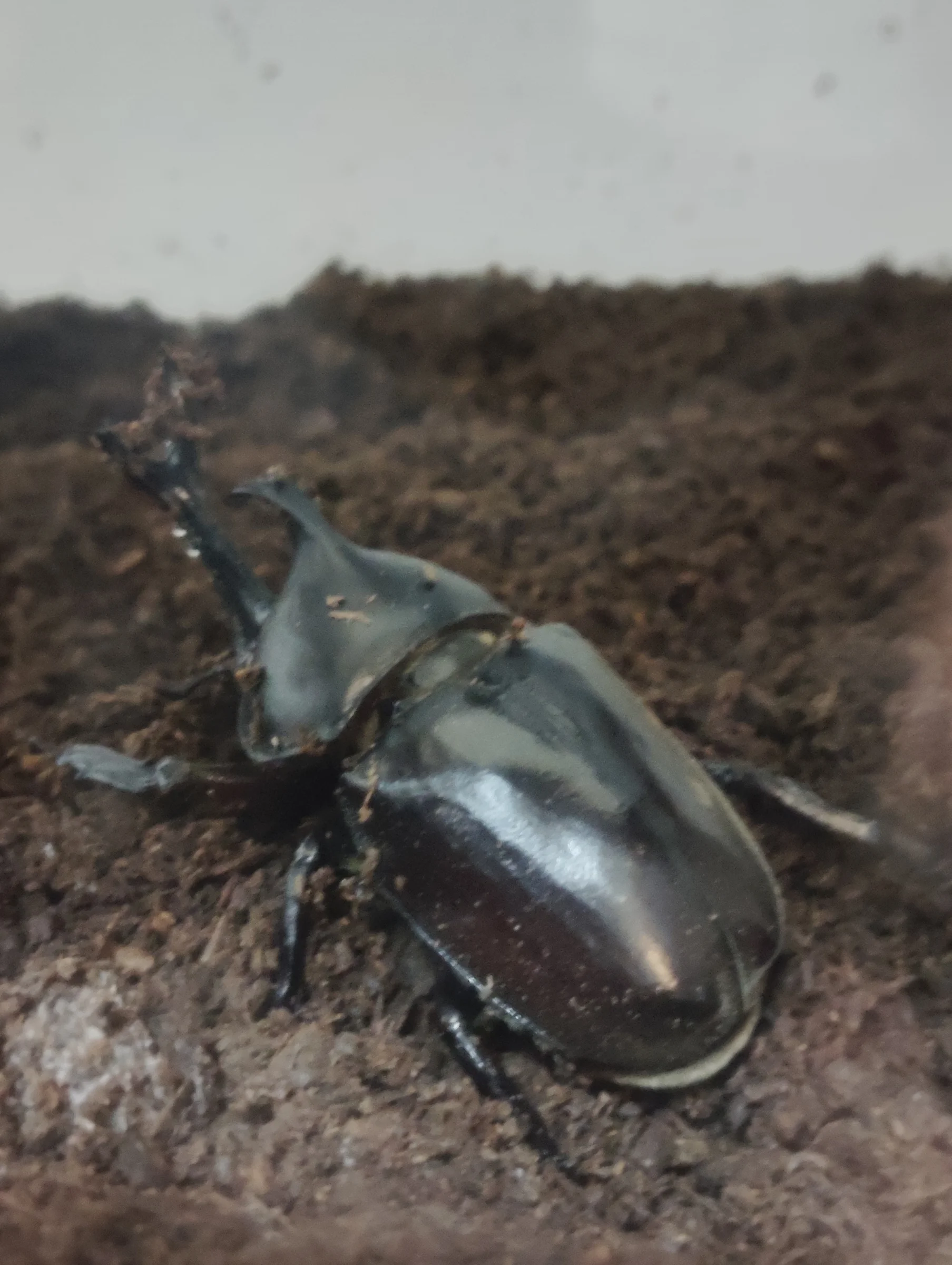
About Hardwicke's Five-horned Beetle
Hardwicke's Five-horned Beetle is a small Eupatorus species from India, the Himalayan foothills, and southwestern China, known for its five horns and challenging captive breeding.
7 things to know before welcoming a Hardwicke's Five-horned Beetle
1Five Distinctive Horns
True to its genus name, males develop a total of five horns across the head and thorax. It's a compact-bodied species within Eupatorus, letting keepers appreciate the fine detail of the horn structure. Females typically show much less horn development.
2Slow to Wake After Eclosion
Newly emerged adults don't spring into activity right away — they pass through a pre-feeding dormancy period before becoming active. Give them time and avoid disturbing them unnecessarily during this phase.
3Breeding Is Challenging
This species is known for being difficult to breed across successive generations from larvae, and is generally considered suitable for experienced keepers. If you're aiming to breed them, it's best to build experience with easier species first.
4Mind the Native Climate
Its native range spans India, the southern Himalayan foothills, and southwestern China. Try to reflect that native climate in your temperature and humidity management.
5Choosing Larval Substrate
During the larval stage, rearing on an appropriate fermented substrate is the foundation of care. Check the substrate condition regularly and replace it once it starts to break down.
6Inspect Before You Buy
When receiving an individual, check for chipped horns, leg condition, and the sheen of the exoskeleton. It also helps to note whether it's active or still in its pre-feeding phase.
7Prepare Your Setup First
Have your enclosure, substrate, and insect jelly ready before the beetle arrives. Since this is a species for experienced keepers, it's worth researching care details in advance.
Frequently asked questions about Hardwicke's Five-horned Beetle
- Q.Is this beetle suitable for beginners?
- A.Hardwicke's Five-horned Beetle is generally considered a species for experienced keepers. Given the difficulty of breeding successive generations, it's best to gain experience with other beetles first.
- Q.Will the adult be active right after arrival?
- A.Newly emerged adults typically don't become active immediately — they go through a pre-feeding dormancy period first. Don't worry if it stays still at first; just give it time.
- Q.Is breeding this species difficult?
- A.Yes, it's known as a species that's hard to breed across successive generations, requiring solid experience. Research the process thoroughly before attempting to breed or rear larvae.
- Q.How can I tell males from females?
- A.Males develop five horns on the head and thorax, while females show much less horn growth. The presence and size of the horns is the main way to distinguish them.
- Q.What should I feed it?
- A.Adults are commonly fed commercial insect jelly made for beetles. Larvae are raised on fermented substrate, which serves as both bedding and food source.
Useful tools for Hardwicke's Five-horned Beetle care
Learn more about Hardwicke's Five-horned Beetle in the encyclopedia
View Hardwicke's Five-horned Beetle encyclopedia entry →
Care difficulty, lifespan, size and diet — all basics covered.
More in this category
Can't find the one you're looking for?
Post your wishes for free and breeders with matching animals will contact you with introductions.