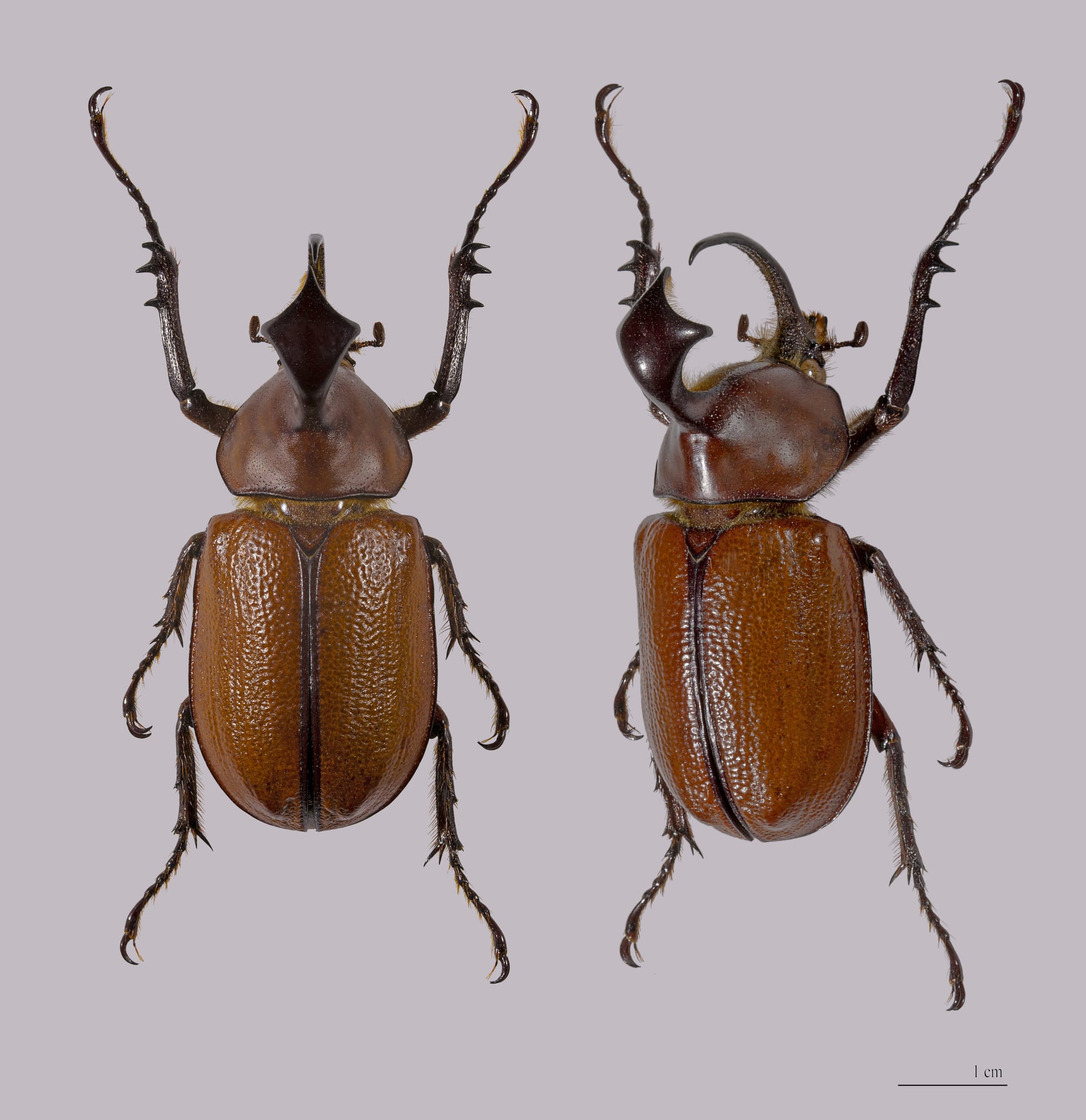
 © Didier Descouens / CC BY-SA 4.0
Claviger Golofa Beetle
The Claviger Golofa Beetle is a horned beetle native to Peru, South America, named for the diamond-shaped horn on the male's thorax. Males typically reach 40 to 65mm, a manageable size that lets you appreciate the striking horn up close. It breeds well across generations on standard mat substrate, making it a beginner-friendly species for those new to beetle keeping. Its calm temperament suits keepers who can't devote extensive daily attention to their animals, and the variation in horn shape and body coloring between individuals offers plenty to observe over time.
View Claviger Golofa Beetle encyclopedia →0% commission on your first sales!Register by September 30, 2026 and your first 2 sales are commission-free!
Breeder Wanted!
List on BreederDirect and sell directly to customers nationwide!
6 Transparency Standards You Can Trust
When listing Insects, Breeders disclose the following. We guarantee transparency on growth stage and breeding unit.
- Life Stage Clarity
- Generation Info
- Real Photos
- Breeding Unit
- Country of Origin
- Body Length (mm)
Browse all 296 breeds
No listings match your filters
Adjust your filters, or get notified when new listings arrive.
Getting alerts is free with a member account. When new listings match your saved search, we'll notify you by email and in-app.
Browse other categories
Verified breeders (preview)
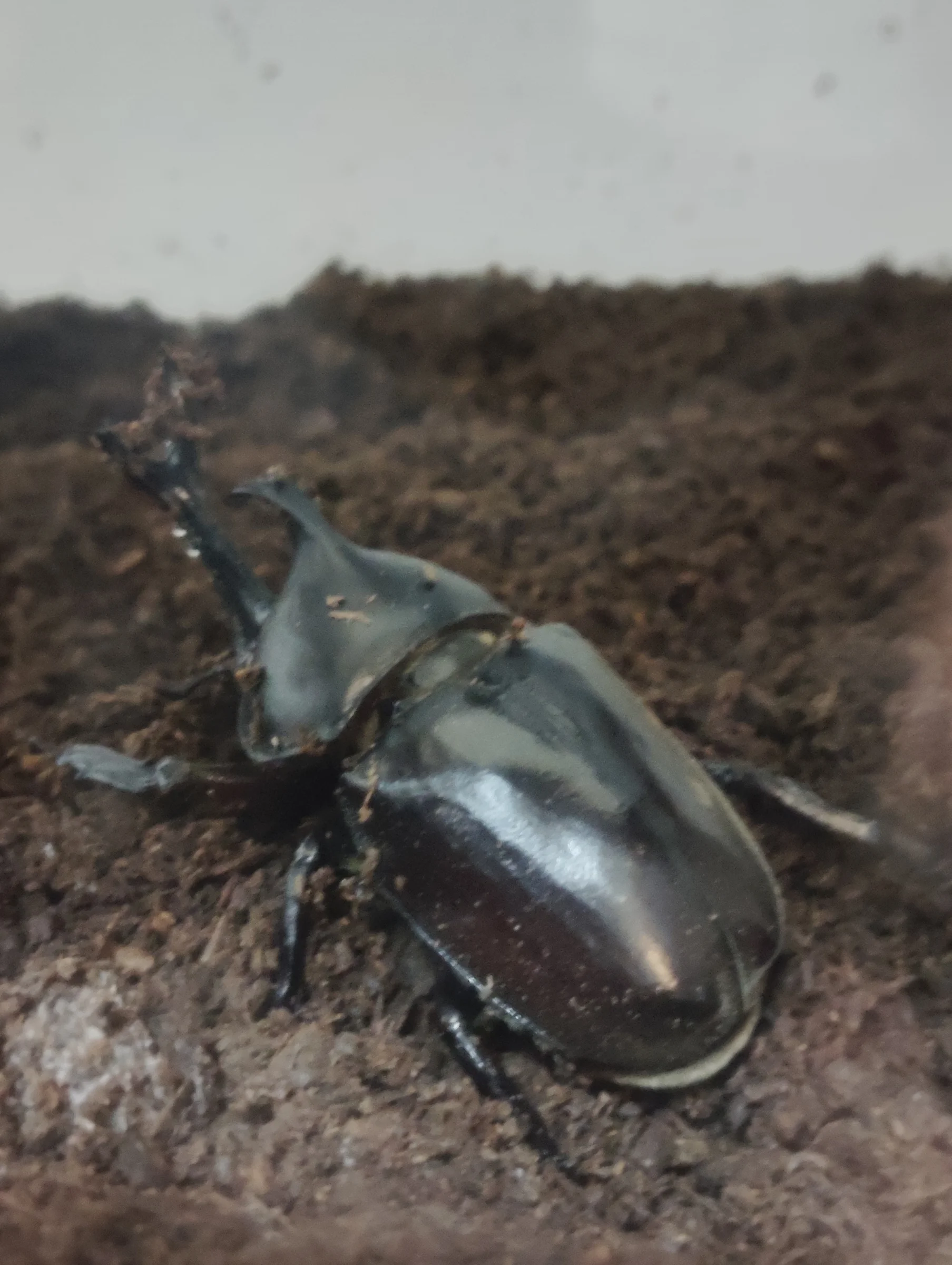
Claviger Golofa Beetle key facts
- Care level
- Beginner-friendly
- Lifespan
- Adults 3-6 months
- Size
- Males 40-65 mm / females 35-55 mm (stock on the market runs about 43-60 mm for males and 40-50 mm for females)
- Temperature
- 23〜25℃
- Diet
- Beetle jelly; tree sap
- Temperature & Humidity
- Keep it at about 23-25C. No source gives a figure for humidity, so follow the usual practice of holding the substrate just damp enough to clump when squeezed.
- Breeding & Egg-laying
- Egg-laying uses the standard substrate set. Plain rhinoceros-beetle substrate works, but mixing in black soil is said to raise the number of eggs. Larvae do well on the same substrate and are not difficult provided substrate changes are handled carefully. Allow a final bottle of 1400-1500 ml; the larval period is 10-12 months and sometimes two years.
- Cohabitation
- Males shove each other with their thoracic horns, so keep them singly and pair them only for the short time needed to see mating. Because adults are short-lived, keepers of Golofa claviger are advised to pair beetles as soon as they start feeding.
- Lifespan & Rearing Period
- Adults live only two to six months. Treat the start of feeding as the sign of maturity and pair the beetles soon after they become active. With a larval period of 10-12 months, allow about eighteen months for one generation.
- Health & Notes
- A bottle that is too small leaves the horns bent when the beetle emerges, so give the final instar a roomy container. Importing live beetles requires the species identification certificate demanded for live Scarabaeoidea.
About Claviger Golofa Beetle
The Claviger Golofa Beetle is a Peru-native horned beetle known for its diamond-shaped thoracic horn. It's a beginner-friendly species that breeds well on standard mat substrate.
7 things to know before welcoming a Claviger Golofa Beetle
1Beginner-Friendly Care Level
The Claviger Golofa Beetle is classified as beginner-friendly in terms of care difficulty. It breeds well in standard mat substrate, making it approachable even for first-time beetle keepers.
2Males and Females Differ in Size
Adult size runs roughly 40 to 65mm for males and 35 to 55mm for females, with individuals in circulation typically falling around 43 to 60mm and 40 to 50mm respectively. It's worth deciding in advance whether you want a male or female and what size range you're expecting.
3The Signature Diamond-Shaped Horn
The male's diamond-shaped thoracic horn is the species' defining feature, and the source of its alternate Japanese name. Horn shape and thickness vary between individuals, so comparing different beetles can be part of the enjoyment.
4Mainly Sourced from Peru
Peru-sourced individuals make up most of the beetles currently in circulation. Since individual variation stems from their native origin, it's a good idea to check horn shape and size details in the listing before bringing one home.
5Prepare Mat Substrate in Advance
This species does well in an enclosure with insect-keeping mat substrate. Before bringing one home, prepare a case and mat, and make sure you can keep the environment from drying out excessively.
6Relatively Calm Temperament
Among Golofa beetles, this species is considered relatively easy to handle, which is part of why it's recommended for beginners — daily care doesn't demand a great deal of effort. That said, individual temperament varies, so get to know your beetle gradually.
7Not Subject to CITES
The Claviger Golofa Beetle is not subject to CITES. No special international trade regulation procedures apply when bringing one home.
Frequently asked questions about Claviger Golofa Beetle
- Q.I've never kept a beetle before — is this species suitable?
- A.The Claviger Golofa Beetle is classified as beginner-friendly. It breeds well on mat substrate, making it a good choice for those trying insect keeping for the first time.
- Q.How do males and females differ in appearance?
- A.Males are distinguished by a diamond-shaped thoracic horn and reach roughly 40 to 65mm. Females lack the horn and are slightly smaller, at around 35 to 55mm.
- Q.Is this the same as the "Hishigata Tatezuno Kabuto"?
- A.Yes, it's the same species — the diamond-shaped thoracic horn is why it's also known by that alternate Japanese name.
- Q.Where do most individuals of this species come from?
- A.It's native to South America, and Peru-sourced individuals currently make up most of those in circulation. Horn shape and size vary somewhat between individuals.
- Q.Are there any international trade regulations to be aware of?
- A.The Claviger Golofa Beetle is not subject to CITES.
Useful tools for Claviger Golofa Beetle care
Learn more about Claviger Golofa Beetle in the encyclopedia
View Claviger Golofa Beetle encyclopedia entry →
Care difficulty, lifespan, size and diet — all basics covered.
More in this category
Can't find the one you're looking for?
Post your wishes for free and breeders with matching animals will contact you with introductions.