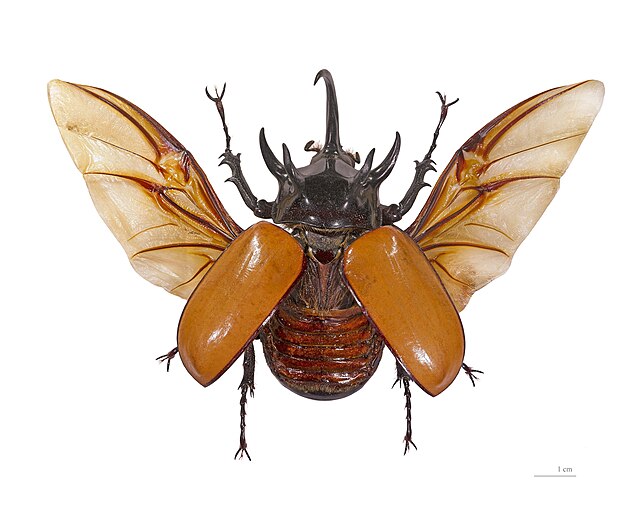
 © Didier Descouens / CC BY-SA 4.0
Five-horned Beetle
The Five-horned Beetle is a striking rhinoceros beetle native to Southeast Asia, named for the five horns spread across its head and thorax. Adults reach a maximum of about 60mm, making it relatively compact for a horned beetle of its kind. Despite its dramatic array of horns, its temperament is generally calm, and its unusual multi-horned silhouette makes for rewarding observation. Adults feed on insect jelly while larvae develop in fermented substrate; because keeping the environment stable takes a bit of know-how, this species is considered best suited to keepers with some experience.
View Five-horned Beetle encyclopedia →0% commission on your first sales!Register by September 30, 2026 and your first 2 sales are commission-free!
Breeder Wanted!
List on BreederDirect and sell directly to customers nationwide!
6 Transparency Standards You Can Trust
When listing Insects, Breeders disclose the following. We guarantee transparency on growth stage and breeding unit.
- Life Stage Clarity
- Generation Info
- Real Photos
- Breeding Unit
- Country of Origin
- Body Length (mm)
Browse all 296 breeds
No listings match your filters
Adjust your filters, or get notified when new listings arrive.
Getting alerts is free with a member account. When new listings match your saved search, we'll notify you by email and in-app.
Browse other categories
Verified breeders (preview)
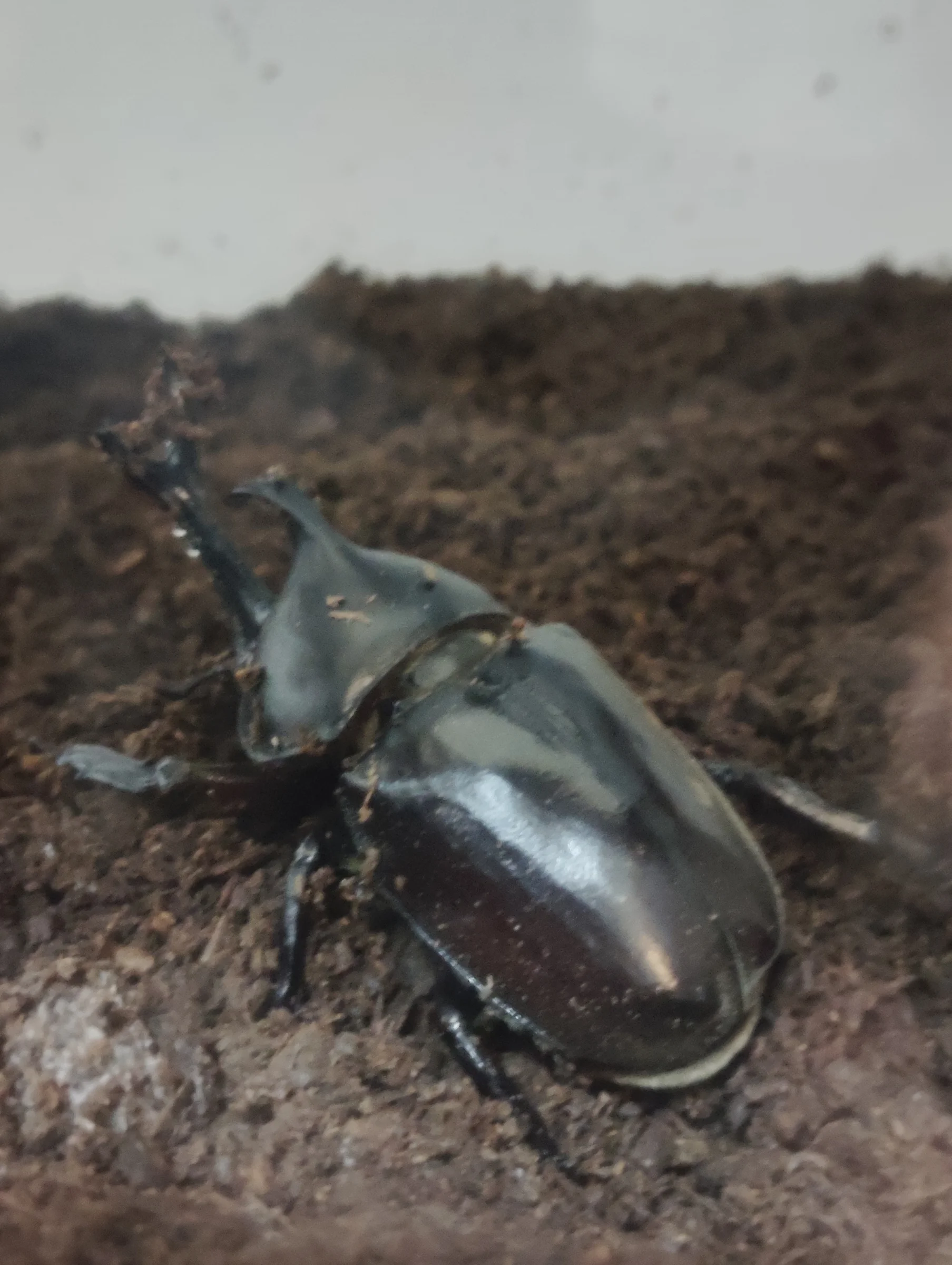
Five-horned Beetle key facts
- Care level
- Intermediate
- Lifespan
- Adult 3-6 months, larva 6-10 months
- Size
- Up to 60mm
- Temperature
- 22〜27℃
- Diet
- Beetle jelly (adult), fermented substrate (larva)
- Temperature & Humidity
- Keep at 22-27°C. Although it comes from Central and South American rainforest, avoid extreme heat and keep the room temperature stable.
- Housing
- It can be kept in a medium case with fermented substrate. It needs less space than the giant species and is easy to manage compactly.
- Diet & Feeding
- Feed adults beetle jelly. Larvae grow by eating the fermented substrate, so keep the substrate in good condition.
- Breeding & Egg-laying
- It lays in fermented substrate and breeds relatively easily. Larvae take about 6-10 months to emerge.
- Health & Cautions
- Adults live about 3-6 months. It is easy to keep and works well as a first exotic rhinoceros beetle.
About Five-horned Beetle
The Five-horned Beetle is a Southeast Asian rhinoceros beetle with five horns on its head and thorax. Reaching about 60mm as an adult, it's raised on insect jelly and fermented substrate, and suits keepers with some experience.
7 things to know before welcoming a Five-horned Beetle
1Five Horns, One Beetle
The Five-horned Beetle is named for its striking arrangement of five horns across the head and thorax, giving it a silhouette unlike most rhinoceros beetles. Despite its multiple horns, it is generally considered a calm species. Simply observing its unusual shape is part of the appeal.
2Temperature Matters
Because this species originates from Southeast Asia, maintaining a stable, warm environment is especially important. Avoid sudden drops in temperature or excessive dryness to keep the beetle healthy. This environmental sensitivity is one reason the species is considered better suited to keepers with some experience.
3Larvae Live in Substrate
During the larval stage, which lasts about 6 to 10 months, the beetle lives in fermented substrate (mat). Check the condition of the mat regularly and replace it when it starts to break down. Good larval care has a direct effect on the beetle's condition as an adult.
4Adults Eat Insect Jelly
Once it becomes an adult, insect jelly is its main food source. Replace the jelly regularly so it doesn't run out and stays fresh. The adult stage typically lasts around three to six months.
5A Calm Temperament
The Five-horned Beetle is generally regarded as calmer than many other rhinoceros beetles. Despite having multiple horns, it is not typically aggressive. Still, take care when handling it so that hands or tools don't get caught between the horns.
6A Multi-Stage Lifespan
Adults typically live for about three to six months, following a larval stage of roughly six to ten months. When considering bringing one home, it helps to plan care around this overall timeline.
7What to Prepare First
Before bringing one home, it's a good idea to prepare basic supplies such as an enclosure, fermented substrate, and insect jelly. Since this species originates from Southeast Asia, having a thermometer and some means of temperature control on hand is also worth considering.
Frequently asked questions about Five-horned Beetle
- Q.How big does the Five-horned Beetle get?
- A.Adults reach up to about 60mm in length. This makes it a relatively compact size among rhinoceros beetles.
- Q.How long does it live?
- A.Adults typically live for about three to six months, with a preceding larval stage of roughly six to ten months. Including both stages, care spans around a year in total.
- Q.What does it eat?
- A.Adults feed on insect jelly, while larvae feed on and grow within fermented substrate (mat). Feeding and substrate care differ depending on the growth stage.
- Q.Is this beetle suitable for beginners?
- A.This species is generally considered better suited to keepers with some experience. Familiarity with temperature management and handling fermented substrate helps keep care stable.
- Q.Are there any legal restrictions on this species?
- A.The Five-horned Beetle is not subject to CITES. It does not fall under this international trade regulation framework for endangered species.
Useful tools for Five-horned Beetle care
Learn more about Five-horned Beetle in the encyclopedia
View Five-horned Beetle encyclopedia entry →
Care difficulty, lifespan, size and diet — all basics covered.
More in this category
Can't find the one you're looking for?
Post your wishes for free and breeders with matching animals will contact you with introductions.