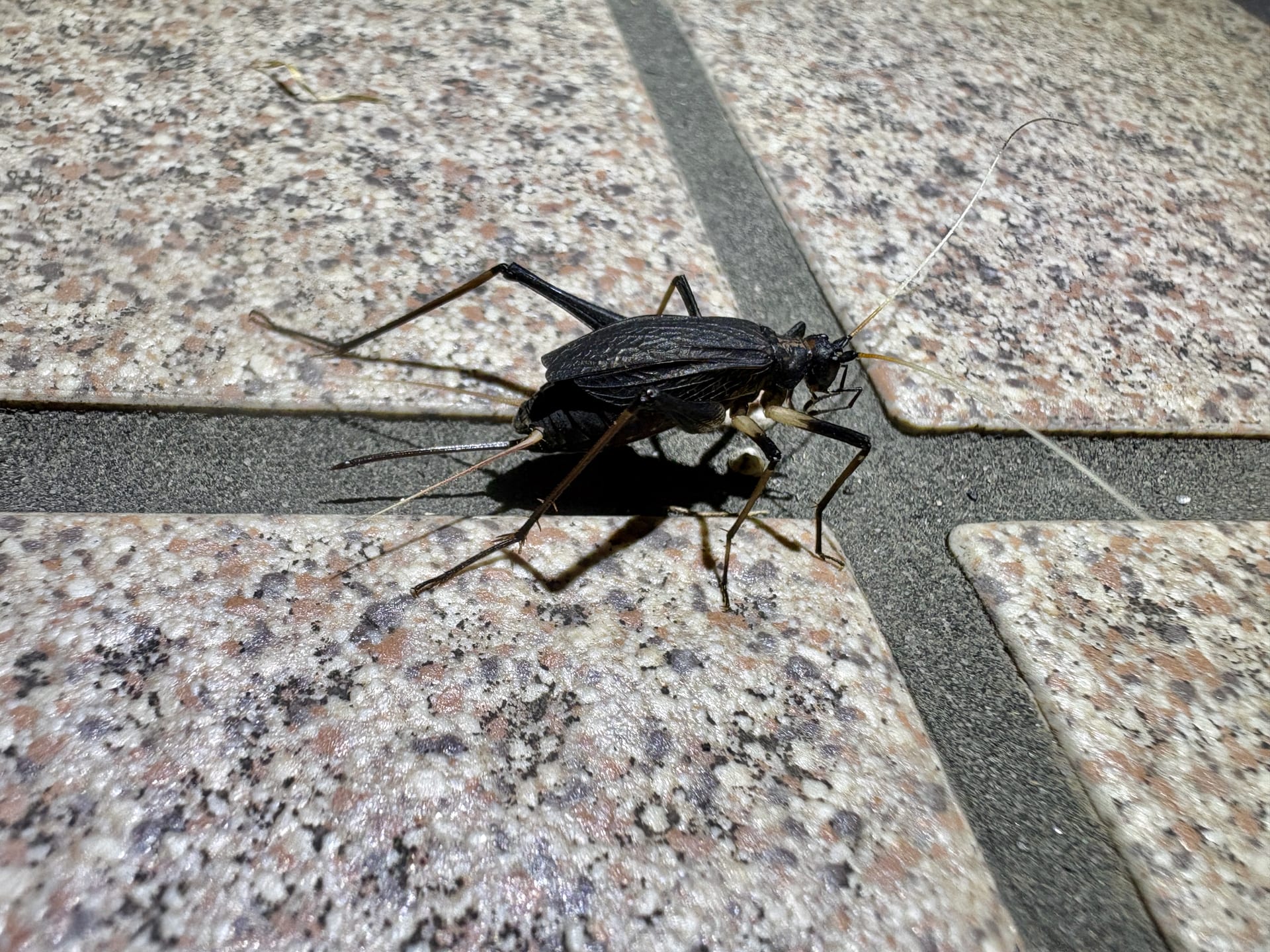
 © Kyu3a / CC BY-SA 4.0
Bell Cricket
The bell cricket is prized above all for its clear, ringing call, a sound so beloved in Japan that the insect has long been dubbed the "king of singing insects" and has been kept as a pet since the Heian period. Only males sing, producing their chirp by raising a pair of broad wings and rubbing them together in rapid, fine strokes. Adults stay compact at around 17 to 25mm, so they need very little space to house. They're considered an easy insect for beginners, thriving in a simple setup with soil and a few hiding spots. For many, keeping bell crickets is less about the insect itself and more about enjoying its song as a seasonal, autumnal pleasure.
View Bell Cricket encyclopedia →0% commission on your first sales!Register by September 30, 2026 and your first 2 sales are commission-free!
Breeder Wanted!
List on BreederDirect and sell directly to customers nationwide!
6 Transparency Standards You Can Trust
When listing Insects, Breeders disclose the following. We guarantee transparency on growth stage and breeding unit.
- Life Stage Clarity
- Generation Info
- Real Photos
- Breeding Unit
- Country of Origin
- Body Length (mm)
Browse all 296 breeds
No listings match your filters
Adjust your filters, or get notified when new listings arrive.
Getting alerts is free with a member account. When new listings match your saved search, we'll notify you by email and in-app.
Browse other categories
Verified breeders (preview)
Bell Cricket key facts
- Care level
- Beginner-friendly
- Lifespan
- Adults 1-2 months
- Size
- 17-25mm
- Diet
- Vegetables such as cucumber and aubergine, plus animal protein such as dried bonito flakes
- Temperature & Humidity
- A layer of akadama soil kept damp encourages laying, and keeping it damp through to the following year brings the eggs on. Kept indoors where it stays warm all winter, the insects eclose early and adults appear out of season.
- Breeding & Egg-laying
- The female lays by inserting her ovipositor into the soil. With both sexes present, a damp layer of akadama soil is enough for her to lay readily, and the eggs hatch over several weeks from late May into early June of the following year. After a number of moults the earliest individuals reach adulthood around late July.
- Cohabitation
- They are normally kept in groups, but cannibalism occurs if the food is all plant matter; adding animal protein such as dried bonito flakes prevents it. Housed with a large cricket such as the emma field cricket, they will be eaten.
- Lifespan & Rearing Period
- It is a single-brooded insect that overwinters as an egg. Eclosion begins in late July and the song continues through September. Wild adults are almost all gone by early October, though captive ones often live later than that.
- Health & Notes
- It jumps well but cannot climb glass or plastic, so a reasonably tall tank or plastic case will hold it. On prefectural red lists it is treated as a locally threatened population in Nagano and as data deficient in Gunma, and the village of Matsukawa in Nagano has an ordinance forbidding its capture. Many farmed individuals are thought to have escaped, so do not release captive stock into the wild.
About Bell Cricket
A beginner-friendly guide to bell crickets, prized for their clear song. Learn their traits, temperament, and what to know before bringing one home.
7 things to know before welcoming a Bell Cricket
1Only Males Sing
Only male bell crickets produce the clear song they're known for, by raising their broad wings and vibrating them rapidly. Females don't sing, so if the call is the main draw, make sure males are present.
2Needs Only a Small Space
Adults measure roughly 17 to 25mm, so a large enclosure isn't necessary. A simple container with a soil substrate and a hiding spot or two is enough to set them up comfortably.
3Beginner-Friendly Care
Bell crickets are considered an easy species for beginners and don't require elaborate equipment or specialized techniques. As long as basic care is kept up consistently, they're approachable even for first-time insect keepers.
4Humidity and Soil Matter
Bell crickets spend a lot of time in the substrate, so it's important to check the soil regularly and keep it neither too dry nor too wet. Excess dryness or mold growth can affect their condition.
5Provide Plenty of Hiding Spots
When keeping several individuals in one enclosure, a shortage of hiding spots can lead to conflicts between them. Provide several sheltered areas and avoid overcrowding the container.
6The Song Is a Seasonal Pleasure
The window during which adults sing is limited. Before bringing one home, it helps to have a realistic sense of how long you'll be able to enjoy the song, for a more satisfying experience overall.
7Prepare the Setup in Advance
Setting up the soil, hiding spots, and food source before your bell cricket arrives reduces stress on the animal. Having a ready, calm space from the moment it arrives makes for a smoother start.
Frequently asked questions about Bell Cricket
- Q.Can beginners keep bell crickets?
- A.Yes, bell crickets are considered an easy species for beginners. With a basic setup, soil, and a hiding spot, they can be kept without specialized equipment.
- Q.Do both males and females sing?
- A.Only males sing. They produce the clear call by raising their broad wings vertically and vibrating them rapidly. Females don't make this sound.
- Q.How large do adult bell crickets get?
- A.Adults reach roughly 17 to 25mm. Because they stay compact, you don't need a large amount of space to house them.
- Q.Are there any CITES restrictions on bell crickets?
- A.Bell crickets are not subject to CITES. There are no restrictions from that international trade framework.
- Q.What should I pay the most attention to when keeping one?
- A.Managing soil humidity is especially important. Checking the substrate regularly and avoiding both dryness and excess moisture helps maintain a stable environment.
Useful tools for Bell Cricket care
Learn more about Bell Cricket in the encyclopedia
View Bell Cricket encyclopedia entry →
Care difficulty, lifespan, size and diet — all basics covered.
Bell Cricket related articles
See more Bell Cricket articles →More in this category
Can't find the one you're looking for?
Post your wishes for free and breeders with matching animals will contact you with introductions.