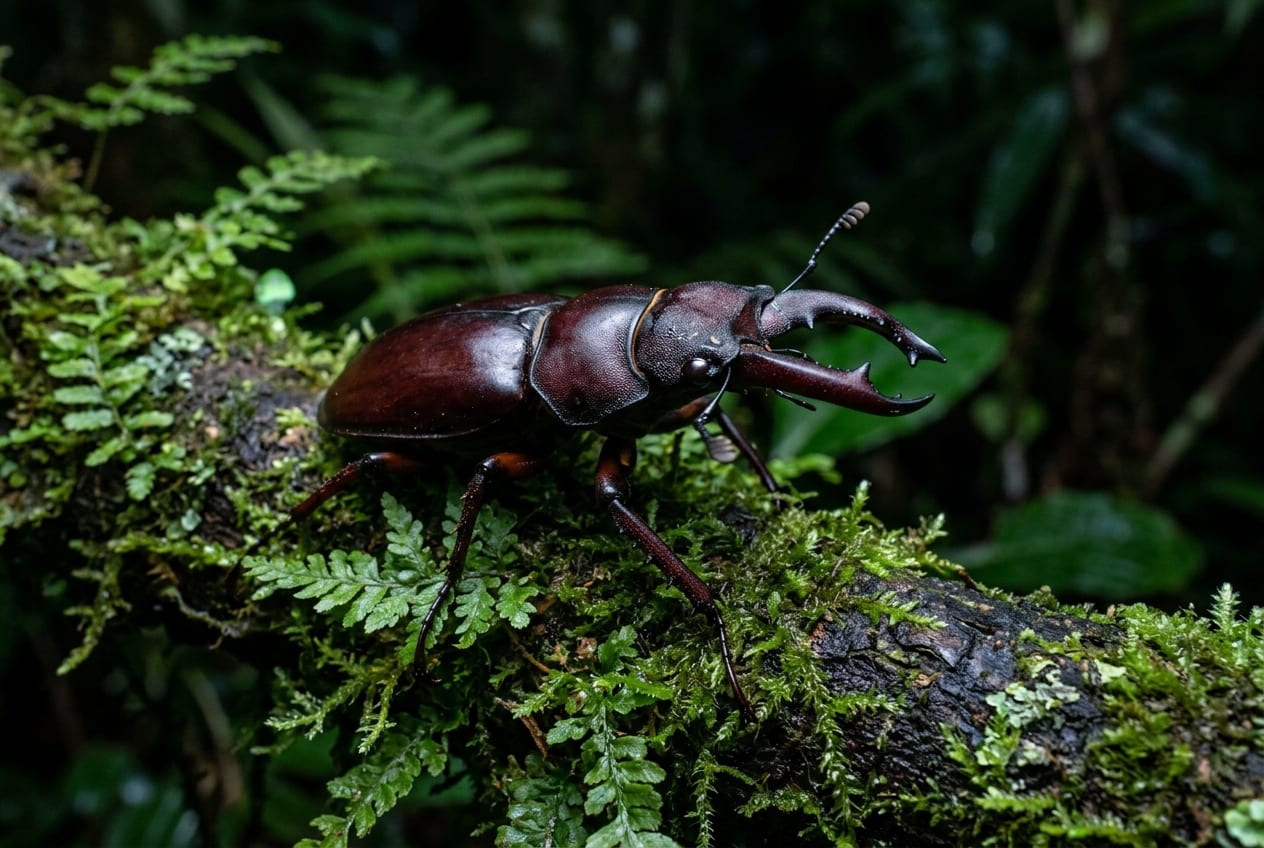
Amami Miyama Stag Beetle
The Amami Miyama Stag Beetle is found nowhere else in the world except Japan's Amami Oshima island. Compared to its mainland relatives, it is noticeably smaller and stands out for its reddish-brown body, which carries little of the golden fine hair typical of other Miyama stag beetles. It is strictly nocturnal, resting quietly during the day and becoming active only after dark. Adults emerge for a limited window between July and September. Because keeping this species successfully calls for experience with its particular habits, it is generally recommended for advanced keepers rather than beginners. Its distinctive coloring and island-specific biology make it a special find for dedicated beetle enthusiasts.
View Amami Miyama Stag Beetle encyclopedia →0% commission on your first sales!Register by September 30, 2026 and your first 2 sales are commission-free!
Breeder Wanted!
List on BreederDirect and sell directly to customers nationwide!
6 Transparency Standards You Can Trust
When listing Insects, Breeders disclose the following. We guarantee transparency on growth stage and breeding unit.
- Life Stage Clarity
- Generation Info
- Real Photos
- Breeding Unit
- Country of Origin
- Body Length (mm)
Browse all 296 breeds
No listings match your filters
Adjust your filters, or get notified when new listings arrive.
Getting alerts is free with a member account. When new listings match your saved search, we'll notify you by email and in-app.
Browse other categories
Verified breeders (preview)
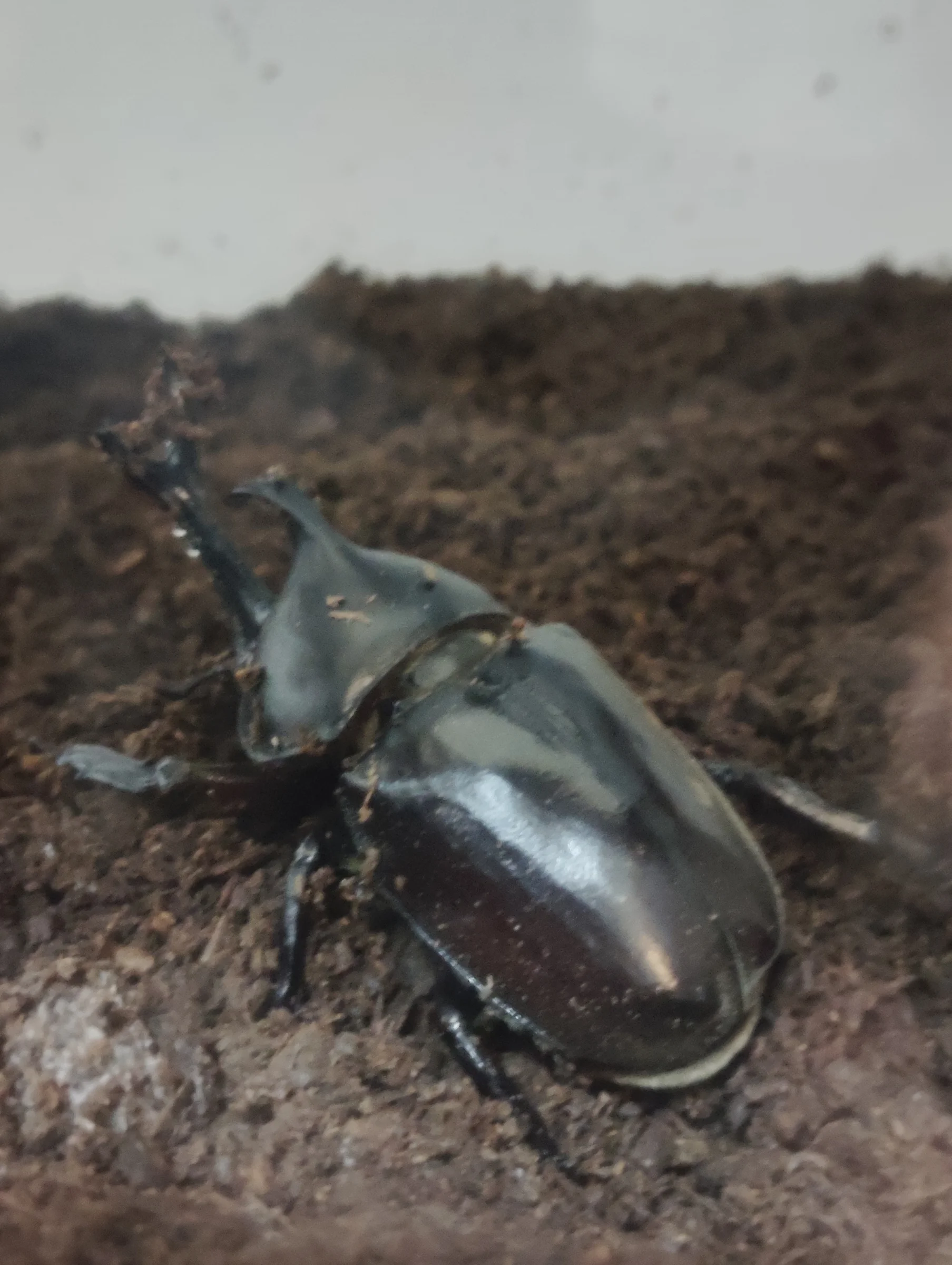
Amami Miyama Stag Beetle key facts
- Care level
- Advanced
- Lifespan
- Short-lived as an adult
- Size
- Under 50mm even in large males and under 40mm in females (captive record 56.2mm, wild record 51.0mm)
- Diet
- Adults take the sap of Castanopsis and beetle jelly; larvae eat humus and wood on the forest floor
- Temperature & Humidity
- It is a subtropical beetle of evergreen broadleaf forest on comparatively high ground in Amami-Oshima, and since the larvae grow in humus on the forest floor the moisture of the substrate is what matters most.
- Breeding & Egg-laying
- The larvae grow on humus and wood on the forest floor. Much of its biology is unknown, and it is regarded as a poor subject for captive rearing. Among medium and large Japanese stag beetles its captive record is 56.2 mm and its wild record 51.0 mm.
- Cohabitation
- As in the genus generally the males contend with one another in the trees. The adults are kept singly and are put together only for pairing. The species is endemic to Amami-Oshima and must not be mixed or crossed with Lucanus from anywhere else.
- Lifespan & Rearing Period
- As with the mainland Lucanus the adults are short-lived. In the wild they appear from July to September and are strictly nocturnal. Females are far harder to come by than males, so securing one is the main obstacle to breeding.
- Health & Notes
- Collecting has been banned on Amami-Oshima since 2013, and the Ministry of the Environment Red List treats the species as near threatened. Because it lives nowhere else in the world, over-collecting or habitat loss on the island bears directly on its survival. Do not deal in beetles offered as wild-caught, and never release captive stock outdoors.
About Amami Miyama Stag Beetle
A stag beetle endemic to Amami Oshima, smaller than mainland Miyama stag beetles with a distinctive reddish-brown body and little golden hair. Strictly nocturnal, emerging July–September; recommended for experienced keepers.
7 things to know before welcoming a Amami Miyama Stag Beetle
1Endemic to Amami Oshima
This stag beetle is found nowhere in the world except Japan's Amami Oshima island. Its body color and size differ from mainland Miyama stag beetles, reflecting adaptations unique to island life.
2Strictly Nocturnal Habits
It is largely inactive during the day, resting quietly in hiding. Observation and care are best done after dark, so plan your routine around its nighttime activity.
3Active Only July–September
Adults can only be seen between July and September. Activity drops off outside this window, so timing matters when bringing one home.
4Short Adult Lifespan
Compared with many other stag beetles, its time as an adult is brief. Make the most of the limited period by watching closely for changes in condition.
5Smaller Than Mainland Relatives
Even large males stay under 5cm, and females under 4cm. Recorded maximums are 56.2mm in captivity and 51.0mm in the wild.
6Best Suited to Experienced Keepers
Care that matches its Amami Oshima-specific habits calls for prior experience with stag beetles. First-time keepers should research thoroughly beforehand.
7Distinctive Reddish-Brown Body
Unlike mainland Miyama stag beetles, it has almost none of the golden fine hair and instead shows a striking reddish-brown color, a hallmark of the Amami population.
Frequently asked questions about Amami Miyama Stag Beetle
- Q.Is the Amami Miyama Stag Beetle suitable for beginners?
- A.It's generally considered a species for experienced keepers. Because care needs to match its Amami Oshima-specific habits, we recommend gaining stag beetle keeping experience first.
- Q.How large do they get?
- A.Even large males stay under 5cm, and females under 4cm. Recorded maximums are 56.2mm in captivity and 51.0mm in the wild.
- Q.When are adults active?
- A.Adults emerge only between July and September. Activity drops off sharply outside this window.
- Q.Can I see them active during the day?
- A.They are strictly nocturnal, so they're rarely active during daylight hours. If you want to observe them, check in the evening or at night.
- Q.How long do adults live?
- A.Adults have a relatively short lifespan. It's worth watching their condition closely during the limited time they're active.
Useful tools for Amami Miyama Stag Beetle care
Learn more about Amami Miyama Stag Beetle in the encyclopedia
View Amami Miyama Stag Beetle encyclopedia entry →
Care difficulty, lifespan, size and diet — all basics covered.
More in this category
Can't find the one you're looking for?
Post your wishes for free and breeders with matching animals will contact you with introductions.