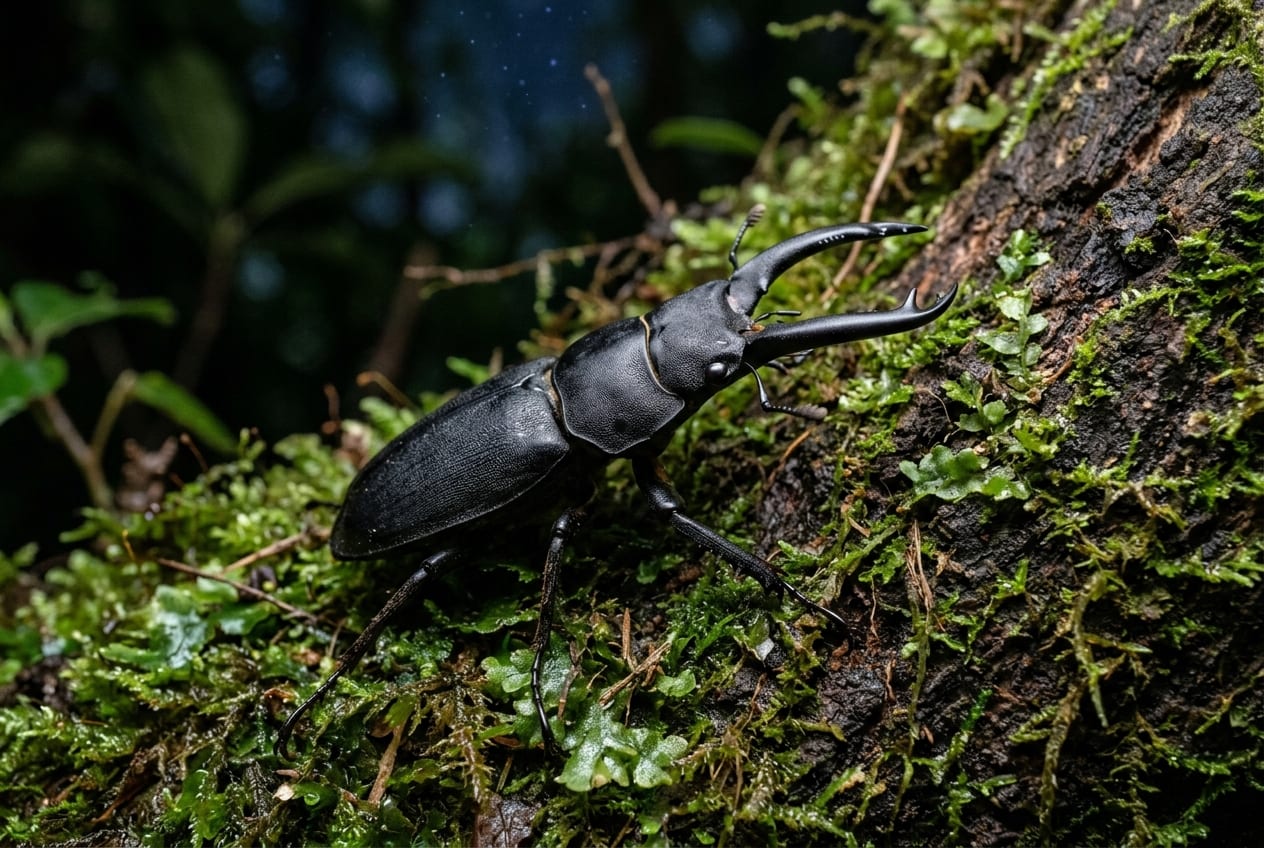
Amami Deer Stag Beetle
The Amami Deer Stag Beetle is a stag beetle found only in Japan's Amami Islands, where it lives as an endemic species. It is the sole representative of the Rugodorcus genus found in Japan, and it also ranks as the smallest species within that genus. Males have a matte black body that gives them a subdued, understated look. In larger individuals, the mandibles curve noticeably, echoing the dramatic shape seen in the Taiwan deer stag beetle. Rather than flashy colors, this species offers quiet, refined appeal, making it an interesting choice for anyone curious about Japan's native stag beetle diversity. Because it is generally considered suited to intermediate keepers, it is worth learning the basics before bringing one home.
View Amami Deer Stag Beetle encyclopedia →0% commission on your first sales!Register by September 30, 2026 and your first 2 sales are commission-free!
Breeder Wanted!
List on BreederDirect and sell directly to customers nationwide!
6 Transparency Standards You Can Trust
When listing Insects, Breeders disclose the following. We guarantee transparency on growth stage and breeding unit.
- Life Stage Clarity
- Generation Info
- Real Photos
- Breeding Unit
- Country of Origin
- Body Length (mm)
Browse all 296 breeds
No listings match your filters
Adjust your filters, or get notified when new listings arrive.
Getting alerts is free with a member account. When new listings match your saved search, we'll notify you by email and in-app.
Browse other categories
Verified breeders (preview)
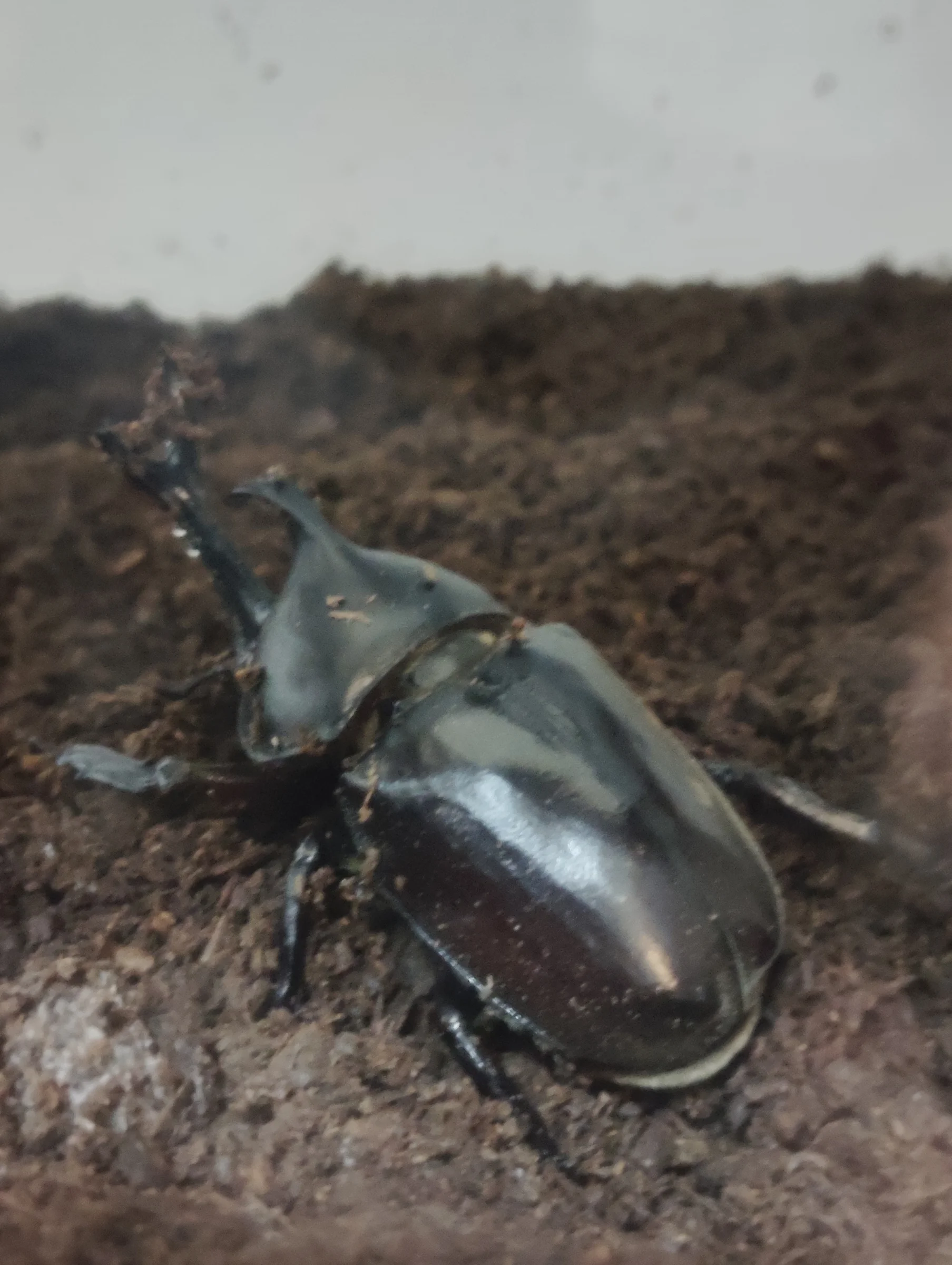
Amami Deer Stag Beetle key facts
- Care level
- Intermediate
- Lifespan
- Adults 6 months to 1 year
- Size
- Males 18.1-48.0mm, females 19-32mm (captive record 56.0mm)
- Diet
- Adults take the sap of Castanopsis and beetle jelly; larvae take mycelium or fermented substrate
- Temperature & Humidity
- It is a subtropical beetle of evergreen broadleaf forest above about 300 m in the Amami islands and is not adapted to mainland Japanese winters. Do not let the substrate or mycelium dry out.
- Breeding & Egg-laying
- Wild beetles are mostly small, but in captivity large individuals are easily raised in mycelium bottles or fermented substrate, and the captive record for a male stands at 56.0 mm. Rhaetulus lays into rotten wood at ground level, and the larvae are said to grow best on oyster-mushroom mycelium made from beech or konara oak rather than sawtooth oak.
- Cohabitation
- Rhaetulus beetles are short-tempered but not deeply committed fighters, and one will withdraw of its own accord if a fight drags on. Even so the adults are kept singly, and are put together only for pairing.
- Lifespan & Rearing Period
- In the wild the adults are active from around May to September. For the genus as a whole the adults live six months to a year and the cycle from egg to adult takes about a year. In captivity the dormant period after eclosion has to be allowed for when planning a pairing.
- Health & Notes
- Collecting has been banned since 2013, and every beetle now sold in shops descends from stock taken before the ban. Do not deal in beetles offered as wild-caught. The species is endemic to Amami-Oshima, Tokunoshima, Kakeromajima and Ukejima; do not mix it with beetles from elsewhere or release it outdoors.
About Amami Deer Stag Beetle
An overview of the Amami Deer Stag Beetle's features, care difficulty, and size — Japan's only Rugodorcus species, prized for its matte black body and the curved mandibles of large males.
7 things to know before welcoming a Amami Deer Stag Beetle
1Japan's Only Rugodorcus Species
The Amami Deer Stag Beetle is the only member of the Rugodorcus genus found in Japan. Its closest relatives live overseas, such as in Taiwan, making this the sole way to keep this distinctive group domestically.
2Endemic to the Amami Islands
This species is endemic to the Amami Islands and is not found naturally anywhere else. It is worth keeping in mind that these beetles reflect the specific environment of their native habitat.
3Size Varies Widely by Individual
Adult males range from 18.1 to 48.0mm and females from 19 to 32mm, with a captive-bred record of 56.0mm. Individuals can look quite different from one another, which is part of the species' appeal.
4Curved Mandibles in Large Males
Larger males develop noticeably curved mandibles reminiscent of the Taiwan deer stag beetle. Smaller individuals show a more modest curve, so comparing beetles of different sizes is part of the fun.
5Matte Black Coloration
Males have a black body with a matte, low-gloss finish. Rather than flashy, this gives them a subdued, refined look that some keepers particularly appreciate.
6Best Suited to Intermediate Keepers
This species is generally considered suited to intermediate keepers rather than complete beginners. It helps to have a basic grasp of temperature and humidity management before bringing one home.
7Watch Compatibility When Keeping Multiples
Male stag beetles can be territorial and may fight if housed together. If keeping multiple males, it is safer to give each one its own container to avoid excessive contact.
Frequently asked questions about Amami Deer Stag Beetle
- Q.Is the Amami Deer Stag Beetle the only species of its kind in Japan?
- A.Yes, it is the only species in the Rugodorcus genus found in Japan. It is endemic to the Amami Islands and is not found naturally anywhere else.
- Q.How much do males and females differ in size?
- A.Adult males typically measure 18.1 to 48.0mm, while females measure 19 to 32mm. Captive-bred males have reached as large as 56.0mm, so size can vary considerably between individuals.
- Q.Can beginners keep this species?
- A.The Amami Deer Stag Beetle is generally considered suited to intermediate keepers. It is easier to care for successfully if you already have some basic experience keeping stag beetles.
- Q.Do all individuals have curved mandibles?
- A.The curved mandible shape is most pronounced in larger males, giving them a look reminiscent of the Taiwan deer stag beetle. Smaller individuals tend to have a more modest curve, so the overall impression varies by size.
- Q.What's distinctive about its coloration?
- A.Males have a black body with a matte, low-gloss finish. Rather than being flashy, it gives them a calm, substantial appearance.
Useful tools for Amami Deer Stag Beetle care
Learn more about Amami Deer Stag Beetle in the encyclopedia
View Amami Deer Stag Beetle encyclopedia entry →
Care difficulty, lifespan, size and diet — all basics covered.
More in this category
Can't find the one you're looking for?
Post your wishes for free and breeders with matching animals will contact you with introductions.