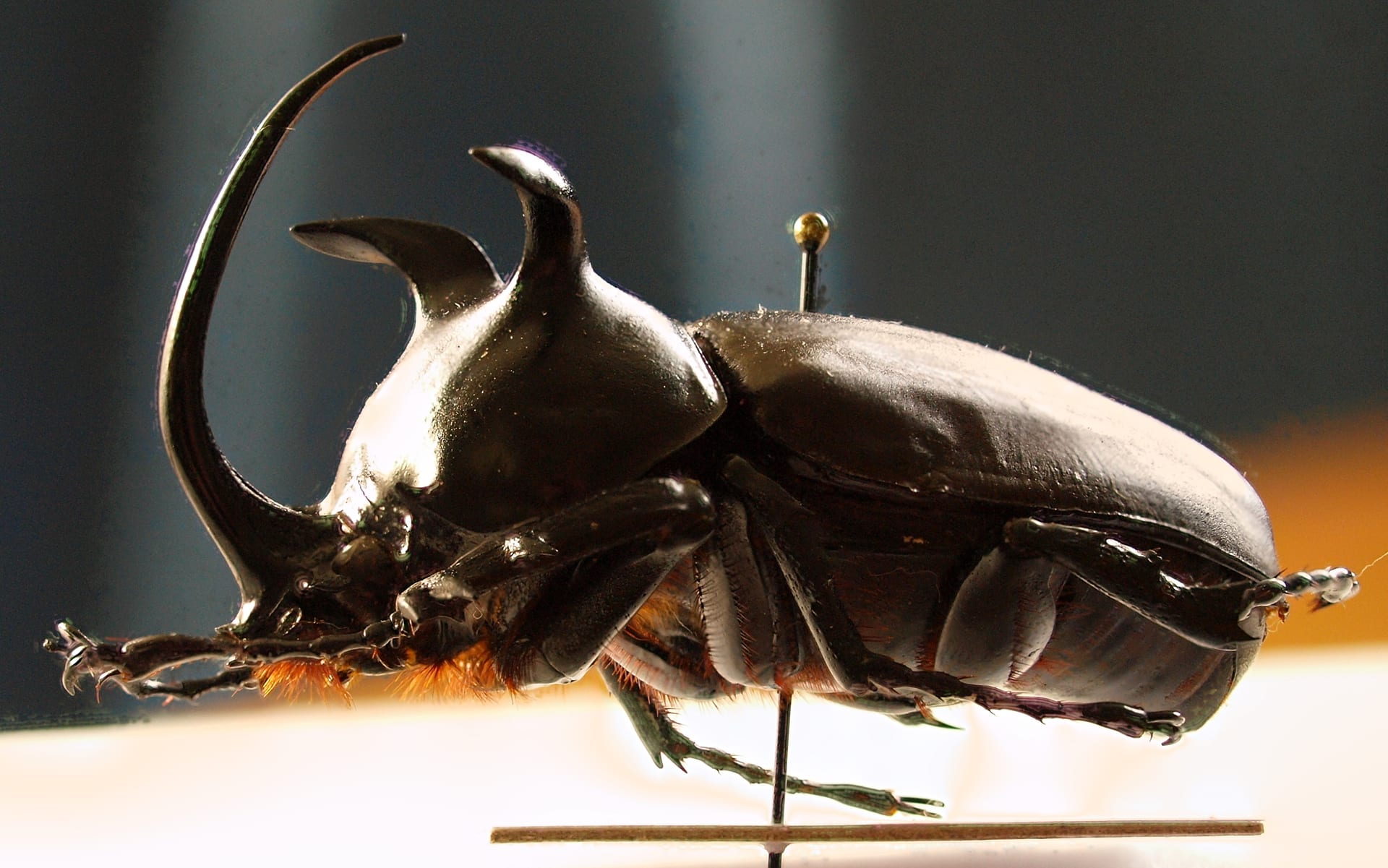
 © JohnSka / CC BY-SA 3.0
Siamese Five-horned Beetle
Native to the forests of northeastern Thailand, this five-horned beetle species is instantly recognizable for its striking arrangement of horns: one on the head and four on the pronotum. Despite its imposing, glossy black armor and short, sturdy horns, it is generally considered a manageable and relatively calm species to keep. The BE-KUWA breeding record stands at 81.6mm (registered 2025), giving keepers a rewarding target to work toward. As captive-breeding know-how for this species continues to grow, individual variation in horn shape and body sheen adds to the appeal, making it a popular next step for keepers who have grown comfortable with beetle care.
View Siamese Five-horned Beetle encyclopedia →0% commission on your first sales!Register by September 30, 2026 and your first 2 sales are commission-free!
Breeder Wanted!
List on BreederDirect and sell directly to customers nationwide!
6 Transparency Standards You Can Trust
When listing Insects, Breeders disclose the following. We guarantee transparency on growth stage and breeding unit.
- Life Stage Clarity
- Generation Info
- Real Photos
- Breeding Unit
- Country of Origin
- Body Length (mm)
Browse all 296 breeds
No listings match your filters
Adjust your filters, or get notified when new listings arrive.
Getting alerts is free with a member account. When new listings match your saved search, we'll notify you by email and in-app.
Browse other categories
Verified breeders (preview)
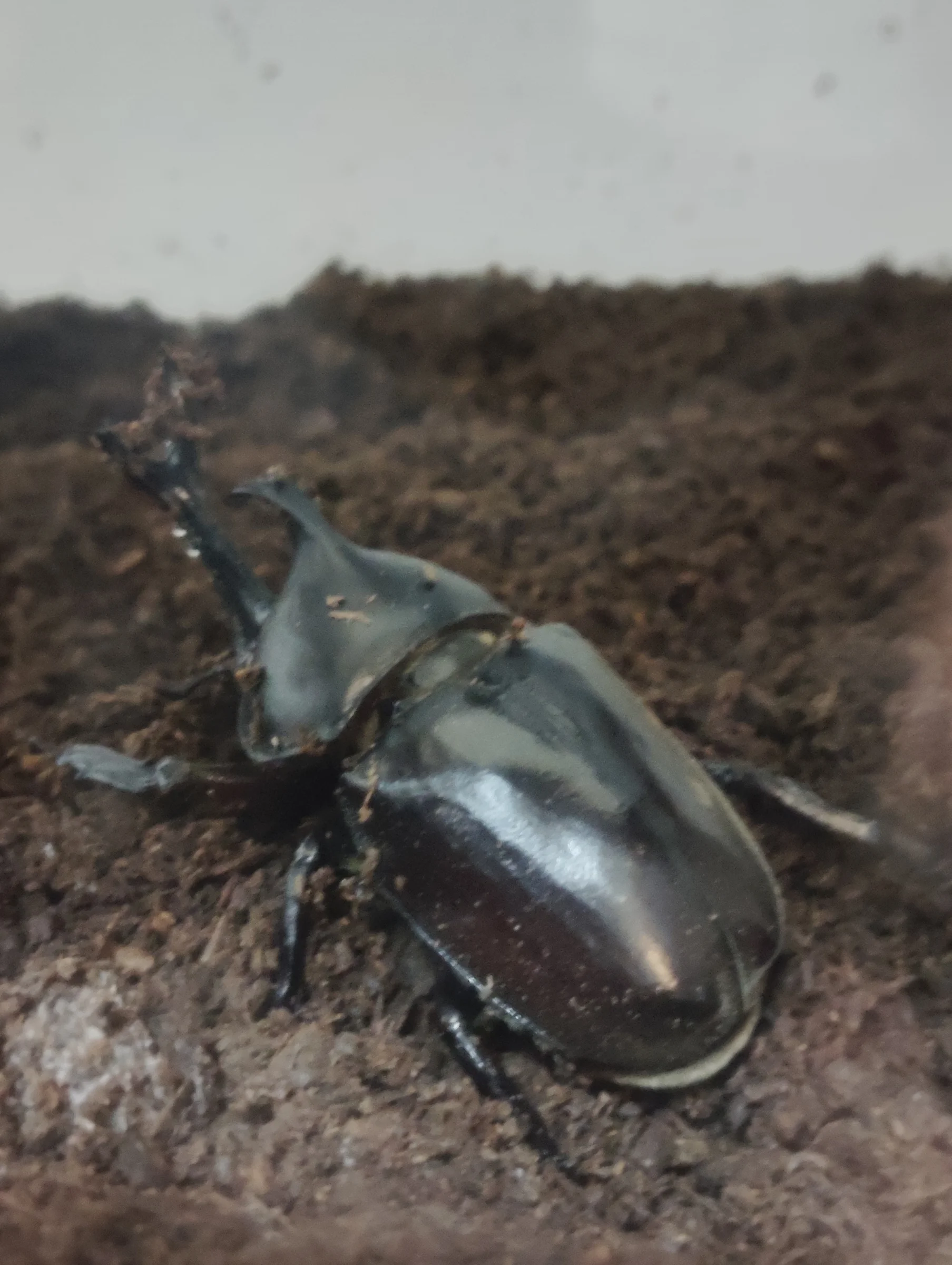
Siamese Five-horned Beetle key facts
- Care level
- Intermediate
- Lifespan
- Adults 3-6 months
- Size
- Captive record for males 81.6 mm (BE-KUWA FY2025 edition; projected maximum 87 mm)
- Diet
- Sap of bamboo shoots, tree sap and fruit; beetle jelly
- Temperature & Humidity
- It comes from bamboo groves in Indochina, so keep it at room temperature away from heat and hold the substrate short of drying out.
- Breeding & Egg-laying
- The 2025 BE-KUWA captive record shows that the species does breed in captivity. Attempt egg-laying in a deep set of fermented substrate. In this genus freshly emerged adults are known to stay inactive for a long time; beetlebreeding.ch reports an inactive period of up to a year in a congener.
- Cohabitation
- Keep adults singly. Males shove each other with their horns, so do not house them together. Pair them only for the short time needed to see mating.
- Lifespan & Rearing Period
- Dormancy after emergence is long and activity may not begin for several months. Any estimate of the time needed must allow for that on top of the larval period, for which no measured figure has been published for this species.
- Health & Notes
- Importing live beetles requires the species identification certificate demanded for live Scarabaeoidea. Horn tips chip easily once dry, so handle the beetle as little as possible.
About Siamese Five-horned Beetle
A five-horned beetle from northeastern Thailand with one head horn and four pronotal horns. Intermediate difficulty; record size 81.6mm.
7 things to know before welcoming a Siamese Five-horned Beetle
1Five distinctive horns
The horn arrangement — one on the head, four on the pronotum — is unlike most other beetles and is the species' main visual appeal. Horn thickness and curvature vary between individuals, making growth-watching part of the fun.
2Suited to intermediate keepers
This species is best suited to keepers with some prior beetle-keeping experience. General knowledge of temperature/humidity control and substrate maintenance applies well here.
3Relatively calm temperament
Despite its formidable appearance, temperament is relatively calm. Even so, minor scuffles involving the horns can occur if multiple individuals share a container, so single housing is recommended.
4The appeal of raising large specimens
Larval-stage temperature and nutrition management can significantly affect adult size, with the breeding record standing at 81.6mm. Many keepers experiment with substrate choice and feeding to chase larger results.
5Temperature and humidity basics
As a species native to northeastern Thailand, avoiding excessively hot, humid conditions is important. Keep the enclosure away from direct sunlight and sudden temperature swings.
6Setup to prepare before bringing one home
Adult housing requires substrate of adequate depth plus climbing material to prevent the beetle from getting stuck on its back. Since this species carries large horns, choose an enclosure sized to its build.
7Building a health-check habit
Regularly check for leg or horn damage and any sluginshness in movement. Substrate condition (too wet, too dry, or moldy) also affects health, so frequent checks help keep the beetle in good condition.
Frequently asked questions about Siamese Five-horned Beetle
- Q.Is the Siamese Five-horned Beetle listed under CITES?
- A.This species is not listed under CITES, so no special procedures are required when acquiring one.
- Q.Can a first-time beetle keeper raise this species?
- A.This species is generally rated as intermediate difficulty. It's recommended to gain some basic beetle-keeping experience before taking it on.
- Q.How large can it grow?
- A.The BE-KUWA breeding record for males is 81.6mm (registered for 2025). The estimated maximum body length is around 87mm.
- Q.Is it okay to keep multiple individuals in the same enclosure?
- A.Because minor scuffles involving the horns can occur, single housing is generally recommended. If housing together, observe their interactions closely.
- Q.Are there space considerations given its large horns?
- A.Since it carries a total of five horns on its head and pronotum, it's best to provide an enclosure sized appropriately for its build, along with climbing material to prevent it from getting stuck on its back.
Useful tools for Siamese Five-horned Beetle care
Learn more about Siamese Five-horned Beetle in the encyclopedia
View Siamese Five-horned Beetle encyclopedia entry →
Care difficulty, lifespan, size and diet — all basics covered.
More in this category
Can't find the one you're looking for?
Post your wishes for free and breeders with matching animals will contact you with introductions.