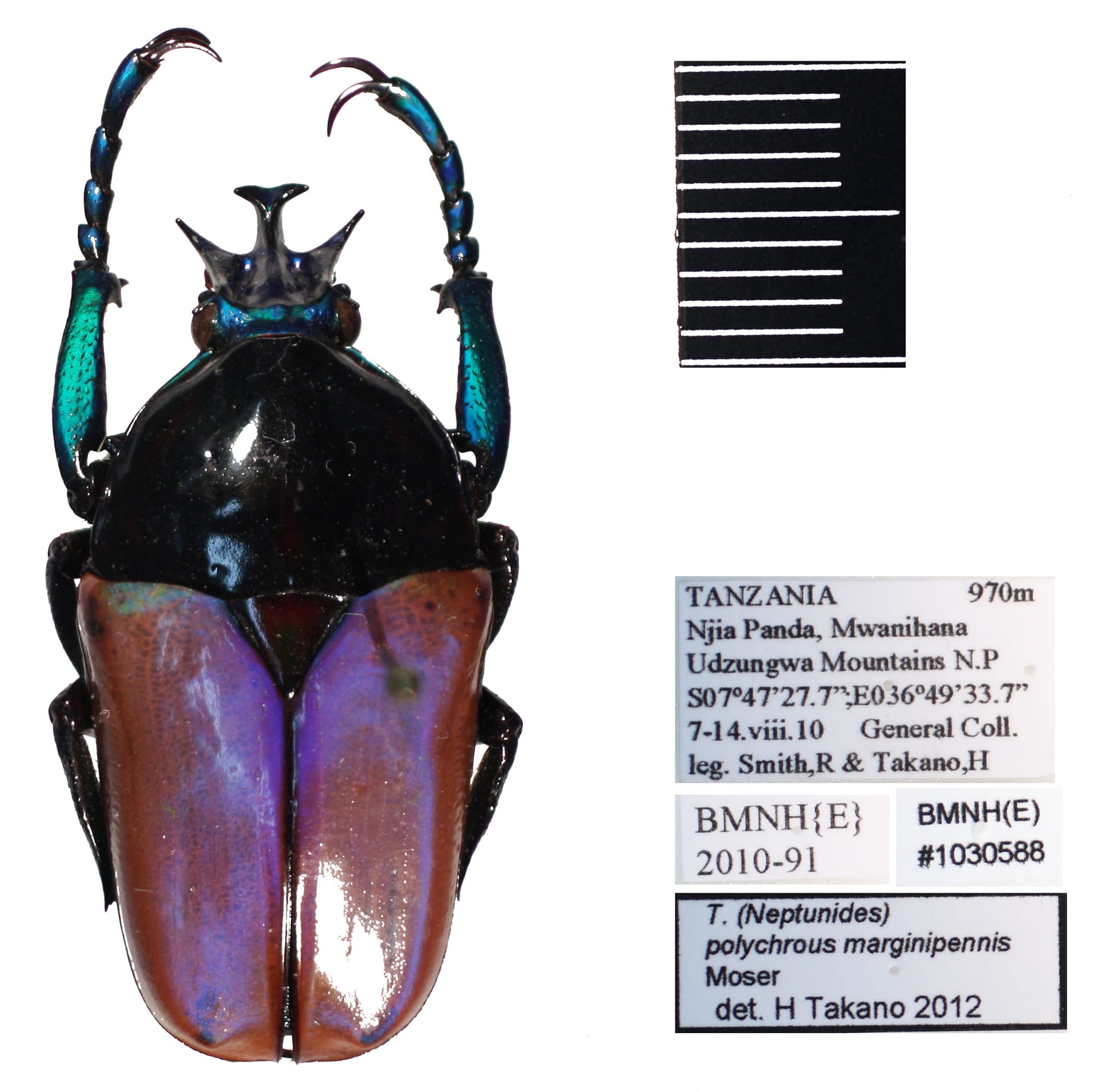
 © NHM Beetles and Bugs / CC BY 2.0
Neptunides Flower Beetle
The Neptunides Flower Beetle is a striking scarab native to East Africa, prized for the contrast between its glossy black pronotum and iridescent elytra that shimmer between copper-red and violet depending on the light. Coloration varies noticeably between subspecies, so no two individuals look quite alike. In Japan this species is more commonly seen as a mounted specimen than a live animal, and hobbyist care information remains limited — making it a beetle best suited to keepers who already have some experience with exotic scarabs.
View Neptunides Flower Beetle encyclopedia →0% commission on your first sales!Register by September 30, 2026 and your first 2 sales are commission-free!
Breeder Wanted!
List on BreederDirect and sell directly to customers nationwide!
6 Transparency Standards You Can Trust
When listing Insects, Breeders disclose the following. We guarantee transparency on growth stage and breeding unit.
- Life Stage Clarity
- Generation Info
- Real Photos
- Breeding Unit
- Country of Origin
- Body Length (mm)
Browse all 296 breeds
No listings match your filters
Adjust your filters, or get notified when new listings arrive.
Getting alerts is free with a member account. When new listings match your saved search, we'll notify you by email and in-app.
Browse other categories
Verified breeders (preview)
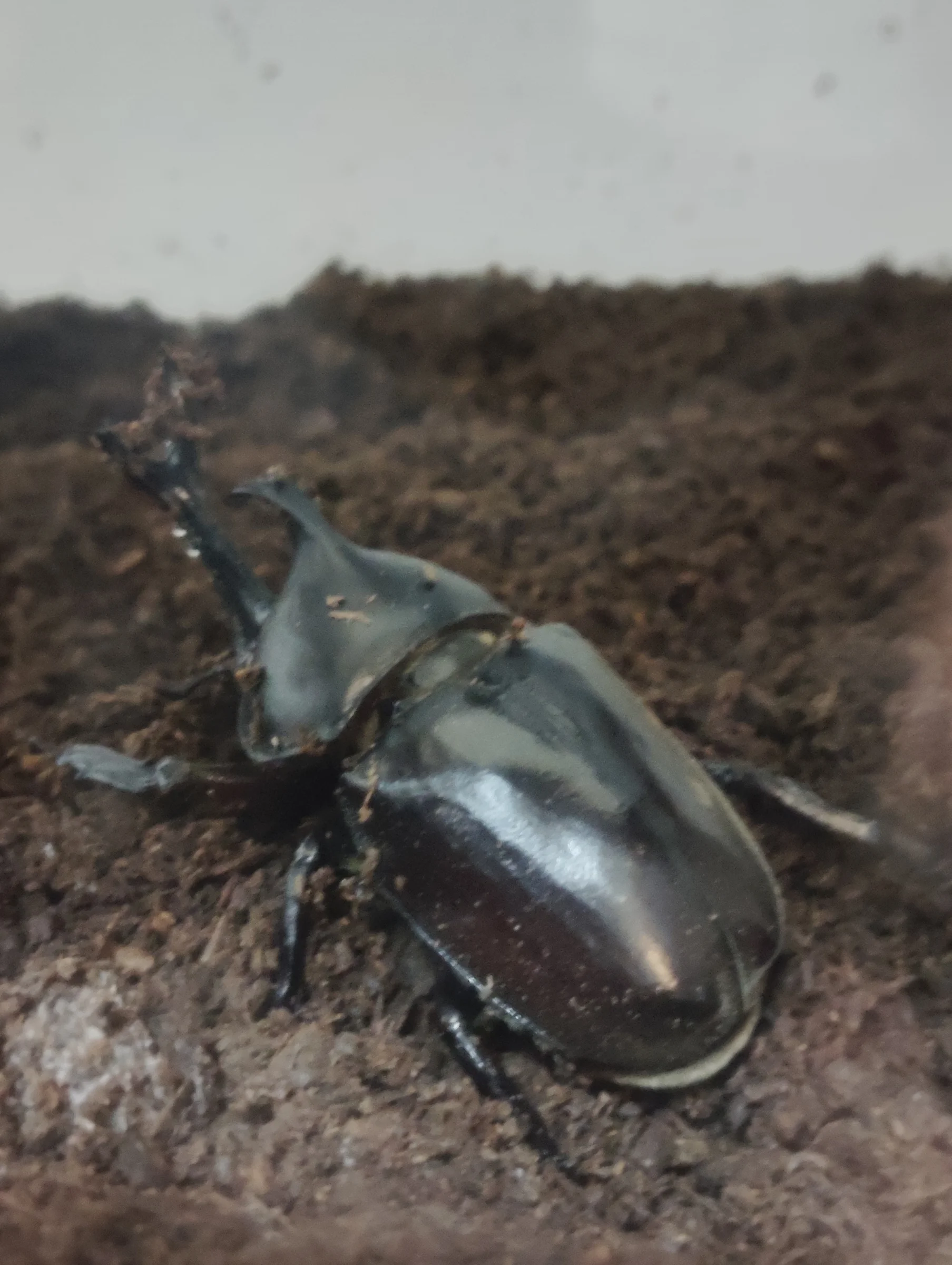
Neptunides Flower Beetle key facts
- Care level
- Intermediate
- Lifespan
- Adults 1-2 years
- Diet
- Adults take fruit and beetle jelly; larvae feed on rotten wood and leaf litter
- Temperature & Humidity
- It occurs in the montane forests of east Africa and may prefer cooler conditions than lowland tropical species, so avoid keeping it hot.
- Breeding & Egg-laying
- Breeding records for this species are few, so follow the usual method for flower beetles: eggs are laid into a mix of rotten wood and leaves and the larvae raised in the same medium. Clutch size and larval period are not yet known for this beetle.
- Cohabitation
- Adult males fight, so keep them apart except for pairing. Cannibalism has not been reported in the larvae of this species, but individual containers are the safer choice.
- Lifespan & Rearing Period
- Captive records are limited, so plan larval period and adult lifespan on the usual pattern for flower beetles.
- Health & Notes
- Because the name is unsettled, specimens or live stock labelled Neptunides and Taurhina may refer to the same beetle. Importing live stock requires the species identification certificate demanded for Scarabaeoidea. Several subspecies exist, so do not cross beetles from different localities.
About Neptunides Flower Beetle
A guide to the Neptunides Flower Beetle, an East African scarab known for its glossy black and iridescent copper-violet coloring — covering subspecies variation, temperament, and key points to know before bringing one home.
7 things to know before welcoming a Neptunides Flower Beetle
1A Rare East African Species
The Neptunides Flower Beetle comes from East Africa and is rarely kept domestically. It circulates mostly as a mounted specimen rather than a live insect, so confirm how the individual is sourced and its current condition before bringing one home.
2Coloring Varies by Subspecies
Its glossy black pronotum paired with copper-red and violet elytra is the signature look, but exact coloring differs between subspecies. The same beetle can look different depending on the angle and light, so it helps to see the actual individual before choosing.
3Best Suited to Experienced Keepers
This species is rated as intermediate difficulty. Because domestic care information is still limited, prior experience with other flower beetles or scarabs in general will make the transition smoother.
4Expect Limited Care Data
Records of captive behavior and breeding remain sparse for this species. Go in knowing there's still a lot unknown, and be ready to observe closely and adjust your approach as you learn.
5Confirm Specimen vs. Live Animal
Since most of what circulates in Japan is mounted specimens, always confirm whether you're purchasing a live beetle or a specimen before buying. If it is a live animal, pay extra attention to transport and acclimation.
6Basic Housing to Prepare
As with most flower beetles, a well-ventilated enclosure and appropriate substrate are the basics. Since a detailed care protocol hasn't been established for this species, it can help to reference care information for closely related beetles.
7Do Your Research Before Bringing One Home
With limited availability and information, it's worth asking the seller about the individual's condition and origin before deciding. Take your time and choose a seller you feel confident in.
Frequently asked questions about Neptunides Flower Beetle
- Q.Is this beetle suitable for beginners?
- A.The Neptunides Flower Beetle is rated as intermediate difficulty. Since care information in Japan is still limited, it's better suited to keepers with prior beetle-keeping experience. First-time keepers may want to start with a species that has more established care information.
- Q.Is this species regulated under CITES?
- A.No, the Neptunides Flower Beetle is not listed under CITES.
- Q.Why does coloring vary between individuals?
- A.The way the glossy black pronotum and the copper-red to violet iridescence on the elytra appear differs by subspecies. That's why individuals of the same species can look noticeably different from one another.
- Q.Are these typically available as live beetles or specimens?
- A.In Japan, this species circulates mainly as mounted specimens. If you're looking for a live beetle, be sure to confirm whether a listing is for a live animal or a specimen before purchasing.
- Q.What should I check before bringing one home?
- A.Since availability and care information are both limited, it's a good idea to ask the seller about the individual's condition and origin. Also make sure to confirm whether it's a live beetle or a specimen.
Useful tools for Neptunides Flower Beetle care
Learn more about Neptunides Flower Beetle in the encyclopedia
View Neptunides Flower Beetle encyclopedia entry →
Care difficulty, lifespan, size and diet — all basics covered.
More in this category
Can't find the one you're looking for?
Post your wishes for free and breeders with matching animals will contact you with introductions.