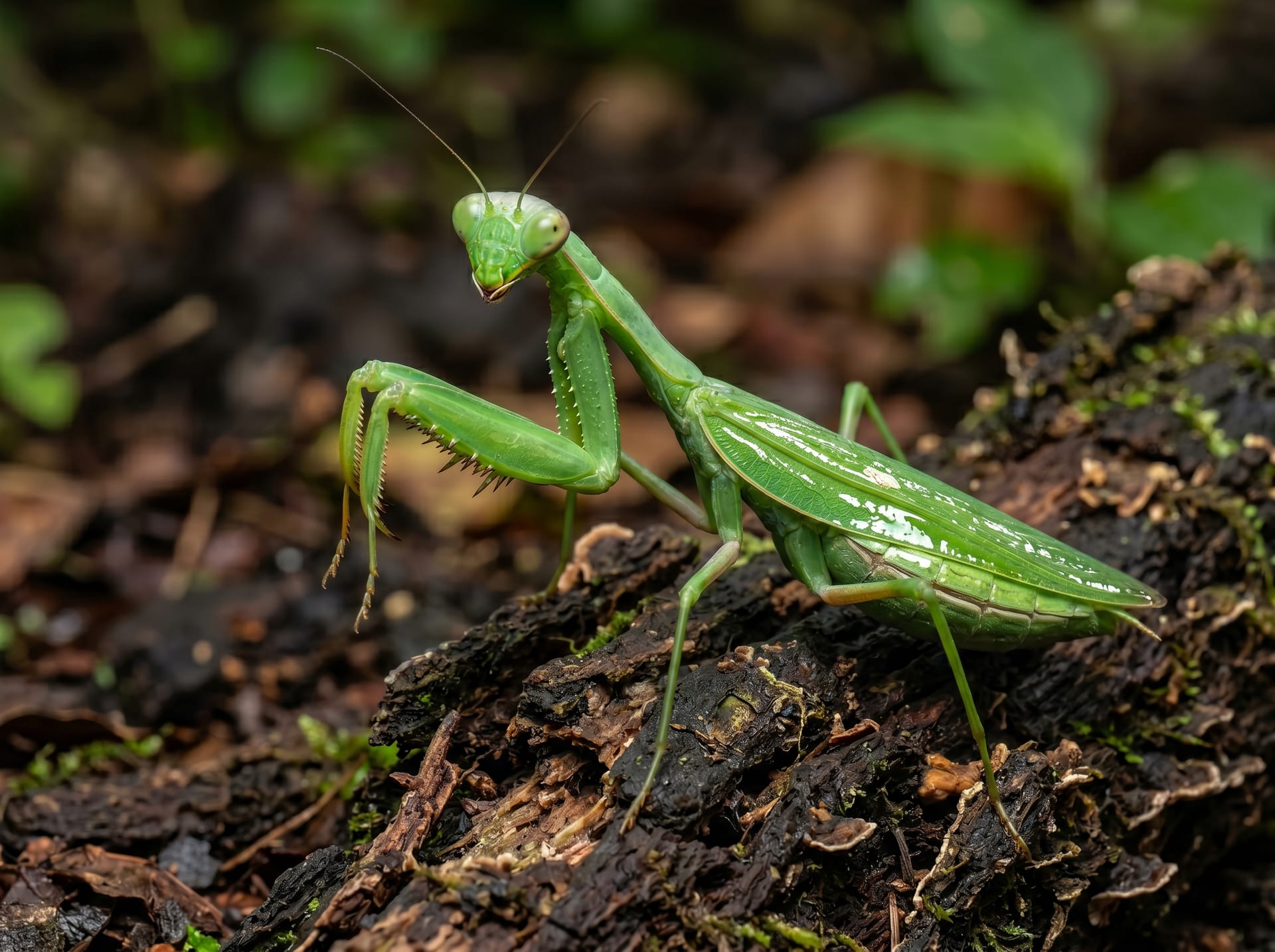
Giant African Mantis
Native to Africa, the Giant African Mantis is easy to recognize by its vivid green body and thick, powerful raptorial forelegs. It's a hardy, big eater, which is exactly why it's such a popular starter species for anyone new to keeping mantises. Despite its brisk reflexes, its temperament tends to be fairly calm, making it comparatively easy to handle. Watching it strike prey with those forelegs is genuinely impressive, and tracking its growth through each molt adds to the appeal. Since it doesn't demand elaborate equipment and day-to-day care stays simple, it's a great first choice for anyone curious about keeping insects.
View Giant African Mantis encyclopedia →0% commission on your first sales!Register by September 30, 2026 and your first 2 sales are commission-free!
Breeder Wanted!
List on BreederDirect and sell directly to customers nationwide!
6 Transparency Standards You Can Trust
When listing Insects, Breeders disclose the following. We guarantee transparency on growth stage and breeding unit.
- Life Stage Clarity
- Generation Info
- Real Photos
- Breeding Unit
- Country of Origin
- Body Length (mm)
Browse all 296 breeds
No listings match your filters
Adjust your filters, or get notified when new listings arrive.
Getting alerts is free with a member account. When new listings match your saved search, we'll notify you by email and in-app.
Browse other categories
Verified breeders (preview)
Giant African Mantis key facts
- Care level
- Beginner-friendly
- Lifespan
- 8-12 months (adult stage 3-6 months)
- Size
- 60-90mm
- Temperature
- 22〜30℃
- Humidity
- 40〜60%
- Diet
- Live prey: crickets, flies, roaches
- Enclosure
- Plastic case with mesh lid. Height 3x body length
- Feeding
- Every 2-3 days. Match prey size to body size
- Molting
- Appetite drops before molt. Ensure hanging spots
- Notes
- Keep alone. Cannibalistic
About Giant African Mantis
The Giant African Mantis is a hardy, big-eating species from Africa with a green body and thick forelegs. Beginner-friendly, living 8-12 months and reaching 60-90mm as an adult.
7 things to know before welcoming a Giant African Mantis
1Housing Essentials
Give it a well-ventilated enclosure with a sturdy perch or branch set vertically, since mantises molt hanging upside down and need something secure to grip near the top. It tolerates dry conditions well, but a light misting now and then helps prevent failed molts.
2A Fairly Calm Temperament
Despite its quick reflexes, the Giant African Mantis has a relatively calm disposition and is considered easier to handle than many other mantis species. That said, it may flare its forelegs defensively or dart away if startled, so handle it gently and avoid sudden movements.
3A Hearty, Easy Eater
This mantis has a big appetite and readily takes live prey like crickets, with feeder size adjusted as it grows. Because it only responds to live, moving prey, you'll need a steady supply of feeder insects on hand.
4House It Alone
Mantises are cannibalistic, and keeping more than one in the same enclosure — especially males, females, or nymphs together — often ends in one eating another. Unless you're deliberately pairing them to breed, keep each mantis in its own separate enclosure.
5Lifespan and Growth
Expect a total lifespan of around 8 to 12 months, with roughly 3 to 6 months of that as an adult. It molts repeatedly on its way from nymph to adult, eventually reaching 60-90mm, so when you bring one home affects how much of its adult stage you'll get to enjoy.
6Leave It Alone When Molting
A mantis is extremely vulnerable right before and after molting, and any jostling or contact at that time can cause a failed molt. If you notice signs it's about to molt, skip feeding and avoid moving the enclosure until it's done.
7Before You Bring One Home
Have a ventilated enclosure, a perch, a spray bottle for misting, and a reliable source of live feeder insects ready before your mantis arrives. It's considered a good beginner species, but you'll still need to keep adjusting feeder size and enclosure care as it grows.
Frequently asked questions about Giant African Mantis
- Q.Is this mantis suitable for beginners?
- A.Yes — it's considered a beginner-friendly mantis species thanks to its hardiness and healthy appetite. With basic care, it's manageable even for first-time keepers, and no specialized equipment is required.
- Q.How long does it live?
- A.Its total lifespan runs about 8 to 12 months, with roughly 3 to 6 months of that spent as an adult. Exact timing can vary somewhat depending on the individual and its care.
- Q.Is it safe to handle with bare hands?
- A.It has a relatively calm temperament and is considered easier to handle than many mantis species, but it may flare its forelegs or move quickly if startled. Its forelegs have sharp spines that can pinch and cause discomfort, so always handle it gently.
- Q.Can I keep multiple mantises together?
- A.Generally, no. Mantises are cannibalistic, and housing more than one in the same enclosure often results in one eating another.
- Q.Are there any legal restrictions on keeping it?
- A.The Giant African Mantis is not subject to CITES.
Useful tools for Giant African Mantis care
Learn more about Giant African Mantis in the encyclopedia
View Giant African Mantis encyclopedia entry →
Care difficulty, lifespan, size and diet — all basics covered.
More in this category
Can't find the one you're looking for?
Post your wishes for free and breeders with matching animals will contact you with introductions.