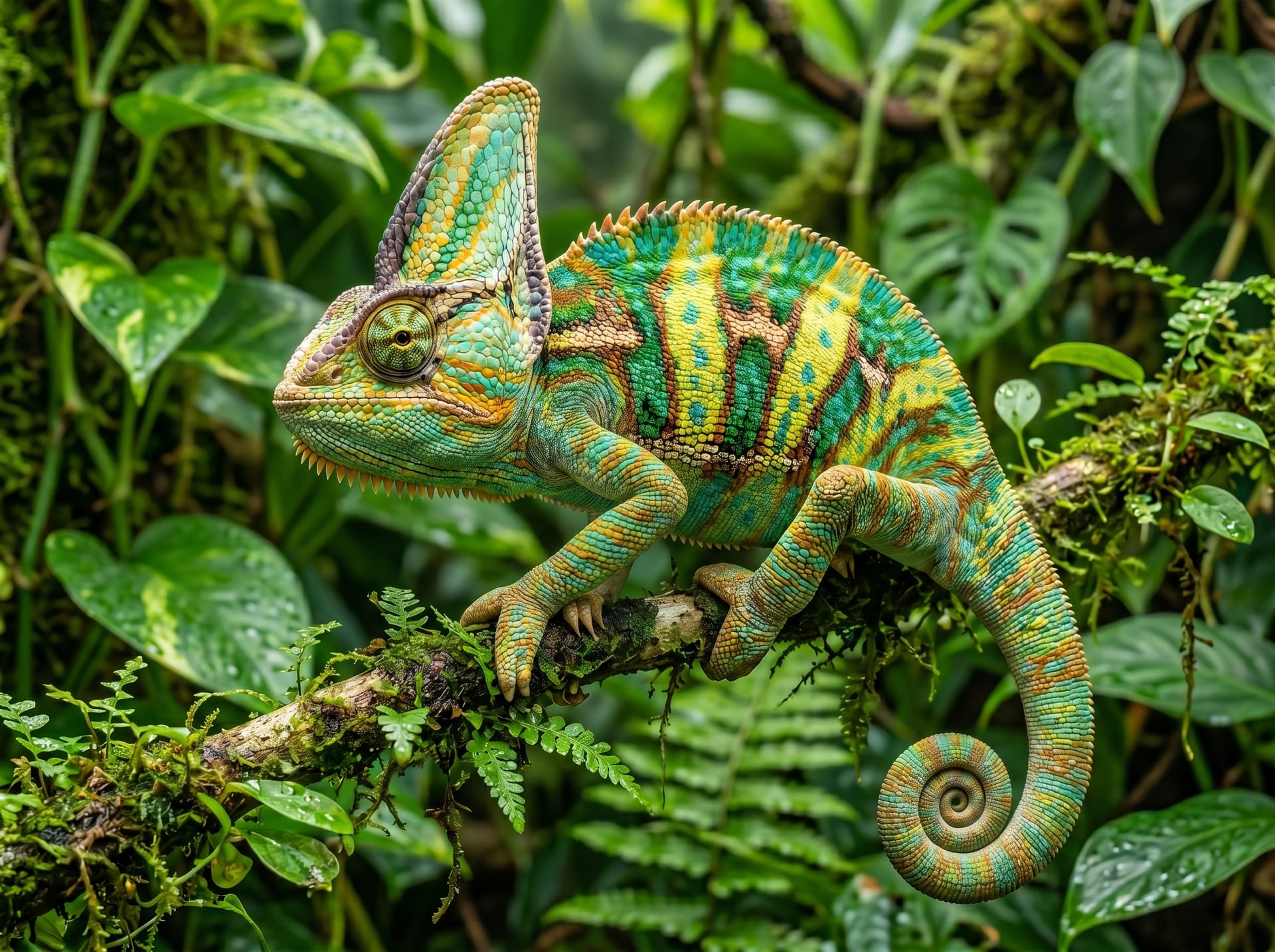
Veiled Chameleon
The veiled chameleon is instantly recognizable by the tall casque crowning its head, giving it a helmet-like silhouette among lizards. It's considered one of the hardier chameleon species, and tends to be a solitary, quiet animal that prefers to be observed rather than handled. Its base color is a vivid green marked with yellow banding, with subtle shifts in hue depending on mood and lighting adding to its appeal. Rated as an intermediate-level pet, it calls for a properly set up enclosure with UVB lighting and consistent hydration, but its relative hardiness makes it a common starting point for people new to chameleon keeping.
View Veiled Chameleon encyclopedia →0% commission on your first sales!Register by September 30, 2026 and your first 2 sales are commission-free!
Breeder Wanted!
List on BreederDirect and sell directly to customers nationwide!
6 Transparency Promises from Br-Choku
Every Reptiles & Amphibians from verified Breeder breeders includes complete information: morph, genetics, feeding requirements, and temperament details.
- Morph Information
- Actual Photos
- Feeding Information
- Temperament Information
- Genetics Information
- Age (Months)
Browse all 280 breeds
Difficulty Level
Feeding Type
Temperament
No listings match your filters
Adjust your filters, or get notified when new listings arrive.
Getting alerts is free with a member account. When new listings match your saved search, we'll notify you by email and in-app.
Browse other categories
Verified breeders (preview)
Are you raising reptiles & amphibians?
Register as a breeder and connect with buyers directly.
Apply as a breederVeiled Chameleon key facts
- Care level
- Intermediate
- Lifespan
- 5-8 years
- Size
- 30-60cm
- Temperature
- 22〜32℃
- Humidity
- 50〜70%
- Diet
- Insects (crickets, dubia) + some vegetables/fruit
- Enclosure
- Mesh cage (ventilation priority). 60cm+ height
- Temperature & Humidity
- Aim for 22-32°C and 50-70% humidity while ensuring good ventilation. Stagnant, stuffy air leads to health problems.
- Hydration
- Dripper or misting. Won't drink standing water
- Lighting
- UVB required + basking light. 12h cycle
- Diet & Feeding
- Insectivorous with crickets and dubia roaches as the staple; it also eats some vegetables and fruit. Dust feeder insects with calcium powder.
- Notes
- Stress-sensitive. Turns dark from mirrors or conspecific sight
About Veiled Chameleon
Learn about the veiled chameleon's traits, temperament, care difficulty, lifespan, and adult size — plus key things to know before bringing one home and answers to common questions.
7 things to know before welcoming a Veiled Chameleon
1The Casque's Role
The tall casque on its head is thought to aid in thermoregulation and sound collection, and it grows larger as the chameleon matures. Males typically develop a more pronounced casque than females.
2Best Kept Alone
Veiled chameleons are highly territorial, and housing multiple individuals together causes chronic stress. Keep one chameleon per enclosure as a rule.
3Needs a Tall Enclosure
As an arboreal species, veiled chameleons need a tall, well-ventilated mesh enclosure more than floor space. Fill it with climbing branches and plants so they can move freely between different heights.
4UVB Lighting & Temperature
A UVB light and a basking heat source are essential to create a proper temperature and light gradient inside the enclosure. Insufficient UVB exposure can contribute to calcium metabolism problems.
5Offer Water That Moves
Veiled chameleons rarely recognize standing water in a bowl and instead drink droplets from misted leaves. Daily misting or an automatic dripper/mister system is recommended.
6Color Changes Signal Mood
Color changes aren't just camouflage — they also reflect mood, including stress or agitation. Darkening skin tones or a puffed-up body can be a cue to reassess the enclosure setup.
7Intermediate Care Level
Veiled chameleons are generally rated as an intermediate-level pet, requiring dedicated equipment and consistent attention to temperature and humidity. Prior reptile-keeping experience or thorough research beforehand will make the experience smoother.
Frequently asked questions about Veiled Chameleon
- Q.Is this chameleon suitable for beginners?
- A.Veiled chameleons are generally rated as an intermediate-level pet. They require dedicated care such as a proper enclosure, UVB lighting, and regular misting for hydration, so it's best to research their needs thoroughly before bringing one home.
- Q.How long do veiled chameleons live?
- A.They typically live around 5 to 8 years. Consistent temperature, humidity, and nutritional care are key to helping them live a healthy life.
- Q.How big do they grow?
- A.Adults typically reach about 30 to 60 cm in total length, though individual size varies. It's a good idea to plan for a larger enclosure as your chameleon grows.
- Q.Can I keep them with other chameleons?
- A.Veiled chameleons are highly territorial and prefer to live alone, so housing multiple chameleons together isn't recommended. As a general rule, keep one chameleon per enclosure.
- Q.Are there any legal restrictions on keeping one?
- A.Veiled Chameleon is listed in CITES Appendix II. International trade requires a permit from the exporting country, but as far as CITES is concerned, no registration is needed to buy or sell individuals already legally in Japan.
Useful tools for Veiled Chameleon care
Learn more about Veiled Chameleon in the encyclopedia
View Veiled Chameleon encyclopedia entry →
Care difficulty, lifespan, size and diet — all basics covered.
Veiled Chameleon related articles
Comparing Veiled Chameleons and Panther Chameleons | Beginner's Selection Guide
A comprehensive comparison of "Veiled Chameleon vs Panther Chameleon" for beginners. We explain temperament, price, humidity management, color diversity, and availability in comparison tables. Complete support for first-time chameleon selection, from setting up the right habitat to checking breeder credentials before purchase.
Veiled Chameleon Care Guide | Vertical Enclosure, Misting, UVB, and Nutrition
A comprehensive guide to caring for the Veiled Chameleon (Chamaeleo calyptratus), which requires a mesh vertical enclosure. We cover the distinctive casque (helmet) on the head, automated misting for hydration, selection of desert-type UVB lamps, gut-loading crickets, and how to interpret color-change (coloration) signs—all explained for beginners.
More in this category
Can't find the one you're looking for?
Post your wishes for free and breeders with matching animals will contact you with introductions.