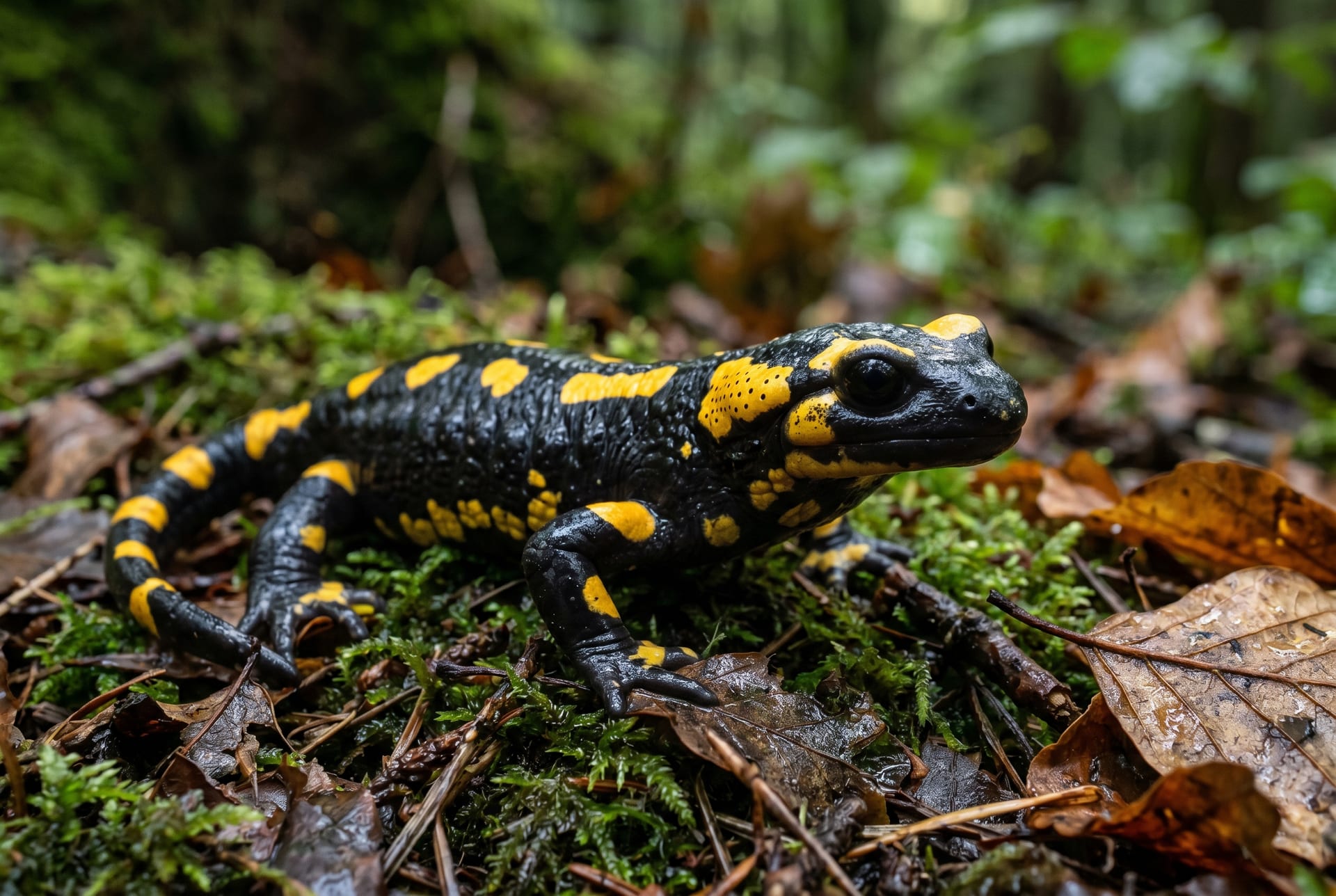
Fire Salamander
With glossy black skin dramatically marked by vivid yellow patches, the fire salamander is one of the most eye-catching amphibians you can keep. Native to Europe, it's one of the most widely available salamander species, which means solid husbandry information is easy to find — a real plus for anyone new to keeping amphibians. Its movements are slow and deliberate, and its calm, still presence makes for a quietly captivating pet to observe. That said, its skin secretes toxins, so handling requires real care and should never be done with bare hands. Because it thrives in cool conditions, keeping temperatures in check — especially during summer — is the key to successful care.
View Fire Salamander encyclopedia →0% commission on your first sales!Register by September 30, 2026 and your first 2 sales are commission-free!
Breeder Wanted!
List on BreederDirect and sell directly to customers nationwide!
6 Transparency Promises from Br-Choku
Every Reptiles & Amphibians from verified Breeder breeders includes complete information: morph, genetics, feeding requirements, and temperament details.
- Morph Information
- Actual Photos
- Feeding Information
- Temperament Information
- Genetics Information
- Age (Months)
Browse all 280 breeds
Difficulty Level
Feeding Type
Temperament
No listings match your filters
Adjust your filters, or get notified when new listings arrive.
Getting alerts is free with a member account. When new listings match your saved search, we'll notify you by email and in-app.
Browse other categories
Verified breeders (preview)
Are you raising reptiles & amphibians?
Register as a breeder and connect with buyers directly.
Apply as a breederFire Salamander key facts
- Care level
- Intermediate
- Lifespan
- 10-20 years
- Size
- 15-25cm
- Temperature
- 15〜22℃
- Humidity
- 70〜90%
- Diet
- Carnivore (crickets, earthworms, roaches)
- Setup
- Terrestrial layout with deep substrate and a shallow water dish
- Temperature
- Keep cool at 15-22°C. Above 25°C is dangerous
- Temperature & Humidity
- Keep humidity high at 70-90%. Keep the substrate damp but ensure ventilation so it does not become stagnant or waterlogged.
- Diet & Feeding
- A carnivore; feed crickets, earthworms, dubia roaches and similar. It is nocturnal and crepuscular, so feeding in the evening or later gets a better response.
- Toxicity
- Secretes samandarin; minimize handling
- Notes
- Wash hands after contact; do not cohabit with other species
About Fire Salamander
The fire salamander is a European amphibian with glossy black skin and bold yellow markings, growing to about 15-25cm. Suited to intermediate keepers, it secretes skin toxins and requires careful handling.
7 things to know before welcoming a Fire Salamander
1Needs Cool Conditions
Fire salamanders thrive in cool environments, so managing heat during summer is essential to their care. Keep the enclosure out of direct sunlight and in a well-ventilated, cool spot.
2Toxic Skin Secretions
This species secretes toxins through its skin, so avoid handling it with bare hands — wearing gloves during care is a safer approach. Always wash your hands afterward and avoid touching your eyes or mouth.
3High Humidity & Hides
As a forest-dwelling species, it needs consistently high humidity in its enclosure. Providing several hides, such as cork bark or driftwood, helps it feel secure and settled.
4Nocturnal & Calm
Fire salamanders are most active at night and tend to stay tucked away during the day. Their slow, deliberate movements make them a calm, low-key animal to observe.
510-20 Year Lifespan
With a lifespan of roughly 10 to 20 years, this is a long-term commitment. Before bringing one home, make sure you can provide consistent care for its entire life.
6Best Kept Alone
Housing multiple fire salamanders together can cause stress or even cannibalism, so they're generally best kept one per enclosure. Avoiding cohabitation helps maintain their health.
7Escape-Proofing & Water
These salamanders can squeeze through surprisingly small gaps, so check lids and seals carefully for any openings. Provide a shallow water dish to prevent the risk of drowning.
Frequently asked questions about Fire Salamander
- Q.Are fire salamanders poisonous?
- A.They secrete toxins through their skin, but they won't actively attack you. Still, always wash your hands after contact and avoid touching your eyes or mouth.
- Q.Are fire salamanders good for beginners?
- A.They're generally considered suited to intermediate keepers, since temperature and humidity control require some know-how. Prior amphibian-keeping experience, or thorough research beforehand, is recommended.
- Q.How big do fire salamanders get?
- A.Adults typically reach about 15 to 25cm in length. It's a good idea to choose an enclosure sized for their full-grown length from the start.
- Q.How long do fire salamanders live?
- A.They typically live around 10 to 20 years, making them relatively long-lived among amphibians. Be prepared for a long-term commitment before bringing one home.
- Q.Can they be housed with other pets?
- A.Fire salamanders are best kept alone and don't do well housed with other animals, of the same or different species. Given their skin toxins, they should always have their own separate enclosure.
Useful tools for Fire Salamander care
Learn more about Fire Salamander in the encyclopedia
View Fire Salamander encyclopedia entry →
Care difficulty, lifespan, size and diet — all basics covered.
Fire Salamander related articles
See more Fire Salamander articles →More in this category
Can't find the one you're looking for?
Post your wishes for free and breeders with matching animals will contact you with introductions.