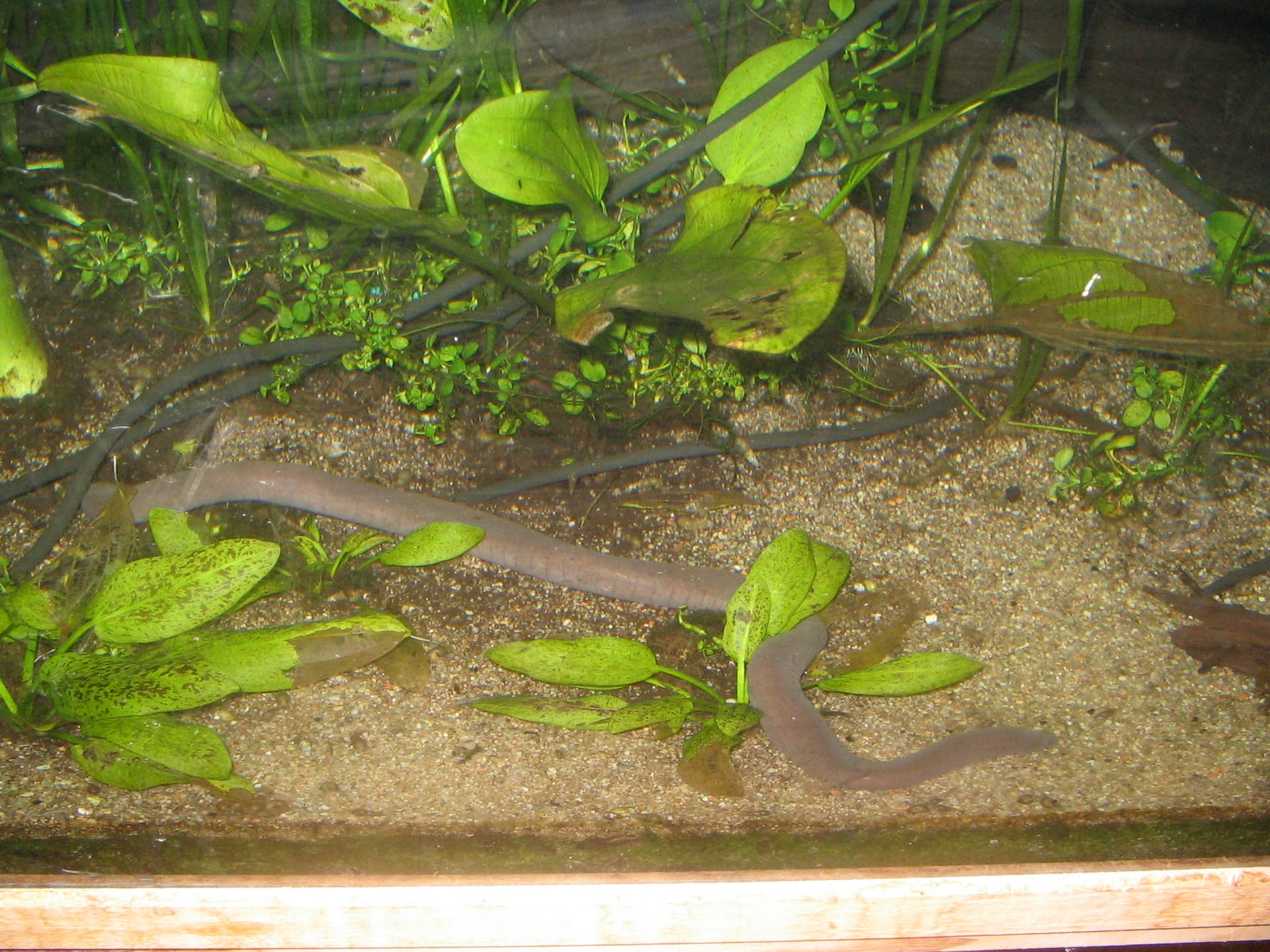
 © Christophe cagé / CC BY-SA 3.0
Rio Cauca Caecilian
The Rio Cauca caecilian, also known as the aquatic sicilian, is a fully aquatic, limbless amphibian native to rivers in Colombia and Venezuela. Its long, dark gray to black body glides entirely underwater, and adults reach 45 to 55 cm in length. Because it breathes mostly through its skin, stable water quality is essential to keeping it healthy. It's also ovoviviparous, giving birth to live young directly in the water rather than laying eggs on land. With its striking, snake-like form and quiet aquatic lifestyle, this caecilian has a distinctive appeal for keepers drawn to unusual aquatic species.
View Rio Cauca Caecilian encyclopedia →0% commission on your first sales!Register by September 30, 2026 and your first 2 sales are commission-free!
Breeder Wanted!
List on BreederDirect and sell directly to customers nationwide!
6 Transparency Promises from Br-Choku
Every Reptiles & Amphibians from verified Breeder breeders includes complete information: morph, genetics, feeding requirements, and temperament details.
- Morph Information
- Actual Photos
- Feeding Information
- Temperament Information
- Genetics Information
- Age (Months)
Browse all 280 breeds
Difficulty Level
Feeding Type
Temperament
No listings match your filters
Adjust your filters, or get notified when new listings arrive.
Getting alerts is free with a member account. When new listings match your saved search, we'll notify you by email and in-app.
Browse other categories
Verified breeders (preview)
Are you raising reptiles & amphibians?
Register as a breeder and connect with buyers directly.
Apply as a breederAbout Rio Cauca Caecilian
A fully aquatic, limbless caecilian from Colombian and Venezuelan rivers. Dark gray to black, reaching 45-55 cm, it needs stable water quality for its skin-based breathing - a species suited to intermediate keepers.
7 things to know before welcoming a Rio Cauca Caecilian
1A Fully Aquatic, Limbless Species
The Rio Cauca caecilian is a fully aquatic amphibian with no limbs, swimming using its whole body. Its color ranges from dark gray to black, and adults grow to about 45-55 cm. It never leaves the water, spending its entire life in the tank.
2Skin Breathing Needs Clean Water
This species is said to breathe mostly through its skin, so declining water quality can affect it directly. A well-maintained filter and regular water changes are essential to keep the water clean. Watch for the buildup of ammonia and other waste.
3Likes to Burrow in Sand
With its slender, limbless body, this caecilian tends to burrow into the substrate. A soft, fine-grained sand helps prevent skin injury and gives it a place to settle. Avoid coarse or sharp gravel.
4Nocturnal and Often Hidden
Being nocturnal and prone to burrowing, it often stays out of sight during the day. Think of it less as a species you'll watch constantly and more as one you quietly keep and check in on.
5Best Suited to Intermediate Keepers
This species is considered suitable for intermediate keepers, requiring some knowledge and experience with water quality management. It's best to have basic aquarium keeping experience before bringing one home.
6Ovoviviparous, Born Underwater
It is ovoviviparous, giving birth directly in the water to young that have already developed inside the mother. Unlike many other amphibians, it doesn't lay eggs on land or go through a separate metamorphosis stage.
7Caution With Tankmates
Its limbless body and unusual movement mean sharing a tank with fish or other animals can lead to unexpected contact or stress. It's best kept on its own.
Frequently asked questions about Rio Cauca Caecilian
- Q.Can it be kept out of water?
- A.No - the Rio Cauca caecilian is fully aquatic and spends its entire life in water. Because it relies heavily on breathing through its skin, it should never be kept out of water for extended periods.
- Q.How careful do I need to be about water quality?
- A.Since it breathes mostly through its skin, water conditions are thought to affect its health directly. Filtration and regular water changes are the basics for keeping the water stable.
- Q.It looks like a snake or eel - what's the difference?
- A.Despite the resemblance, this species belongs to the caecilians, a group of amphibians, unlike snakes (reptiles) or eels (fish). The similarity is just in the limbless, swimming body shape - its biology is quite different.
- Q.Can a first-time keeper care for this species?
- A.It's generally considered suitable for intermediate keepers, so some prior experience with aquariums or aquatic animals is helpful. It's a good idea to build up water quality management skills before getting one.
- Q.How does it reproduce?
- A.It reproduces via ovoviviparity, giving birth directly in the water to young that have already developed inside the mother. It doesn't lay eggs on land as many other amphibians do.
Useful tools for Rio Cauca Caecilian care
Learn more about Rio Cauca Caecilian in the encyclopedia
View Rio Cauca Caecilian encyclopedia entry →
Care difficulty, lifespan, size and diet — all basics covered.
More in this category
Can't find the one you're looking for?
Post your wishes for free and breeders with matching animals will contact you with introductions.