 © Σ64 / CC BY 3.0
Reeves' Turtle
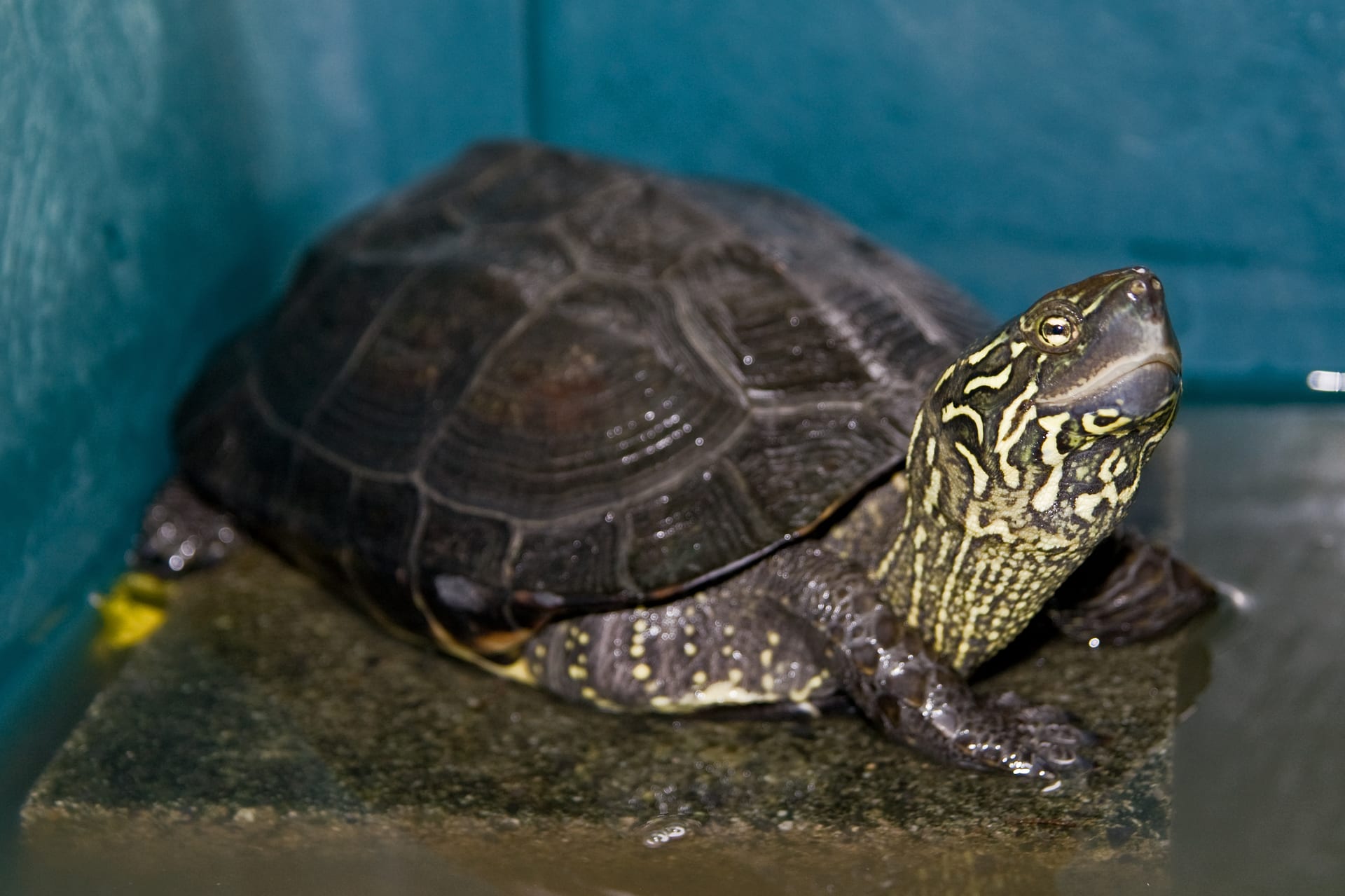
Reeves' Turtle is a semi-aquatic species native to East Asia, widely considered one of the most beginner-friendly turtles to keep. Its shell features three distinct ridges running along the carapace, and its head is marked with irregular yellow to pale green stripes that shift in appearance as the turtle matures. Active swimmers by nature, they also enjoy basking on land, making them engaging to watch. Hardy and adaptable, Reeves' Turtles can become long-term companions once given the right basic setup.
View Reeves' Turtle encyclopedia →0% commission on your first sales!Register by September 30, 2026 and your first 2 sales are commission-free!
Breeder Wanted!
List on BreederDirect and sell directly to customers nationwide!
6 Transparency Promises from Br-Choku
Every Reptiles & Amphibians from verified Breeder breeders includes complete information: morph, genetics, feeding requirements, and temperament details.
- Morph Information
- Actual Photos
- Feeding Information
- Temperament Information
- Genetics Information
- Age (Months)
Browse all 280 breeds
Difficulty Level
Feeding Type
Temperament
No listings match your filters
Adjust your filters, or get notified when new listings arrive.
Getting alerts is free with a member account. When new listings match your saved search, we'll notify you by email and in-app.
Browse other categories
Verified breeders (preview)
Are you raising reptiles & amphibians?
Register as a breeder and connect with buyers directly.
Apply as a breederReeves' Turtle key facts
- Care level
- Beginner-friendly
- Lifespan
- 10-15 years or more in captivity, with animals exceeding 20 years
- Size
- Carapace up to 30cm, males up to 19.9cm
- Temperature
- Diet
- Prepared pellets, small fish, snails, crustaceans and greens
- Temperature & Humidity
- Build a gradient with water at 21-27 C, ambient air at 24-29 C and a basking area at 29-35 C. Temperatures inside an aquarium differ from those in the room, especially under a hood, so check them with a thermometer regularly.
- Enclosure
- An active turtle that should have as much water as possible: allow at least about 19 litres for a single hatchling and add eight to eleven litres for each additional animal. A basking platform is essential. Females grow large, so the species is unsuitable where a big enclosure cannot be provided.
- Diet & Feeding
- Omnivorous: build the diet around a purpose-made pellet with small fish and greens alongside. Large individuals crush and eat snails and sizeable crustaceans. Overfeeding fouls the water and leads to obesity.
- Temperament
- It tames readily and many individuals will beg for food. It can hybridise with other geoemydids, however, so mixed-species housing is not advised. Hatchlings have delicate skin, so pay close attention to water quality.
- Notes
- Listed on CITES Appendix III at the request of China, effective 17 February 2005. Appendix III species need no individual registration certificate in Japan, but import requires documentation issued by the exporting country. It is neither a designated dangerous animal nor an invasive alien species in Japan. Japanese populations are nonetheless believed to be introduced, and hybridisation with the Japanese pond turtle is a recognised conservation problem; hybrids with the Chinese stripe-necked turtle are themselves designated invasive alien species. Never release or abandon animals outdoors.
About Reeves' Turtle
Learn about Reeves' Turtle, a hardy East Asian semi-aquatic species known for its ridged shell and striped head — a great choice for beginner keepers.
7 things to know before welcoming a Reeves' Turtle
1Land and Water Setup
Reeves' Turtles need more than swimming space — they also require a dry basking area to fully climb out of the water. Set up an enclosure with both adequate water depth and a land area large enough for the whole body.
2Basking and UVB Light
UV exposure supports healthy shell and bone development. When natural outdoor basking isn't practical, combine a UVB light with a basking lamp in the enclosure.
3Regular Water Care
Reeves' Turtles defecate in the water, so tanks foul quickly and need frequent water changes plus strong filtration. Poor water quality can contribute to skin and shell problems.
4Managing the Cold Season
During cold months, especially with outdoor keeping, activity naturally slows down. If you plan to overwinter your turtle, research proper methods in advance and prepare a safe setup.
5Temperament
Some individuals grow accustomed to their keeper and approach readily, but they aren't pets meant for cuddling like a cat or dog, and may bite if startled. It's best to enjoy them mainly as an animal to observe.
6Growth and Adult Size
Reeves' Turtles can reach a shell length of up to 30 cm, with females growing larger than males. A tank sized for a hatchling will become too small, so plan ahead for a larger setup as they grow.
7A Long-Term Commitment
In captivity, Reeves' Turtles typically live 10 to 15 years or more, with some individuals surpassing 20 years. Before bringing one home, consider whether you can commit to their long-term care.
Frequently asked questions about Reeves' Turtle
- Q.Can beginners keep a Reeves' Turtle?
- A.Yes, Reeves' Turtles are hardy, adaptable, and generally considered suitable for first-time keepers. That said, basic care like water quality maintenance and basking remains essential.
- Q.How big do Reeves' Turtles get?
- A.Reeves' Turtles can reach a shell length of up to about 30 cm, with females typically growing larger than males, whose maximum is around 19.9 cm.
- Q.How long do Reeves' Turtles live?
- A.In captivity, they typically live 10 to 15 years or more, and some individuals have lived beyond 20 years. It's wise to plan for long-term care from the start.
- Q.Do Reeves' Turtles need to hibernate?
- A.Activity slows during colder months, and depending on the setup, some form of overwintering care may be needed. Methods vary by environment, so thorough research beforehand is important.
- Q.Are there legal regulations for keeping a Reeves' Turtle?
- A.Reeves' Turtle is listed in CITES Appendix III (listed by China for its own populations). International trade needs documents such as a certificate of origin, but as far as CITES is concerned, no registration is needed to buy or sell in Japan.
Useful tools for Reeves' Turtle care
Learn more about Reeves' Turtle in the encyclopedia
View Reeves' Turtle encyclopedia entry →
Care difficulty, lifespan, size and diet — all basics covered.
More in this category
Can't find the one you're looking for?
Post your wishes for free and breeders with matching animals will contact you with introductions.